
Are you tired of throwing away your used coffee grounds without thinking twice? You’re not alone! But did you know that these seemingly useless leftovers can actually be transformed into nutrient-rich soil for your garden, reducing waste and promoting a healthier environment in the process. Composting coffee grounds is a simple yet effective way to give back to the earth and create a sustainable gardening routine.
In this article, we’ll explore the ins and outs of composting coffee grounds, covering everything from collection methods to efficient storage techniques and ultimately, how to integrate these organic materials into your compost pile. By following our tips and tricks, you’ll be well on your way to creating a nutrient-rich soil that will take your gardening to the next level.
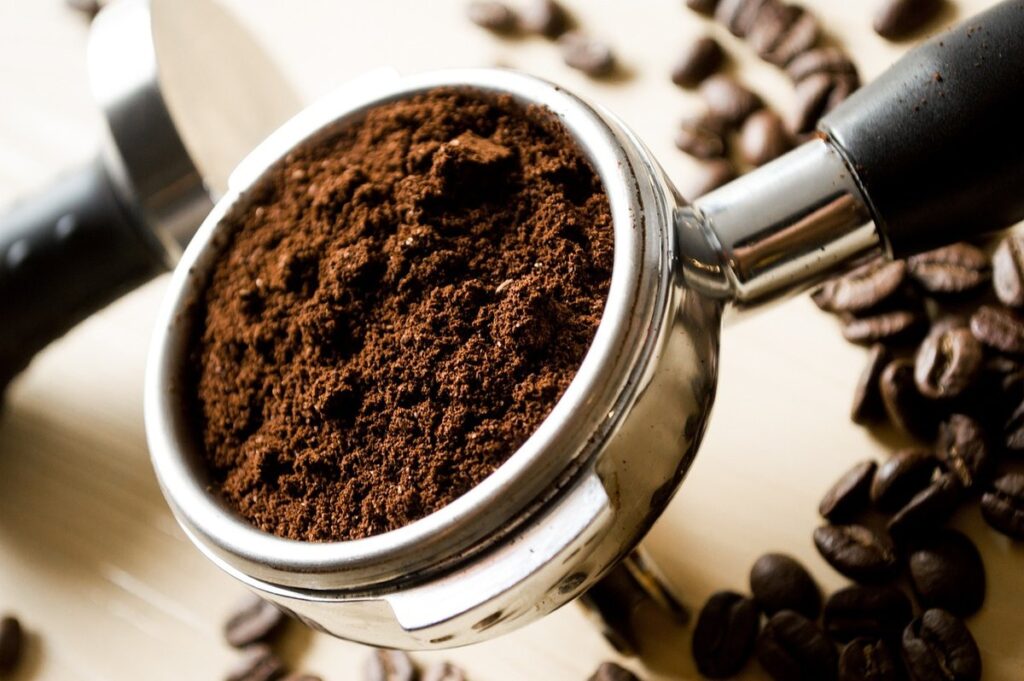
Benefits of Composting Coffee Grounds
Composting coffee grounds can provide numerous benefits for your garden, from improving soil fertility to reducing waste. Let’s dive into the advantages of incorporating this nutrient-rich resource into your compost pile.
Environmental Impact of Disposable Coffee Cups
The environmental impact of disposable coffee cups is staggering. It’s estimated that over 2.5 billion single-use coffee cups are discarded every year globally, with the majority ending up in landfills and oceans. While compostable coffee cups may seem like a more eco-friendly alternative, they still contribute to the staggering amount of waste generated by our daily coffee habits.
When you think about it, disposable coffee cups are essentially made from plastic, paper, or a combination of both. These materials take hundreds of years to decompose and can leach chemicals into soil and water when they do break down. Composting coffee grounds can help mitigate this issue in several ways. For one, it encourages us to think about the entire lifecycle of our coffee cups, from production to disposal. By composting coffee grounds, we’re creating a nutrient-rich soil amendment that can be used to grow new crops, reducing the need for synthetic fertilizers and minimizing waste.
To make a bigger impact, consider switching to reusable coffee cups or opting for cafes that offer discounts for customers who bring their own containers. If you do find yourself using disposable cups, look for bioplastics made from plant-based materials like cornstarch or sugarcane. These are often certified compostable and can be safely added to your compost pile.
Reducing Waste in Landfills and Oceans
The statistics on waste management are alarming. Each year, millions of tons of waste end up in landfills and oceans, contributing to environmental pollution, climate change, and harm to wildlife. According to the Environmental Protection Agency (EPA), in 2020, over 292 million tons of municipal solid waste were generated in the United States alone. Of this total, only about 34% was recycled or composted.
Composting coffee grounds is a simple yet effective way to reduce waste and contribute to a more sustainable future. When you compost your used coffee grounds, you’re not only reducing the amount of waste sent to landfills but also creating a nutrient-rich soil amendment that can help improve soil health and fertility. By making this small change in your daily routine, you can make a big impact on reducing waste in landfills and oceans.
In addition to composting coffee grounds, consider implementing other sustainable practices in your daily life, such as recycling paper and plastic, using reusable bags and water bottles, and reducing food waste by planning meals and using up leftovers. Every small action counts, and together we can make a significant difference in reducing waste and protecting the environment.
Nutrient-Rich Soil for a Healthier Environment
Composting coffee grounds is not only an excellent way to reduce waste and create a sustainable environment but also generates nutrient-rich soil for healthier plants. Coffee grounds are packed with essential nutrients like nitrogen, phosphorus, potassium, and magnesium that promote plant growth.
When these grounds break down through the composting process, they release these vital nutrients into the soil, making it an ideal medium for supporting healthy microbial life. This is particularly beneficial in gardening as nutrient-deficient soils can lead to reduced crop yields and lower fruit quality.
To maximize the benefits of composted coffee grounds, consider adding other nitrogen-rich materials like food scraps or manure to your compost pile. Aim for a mix of 2/3 “brown” materials (dried leaves, straw) and 1/3 “green” materials (food waste, grass clippings) for optimal decomposition.
By incorporating composted coffee grounds into your garden, you can create an ecosystem that not only reduces waste but also supports the growth of thriving plants.
Preparing Coffee Grounds for Composting
Before adding coffee grounds to your compost pile, you’ll need to prepare them properly to ensure they break down efficiently and effectively contribute to nutrient-rich soil. This involves some simple steps to make the most of these valuable organic materials.
Collecting and Storing Coffee Grounds
Collecting and storing coffee grounds is an essential step in composting, as it helps to maintain their nutrient-rich properties. To get started, you’ll need a dedicated container for collecting coffee grounds from your daily use. Consider using a small bucket or bin with a lid that can be easily stored under the sink or in a corner of your kitchen.
When it comes to storing coffee grounds, aim to collect them as soon as possible after brewing to prevent moisture loss and contamination. You can store them in an airtight container or plastic bag, but make sure they’re not sealed too tightly, as this can cause anaerobic conditions that hinder the composting process.
To make collecting and storing coffee grounds more convenient, you can also use reusable filters or paper filters with built-in collection containers. These products are designed specifically for coffee brewing and can help to keep your kitchen clean while also making it easier to collect coffee grounds.
By following these simple tips, you’ll be well on your way to successfully collecting and storing coffee grounds, setting yourself up for a successful composting experience at home or in the office.
Separating Coffee Grounds from Other Compost Materials
When adding coffee grounds to your compost pile, it’s essential to separate them from other materials to maintain a balanced and efficient composting process. Coffee grounds are high in nitrogen, which can lead to an overabundance of this nutrient if not balanced with carbon-rich materials.
To avoid this imbalance, set aside the coffee grounds as you collect them and add them to your compost pile separately. Start by adding a mix of “green” materials like food scraps, grass clippings, and manure, followed by layers of “brown” materials such as dried leaves, shredded newspaper, or cardboard.
When introducing the coffee grounds into the compost pile, do so in moderation – about 1-2 cups per 10 gallons of other compost materials. This will allow them to break down alongside the other nutrients without overpowering the process. As you mix the layers, ensure that the coffee grounds are evenly distributed and not compacted, which can hinder their decomposition.
Remember, proper separation and balance are key to creating a nutrient-rich compost.
The Composting Process: What You Need to Know
Now that we’ve covered the benefits of composting coffee grounds, let’s dive into the process of turning them into nutrient-rich soil. Here, we’ll explore the steps involved in creating a thriving compost.
Understanding the Carbon-to-Nitrogen Ratio
The carbon-to-nitrogen ratio (C:N ratio) is a critical aspect of the composting process that can make or break the quality of your finished compost. In simple terms, it refers to the balance between the amount of carbon-rich materials and nitrogen-rich materials in your compost pile. Think of it like a recipe: too much of either ingredient will throw off the entire mixture.
A general rule of thumb is to maintain a C:N ratio between 20:1 and 30:1 for optimal decomposition. Carbon sources, such as dried leaves or straw, provide energy for microorganisms to break down the compost materials. Nitrogen-rich materials like coffee grounds provide the necessary protein for microbial growth. Coffee grounds have an ideal nitrogen content of around 10-15%, making them an excellent addition to your compost pile.
When adding coffee grounds to your compost, it’s essential to balance their high nitrogen content with sufficient carbon-rich materials. A good starting point is to mix one part coffee grounds with three parts dried leaves or straw. Monitor the moisture levels and turn the compost regularly to maintain aeration and speed up the decomposition process. By striking this delicate balance, you’ll create nutrient-rich soil that’s perfect for your garden, all while reducing waste and minimizing your environmental footprint.
Temperature and Moisture Control for Optimal Composting
To achieve optimal composting of coffee grounds, it’s essential to monitor and control temperature and moisture levels. The ideal temperature range for composting is between 130°F and 140°F (54°C to 60°C). If the temperature exceeds 160°F (71°C), it can kill off beneficial microorganisms, while temperatures below 100°F (38°C) can slow down the decomposition process.
To achieve this optimal temperature range, ensure that your compost pile has a mix of “green” materials (coffee grounds, food scraps, grass clippings) and “brown” materials (dried leaves, shredded newspaper, cardboard). The carbon-to-nitrogen ratio should be around 2:1 to 3:1. You can check the temperature by inserting a compost thermometer into the pile.
Maintaining the right moisture level is also crucial. Aim for a damp but not soggy consistency, like a well-moistened sponge. Overwatering can lead to anaerobic conditions and unpleasant odors. Regularly turn your compost pile to ensure air circulation and speed up decomposition. By monitoring temperature and moisture levels, you’ll be able to create a balanced ecosystem that transforms coffee grounds into nutrient-rich soil.
Troubleshooting Common Composting Issues with Coffee Grounds
Coffee ground composting can be a bit finicky, and we’re here to help you troubleshoot common problems that might arise in your compost pile. From moldy messes to pests, let’s tackle them together.
Odor Control and Management
When composting coffee grounds, unpleasant odors can be a common issue. This is due to the high nitrogen content in coffee grounds, which can attract pests and create unpleasant smells if not managed properly. To control odor and prevent problems with your compost pile, it’s essential to strike a balance between “green” and “brown” materials.
To do this, mix 2-3 parts of brown materials (dried leaves, straw, or shredded newspaper) with one part of green materials (coffee grounds). This ratio will help absorb excess moisture and reduce odors. Additionally, make sure your compost pile has adequate airflow by leaving some space between the materials and avoiding over-mixing.
It’s also crucial to monitor the moisture level in your compost pile. If it’s too wet, add more brown materials or aerate the pile with a fork. On the other hand, if it’s too dry, sprinkle water on the surface. By maintaining a balanced mix of materials and ensuring proper airflow and moisture levels, you can minimize odors and create nutrient-rich soil from your coffee grounds compost. Regular turning of the pile will also help in distributing heat and preventing anaerobic conditions that lead to unpleasant smells.
Pest and Rodent Control in the Compost Pile
Compost piles can attract pests and rodents due to their nutrient-rich environment. When using coffee grounds as a compost material, it’s essential to implement pest and rodent control measures to prevent infestations.
To minimize the risk of attracting pests, ensure that your compost pile has good air circulation. This can be achieved by maintaining a mix of ‘green’ materials (high in nitrogen) like food scraps and grass clippings, with ‘brown’ materials (high in carbon) such as dried leaves or shredded newspaper. A balanced mix will help to speed up decomposition and reduce moisture levels.
Regular turning of the compost pile is also crucial in preventing pest infestations. This helps to ensure that all materials are breaking down evenly and prevents any areas where pests may be attracted to. Additionally, it’s a good idea to bury fruit and vegetable scraps deep within the pile to prevent attracting scavenging animals.
Some common pests associated with compost piles include rodents, ants, and flies. To deter these pests, consider adding certain herbs or spices like cinnamon, cloves, or citronella to your compost pile. These natural deterrents can help to repel unwanted visitors and maintain a healthy balance in the ecosystem.
Additional Tips for Successful Composting with Coffee Grounds
Now that you have a thriving coffee grounds compost pile, let’s dive into some expert advice to help you overcome common challenges and get the most out of this valuable resource.
Introducing Coffee Grounds into Existing Compost Bins
When introducing coffee grounds into existing compost bins, it’s essential to minimize disruption and ensure a seamless transition. To do this, start by adding small amounts of coffee grounds to the bin, mixing them well with the existing materials. This will allow microorganisms to adapt gradually, preventing any potential imbalances.
A good rule of thumb is to add no more than 10-20% of your total compost volume as coffee grounds. Begin with a small batch and monitor the process closely. Keep an eye on moisture levels, ensuring that the mixture doesn’t become too dry or waterlogged.
Some key things to remember when adding coffee grounds include:
• Balancing ‘C’ (carbon) and ‘N’ (nitrogen) levels: Coffee grounds are high in carbon, so you may need to adjust your nitrogen-rich materials accordingly.
• Maintaining optimal moisture: Coffee grounds can compact easily, making it harder for oxygen to penetrate. Regularly turn the compost pile to ensure air circulation.
By following these guidelines, you can successfully integrate coffee grounds into your existing compost bins without disrupting the entire process.
Scaling Up Composting Operations for Commercial Settings
Scaling up composting operations for commercial settings requires careful planning and implementation. As your business grows, so does your coffee waste output, making large-scale composting programs a necessity. To get started, identify suitable locations on-site for the composting area, ensuring proximity to existing infrastructure such as utilities and storage.
When implementing a large-scale program, consider partnering with a reputable composting facility or consulting with experts in waste management. This will help you navigate regulatory requirements and ensure compliance with local regulations. It’s also essential to establish clear guidelines for employee involvement, including training programs on proper coffee ground collection and handling procedures.
To optimize the process, invest in the right equipment, such as large-scale compost turners or aerators, designed specifically for commercial operations. Regular monitoring of temperature, moisture levels, and carbon-to-nitrogen ratios will ensure a healthy composting environment. By following these steps, you’ll be well on your way to successfully scaling up your composting operations and minimizing waste while creating nutrient-rich soil for your business’s needs.
Conclusion: Making a Difference One Cup at a Time
Now that you’ve learned how to compost coffee grounds, let’s talk about what it means for your community and the environment. Every small step counts towards making a bigger impact.
Recap of Key Takeaways
Composting coffee grounds is an incredibly simple yet impactful way to reduce waste and create nutrient-rich soil for your garden. As we’ve explored throughout this comprehensive guide, the benefits of composting coffee grounds are multifaceted.
Let’s recap some of the key takeaways from our discussion:
• We learned that composting coffee grounds can help divert millions of tons of waste from landfills each year – a staggering statistic that highlights the potential impact of individual actions.
• By incorporating coffee grounds into your compost, you can create a nutrient-rich soil amendment that promotes healthy plant growth and reduces the need for synthetic fertilizers.
• We explored various methods for collecting and processing coffee grounds, including using a designated container or adding them directly to your compost pile.
In addition to these practical considerations, we discussed the importance of balancing carbon and nitrogen levels in your compost. This involves maintaining an optimal ratio of “green” materials (like food scraps and grass clippings) to “brown” materials (such as dried leaves and shredded paper).
To put this knowledge into action, consider setting up a designated coffee grounds collection system or adding them directly to your compost pile. You can also experiment with different combinations of materials to find the ideal balance for your specific composting setup.
As we conclude our comprehensive guide, remember that every cup of coffee is an opportunity to make a positive impact on the environment. By embracing the simple act of composting coffee grounds, you’ll be contributing to a healthier planet – one cup at a time.
Frequently Asked Questions
What are the ideal coffee-to-compost ratio for optimal decomposition?
Aim for a mix of 20-30% coffee grounds with other organic materials like leaves, grass clippings, or vegetable scraps. This balance ensures proper carbon-to-nitrogen ratios and prevents anaerobic conditions that can lead to unpleasant odors.
Can I compost coffee grounds from flavored or caffeinated coffee?
Yes, you can compost coffee grounds from flavored or caffeinated coffee. However, be aware that some additives like sweeteners or creamers may attract pests or create imbalanced nutrient levels in your compost. Monitor your pile’s pH and nutrient levels to ensure optimal decomposition.
How do I manage odors when adding large quantities of coffee grounds to my compost?
To minimize odors, mix freshly added coffee grounds with other dry materials like straw or shredded newspaper. This will help absorb excess moisture and reduce the likelihood of anaerobic conditions that can lead to strong smells.
Can I use composted coffee grounds as a fertilizer immediately after composting?
Yes, but it’s recommended to let the finished compost mature for at least 6-8 weeks before using it as fertilizer. This allows the nutrients to break down and stabilize, reducing the risk of burning your plants’ roots with high nitrogen levels.
What are some creative ways to use coffee grounds beyond composting in my garden?
Consider repurposing coffee grounds as a natural pest repellent for ants, snails, or slugs. You can also mix them into potting soil or use as a mulch to retain moisture and suppress weeds.