
When it comes to composting, one crucial decision can make all the difference: where you place your compost bin. While it might seem like a minor detail, choosing the right location for your compost bin is essential for its success. Proper placement ensures optimal sunlight, minimal odors, and easy access – all vital components of a thriving compost system. But what if you’re working with a small garden or live in an area with extreme climate conditions? In this article, we’ll explore the best practices for selecting a location that suits your specific needs. From tips on maximizing sunlight to minimizing odor disturbances, we’ll delve into the key factors to consider when choosing where to position your compost bin, ensuring you get the most out of your composting efforts.
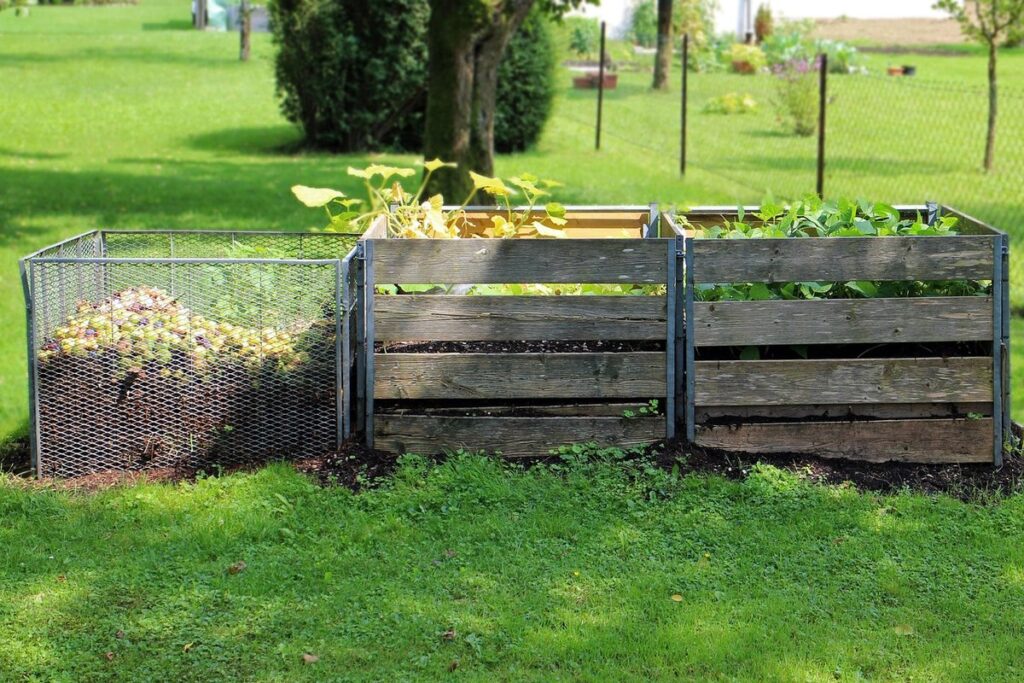
Understanding the Importance of Location
When choosing where to place your compost bin, understanding its location is crucial for effective decomposition and minimizing potential issues with pests and odors. Let’s dive into why this matters.
Factors to Consider
When deciding where to place your compost bin, it’s essential to consider several key factors. First and foremost, think about sunlight – your compost pile needs adequate moisture to break down efficiently, so avoid areas that receive direct sunlight for extended periods. This can cause the material to dry out and become less effective.
Wind direction is another critical consideration. A location exposed to strong winds may blow away loose materials or even the entire compost bin, causing a mess and potentially attracting pests. Try to place your compost bin in a spot with some natural protection from prevailing wind patterns.
Proximity to water sources is also important – ideally, you want to be within easy reach of a hose or other watering system for regular maintenance. This will help keep your compost pile moist and ensure it’s working efficiently.
Avoiding Moisture Accumulation
When choosing the perfect location for your compost bin, it’s essential to consider the potential risks of moisture accumulation. This can lead to an ideal breeding ground for pests, which can ruin the entire composting process.
Standing water or high humidity areas should be avoided when placing your compost bin. These conditions are often found near buildings, especially those with poor drainage systems. For instance, if you have a basement or a crawlspace that’s prone to moisture accumulation, it’s best to keep your compost bin at least 10 feet away from these areas.
Additionally, consider the proximity of your compost bin to nearby water sources such as gardens, ponds, or even pet watering stations. Ensure that the area surrounding your compost bin slopes slightly to prevent water from accumulating around the base. By doing so, you’ll create a dry and pest-free environment for your composting process to thrive in.
Sunlight Requirements
When choosing a location for your compost bin, it’s essential to consider how much sunlight the area receives, as this will impact the decomposition process and overall effectiveness of your compost. Adequate sunlight can make all the difference!
Composting Temperature
To ensure that your compost bin reaches optimal temperatures for decomposition, it’s essential to position it in an area with adequate sunlight. Most composting processes require direct sunlight for at least 6 hours a day to generate heat and facilitate the breakdown of organic matter.
When selecting a location for your compost bin, consider the amount of direct sunlight your yard receives throughout the day. A south-facing spot is ideal, as it receives the most direct sunlight and warmth. However, avoid areas with dense tree cover or shadows, which can block or reduce sunlight. If you have limited space, choose a spot that receives partial shade, but still allows for some sunlight penetration.
To get an accurate assessment of your yard’s sunlight patterns, observe the area during different times of day. This will help you determine if the selected location meets the 6-hour minimum requirement for direct sunlight. By placing your compost bin in a sun-drenched spot, you’ll be able to maintain optimal temperatures and promote efficient decomposition.
Reducing Odor and Pests
When it comes to composting, managing odors and pests can be just as important as ensuring adequate sunlight. Sunlight helps break down organic matter, reducing the likelihood of foul-smelling messes and unwanted critters. A well-located compost bin will allow for optimal airflow, which in turn helps minimize odor-causing bacteria.
To keep your compost pile pest-free, consider placing it at least 10 feet away from any structures that may attract rodents or insects, such as gardens, pet areas, or nearby food sources. You can also add a physical barrier, like chicken wire or hardware cloth, to prevent pests from accessing the bin’s contents. Regularly turning and maintaining your compost pile will also help keep odors and pests under control.
Additionally, you may want to incorporate odor-reducing strategies into your composting routine, such as mixing in lime or wood ash to balance pH levels and reduce ammonia production. These simple steps can make a big difference in creating a thriving compost ecosystem that’s free from pests and unpleasant smells.
Accessibility and Maintenance
Now that we’ve discussed placement considerations, let’s talk about how to make your compost bin easily accessible for maintenance and upkeep. This is crucial for a successful composting process.
Regular Turnings and Additions
When it comes to choosing the perfect compost bin location, accessibility is key. You want to select a spot that allows for easy turnings and additions throughout the composting process. This will not only make maintenance more manageable but also ensure the composting process remains efficient and effective.
Consider placing your compost bin in a spot where you can easily access it from multiple sides. This could be near a corner of your yard or in a central location that’s close to a water source. For example, if you have a small yard, positioning the compost bin near the side gate can make turnings and additions more convenient.
Remember to avoid obstructing walkways or garden paths with your compost bin. A clear path will make it easier to access and maintain your compost pile, reducing the likelihood of tripping hazards and messes. By choosing a location that balances accessibility with convenience, you’ll be well on your way to creating rich, nutrient-dense compost for your garden.
Space for Expansion
When selecting a location for your compost bin, it’s essential to consider not only the immediate space around the bin but also the potential growth of the compost pile itself. As you start adding organic matter and waiting for decomposition to occur, your compost bin will expand significantly. To accommodate this expansion, make sure there is enough space surrounding the bin to allow the pile to grow without encroaching on nearby features.
Aim for at least a few feet of clearance around all sides of the compost bin to give the pile room to breathe and expand. This extra space will also help you easily turn and aerate the pile as needed, preventing matting and ensuring even decomposition. If you’re choosing a location near a garden bed or pathway, consider placing the bin in a corner or against a wall to maximize available space while keeping the area clear. Keep in mind that some compost bins have adjustable sizes or can be easily expanded – be sure to take note of these features when selecting your bin and planning its location.
Considerations for Small Gardens or Spaces
If you’re working with a small garden or compact outdoor space, finding the perfect compost bin location can be especially challenging. This section offers practical tips to navigate these unique situations effectively.
Mini Compost Bins
If you’re working with limited space, mini compost bins are an excellent solution. These compact containers can fit snugly on a balcony, patio, or even indoors with proper ventilation. When choosing a mini compost bin, consider the following factors: size, material, and accessibility.
Look for bins that are no more than 12-18 inches in diameter and 8-10 inches deep. This will ensure they don’t take up too much space on your balcony or patio. Opt for bins made from durable materials like plastic, metal, or wood, which can withstand various weather conditions.
To use a mini compost bin indoors, ensure good airflow by placing it near an open window or using a fan to circulate air. This will prevent moisture buildup and unpleasant odors. Regularly turn the contents of your mini compost bin to speed up decomposition and maintain a healthy balance of “green” (food scraps) and “brown” (dried leaves, twigs) materials.
By choosing the right mini compost bin for your space, you can enjoy the benefits of composting without sacrificing valuable real estate.
Repurposing Containers
When space is limited, getting creative with compost bin placement is essential. Consider repurposing containers as compact composting solutions for smaller areas. Wooden pallets, for instance, can be upcycled into unique compost bins that fit snugly against a fence or wall.
Another option is to use plastic tubs, which can be found at a low cost and come in various sizes. Clean and sanitize them before converting them into mini-composters. You can also get creative with old containers like large buckets, crates, or even an old wheelbarrow. These repurposed bins can help you divert food waste and yard trimmings from the landfill while minimizing space requirements.
When choosing a repurposed container as your compost bin, ensure it has good ventilation to prevent odors and pests. Drill holes in the bottom for airflow and consider adding a lid or a door for easy access. With a little creativity, you can turn what would otherwise be trash into a valuable resource for your small garden or space.
Dealing with Noise and Odor
When it comes to placing your compost bin, there are a few potential downsides you might not have considered, like noise and odor issues. Let’s tackle these problems together!
Strategies for Minimizing Disturbances
When it comes to minimizing disturbances from your compost bin, implementing effective strategies can make all the difference. One of the most important steps is regular turnings. This involves manually turning the pile 1-2 times a week to ensure that materials are evenly distributed and aerated. Not only will this help reduce noise levels, but it’ll also speed up the decomposition process.
Another key strategy is adding brown materials, such as dried leaves or shredded newspaper, which absorb excess moisture and odors. Aim for a mix of 2/3 “green” materials (food scraps, grass clippings) to 1/3 “brown” materials. This balance will help control the carbon-to-nitrogen ratio, reducing the likelihood of unpleasant odors.
Aeration is also crucial in minimizing disturbances. You can achieve this by adding a few rocks or broken bricks to the pile, which allow air to penetrate and facilitate decomposition. By implementing these simple strategies, you’ll be well on your way to creating a peaceful composting experience for yourself and those around you.
Best Practices for Smelly Compost Piles
Dealing with smelly compost piles is an inevitable reality of composting. However, by incorporating some simple best practices, you can minimize odors and create a healthy environment for microorganisms to break down organic matter.
To reduce odor issues, it’s essential to balance the carbon-to-nitrogen (C:N) ratio in your compost pile. Carbon-rich materials like dried leaves, straw, or shredded newspaper help absorb excess moisture and odors. Aim to add 2/3 carbon-rich materials and 1/3 nitrogen-rich materials like kitchen scraps, grass clippings, or manure. This balance will encourage aerobic decomposition, which produces fewer volatile organic compounds responsible for unpleasant smells.
Proper aeration is also vital in preventing odor buildup. Ensure your compost bin has adequate airflow by leaving space between the pile’s layers and turning it regularly. You can also place a 2×4 or a shovel on top of the pile to create air pockets, allowing oxygen to penetrate deeper into the pile. This simple step will significantly reduce odors and promote healthy decomposition.
Additional Tips and Considerations
As you’re finalizing your compost bin location, consider these extra details that can make a big difference in how well your composting process works. Think beyond just finding a spot with good airflow.
Climate-Specific Placement
When placing your compost bin, it’s essential to consider the climate you live in. In warmer climates, the sun can be intense, and excessive heat buildup can kill off beneficial microorganisms and create unpleasant odors. To avoid this issue, position your compost bin on the north side of your yard or under a shaded area. This simple step will help maintain a healthy balance between heat and moisture.
In colder climates, the opposite problem may occur – too little heat. In these regions, it’s better to place the compost bin in an area that receives partial shade during the hottest part of the day but still allows for sufficient sunlight throughout the year. Consider placing your compost bin near a south-facing wall or under a tree with open branches.
Remember, climate-specific placement is crucial for maintaining optimal composting conditions. Be mindful of your local climate and adapt accordingly to ensure a thriving compost ecosystem.
Integrating Composting into Your Existing Routine
Making composting a seamless part of your daily routine is easier than you think. Start by getting creative with food scraps in the kitchen. For instance, try to use up all parts of fruits and vegetables – don’t let those peels and cores go to waste! Chop them up finely or blend them into soups for added nutrition.
Incorporate scraps into your meals and snacks throughout the day. Add chopped carrots or celery to salads, blend spinach into smoothies, or make a batch of homemade soup with vegetable scraps. This way, you’ll be using up scraps as you go, reducing waste and making composting a breeze.
Another great tip is to prep your compost bin in advance by having all necessary materials on hand – including brown materials like leaves, twigs, or shredded newspaper. This way, when you do start adding food scraps, they’ll be balanced with the dry ingredients, speeding up the decomposition process. Remember, small changes add up over time, so start making those adjustments now and watch your composting routine become second nature!
Frequently Asked Questions
What if I live in a windy area, how can I keep my compost bin contents from blowing away?
Wind direction is crucial when placing your compost bin, as strong winds can blow away loose materials. To mitigate this issue, consider using weights or anchors to secure the bin or cover it with a waterproof layer to prevent dry leaves and other lightweight materials from escaping.
Can I place my compost bin near a water source, such as a garden hose or rainwater barrel?
While having access to water is important for maintaining your compost pile’s moisture levels, placing your bin directly under a garden hose or rainwater barrel can create excessive moisture accumulation. Instead, consider installing a nearby watering system that allows you to control the amount of water added.
How often should I turn my compost pile, especially if it’s located in an area with extreme temperatures?
Regular turnings are essential for maintaining optimal decomposition and minimizing odors. If your compost bin is exposed to extreme temperature fluctuations, consider turning it more frequently (every 1-2 weeks) to ensure the contents remain aerated and evenly heated.
Can I place my compost bin near a septic system or leach field?
When choosing a location for your compost bin, it’s essential to avoid areas with existing underground infrastructure. Placing your bin too close to a septic system or leach field can lead to contamination risks and negatively impact the effectiveness of these systems.
Are there any specific considerations I should keep in mind when placing my mini compost bin?
Mini compost bins are ideal for small gardens or urban spaces, but they still require careful placement. When selecting a location for your mini bin, consider factors like sunlight exposure, wind direction, and proximity to water sources to ensure optimal decomposition and minimize potential issues with pests and odors.