
If you’re a gardening enthusiast or a seasoned farmer looking to boost your cucumber crop, getting their water needs just right is crucial. Cucumbers need consistent moisture levels, especially during their growing phase, but overwatering can lead to rot and other issues. Conversely, underwatered cucumbers will struggle to produce those crisp, refreshing slices we all love.
In this article, we’ll delve into the factors that influence the perfect watering frequency for your cucumbers – from temperature fluctuations to soil type and light exposure. We’ll also discuss how different varieties respond to water, helping you tailor your approach to your specific plants’ needs. By the end of it, you’ll be equipped with expert tips on efficient water usage, ensuring your cucumber crop stays healthy and thrives under optimal conditions.
Understanding Cucumbers’ Water Requirements
When it comes to keeping your cucumbers healthy and thriving, understanding their water requirements is crucial. Let’s dive into the specifics of how much water your cucumber plants need.
The Importance of Water in Cucumber Growth
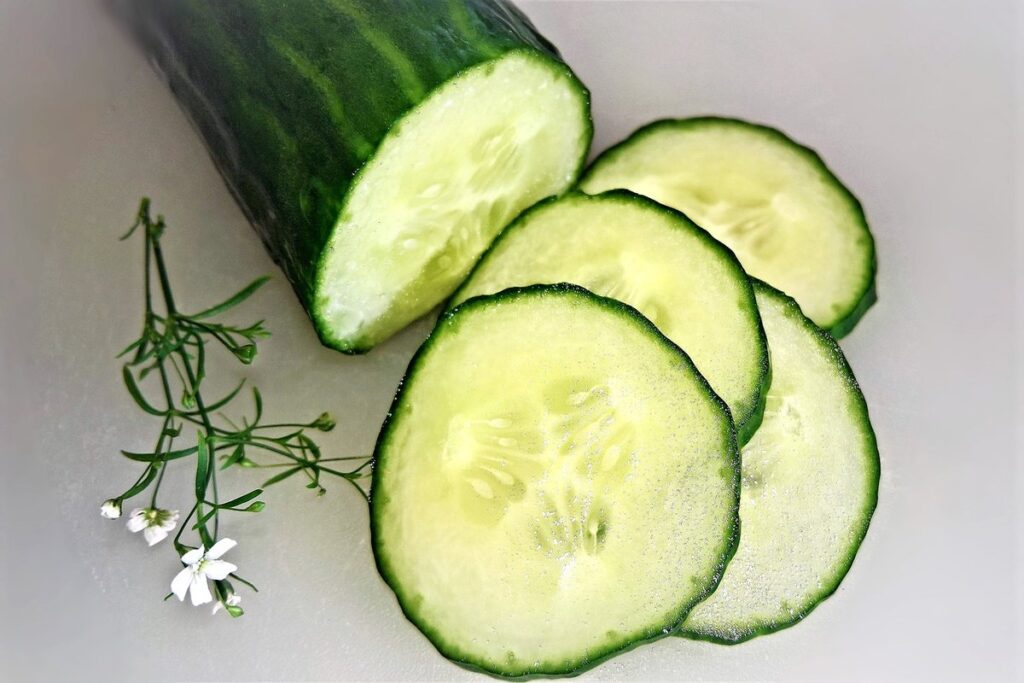
As you tend to your cucumber plants, it’s essential to remember that they’re comprised of approximately 96% water. This means they rely heavily on consistent moisture levels to grow and thrive. When the soil is too dry for an extended period, cucumbers will begin to wilt and their growth will slow down.
To understand why water is crucial for cucumber growth, consider how plants use it: water transports nutrients from the soil into the plant’s cells, where they’re used for photosynthesis and other vital processes. When the soil lacks sufficient moisture, these essential nutrients can’t reach the plant efficiently, leading to stunted or weak growth.
To ensure your cucumbers receive adequate water, aim to provide about 1-2 inches of water per week through a combination of rainfall and irrigation. Be cautious not to overwater, as this can lead to root rot and other problems. Monitor your plants’ soil moisture levels by sticking your finger into the soil up to the first knuckle; if it feels dry, it’s time to water.
Factors Affecting Water Requirements
When considering the water requirements of cucumber plants, it’s essential to understand that various factors interact with each other to influence a plant’s needs. Temperature is one crucial factor: cucumbers thrive in temperatures between 60°F and 90°F (15°C and 32°C). Beyond this range, their water requirements change significantly; high temperatures can lead to faster evaporation, while low temperatures slow down the growth rate.
Another significant factor is humidity – cucumber plants prefer a humid environment. When the air is too dry, they will demand more water to compensate for moisture loss through transpiration. The type of soil also plays a critical role: well-draining soils may require more frequent watering due to their inability to retain moisture, whereas heavy clay soils might need less water as they hold onto it.
Light exposure also affects the water requirements of cucumber plants. Those growing in direct sunlight will lose more water through transpiration and may require more frequent watering, especially during hot summer months. In contrast, shaded areas tend to have lower evaporation rates, thus affecting water needs.
Monitoring Soil Moisture Levels
Checking soil moisture levels regularly is crucial to determine if cucumbers need more or less water. You can do this by inserting a finger into the soil up to the first knuckle. If the soil feels dry, it’s time for watering. However, if it still has some moisture, you can wait another day.
To monitor soil moisture levels accurately, observe your cucumber plants’ behavior. Leaves that are wilted or discolored may indicate underwatering, while those with yellow or curled leaves might be overwatered. Keep in mind that young cucumbers require more water than mature ones, especially when they’re producing fruit.
Water stress can cause significant damage to cucumber plants. Soil moisture levels should be checked daily during hot weather and every other day during cooler periods. You can also use a soil probe or a moisture meter for a more precise reading.
Determining Water Frequency for Cucumbers
To ensure healthy growth, you need to determine how often to water your cucumbers based on their age and the surrounding climate. This is crucial for preventing overwatering and underwatering.
The Right Time to Water
When it comes to watering cucumbers, timing is everything. Consistent moisture, especially when they’re producing fruit, is crucial for optimal growth and flavor development. So, what’s the right time to water? The best times to water cucumbers are in the early morning or evening, when the temperature is cooler.
During peak summer months, it’s essential to water your cucumber plants deeply but infrequently to encourage deep root growth. This helps them withstand drought conditions and reduces the risk of overwatering. On average, cucumber plants require about 1-2 inches of water per week, either from rain or irrigation. Aim to provide this amount in a single watering session to prevent frequent shallow watering.
Avoid watering your cucumbers during the hottest part of the day (usually between 11 am and 3 pm) when the sun is at its strongest. This can cause evaporation and lead to wasted water. Instead, water your plants early in the morning or evening, allowing them to absorb the moisture throughout the night.
The growth stage of your cucumber plant also plays a significant role in determining watering frequency. For example, seedlings require more frequent watering than mature plants. Be sure to adjust your watering schedule accordingly based on your plant’s development and environmental conditions.
How Often to Water Cucumber Plants
When it comes to watering cucumber plants, the frequency depends on several factors including climate, soil type, and growing conditions. In general, cucumbers need about 1-2 inches of water per week, either from rain or irrigation.
In hot and dry climates, you’ll need to water your cucumber plants more frequently, ideally every 2-3 days during the peak summer months. This is because cucumbers are prone to dehydration in extreme heat, which can lead to reduced yields and poor fruit quality.
On the other hand, if you’re growing cucumbers in a cooler climate or under shadecloth, you may only need to water them every 4-5 days. Additionally, if your soil is well-draining and has a high organic matter content, you’ll likely need to water less frequently.
A good rule of thumb is to check the soil moisture by inserting your finger into the soil up to the knuckle. If the soil feels dry, it’s time to water. Avoid overwatering, which can lead to root rot and other problems. By adjusting your watering schedule based on these factors, you’ll be able to provide your cucumber plants with just the right amount of moisture to thrive.
Common Mistakes in Cucumber Watering
Don’t let overwatering ruin your cucumbers’ chances of thriving – common mistakes in watering can be easily avoided. Let’s explore some of the most frequent errors to watch out for.
Overwatering: A Major Threat to Cucumbers
Overwatering is one of the most common mistakes cucumber growers make when it comes to watering frequency. It can lead to a host of problems that can severely impact plant health and productivity. When cucumbers are overwatered, their roots begin to rot due to excessive moisture. This creates an ideal environment for fungal diseases to thrive, such as powdery mildew and anthracnose.
As the roots decay, nutrient uptake is impaired, leading to deficiencies in essential micronutrients like calcium and magnesium. These deficiencies can cause a range of issues, from blemishes on leaves to distorted fruit growth. In severe cases, overwatering can even lead to plant death.
To avoid overwatering, check the soil moisture by inserting your finger into the soil up to the knuckle. If the soil feels dry, it’s time for watering. Also, make sure not to water in the evening or night, as this allows excess moisture to remain on the leaves overnight, creating a haven for fungal growth. A well-draining potting mix and adequate air circulation can also help prevent root rot and other issues associated with overwatering.
Underwatering: Its Effects on Cucumber Growth
When cucumbers don’t receive enough water, it can have severe effects on their growth. One of the primary consequences is reduced yields. Cucumbers that are underwatered may not produce as many fruits as those that are adequately watered, resulting in lower overall harvests. Furthermore, the quality of the fruit itself may also be compromised.
Underwatering can cause the cucumber plant to focus its energy on survival rather than growth and production. As a result, the fruit may become smaller or misshapen. In severe cases, underwatering can even lead to blossom-end rot, a common issue in cucumbers where the fruit develops soft spots due to a lack of calcium.
To avoid these issues, it’s essential to ensure that your cucumber plants receive consistent moisture levels throughout their growth cycle. Check the soil daily and water only when necessary. Aim for about 1-2 inches of water per week, either from rainfall or irrigation. By maintaining proper watering habits, you can promote healthy growth and maximize your cucumber harvest.
Optimizing Water Efficiency for Cucumbers
Now that we’ve covered how often to water your cucumbers, let’s dive into some practical tips on optimizing their water efficiency to get the most out of your harvest.
Mulching and Other Soil Moisture Conservation Techniques
Mulching and other soil moisture conservation techniques can play a significant role in optimizing water efficiency for cucumbers. By retaining soil moisture and regulating temperature, mulch helps create an ideal environment for cucumber growth. Organic materials such as wood chips, bark, or leaves are effective mulch options that can be applied to the top layer of the soil.
Drip irrigation is another efficient technique that delivers water directly to the roots of plants, reducing evaporation and runoff. This method not only conserves water but also ensures optimal moisture levels for cucumbers. To set up a drip irrigation system, start by placing emitters or drippers near the base of each plant, then attach them to a mainline with a pump or timer.
Some key benefits of using mulch and drip irrigation include reduced water consumption, improved soil health, and increased crop yields. For instance, research has shown that mulched fields can reduce evaporation by up to 70%, resulting in significant water savings over time.
Efficient Watering Systems for Large-Scale Production
For large-scale commercial cucumber production, implementing efficient watering systems is crucial to optimize water use and reduce waste. One effective approach is drip irrigation, which delivers water directly to the roots of the plants, minimizing evaporation and runoff. This method can be combined with soil moisture sensors to monitor the vine’s water needs in real-time, allowing for precision watering.
Another strategy is to use mulch or cover crops between rows to retain soil moisture and reduce evapotranspiration. For example, a study on a large-scale cucumber farm in California showed that using drip irrigation and cover crops reduced water consumption by 30% compared to traditional sprinkler systems.
To take it a step further, consider investing in automated irrigation controllers that adjust watering schedules based on weather forecasts, soil moisture levels, and plant growth stages. This ensures that the vines receive just the right amount of water at the right time, optimizing yields while minimizing waste. By integrating these technologies, large-scale cucumber producers can significantly reduce their water footprint and promote a more sustainable farming practice.
Special Considerations for Cucumber Varieties
When growing cucumbers, some varieties have unique watering requirements that differ from standard practices. We’ll cover these special considerations to help you tailor your approach.
Determinate vs. Indeterminate Cucumbers
When choosing cucumber varieties for your garden, it’s essential to understand their growth habits and watering requirements. Determinate and indeterminate cucumbers are the two main types, each with unique needs.
Determinate cucumbers grow compactly and produce fruit at a single location on the plant. They tend to mature faster than indeterminate varieties, often within 50-60 days. Due to their bushy growth habit, determinate cucumbers require more frequent watering, especially during hot summer months. Water them deeply once or twice a week, depending on weather conditions.
Indeterminate cucumbers, on the other hand, are vining plants that spread out and produce fruit continuously throughout the season. They may require less frequent watering, but should still receive consistent moisture levels to promote healthy growth. Aim for about 1 inch of water per week, either from rain or irrigation.
Keep in mind that both types prefer well-draining soil and full sun exposure. By understanding your cucumber variety’s specific needs, you can tailor your watering schedule to optimize fruit production and minimize the risk of overwatering or underwatering.
Cucumber Varieties Suitable for Drought Conditions
When it comes to growing cucumbers in areas with limited rainfall, selecting the right variety can make all the difference. Some cucumber varieties are naturally more resistant to drought than others, allowing them to thrive even when water is scarce.
Some popular cucumber varieties suitable for drought conditions include ‘Marketmore’, ‘Slicing’, and ‘Diva’. These varieties have a deeper root system that allows them to access moisture deeper in the soil, reducing their reliance on frequent watering. They also tend to produce smaller fruit, which requires less water overall.
When growing cucumbers in areas with limited rainfall, it’s essential to provide them with some supplemental irrigation during extremely dry spells. However, varieties like ‘Marketmore’ can tolerate a bit more drought stress than others. In fact, studies have shown that ‘Marketmore’ cucumbers can reduce water usage by up to 30% compared to other popular varieties.
By selecting drought-resistant cucumber varieties and implementing smart watering strategies, gardeners in areas with limited rainfall can enjoy a bountiful harvest without wasting precious water resources. Remember, it’s all about finding the right balance between providing enough moisture for optimal growth and conserving water whenever possible.
Frequently Asked Questions about Cucumber Watering
We’ve got you covered! Below, we’ll address some of the most common questions and concerns gardeners have about watering cucumbers.
Common Questions About Cucumber Watering
When it comes to watering cucumbers, there are several common questions that gardeners often have. Let’s tackle some of these frequently asked questions and provide you with the guidance you need to ensure your cucumber plants receive the right amount of water.
How often should I water my cucumbers? The answer is: it depends on various factors such as climate, soil type, and age of the plant. As a general rule, young cucumber seedlings require more frequent watering (about 1-2 inches per week), while mature plants can tolerate less moisture. For example, in hot and dry climates, cucumbers may need to be watered every other day, whereas in cooler and wetter environments, they might only need watering once a week.
What happens if I overwater my cucumbers? Overwatering is a common mistake that can lead to root rot, fungal diseases, and reduced yields. To avoid this, make sure the soil drains well and water your cucumbers in the morning so excess moisture has time to evaporate during the day.
Can I water my cucumbers at night? While it’s tempting to save time by watering your plants in the evening, it’s generally not a good idea. Moisture on the leaves can encourage fungal growth, which can be detrimental to your cucumber crop. Instead, water them in the morning when the air is cooler and there’s less risk of moisture-related issues.
What if I forget to water my cucumbers for a day or two? Don’t panic! Cucumbers are relatively drought-tolerant plants, and they can recover quickly from short periods of neglect. However, prolonged drought stress can lead to reduced yields, so it’s essential to get back on track with your watering schedule as soon as possible.
In terms of specific measurements, how much water should I give my cucumbers? A good rule of thumb is to provide about 1-2 gallons of water per plant, depending on its age and size. You can also use a soaker hose or drip irrigation system to deliver water directly to the roots, reducing evaporation and runoff.
Lastly, how do I know if my cucumber plants need more water? Look for signs such as wilted leaves, yellowing foliage, or reduced fruit production. If you notice any of these symptoms, it’s likely that your cucumbers are thirsty and require additional watering.
Expert Tips and Tricks for Optimal Cucumber Growth
Maintaining optimal moisture levels is crucial for healthy cucumber growth. To achieve this, we recommend implementing a few expert-approved techniques. For instance, mulching the soil around your cucumber plants can help retain moisture and suppress weeds. This technique not only reduces water evaporation but also regulates soil temperature.
Another method to consider is drip irrigation, which delivers water directly to the roots of the plant, minimizing evaporation and runoff. If you’re looking for a more hands-on approach, try using a moisture meter to monitor your cucumber plants’ soil moisture levels. This tool will alert you when it’s time to water, ensuring that your cucumbers don’t receive too much or too little water.
In terms of specific products, we recommend the use of worm castings as an organic fertilizer. These nutrient-rich composts promote healthy root growth and improve soil structure, making them ideal for cucumber cultivation. Be sure to follow the manufacturer’s instructions for application rates and timing to avoid overfertilization. By incorporating these expert tips into your watering routine, you’ll be well on your way to optimal cucumber growth.
Frequently Asked Questions
How can I adjust my watering schedule if I notice a change in weather patterns?
If you’re observing changes in temperature or precipitation, it’s crucial to adapt your watering schedule accordingly. Monitor soil moisture levels closely during hot spells and avoid overwatering when it rains heavily. Use these adjustments as an opportunity to optimize your water efficiency for cucumbers.
What are the signs of underwatered versus overwatered cucumbers?
Look out for wilting or droopy leaves in underwatered cucumbers, while overwatered plants may exhibit yellowing leaves, soft stems, and a slimy texture. Regularly inspect your plants to determine their water needs accurately.
Can I use mulch to conserve soil moisture for my cucumbers year-round?
Yes, applying a 2-3 inch layer of organic mulch around the base of your cucumber plants can significantly reduce evaporation and retain moisture in the soil. Replenish mulch as needed to maintain its effectiveness throughout the growing season.
How often should I water my determinate versus indeterminate cucumber varieties?
Determinate cucumbers tend to grow more compactly, requiring less frequent watering (about 1-2 times per week). Indeterminate varieties are more sprawling and may require more consistent moisture levels (about 2-3 times per week), but this can vary depending on specific weather conditions.
Can I water my cucumbers at any time of day, or is there a best time?
While it’s tempting to fit watering into a busy schedule, try to avoid watering your cucumbers during peak sun hours (usually between 11 am and 3 pm) to prevent water loss due to evaporation. Instead, aim for early morning or evening sessions when the air is cooler and more conducive to absorption.