
Indeterminate tomatoes are a gardener’s dream come true – they produce a continuous supply of fruit all season long. But did you know that proper pruning techniques can actually boost your yields and promote healthy growth? As an avid gardener, you likely want to maximize your harvest while minimizing the risk of disease and pests. Pruning indeterminate tomatoes is a crucial step in their care, but it can be intimidating if you’re new to gardening or unsure where to start. Don’t worry – with our expert guide on pruning techniques, tools, and tips, you’ll be able to give your indeterminate tomato plants the TLC they need to thrive. In this article, we’ll share our top secrets for pruning indeterminate tomatoes like a pro, so you can enjoy a bountiful harvest all season long.
Understanding Indeterminate Tomato Plants
To grow healthy and productive indeterminate tomato plants, it’s essential to understand their unique characteristics and pruning needs. Let’s explore what makes them different from determinate varieties.
Characteristics of Indeterminate Tomatoes
Indeterminate tomatoes are unique and fascinating plants that require careful attention to produce an abundance of delicious fruit. Unlike determinate tomatoes, which grow bushy and produce a single harvest, indeterminate varieties continue to grow and produce new growth throughout the season.
One key characteristic of indeterminate tomatoes is their vining habit. They have a long stem that grows indefinitely, producing side shoots as they go, whereas determinate tomatoes stop growing at around 2-3 feet tall. This non-stop growth means that indeterminate tomato plants need regular pruning to promote healthy fruiting and prevent disease.
Indeterminate tomatoes also produce multiple harvests throughout the season, making them ideal for gardeners who want a steady supply of fresh tomatoes. With proper care and pruning, an indeterminate tomato plant can continue producing new fruit until frost sets in. By understanding these characteristics, you’ll be better equipped to prune your indeterminate tomato plants effectively, maximizing their yield and ensuring a bountiful harvest all season long.
Why Prune Indeterminate Tomatoes
Pruning indeterminate tomato plants is essential for their health and productivity. Without pruning, these plants can become leggy and unproductive, leading to reduced yields and more susceptible to diseases. When left unchecked, indeterminate tomatoes will continue to grow indefinitely, producing weak and spindly stems that are more prone to damage from wind and pests.
As the plant grows, its center becomes shaded by the foliage above, inhibiting fruit production. This is because the leaves on the interior of the plant don’t receive enough sunlight to undergo photosynthesis efficiently, resulting in reduced chlorophyll and a decrease in the production of essential nutrients for fruit growth. Pruning helps maintain air circulation around the plants, reducing the risk of fungal diseases like powdery mildew and early blight.
Pruning also promotes lateral branching, allowing more flowers and fruits to develop, increasing overall yields. By regularly pruning your indeterminate tomato plants, you’ll encourage a balanced and healthy plant that’s better equipped to thrive throughout its growing season.
Benefits of Pruning Indeterminate Tomatoes
Regular pruning of indeterminate tomato plants has numerous benefits that can significantly impact their health and productivity. One of the most significant advantages is an increase in yields. When you prune your plant regularly, it directs its energy towards producing more fruit rather than investing in extensive foliage growth. This results in a higher number of tomatoes per plant, making the pruning process especially beneficial for commercial growers or gardeners looking to maximize their harvest.
Pruning also improves the overall shape and structure of the plant. Indeterminate tomato varieties can grow quite unruly if left unpruned, becoming leggy and sprawling. Regular pruning helps maintain a more balanced growth pattern, making it easier to support the plant and promote air circulation around its fruit. This reduced foliage density also reduces disease risk, as fungal spores require moisture-rich environments to thrive.
To get the most out of your indeterminate tomatoes, prune them back by about one-third every 2-3 weeks during the growing season.
Preparing for Pruning
Before you start pruning, make sure you have all the necessary tools and equipment within reach to avoid interrupting your work. This essential preparation will get you started on the right track.
When to Start Pruning Your Tomatoes
When it comes to pruning indeterminate tomatoes, timing is everything. You’ll want to start pruning when your plants are around 12-18 inches tall and have their first set of true leaves. This typically happens about 1-2 weeks after transplanting.
Weather conditions play a significant role in determining when to prune. In areas with frost or cool temperatures, wait until the danger of frost has passed before starting any pruning. Pruning too early can cause stress to your plant, making it more susceptible to disease and pests. On the other hand, if you’re in a region with hot weather, prune your tomatoes in the morning when the sun is not intense.
Monitor your plants’ growth stage and adjust pruning accordingly. For indeterminate varieties, aim for 2-3 sets of leaves between nodes (the points where branches meet the stem). This will help promote bushy growth, encourage fruiting, and prevent over-vigoration. Keep an eye out for any weak or spindly growth, as this can be removed to maintain a balanced plant structure. Prune in moderation, as excessive pruning can lead to reduced yields.
Tools and Equipment Needed for Pruning
When it comes to pruning indeterminate tomato plants, having the right tools and equipment is essential for success. You’ll want to start with a few basic gardening hand tools that will make pruning easier and more efficient.
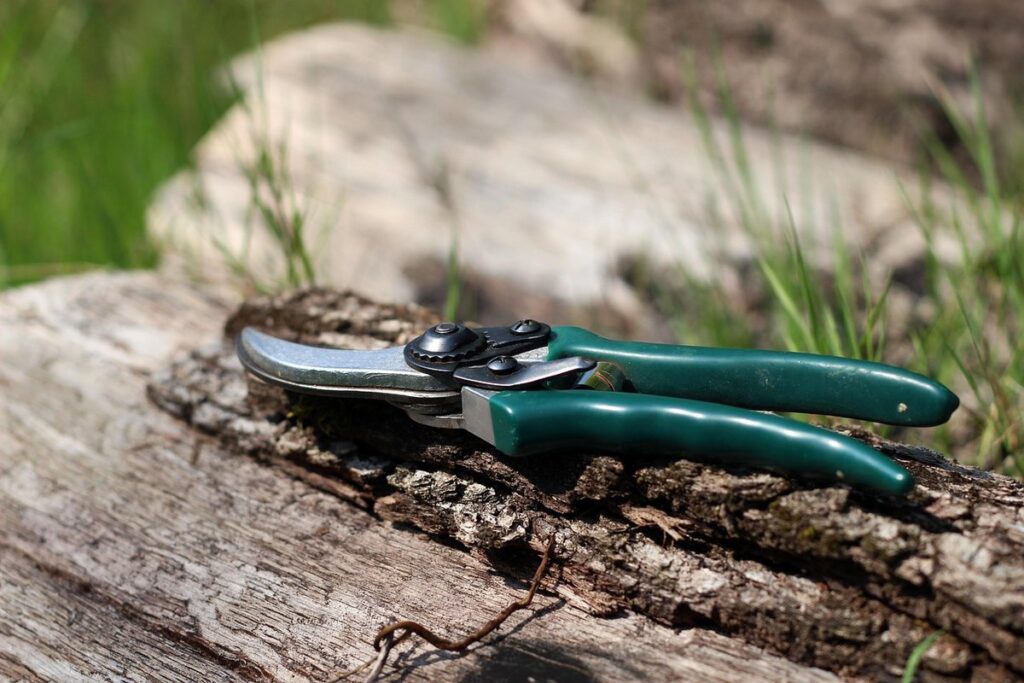
First, you’ll need a good pair of sharp pruning shears, also known as secateurs. Look for ones with long handles and curved blades, which allow for precise cuts without damaging the plant’s delicate tissue. A bypass pruner is ideal for cutting stems thicker than 1/2 inch in diameter, while an anvil pruner is better suited for thinner stems.
In addition to pruning shears, you’ll need a few other essential tools. These include a small, sharp knife or lopper for removing suckers and weak growth, as well as a long-handled cultivator or trowel for gently loosening soil around the plant’s roots. A soft-bristled brush is also handy for gently removing dirt and debris from the plant’s leaves and stems.
Some other optional but useful tools to consider include a pruning saw, which can come in handy when dealing with thicker branches, and a pair of gloves to protect your hands from thorns and sap.
Common Mistakes to Avoid During Pruning
When pruning indeterminate tomatoes, it’s easy to make mistakes that can negatively impact their growth and yield. One common mistake is over-pruning, which can stress the plant and lead to reduced fruit production. To avoid this, prune only what’s necessary to promote air circulation and encourage a strong, central leader.
Another mistake gardeners often make is pruning too early in the season, when the plants are still developing their root systems. This can cause shock to the plant and delay its growth. Instead, wait until the plants have at least two sets of true leaves before starting your pruning regimen.
It’s also important not to prune off all of a tomato’s suckers at once. Removing too many branches can expose the fruit to disease and make the plant more susceptible to pests. Prune suckers individually as they appear, or remove no more than one-third of the total branches on the plant in any given pruning session.
By being mindful of these common mistakes, you’ll be well on your way to successfully pruning your indeterminate tomatoes for optimal growth and yield.
Techniques for Pruning Indeterminate Tomatoes
Now that we’ve covered the basics, it’s time to dive into some specific techniques for pruning indeterminate tomatoes to ensure a bountiful harvest and healthy plants.
The Basics of Pruning: Removing Suckers and Weak Growth
Removing suckers and weak growth from indeterminate tomato plants is a crucial step in maintaining their overall health and promoting fruit production. To start, identify the suckers by looking for shoots that grow between the main stem and the branches or around the base of the plant. These can be removed at any time, but it’s best to do so when they’re small to avoid damaging the surrounding tissue.
When removing a sucker, make sure to cut it as close to the main stem as possible using a clean, sharp tool. This will help prevent any potential disease from spreading to other parts of the plant. Next, inspect your indeterminate tomato for weak growth, which can be identified by thin, spindly stems or leaves that are discolored or wilted.
Remove these areas by cutting them back to the first set of true leaves or a sturdy branch. This will allow the plant to redirect its energy towards producing fruit rather than supporting weak growth.
How to Trim the Top of Your Tomato Plant
Trimming the top of your indeterminate tomato plant is an essential technique to promote healthy growth and encourage more fruit production. This process is called “tip pruning” and should be done when the plant has reached a height of about 2-3 feet, usually around 30-40 days after transplanting.
When to trim: Look for the first set of true leaves that grow directly from the stem. These leaves will form the framework of your tomato plant’s growth habit. Trim just above these sets of leaves, using scissors or pruning shears to make a clean cut at a 45-degree angle. This allows the plant to focus its energy on producing more fruiting branches.
Tips for promoting healthy growth:
* Remove any weak or spindly growths
* Cut back the tips of the stems by about half to encourage branching
* Prune out any suckers that grow between the main stem and a branch
By trimming the top of your indeterminate tomato plant regularly, you’ll be rewarded with a more productive and robust plant that’s better equipped to withstand disease and pests.
Encouraging Bushy Growth: Pruning Techniques for Indeterminate Tomatoes
Indeterminate tomatoes are notorious for their sprawling growth habit, making it essential to prune them regularly to encourage bushy growth. One of the simplest and most effective techniques is “pinching.” This involves removing the top set of leaves on the plant’s main stem, usually just above a leaf node. By doing so, you’re directing the plant’s energy towards producing new shoots and fruiting branches rather than continuing its vertical growth.
Another technique for promoting bushy growth is “topping,” which involves cutting back the tips of the main stems to encourage branching. When topping, be sure to make the cut just above a node, as this will stimulate the production of new growth from that point. Both pinching and topping can help control the plant’s height while encouraging it to produce more fruiting branches.
By implementing these pruning techniques, you’ll not only keep your indeterminate tomatoes bushy but also increase their overall productivity.
Common Problems and Solutions
You’re likely to encounter a few common challenges when pruning indeterminate tomatoes, but don’t worry, we’ve got you covered. This section addresses some of these issues and shares practical solutions to get you back on track.
How to Address Leggy Growth in Indeterminate Tomatoes
Leggy growth is a common issue that can arise in indeterminate tomatoes, particularly if they’re not receiving enough support or pruning. This occurs when the plant focuses its energy on producing long stems rather than fruiting branches. As a result, the plant appears leggy and unbalanced, leading to reduced yields.
To address leggy growth, prune your tomato plants more aggressively. Remove any weak or spindly growth from the base of the plant, cutting it back to about 6-8 inches above the ground. This encourages the plant to produce new, stronger stems that will support fruiting branches. For existing leggy growth, simply trim off the top 1/3 to 1/2 of the stem, making a fresh cut just above a node (where a leaf meets the stem). This will help redirect the plant’s energy towards producing more balanced and fruitful growth.
Regular pruning will also encourage bushy growth and prevent further legginess. Make sure to inspect your plants regularly, addressing any potential issues before they become major problems.
Managing Disease-Prone Areas with Pruning
Pruning can be a game-changer for managing disease-prone areas on indeterminate tomato plants. When left unchecked, disease-prone spots can spread quickly and compromise the entire plant’s health. By pruning these areas, you’re not only removing infected tissue but also preventing the disease from jumping to other parts of the plant.
One common area where diseases tend to take hold is at the base of the plant, near the soil. Fungal pathogens like early blight and septoria leaf spot thrive in moist environments, making this a prime target for pruning. To tackle these areas, use clean, sharp pruners to cut away any infected leaves or stems within 6-8 inches of the soil line.
When pruning disease-prone areas, it’s essential to remove all affected tissue to prevent reinfection. Be sure to disinfect your tools between cuts and dispose of removed plant material to prevent spreading the disease further. By implementing this simple yet effective technique, you can significantly reduce the risk of disease spread on your indeterminate tomato plants. Regular pruning will help maintain a healthy balance between promoting growth and preventing disease.
Pest Control Methods That Work Hand-in-Hand with Pruning
When it comes to growing indeterminate tomatoes, one of the biggest challenges is dealing with pests that target these plants. Common culprits include hornworms, aphids, and whiteflies, which can quickly get out of control if not managed properly. Pruning your indeterminate tomato plants can be a valuable tool in this fight, but it’s often more effective when combined with other pest control methods.
For example, pruning can help prevent the spread of pests like hornworms by removing infested leaves and stems, reducing the risk of them spreading to other parts of the plant. It can also improve air circulation, making it harder for pests like whiteflies to thrive. In combination with techniques like hand-picking, introducing beneficial insects, or using neem oil, pruning can be a powerful strategy in managing pest populations.
To use pruning effectively as part of your pest control plan, focus on removing any weak or damaged growth that’s more likely to attract pests. Remove lower leaves to reduce moisture retention and prevent fungal diseases that can make plants more vulnerable to infestation. By combining these methods, you’ll be well-equipped to keep your indeterminate tomato plants healthy and thriving all season long.
Maintaining Healthy Plants Post-Pruning
Now that you’ve pruned your indeterminate tomatoes, it’s time to focus on their recovery and growth. This next step ensures they stay healthy and productive throughout the season.
Tips for Encouraging New Growth After Pruning
After pruning your indeterminate tomatoes, it’s essential to encourage new growth to prevent them from becoming leggy and promote healthy fruit production. To achieve this, make sure to provide your plants with adequate light. Indeterminate tomatoes require full sun to produce well, so ensure they receive at least 6 hours of direct sunlight per day.
Next, focus on delivering the right nutrients. Pruning can stress your plants, making them more vulnerable to nutrient deficiencies. Consider using a balanced fertilizer (10-10-10 NPK) and follow the manufacturer’s instructions for application rates. You can also side-dress with a high-phosphorus fertilizer (10-20-10 NPK) to promote root growth and fruit development.
Maintain consistent moisture levels, as this will help your plants recover from pruning more quickly. Aim for about 1 inch of water per week, either through rainfall or irrigation. Monitor your plants closely, and adjust your care routine as needed to ensure they receive the right conditions for optimal growth. With proper care, you’ll be enjoying a bountiful harvest in no time.
Common Challenges to Expect After Pruning Your Tomatoes
After pruning your indeterminate tomatoes, you may encounter some common challenges that can affect their growth and productivity. One of the most notable issues is a temporary reduction in fruiting. This is because pruning stimulates new growth, which takes time to produce flowers and fruits.
Another challenge you might face is an increased susceptibility to pests and diseases. Pruning can expose the plant’s inner tissues, making it more vulnerable to attacks. To overcome this, ensure your tools are clean and disinfected before use, and consider using organic pest control methods or fungicides if necessary.
It’s also not uncommon for indeterminate tomatoes to experience a brief period of stress after pruning. This can cause the plant to drop some leaves or develop yellowing tips. To mitigate this, provide your plants with plenty of water and nutrients during this time, and make sure they receive adequate sunlight.
In most cases, these challenges are temporary and resolve on their own as the plant recovers from pruning. With proper care and attention, you can help your indeterminate tomatoes bounce back quickly and continue producing a bountiful harvest.
Monitoring Progress and Adjusting Your Pruning Strategy
Monitoring progress and adjusting your pruning strategy is crucial for optimal growth and productivity of indeterminate tomatoes. After pruning, keep a close eye on your plants’ development, looking out for signs that your approach may need tweaking.
Check the overall plant height, fruit production, and leaf density regularly. If you notice the plant growing too tall or producing less fruit than expected, it might be time to reassess your pruning schedule. Conversely, if the plant is thriving with plenty of growth and fruit, consider maintaining a more relaxed pruning routine.
For instance, if you’re using the “topping” method to control height, monitor the new growth emerging from the top cuts. If this growth becomes too vigorous or starts producing weak stems, it may be necessary to adjust your topping frequency or switch to another technique altogether.
Keep in mind that every plant is different, and what works for one indeterminate tomato might not work for another. By staying vigilant and adapting your pruning strategy as needed, you’ll optimize the health and productivity of your plants, maximizing your harvest yields.
Frequently Asked Questions
What if I accidentally cut a healthy stem while pruning my indeterminate tomatoes?
Don’t panic! If you inadvertently prune a vital stem, simply leave the plant alone for a few days to allow it to recover. Monitor your tomato’s response and adjust your pruning schedule accordingly. Pruning techniques can be trial-and-error; observe your plants’ reactions and adapt your approach as needed.
How often should I prune my indeterminate tomatoes during their growing season?
Prune your indeterminate tomatoes regularly, ideally every 7-10 days, to promote healthy growth and encourage bushy development. This frequency will allow you to maintain a balanced plant structure while preventing over-pruning, which can lead to reduced yields.
Can I use the same pruning techniques for both indeterminate and determinate tomato varieties?
No, due to their unique characteristics, indeterminate and determinate tomatoes require distinct pruning approaches. Indeterminate varieties need regular pruning to control their vining habit and promote fruiting, whereas determinate plants require less frequent pruning as they produce a single harvest.
What are some common signs of over-pruning in indeterminate tomato plants?
Over-pruning can be identified by weakened plant growth, reduced fruit production, or an increased risk of disease. Be cautious not to remove too much foliage, as this can stress the plant and make it more susceptible to pests and diseases. Keep a balanced approach to pruning for optimal results.
Can I use gardening scissors or shears for pruning indeterminate tomatoes?
While gardening scissors or shears can be used for smaller branches, they may not be effective for thicker stems or more extensive pruning tasks. Consider investing in loppers or a pruning saw to efficiently trim larger growths and maintain your tomato plants’ overall health.