
Summer is in full swing, and if you’re like many peach tree owners, you might be wondering how to keep your beloved trees thriving. Pruning is an essential task for any fruit-bearing tree, but it’s especially crucial during the summer months when your peach tree is actively growing and producing new leaves and flowers. If you prune incorrectly or at the wrong time, you can actually stunt your tree’s growth and reduce its ability to produce delicious peaches. In this comprehensive guide, we’ll walk you through the best practices for pruning your peach trees in the summer, so you can promote healthy growth, maximize fruit production, and enjoy a bountiful harvest all season long.
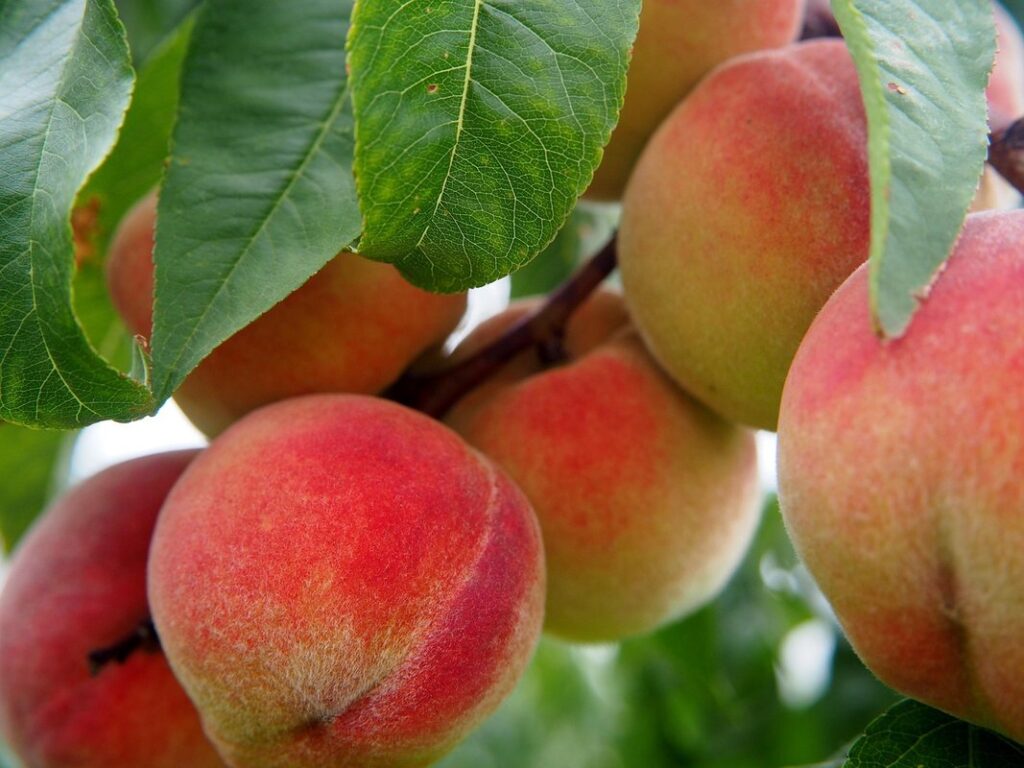
Importance of Pruning Peach Trees
Proper pruning is essential for peach tree health, and summer is the ideal time to prune your trees to ensure a bountiful harvest next year. Let’s dive into why pruning in summer makes all the difference!
When to Prune Peach Trees in Summer
When it comes to pruning peach trees during summer, timing is everything. While it’s natural to assume that peach tree pruning is a springtime activity, the truth is that summer pruning is just as crucial for optimal growth and fruit production.
In most regions, summer pruning typically takes place between June and August, depending on your location and climate. The key is to prune when the temperatures are moderate, usually around 65°F to 75°F (18°C to 24°C). This allows you to remove any diseased or damaged branches without shocking the tree with extreme heat.
During this period, focus on reducing water stress by pruning just a portion of the tree at a time. Prune about one-third of the new growth to encourage healthy development and prevent over-production of leaves. By doing so, you’ll also help the tree direct its energy towards ripening existing fruit rather than producing new growth.
Keep in mind that summer pruning is not suitable for young peach trees (less than 2 years old) or those under stress from pests or diseases. Prune carefully to avoid causing unnecessary stress on your tree.
Reasons Why Summer Pruning is Necessary
Regular pruning is an essential aspect of maintaining healthy peach trees. One key reason why summer pruning is crucial for peach trees lies in its ability to prevent diseases and pests from taking hold. When peach trees are not pruned, dead wood and branches can accumulate, creating a perfect environment for fungal diseases like powdery mildew or scab to develop.
By removing diseased or damaged branches during the summer months, you’re reducing the risk of these pathogens spreading throughout the tree. Additionally, pruning encourages air circulation, which further deters disease growth. Moreover, when branches are pruned, it’s easier for gardeners to inspect the tree for signs of pests like aphids or spider mites.
Pruning in summer also promotes a balanced and structured canopy, allowing sunlight to penetrate deeper into the tree’s foliage. This not only improves photosynthesis but also reduces stress on the tree. Furthermore, removing dead wood during the growing season encourages new growth, leading to more productive fruiting branches come harvest time.
Understanding Peach Tree Growth Cycles
To fully grasp how and when to prune your peach tree, it’s essential to understand its growth cycles and how summer pruning fits into the overall picture. Let’s break down the key stages of a peach tree’s annual growth pattern.
How Peach Trees Grow and Develop
Peach trees grow and develop in a unique pattern that’s influenced by factors like climate, soil quality, and pruning techniques. Understanding these growth patterns is crucial for making informed pruning decisions during the summer months.
Here are the key milestones to look out for:
* Year 1-2: Peach trees typically take one to two years to establish themselves after planting. During this time, they focus on developing a strong root system and growing their first set of leaves.
* Year 2-3: As the tree grows taller, it begins to produce its first flowers and fruit. However, these early crops are often smaller in size and lower in quality compared to subsequent harvests.
* Year 4+: Peach trees typically reach their full production potential between four to seven years after planting. This is when they start producing larger, more consistent yields.
As peach trees grow, they also develop distinct growth patterns that impact pruning decisions. For example:
* Growth tips: New shoots emerge from the terminal end of branches, growing rapidly during spring and summer.
* Lateral growth: Peach trees tend to produce lateral shoots, which can become a significant part of the tree’s overall structure over time.
* Fruiting wood: The portion of the tree that produces fruit is called the “fruiting wood.” This area typically grows larger with each passing year and should be prioritized during pruning.
By understanding how peach trees grow and develop, you can make more informed decisions about when to prune and how to shape your trees for optimal health and productivity.
Identifying Pruning Targets on Peach Trees
When pruning peach trees in summer, it’s essential to identify the right branches for removal. This involves evaluating factors such as fruit production, growth direction, and branch health.
Start by examining the tree’s fruiting wood, which is responsible for producing next year’s crop. Identify any weak or spindly shoots that are competing with stronger branches for resources. Remove these shoots to promote healthy growth and prevent over-crowding of the canopy. Look for branches growing inwards towards the center of the tree; these should be removed to improve air circulation and sunlight penetration.
Evaluate branch health by checking for signs of disease, pests, or damage. Remove any diseased or damaged branches as soon as possible to prevent the spread of infection. Also, check for crossing or rubbing branches that can cause physical harm to the tree. By carefully selecting which branches to prune, you’ll be able to promote healthy growth and improve fruit production in your peach trees.
Preparing for Summer Pruning
Before you start pruning, it’s essential to gather all necessary tools and materials, as well as understand your tree’s specific needs and any potential challenges. Let’s get ready to prune!
Tools and Equipment Needed for Pruning
When it comes to pruning peach trees in summer, having the right tools and equipment is crucial for effective and safe pruning. Before you start, make sure you have the following essential items on hand.
Begin with a good pair of gloves to protect your hands from thorns and sap. Gardener’s gloves are ideal for this job, as they provide flexibility and grip. Next, invest in a pair of loppers that can handle thicker branches. Look for high-quality loppers with sharp blades and comfortable grips. A pruning saw is also necessary for cutting larger branches.
For pruning larger branches or stems, you’ll need a pruning saw with a curved blade. This will make it easier to cut through thicker wood without damaging the surrounding bark. Don’t forget to have a sharpener on hand to keep your pruning tools in top condition. Finally, consider investing in a sturdy ladder or step stool to ensure safe access to higher branches.
Having these essential tools and equipment will not only make the pruning process safer but also more efficient. Remember to always clean and disinfect your tools after each use to prevent the spread of diseases.
Safety Precautions for Pruning Peach Trees
When pruning peach trees in summer, it’s essential to take safety precautions seriously. Pruning can be physically demanding, especially when working with sharp tools and navigating the tree’s branches.
Before you start, make sure you’re wearing protective gear such as gloves, long sleeves, and sturdy shoes. A pair of durable gardening kneepads will also help prevent injuries from falling or slipping. Ensure your vision is clear by avoiding loose hair ties, sunglasses, or any other objects that may obstruct your view.
When using pruning tools, always keep a first-aid kit nearby in case of accidents. Keep the blades sharp and clean to avoid accidental cuts or tears. Never prune over your head or near power lines. If you need to reach high branches, consider investing in a sturdy ladder or step stool with a wide base for stability.
Lastly, be aware of your body’s limitations and take regular breaks to stay hydrated and energized throughout the pruning process. This will help prevent fatigue-related accidents and ensure a safe, efficient pruning experience.
Basic Pruning Techniques for Summer
When pruning peach trees during summer, it’s essential to focus on removing deadwood and promoting air circulation. This section will walk you through basic techniques for achieving healthy growth.
Removing Dead, Diseased, or Damaged Branches
When it comes to pruning peach trees, removing dead, diseased, or damaged branches is an essential step that can’t be overlooked. These types of branches not only affect the tree’s appearance but also its overall health and fruit production. In fact, research has shown that removing diseased branches can reduce the spread of disease by up to 90% (Source: University of California, Davis).
To identify dead or damaged branches, look for signs such as grayish-brown color, brittleness, or cracks in the bark. Diseased branches may have lesions, discoloration, or a slimy texture. Once you’ve identified these types of branches, use pruning shears or loppers to cut them off at the trunk or main branch, making sure to make clean cuts just above a growth node.
It’s also essential to remove any weak or crossing branches that may be rubbing against each other. This will help improve air circulation and reduce the risk of disease. By removing these types of branches, you’ll not only maintain your peach tree’s health but also encourage new growth and promote fruit production.
Shaping and Reducing Peach Tree Size
When it comes to pruning peach trees in summer, shaping and reducing their size is often necessary to promote healthy growth and maximize fruit production. To achieve this, you’ll want to use the right techniques to trim and prune your tree.
Start by removing any dead or diseased branches, as these can weaken the tree and create an entry point for pests and diseases. Use clean and sharp pruning tools to prevent spreading disease, and make cuts at a 45-degree angle just above a bud or lateral branch. This will help the tree heal quickly and direct its energy towards producing new growth.
Next, focus on reducing the size of your peach tree by cutting back overgrown branches and thinning out the center of the tree. Remove any suckers that are growing from the base of the trunk, as these can divert energy away from the rest of the tree. By following these steps, you’ll be able to shape your peach tree into a more manageable size while promoting healthy growth and fruit production. Remember to prune in small increments, checking on your tree regularly to ensure it’s responding well to pruning.
Advanced Pruning Techniques for Summer
Now that you’re equipped with the basics of pruning peach trees, it’s time to dive into more advanced techniques to optimize your tree’s growth and fruit production over the summer months.
Thinning Out Fruit Sets on Peach Trees
When it comes to thinning out fruit sets on peach trees, timing is crucial. The ideal time for thinning is when the fruit is between 1/4 and 1/2 inch in diameter. This allows you to identify which fruits are likely to be the largest and best quality, while also removing any that may be competing for resources.
To determine which fruits to remove, gently grasp each one, feeling for its position on the tree and how well it’s attached to the branch. Remove any fruit that is:
• Small or misshapen
• Growing in a way that could damage nearby branches or other fruit
• Not receiving adequate sunlight due to overcrowding
• Showing signs of disease or pests
By thinning out underperforming fruits, you’ll allow the remaining ones to grow larger and more evenly spaced. This not only improves tree health but also enhances fruit quality, making for a more bountiful harvest come autumn.
Pollarding or Top-Working Peach Trees
When it comes to pruning peach trees in summer, more experienced gardeners may consider advanced techniques like pollarding or top-working. Pollarding involves cutting back the branches of a mature tree to a certain height, typically around 3-4 feet from the ground, to encourage new growth and promote fruiting.
This method can be beneficial for older trees that have become overgrown or unproductive, as it allows you to control their size and shape while stimulating new fruiting wood. However, pollarding requires regular maintenance, including annual pruning sessions, to maintain its desired form and promote healthy growth.
Top-working involves grafting a new variety onto an existing rootstock, allowing you to introduce desirable traits like disease resistance or improved flavor without replacing the entire tree. This method is particularly useful for gardeners who want to benefit from the characteristics of a specific peach variety without sacrificing the existing tree’s vigor.
To successfully pollard or top-work your peach trees, it’s essential to choose the right tools and follow proper pruning techniques to avoid damaging the tree’s bark or creating unnecessary stress.
Caring for Your Pruned Peach Tree
Now that you’ve pruned your peach tree, it’s essential to provide the right care to help it recover and thrive. This means regular watering, mulching, and monitoring for pests and diseases.
Post-Pruning Care and Maintenance Tips
After pruning your peach tree, it’s crucial to provide the right conditions for it to recover and thrive. This is where post-pruning care comes into play.
Watering is essential during this period. Peach trees need about 1-2 inches of water per week, either from rainfall or irrigation. If you’re unsure whether your tree needs watering, check the soil by inserting a finger into the soil up to the knuckle. If it feels dry, give it a good soak. Avoid overwatering, as this can lead to disease and root rot.
Fertilizing should also be done after pruning, but wait for about 4-6 weeks. This allows the tree to focus on healing and growing new growth. Use a balanced fertilizer with nitrogen, phosphorus, and potassium, following the manufacturer’s instructions.
Mulching is another vital step in post-pruning care. Apply a 2-inch layer of organic mulch around the base of the tree, keeping it a few inches away from the trunk. Mulch helps retain moisture, suppress weeds, and regulate soil temperature.
Common Mistakes to Avoid After Pruning Peach Trees
When pruning peach trees in summer, it’s essential to be mindful of common mistakes that can hinder the tree’s recovery and even lead to further issues. One of the most critical errors is over-pruning, which can cause stress to the tree and make it more susceptible to disease and pests.
Cutting back too much of the tree’s foliage can also have detrimental effects, as peach trees need a certain amount of leaves to photosynthesize and produce fruit. Make sure to remove only the necessary branches to maintain the tree’s shape and promote air circulation.
Another mistake is not leaving enough growth points on the tree. Peach trees typically require 12-18 inches of new growth each season to produce a full crop, so be sure to leave at least two to three buds on each branch when pruning. This will help your peach tree recover quickly and maintain its fruiting potential.
Avoid making large cuts during the summer months, as this can expose the tree’s wounds to disease and pests. Instead, make clean, angled cuts just above a bud or lateral branch to minimize damage and promote healing.
Conclusion
In conclusion, pruning your peach tree during the summer months can be a bit challenging due to its delicate nature. However, by following the guidelines outlined in this guide, you should be able to prune your peach tree effectively without causing any harm. Remember to always work with a clean and sharp tool to prevent the spread of diseases and promote healthy growth. With patience and attention to detail, you can enjoy a bountiful harvest from your peach tree come autumn.
It’s also essential to note that pruning is an ongoing process, not a one-time task. Regular maintenance will ensure the continued health and productivity of your tree. By incorporating these techniques into your routine, you’ll be well on your way to becoming a skilled arborist, capable of coaxing even more from your peach tree.
Frequently Asked Questions
What are the long-term benefits of pruning my peach tree during summer?
Regular summer pruning will promote healthy growth, increase fruit production, and help maintain your tree’s overall shape and structure. By regularly removing diseased or damaged branches, you’ll reduce the risk of disease spread and encourage new growth.
Can I prune my peach tree if it’s heavily laden with fruit?
While it’s tempting to leave the fruit on the tree, pruning while it’s laden can actually cause damage to the branches and reduce next year’s harvest. Consider thinning out some of the fruit sets during summer pruning to promote even ripening and prevent over-burdening.
What if I’ve never pruned a peach tree before – where do I start?
Begin by removing any dead, diseased, or damaged branches, as these can compromise your tree’s overall health. Then, focus on shaping the tree’s structure and reducing its size to promote air circulation and sunlight penetration. Don’t worry if it takes practice – with time and patience, you’ll become more comfortable pruning your peach tree.
How often should I inspect my peach tree for signs of pests or diseases after summer pruning?
Regular inspections are crucial to catch any issues early on. Set aside time each week (ideally during peak growing seasons) to check for signs of pests or diseases like aphids, spider mites, powdery mildew, or brown rot. Addressing these problems promptly will help prevent further damage.
What’s the best way to care for my peach tree after summer pruning?
Keep your tree consistently watered and fertilized, as it will require extra nutrients to support new growth. Mulch around the base to retain moisture and suppress weeds. Regularly inspect your tree for signs of stress or disease, making adjustments as needed to ensure optimal health.