
As a gardener, you’re likely no stranger to the delicate dance between planting and nurturing your beloved tomato seedlings. But did you know that transplanting them at just the right time is crucial for a bountiful harvest? The timing of this process depends on various factors such as climate, region, and soil temperature – getting it wrong can mean disaster for your crop. In this article, we’ll guide you through determining the perfect time to transplant your tomato seedlings, covering essential tips on hardening off, acclimation, and aftercare. We’ll delve into expert advice on recognizing ideal conditions, avoiding shock, and setting your plants up for success. Whether you’re a seasoned gardener or just starting out, this post aims to equip you with the knowledge to give your tomatoes the best chance at thriving.
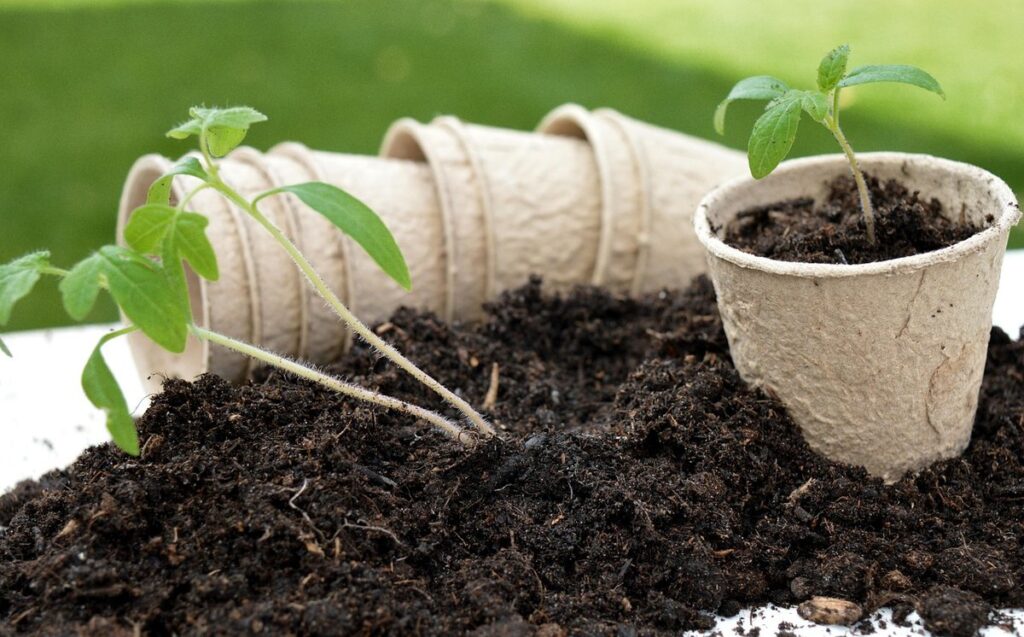
Understanding Tomato Growth Stages
To properly time your tomato transplant, it’s essential to understand the different growth stages of tomatoes, from seedling to maturity. Let’s take a closer look at each stage.
Germination and Seedling Development
When you sow tomato seeds indoors 6-8 weeks before the last frost date, they undergo two critical stages: germination and seedling development. These periods are crucial for a healthy transplant, as a weak or leggy seedling can lead to poor performance after being transplanted into the garden.
Germination typically occurs within 7-10 days of sowing, where seeds absorb water, swell, and crack their shells to emerge with a small root called a radicle. This stage is influenced by factors like temperature (between 70°F to 80°F) and moisture levels. A consistent warmth and adequate moisture encourage fast germination.
As seedlings develop, they require more light to undergo photosynthesis and grow stronger stems. Seedling development usually takes around 2-3 weeks after germination. During this time, seedlings need indirect sunlight or supplemental lighting to avoid etiolation (stretching towards the light).
Adequate air circulation and maintaining optimal temperatures (around 65°F to 70°F) between 12°C to 15°C during the day and no lower than 5°C at night also help prevent fungal diseases. Transplant seedlings too early, when they’re still weak or fragile, can be detrimental, so wait until the second set of leaves appears before moving them outside.
Seedling Age and Transplant Readiness
When it comes to transplanting tomato seedlings, determining their readiness is crucial for successful growth. A seedling that’s too young may not have developed enough roots to support its leaves, leading to stunted growth or even death. On the other hand, waiting too long can cause the seedling to become leggy and less adaptable to outdoor conditions.
Look for these signs of transplant readiness: a sturdy stem with at least two sets of true leaves, roots that have filled the container, and a balance between leaf growth and root development. If your seedlings are showing signs of stress, such as yellowing leaves or droopy stems, it’s best to delay transplanting.
Transplanting too early can also lead to fungal diseases and pests, which thrive in moist environments. To avoid this, make sure the soil is dry enough to be workable before transplanting. This usually occurs when the top 1-2 inches of soil feel dry to the touch. Transplanting at the right time will give your seedlings a strong start, setting them up for healthy growth and a bountiful harvest.
Calculating Optimal Transplant Timing
When it comes to transplanting tomato seedlings, timing is everything. This section will walk you through a step-by-step process for calculating optimal transplant timing for your specific climate and region.
Climate and Region-Specific Factors
When it comes to calculating optimal transplant timing for tomatoes, climate and region-specific factors play a crucial role. As a tomato grower, you need to consider the local weather patterns and temperature fluctuations that can impact your plants’ growth.
In general, warm-season crops like tomatoes thrive in temperatures between 65°F and 85°F (18°C and 30°C). However, this range varies depending on the region. For example, in cooler climates like the Pacific Northwest, it’s essential to wait until late spring or early summer when the soil has warmed up to at least 55°F (13°C).
In contrast, warmer regions like California or Florida can transplant tomatoes as soon as the last frost date has passed, and the soil temperature reaches 60°F (15°C). Be mindful of extreme heatwaves or cold snaps that can damage your plants.
To determine optimal transplant timing in your area, check local weather forecasts and consider factors such as frost dates, temperature ranges, and precipitation patterns. This will ensure you’re giving your tomato seedlings the best chance to thrive in their new environment.
Soil Temperature and Moisture Considerations
When transplanting tomato seedlings, soil temperature and moisture levels play a crucial role in determining their success. Soil temperature is essential for seedling growth, as it affects the rate at which roots develop and plants absorb nutrients.
Soil temperature should be above 55°F (13°C) for optimal germination and root development. Below this temperature, tomato seeds may not germinate properly or grow slowly. In contrast, temperatures above 70°F (21°C) can lead to overactive growth, making seedlings more susceptible to pests and diseases.
Moisture levels also impact transplant timing. Consistent moisture is necessary for young roots to absorb water and nutrients from the soil. Avoid transplanting during periods of drought or excessive rainfall, as this can cause stress and weaken seedlings. Check the top 6-8 inches of soil moisture by inserting your finger into it – if it feels dry, wait a day or two before transplating.
If you must transplant in cooler weather, consider providing additional care such as row covers to regulate soil temperature and prevent damage from frost.
Choosing the Right Time for Transplanting
When transplanting tomatoes, timing is everything. In this crucial part of our guide, we’ll help you determine when to move your seedlings outdoors for optimal growth and success.
Spring vs. Fall Transplants
When it comes to transplanting tomatoes, timing is everything. While many gardeners assume that spring and fall are the best times for transplanting, there are advantages and disadvantages to consider depending on your region’s climate and frost dates.
In general, spring transplants (late March to early May) offer a head start on the growing season, allowing seedlings to mature before the heat of summer sets in. This can be beneficial in regions with short growing seasons or where temperatures often soar above 80°F (27°C). However, spring transplants may also face challenges such as extreme weather conditions, pests, and diseases that can impact yields.
Fall transplants (late August to early October), on the other hand, provide a chance for tomatoes to mature during cooler temperatures, which can reduce stress and promote healthier growth. This option is ideal in regions with mild winters or where frost dates are relatively late. By transplanting in the fall, you’ll also avoid the intense summer heat that can lead to sunscald and other issues.
Consider your regional climate and frost dates when deciding between spring and fall transplants. If you live in an area with unpredictable weather patterns, it’s essential to wait until the last frost date has passed before transplanting in the spring or early fall. Conversely, if you’re located in a region with a long growing season and moderate temperatures, you may be able to successfully transplant both in the spring and fall.
It’s also worth noting that some tomato varieties are specifically bred for either spring or fall production, so choose cultivars that suit your climate and transplant timing. By carefully considering these factors, you’ll set yourself up for success with a bountiful harvest of delicious homegrown tomatoes.
Late Summer or Early Winter Transplants
If you’re considering transplanting tomatoes in late summer or early winter, it’s essential to weigh the pros and cons. While these periods can be challenging for tomato plants, they can also provide a unique opportunity for growth.
In regions with mild winters, late summer transplanting might not be a bad idea. The soil temperature remains relatively warm, often above 60°F (15°C), which is suitable for root development. However, you’ll need to be mindful of potential frost damage and select varieties resistant to cold temperatures.
Early winter transplanting can work well in areas with long growing seasons or protected environments like greenhouses. You’ll want to choose heat-tolerant and disease-resistant varieties. To increase the chances of success, monitor soil temperature closely, aiming for a minimum of 55°F (13°C) before transplanting. In addition, keep an eye out for pests that thrive in cooler conditions, such as aphids and whiteflies. With proper care and attention, late summer or early winter transplants can still produce a bountiful harvest.
Preparing Seedlings for Transplant
Before you can transplant your seedlings, they need to be hardy and ready for the outdoors, which is where proper preparation comes in. This includes hardening off and acclimating them to direct sunlight.
Hardening Off and Acclimation
Before transplanting your seedlings into their final outdoor spot, it’s essential to harden them off and acclimate them to the outdoors. This process helps prevent shock and ensures a smooth transition.
To start hardening off your tomato seedlings, begin by moving them from a shaded indoor area to a partially shaded outdoor location for 1-2 hours a day. Gradually increase their exposure over the next week or two, but avoid direct sunlight during peak hours (usually between 11 am and 3 pm). For example, if you’ve been hardening off your seedlings in a spot that receives filtered shade, move them to full sun for 4-6 hours a day.
As you acclimate your seedlings to outdoor conditions, keep an eye out for signs of stress. Look for droopy or wilted leaves, and ensure they’re receiving adequate moisture and nutrients. If necessary, bring the seedlings back indoors for a few days before resuming hardening off. By following this gradual process, you’ll be able to acclimate your tomato seedlings to the outdoors without causing undue stress, setting them up for successful transplanting and a bountiful harvest.
Soil Preparation and Fertilization
Before transplanting your seedlings into larger containers or directly into the garden, it’s essential to prepare the soil. This step is often overlooked but is crucial for the health and productivity of your tomato plants.
Firstly, consider the pH level of your soil. Tomatoes prefer a slightly acidic to neutral soil pH, ranging from 6.0 to 7.0. If your soil is too alkaline or acidic, it may affect nutrient availability and root growth. Test your soil pH and amend it if necessary with lime or sulfur.
When preparing the soil for transplanting, also consider pest management. Check for signs of pests like nematodes, whiteflies, or aphids, which can damage tomato roots or leaves. Use organic methods to control infestations, such as introducing beneficial insects or using neem oil.
Lastly, ensure that your soil has adequate nutrient availability for the transplanting process. Tomatoes are heavy feeders and require a balanced fertilizer mix. You can either use commercial fertilizers or create a homemade compost tea to provide essential nutrients to your plants.
Common Mistakes to Avoid
Don’t let a misstep ruin your tomato harvest. Here, we’ll highlight key mistakes to watch out for when transplanting tomatoes and how to avoid them altogether.
Under- or Over-Transplanting
When transplanting tomato seedlings, it’s easy to get carried away and either under-transplant or over-transplant them. Both scenarios can have negative consequences on the plant’s growth and ultimately affect your harvest.
Under-transplanting occurs when you wait too long to transfer seedlings into larger containers or directly into the garden bed. This can lead to delayed growth, stunted plants, and reduced fruit production. For instance, if you start tomatoes indoors 6-8 weeks before the last frost date, but don’t transplant them into larger pots until they’re already crowded and leggy, their development will be hindered.
Over-transplanting, on the other hand, can cause shock to the plant, making it more susceptible to disease and pests. When seedlings are transplanted too early or into soil that’s too cold or dry, their roots struggle to establish themselves, leading to reduced yields. To avoid this, make sure to harden off your seedlings 7-10 days before transplanting them outside, and choose a spot with well-draining soil and full sun.
In terms of timing, a general rule of thumb is to wait until the seedling’s second set of true leaves has appeared before transplanting. This usually occurs when the plant has at least two sets of leaves beyond its initial cotyledons. Transplant them when they’re 2-3 inches taller than their pot or into individual cells that provide enough space for roots to develop.
Inadequate Aftercare
Proper aftercare is just as crucial as timing when it comes to transplanting tomatoes. Neglecting these essential tasks can lead to weak and unproductive plants, ultimately affecting the quality and yield of your harvest.
Watering is a critical aspect of tomato care. Transplanted seedlings require consistent moisture, especially during their first few weeks after transplantation. Aim to water them gently but thoroughly, taking care not to overwater or underwater. A good rule of thumb is to check the soil daily, ensuring it remains damp but not soggy.
Pruning is another vital aspect of tomato plant care. Regular pruning encourages bushy growth and prevents diseases from spreading. Remove lower leaves that are prone to fungal infections and trim any weak or spindly growth. This will help direct the plant’s energy towards producing healthy fruit.
Effective pest management is also essential for maintaining a thriving tomato crop. Inspect your plants regularly, looking out for common pests like aphids, whiteflies, and hornworms. Use organic control methods whenever possible, such as introducing beneficial insects or spraying with neem oil.
Conclusion and Final Tips
In conclusion, timing is everything when it comes to transplanting tomato seedlings. By following the guidelines outlined in this comprehensive guide, you’ll be well on your way to successfully transplanting your tomatoes at the right time. Remember to wait until the seedlings have 2-3 sets of leaves and are around 6-8 inches tall before moving them outside. This will give them a chance to adjust to the outdoor environment without shocking them with extreme temperatures or sunlight.
To further ensure success, make sure to harden off your tomato seedlings 7-10 days prior to transplanting by gradually exposing them to outdoor conditions. Start with short periods of direct sunlight and gradually increase the duration over several days. With a little planning and patience, you’ll be enjoying a bountiful harvest in no time!
Frequently Asked Questions
What if I’m unsure about the soil temperature and moisture conditions for my area?
Check with your local nursery or extension office for specific guidance on soil temperature and moisture levels for your region. They can provide you with accurate information tailored to your climate and soil type.
Can I transplant tomatoes in areas with frequent rain or high humidity?
While it’s essential to avoid wateringlog the soil after transplanting, plants can still thrive in rainy conditions. However, make sure to harden off your seedlings before transplanting to prevent shock from sudden changes in weather.
How do I determine the ideal time for transplanting in areas with extreme temperature fluctuations?
Choose a time when temperatures are more stable, usually during spring or fall. Avoid transplanting during periods of intense heatwaves or cold snaps, as this can cause stress on your seedlings.
What if my tomatoes are already leggy and weak after 6-8 weeks of indoor growth?
Don’t worry – you can still salvage them! Prune the seedling back to about half its height to encourage new growth. This will help your tomato plant develop a stronger root system and increase its chances of success.
Can I use any type of soil for transplanting tomatoes, or are there specific requirements?
Opt for well-draining, fertile soil with a pH between 6.0 and 7.0. Avoid using garden soil that’s high in nitrogen, as this can promote weak growth and reduce fruit production.