
Are you tired of struggling with weeds, moisture issues, and crop damage in your raised beds? You’re not alone! Many gardeners face these challenges every growing season. But did you know that using the right lining option can make all the difference? Raised bed liners come in various materials, each with its own set of benefits and drawbacks.
From plastic to fabric liners, there’s a lot to consider when choosing the best one for your garden. Not only can the right liner improve crop yield and reduce maintenance, but it can also extend the life of your raised beds. In this article, we’ll explore the different types of raised bed liners available, their benefits, and how to select the perfect one for your gardening needs.
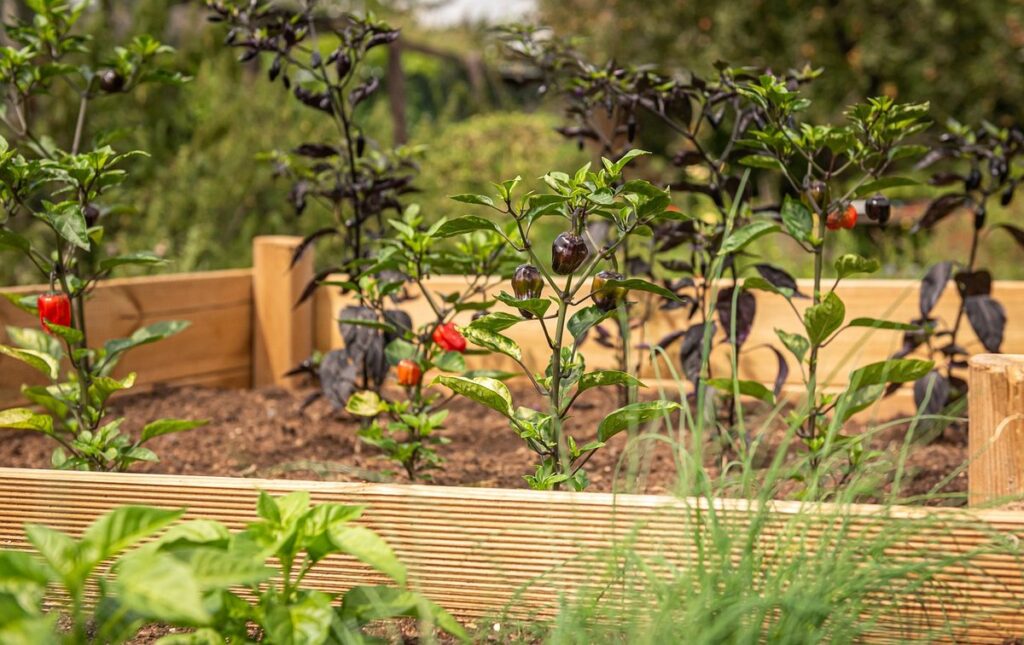
Benefits of Using a Liner in Your Raised Bed
By incorporating a liner into your raised bed, you can significantly improve drainage and prevent root rot, two common issues that can harm your plants. A good liner will also reduce soil washing away.
Reduces Soil Erosion and Leaching
Soil erosion and leaching are significant concerns for gardeners, as they can lead to nutrient depletion, reduced soil fertility, and increased water pollution. When you construct a raised bed without a liner, the risk of soil erosion increases due to factors like heavy rainfall, inadequate drainage, and poor soil structure. Water-soluble nutrients, such as nitrogen and potassium, are washed away with the soil, further exacerbating the issue.
Using a liner in your raised bed can significantly mitigate these problems. A durable liner creates a barrier between the soil and surrounding environment, preventing erosion and leaching. For example, a polyethylene liner can withstand harsh weather conditions and heavy water flow, ensuring that your topsoil remains intact. Moreover, by retaining nutrients within the bed, you’ll enjoy healthier plant growth and reduced fertilization needs.
Regularly inspecting and maintaining your raised bed’s liner is essential to prevent damage and ensure its effectiveness. Replace old liners as needed, and consider adding a protective layer of landscape fabric or aggregate to further stabilize the soil and reduce erosion risks. By taking these precautions, you can create a thriving, nutrient-rich garden ecosystem that requires less maintenance over time.
Easy Maintenance and Cleaning
One of the most significant benefits of using a raised bed liner is that it makes maintenance and cleaning easier. With a liner in place, you can quickly remove weeds and debris without having to dig into the soil, saving you time and effort.
A liner also acts as a barrier between your plants and potential pests, preventing them from entering the bed and causing damage. For example, if you have a raised bed with a liner made of durable plastic or metal, it will be difficult for slugs and snails to climb up and feed on your plants. Similarly, a liner can also prevent diseases from spreading from one plant to another.
In addition, liners are often designed with easy-draining materials that allow excess water to escape quickly, reducing the risk of waterlogged soil and root rot. By keeping your raised bed clean and dry, you’ll be creating an ideal environment for healthy plant growth, which ultimately leads to a bountiful harvest.
Improves Crop Yield and Quality
Using a liner in your raised bed can significantly improve crop yield and quality by providing a more consistent growing environment. Consistency is key when it comes to plant growth, and a liner helps maintain optimal moisture levels, temperature, and nutrient availability.
A liner also prevents waterlogging, which can be detrimental to plant roots. By preventing water from pooling at the bottom of the bed, you ensure that plants receive the right amount of water, rather than too much or too little. This consistency promotes healthy root growth, allowing plants to absorb necessary nutrients more efficiently.
As a result, you’ll notice improved crop quality and increased yields. For example, using a liner can lead to 20-30% increase in yield for certain vegetables like tomatoes and peppers. Moreover, the reduced risk of diseases and pests due to consistent growing conditions means less maintenance and fewer chemical interventions.
When choosing a liner, consider materials that breathe and allow for water drainage, such as recycled plastic or geotextiles. These options not only improve crop yield but also help reduce waste and promote sustainable gardening practices.
Types of Raised Bed Liners
When it comes to raised beds, choosing the right liner is crucial for optimal growth and ease of maintenance. Let’s explore some popular types of liners that suit different needs and preferences.
Plastic Lining Options (HDPE, PVC, etc.)
When it comes to plastic lining options for raised beds, there are several types available, each with their own set of benefits and drawbacks. One popular choice is High-Density Polyethylene (HDPE) liner. HDPE liners are durable, resistant to chemicals, and can withstand extreme temperatures. They’re also easy to clean and maintain, making them a great option for gardeners who want low-maintenance raised beds.
Another type of plastic liner is Polyvinyl Chloride (PVC) liner. PVC liners are more affordable than HDPE and are often used in DIY projects. However, they can be prone to cracking and may not withstand heavy use as well as HDPE.
Other types of plastic liners include Linear Low-Density Polyethylene (LLDPE) and Polypropylene (PP). LLDPE liners offer excellent resistance to chemicals and UV rays, while PP liners are known for their flexibility and ease of installation. When choosing a plastic liner, consider factors such as your garden’s climate, soil type, and desired level of maintenance.
It’s also essential to note that some manufacturers may use blends or combinations of these materials, which can affect performance and durability. Be sure to research the specific product you’re interested in to understand its unique characteristics and potential drawbacks.
Fabric Lining Options (Geotextile, Landscape Fabric, etc.)
When it comes to fabric lining options for raised beds, there are several choices available that can provide excellent benefits for your garden. Geotextile fabric is a popular option that offers good drainage and prevents weeds from growing through the soil. It’s often used as a base layer in raised bed construction, helping to prevent erosion and ensuring even water distribution.
Landscape fabric is another viable choice, designed specifically for suppressing weed growth while allowing air and water to pass through. This can be beneficial for gardeners who struggle with invasive species or want to minimize maintenance time.
While both geotextile and landscape fabrics are effective solutions, they have potential limitations when not properly used. For instance, if not cut correctly, these linings can create pockets that trap water and exacerbate moisture-related issues in the bed.
To get the most out of fabric lining options, ensure you choose the right type for your specific needs and follow the manufacturer’s recommendations for installation and maintenance. With proper use, these materials can greatly enhance your raised bed experience and help produce a healthy, thriving garden.
Wooden or Bamboo Lining Options
When it comes to raised bed liners, wooden and bamboo options are gaining popularity due to their eco-friendliness. Wooden liners, typically made from cedar or cypress, offer natural resistance to rot and insects, making them a durable choice. However, they can be prone to warping and may require occasional replacement.
Bamboo liners, on the other hand, are highly sustainable and resistant to pests and decay. They also have natural antimicrobial properties, which can help prevent soil-borne diseases. Bamboo is generally more cost-effective than wooden options and requires minimal maintenance.
Both wooden and bamboo liners can be used as a liner or integrated into the bed’s frame for added stability. To ensure longevity, it’s essential to apply a water-resistant coating to protect against moisture damage. When selecting either option, consider the climate and soil type in your area, as these factors can impact durability. By choosing eco-friendly wooden or bamboo liners, you’ll not only reduce waste but also create a healthier growing environment for your plants.
Materials to Avoid When Choosing a Raised Bed Liner
When choosing a raised bed liner, it’s essential to steer clear of materials that can harm your plants or compromise the structure of your garden beds. Some common offenders are surprisingly easy to avoid.
Unlined or Unglazed Concrete
When it comes to choosing a raised bed liner, there are several materials you’ll want to avoid, and unlined or unglazed concrete is one of them. While concrete may seem like a durable option for lining your raised beds, it can actually pose some significant risks to your plants and the environment.
For one thing, concrete can absorb and retain water, leading to uneven moisture levels in the soil. This can cause roots to rot, leaves to drop, and overall plant health to suffer. Additionally, unglazed concrete can leach chemicals into the soil, which can harm beneficial microorganisms and contaminate your crops.
Furthermore, unlined or unglazed concrete can also contribute to erosion and water pollution. When it rains, the water can wash away topsoil and nutrients, leading to sedimentation in nearby waterways. By using a raised bed liner made from a more suitable material – such as wood, metal, or recycled plastic – you can help prevent these issues and create a healthier growing environment for your plants.
If you’re set on using concrete, consider applying a glaze or sealant to minimize its risks. However, for most gardeners, it’s better to opt for a more eco-friendly liner that promotes healthy soil drainage and reduces the potential for chemical contamination.
Thin or Low-Quality Plastics
When it comes to choosing a raised bed liner, one of the most critical factors is selecting materials that can withstand the elements and provide long-lasting performance. Thin or low-quality plastics are a common mistake made by many gardeners, but they can lead to premature degradation and failure.
These types of liners often lack the necessary thickness and durability to handle extreme temperatures, heavy rainfall, and UV exposure. As a result, they may crack, warp, or disintegrate over time, compromising the integrity of your raised bed. For example, some gardeners have reported that their thin plastic liners began to degrade within just one growing season.
To avoid this issue, look for liners made from thick, durable materials such as heavy-duty polypropylene or polyethylene. These materials are designed to withstand harsh weather conditions and can provide years of reliable service. When shopping for a liner, check the thickness and material composition before making a purchase. A minimum thickness of 5-7 mils is recommended, but thicker options are even better. By choosing high-quality liners, you’ll be able to enjoy a successful growing season without worrying about your raised bed’s structural integrity.
Installation and Maintenance Tips
Once you’ve chosen your raised bed lining option, it’s essential to properly install and maintain it to ensure longevity and optimal performance. This involves following manufacturer instructions and scheduling regular inspections.
Measuring and Cutting the Liner
When it comes to installing a raised bed liner, measuring and cutting it correctly is crucial for a seamless fit. To ensure you get the right measurements, start by taking precise dimensions of your raised bed frame. Measure the length, width, and depth of each section, taking note of any corners or curves.
Next, lay out the liner material on a flat surface and use your measurements to mark the cutting lines with a ruler or straightedge. For irregularly shaped beds, you may need to break down the measurement into smaller sections. To minimize waste, consider using graph paper or a design software to visualize the cut pattern before making any cuts.
When cutting the liner, use a sharp utility knife or a specialized tool like a linoleum cutter. Apply gentle pressure and work slowly to avoid tearing the material. If you’re working with a large bed, consider enlisting help or dividing the task into manageable sections. Remember to leave some extra material for wrapping around any corners or edges. By following these steps, you’ll be able to achieve a precise fit that protects your raised bed garden from weeds and moisture damage.
Securing the Liner in Place
Securing your liner in place is crucial to prevent it from shifting, rippling, or getting damaged by wind or water. There are several methods you can use to anchor your raised bed liner, and we’ll explore the most common ones.
Using stakes is one of the simplest ways to secure your liner. You can insert them into the soil around the edges of the raised bed at regular intervals, making sure they’re spaced evenly apart. This method works particularly well for plastic liners, as they tend to be more flexible than other materials. To ensure a snug fit, drive the stakes in at an angle, so they press against the liner’s edge.
For heavier or more rigid liners, consider using weights instead of stakes. You can place them along the edges of the raised bed or even inside it, depending on the design and material of your liner. This method is ideal for areas with strong winds or heavy rainfall, as it provides extra stability to prevent damage.
Other anchoring systems, like anchor clips or tethers, can also be used to secure your liner in place. These are especially useful for larger raised beds or those with complex shapes. By using a combination of these methods, you can create a stable and long-lasting installation that will protect your plants from weeds and ensure optimal growth conditions.
Regular Maintenance and Inspections
Regular maintenance and inspections are crucial to ensure your raised bed liner remains effective over time. Just like any other component of your garden, a well-maintained liner will provide you with the best results. As the liner sits directly on the soil, it’s more prone to damage from weeds, roots, and weather conditions.
Check your liner regularly for signs of wear, such as cracks, tears, or holes. These openings can compromise the liner’s integrity, allowing water and nutrients to escape or unwanted pests to enter. Inspect the seams, especially around corners, where stress and flexing may cause damage.
To prevent this, inspect your raised bed at least once a month during the growing season. Use a garden fork to gently probe the soil, checking for any signs of liner failure. Address issues promptly by repairing or replacing damaged sections as needed. Regular maintenance will also help prevent pests from burrowing under the liner and causing damage to the surrounding plants.
Case Studies and Success Stories
Let’s take a look at how real gardeners have successfully used various raised bed lining options, including some surprising advantages they’ve discovered along the way.
Real-Life Examples of Successful Liner Installations
Let’s take a look at some real-life examples of successful raised bed liner installations. For instance, at Green Thumb Gardens in California, they installed a durable liner to prevent weeds from growing into their raised beds. The result was a significant reduction in maintenance time and an increase in crop yields.
Another example is from Garden Harvest in New York, where they used a permeable liner to improve soil drainage. This allowed them to grow more delicate plants that required better soil conditions. The garden saw a notable improvement in plant health and overall productivity.
In the UK, raised bed liners were installed at Oakwood Farm to prevent root damage and erosion. By using a reinforced liner, the farmers were able to maintain their raised beds with ease, even during heavy rainfall periods. These examples demonstrate how raised bed liners can be effectively used to enhance garden performance and reduce maintenance efforts.
Lessons Learned from Failed or Ineffective Liners
When choosing a liner for your raised bed, it’s essential to learn from others’ mistakes. Several case studies have highlighted common pitfalls that can lead to ineffective liners. One such example is the use of unlined or poorly constructed beds, which can result in wasted time and resources. A study by the National Gardening Association found that up to 30% of gardeners experience liner failure within the first year.
Another common mistake is choosing a liner based solely on its price rather than considering factors like durability, ease of installation, and compatibility with plants. For instance, some liners may be prone to cracking or splitting under extreme temperatures, while others might not provide sufficient UV protection for certain crops.
To avoid these mistakes, it’s crucial to research and understand the specific needs of your raised bed. Consider factors such as soil type, climate, and plant selection when selecting a liner. A good rule of thumb is to choose a liner made from high-quality, durable materials that can withstand various environmental conditions. Additionally, consult with experienced gardeners or experts in the field to ensure you’re making an informed decision.
By learning from others’ mistakes and taking a more informed approach, you can increase the chances of choosing an effective liner for your raised bed.
Conclusion
As we wrap up our comprehensive guide to raised bed lining options, let’s summarize the key takeaways and insights that can help you make an informed decision for your garden project.
Recap of Key Takeaways
When it comes to creating a thriving garden in your raised bed, the right lining option can make all the difference. To help you make an informed decision, we’ve covered some of the key points that will have you growing like a pro in no time.
We discussed how to assess your soil type and pH level to choose the best lining material for your needs. Whether you’re dealing with heavy clay or sandy soil, understanding these factors is crucial for optimal drainage and root growth. We also talked about the benefits of using permeable linings, such as improved water retention and reduced nutrient leaching.
In addition, we explored various lining materials, including recycled plastic, cedar wood, and fabric. Each has its unique advantages and disadvantages, from durability and cost-effectiveness to environmental impact and maintenance requirements. By weighing these factors against your garden’s specific needs, you can choose the perfect lining for a bountiful harvest.
Final Thoughts and Recommendations
As we conclude our comprehensive guide to raised bed lining options, it’s essential to emphasize the significance of incorporating liners into your gardening routine. Not only do they prevent weeds from taking over, but they also help retain moisture and suppress pests. By doing so, you’ll save time and effort in maintaining your garden while ensuring optimal growth conditions for your plants.
When selecting a raised bed liner, remember that the material should be durable, easy to clean, and suitable for your climate. Consider experimenting with different materials, such as recycled plastic or metal, to find what works best for you. Moreover, think about incorporating additional features like irrigation systems or trellises to further enhance your gardening experience.
To take your raised bed game to the next level, we recommend conducting further research on liner-related topics, such as sustainable materials and liner maintenance techniques. Additionally, consider consulting with fellow gardeners or online forums for personalized advice and inspiration. By staying informed and adaptable, you’ll be well-equipped to tackle any challenges that come your way in maintaining a thriving raised bed garden.
Frequently Asked Questions
Can I use a liner with existing raised beds, or do I need to install new ones?
You can definitely use a liner with existing raised beds. Simply measure your bed’s dimensions, cut the liner to size, and secure it in place using the recommended attachment methods. This is an excellent way to revitalize old beds and extend their lifespan.
How often should I inspect and maintain my raised bed liners for optimal performance?
Regular inspections and maintenance are crucial to ensure your liners continue to perform well. Check your liners every 2-3 months, looking for signs of wear, damage, or blockages. Clean or replace them as needed to prevent issues like soil erosion, root rot, and reduced crop yields.
Can I use a liner with plants that prefer poor drainage, such as succulents or cacti?
While liners are designed to improve drainage, they may not be suitable for all plants. For plants that prefer dry conditions, consider using a porous or breathable liner to allow excess water to escape while still providing some moisture retention.
What’s the best way to secure a fabric liner in place, especially in windy areas?
To prevent fabric liners from shifting or blowing away, use a combination of attachment methods such as pins, clips, or weights. You can also consider using a durable adhesive specifically designed for outdoor applications. Regularly inspect and tighten the attachment points as needed.
Can I reuse a liner if it’s damaged or showing signs of wear?
It depends on the extent of the damage. If only minor scratches or tears are present, you may be able to repair or patch them. However, if the liner is severely damaged or compromised its integrity, it’s best to replace it with a new one to maintain optimal performance and prevent potential issues like soil erosion or root rot.