
Cucumber farming is a vital part of many agricultural economies worldwide, but have you ever stopped to consider how your cucumbers are pollinated? While bees and other pollinators work tirelessly behind the scenes, hidden problems can impact cucumber pollination rates, affecting not only yields but also the delicate balance of our ecosystems. From environmental factors like climate change and pesticide use to human activities such as monoculture farming, these issues can have far-reaching consequences for both farmers and the environment. In this article, we’ll delve into the often-overlooked world of cucumber pollination, exploring the causes behind declining pollination rates and providing actionable solutions to boost yields and protect ecosystems, ensuring a healthier future for our planet’s gardens and communities.
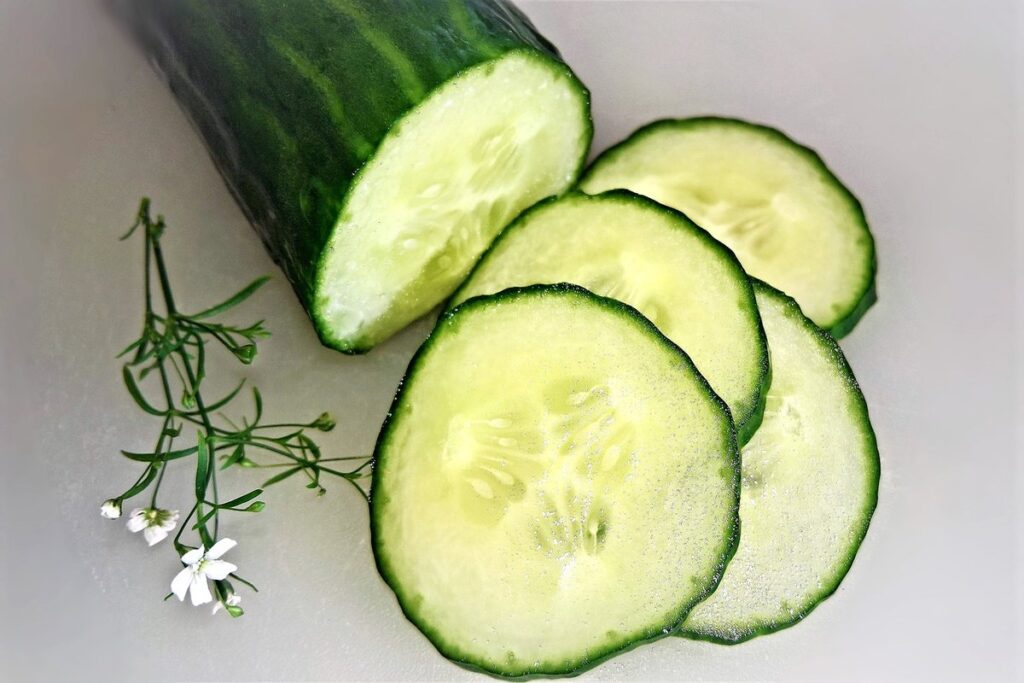
Understanding Cucumber Pollination Challenges
Let’s dive into the complexities of cucumber pollination challenges, where factors like climate change and pests threaten healthy fruit production. We’ll explore these issues in detail below.
Importance of Pollination in Cucumber Production
Pollinators play a vital role in cucumber production, contributing significantly to yields. A single cucumber flower relies on pollination for fertilization, and inadequate pollination can lead to reduced fruit set, lower yields, and decreased quality.
When pollinators successfully transfer pollen from the male reproductive organ of the flower to the female stigma, it triggers seed development. However, if pollinators are absent or ineffective, the flowers may remain unfertilized, resulting in underdeveloped or misshapen cucumbers.
Consequences of inadequate pollination can be severe, including reduced fruit set by up to 50%, lower yields, and decreased market value due to low-quality produce. Farmers who experience pollination issues often struggle with maintaining profitability. To mitigate these effects, farmers can implement integrated pest management strategies that minimize harm to beneficial pollinators.
By creating a pollinator-friendly environment through the use of bee hotels or other habitat restoration techniques, farmers can support and enhance local pollinator populations. This proactive approach not only improves pollination but also contributes to overall ecosystem health and biodiversity.
Factors Contributing to Pollination Problems
Pollination problems can arise from various environmental conditions that affect cucumber plants. Extreme temperatures, for instance, can hinder pollination by limiting the activity of bees and other pollinators. Similarly, high winds can disorient these insects, making it difficult for them to navigate between flowers. On the other hand, low humidity and intense sunlight may cause the pollen to be released too quickly, leading to a decrease in pollination efficiency.
Pests such as aphids, whiteflies, and spider mites can also impact pollination rates by feeding on nectar and pollen or by transmitting diseases that harm cucumber plants. The use of chemical pesticides to control these pests can further reduce pollinator populations, exacerbating the problem.
Diseases like powdery mildew and downy mildew can weaken cucumber plants and reduce their ability to produce flowers, thereby decreasing pollination rates. Human activities such as excessive pruning or harvesting before maturity can also disrupt the reproductive cycle of cucumbers, leading to reduced pollination efficiency.
Bees as Primary Cucumber Pollinators
Bees are a crucial part of cucumber pollination, and their importance cannot be overstated. In this section, we’ll explore why bees play such a vital role in keeping your cucumbers healthy and thriving.
Bee Species Involved in Cucumber Pollination
Cucumbers rely on several key bee species for pollination, with some being more efficient than others. Among these, honey bees (Apis mellifera) are often considered primary pollinators due to their social structure and foraging behavior. They exhibit a complex communication system that allows them to coordinate pollination efforts.
Other notable bee species involved in cucumber pollination include bumblebees (Bombus spp.) and solitary bees (Halictidae family). Bumblebees, despite being less numerous than honey bees, have a higher pollen collection efficiency rate. Solitary bees, on the other hand, often specialize in visiting specific flower types, making them efficient cucumber pollinators.
It’s essential to note that these bee species play unique roles depending on their environment and availability. By understanding their characteristics and behaviors, farmers can create pollinator-friendly conditions, such as planting a mix of nectar-rich flowers that bloom at different times. This approach not only enhances pollination but also promotes biodiversity within the farm ecosystem.
Impact of Declining Bee Populations on Cucumber Production
The impact of declining bee populations on cucumber production is a pressing concern for farmers worldwide. With bees responsible for pollinating over 75% of the world’s crops, including cucumbers, their decline can have far-reaching consequences. The main consequence of this issue is a significant reduction in global cucumber yields.
According to a study by the University of California, Davis, bee populations are dwindling at an alarming rate, with some areas experiencing losses as high as 30%. This loss of pollinators has resulted in decreased crop yields and reduced fruit quality. In fact, a 10% decrease in bee populations can lead to a 20-30% reduction in cucumber production.
The economic implications of this issue cannot be overstated. Cucumbers are one of the most widely cultivated crops globally, with the US alone producing over $1 billion worth of cucumbers annually. A decline in yields would not only impact farmers’ profits but also have a ripple effect on the entire supply chain, from processors to retailers. To mitigate this issue, farmers can explore alternative pollinators like butterflies and hummingbirds or adopt Integrated Pest Management (IPM) techniques that minimize harm to bees while maintaining crop yields.
Other Non-Bee Pollinators and Their Roles
Beyond bees, there are other fascinating pollinators that play a crucial role in cucumber reproduction, from butterflies to hummingbirds. Let’s explore their significance.
Butterflies, Wasps, Flies, and other Non-Bee Pollinators
When it comes to cucumber pollination, most people think of bees as the primary pollinators. However, there are several other non-bee pollinators that play a crucial role in the reproduction process. These lesser-known pollinators are often overlooked, but they’re essential for a healthy and thriving crop.
Butterflies, such as the monarch butterfly, visit flowers to feed on nectar, inadvertently transferring pollen from one plant to another. They’re particularly attracted to bright colors and strong scents, which is why they’re often seen near cucumber blossoms. Wasps, including paper wasps and yellowjackets, also visit flowers for nectar and can be effective pollinators due to their hairy bodies, which help collect pollen.
Flies, like hoverflies and flower flies, are another group of non-bee pollinators that contribute to cucumber reproduction. These tiny insects have a strong affinity for sweet-smelling flowers and will often land on blossoms to feed on nectar or lay eggs. By providing a welcoming environment for these pollinators, you can encourage them to visit your cucumbers more frequently, improving pollination rates.
To attract non-bee pollinators to your cucumber patch, try planting a diverse range of flowers that cater to their preferences. Include a mix of nectar-rich blooms, like sunflowers and zinnias, alongside herbs like mint and oregano, which are attractive to hoverflies and other beneficial insects. By creating a pollinator-friendly environment, you’ll increase the chances of successful pollination and healthier cucumbers.
Potential for Increased Diversity in Cucumber Pollination
Introducing non-bee species to cucumber pollination can have a significant impact on ecosystem resilience and diversity. By incorporating these pollinators, farmers and gardeners can reduce their reliance on honeybees, which are facing numerous threats such as colony collapse disorder and habitat loss.
For example, butterflies like the monarch butterfly, which is a natural pollinator of cucumbers, can be encouraged to visit cucumber plants by planting milkweed in nearby areas. Similarly, hummingbirds and bats are also effective pollinators that can be attracted to cucumbers with the right nectar-rich flowers and nesting sites.
Increasing diversity in cucumber pollination can lead to more robust ecosystems that are better equipped to withstand environmental stressors like climate change and pests. This approach also reduces the risk of a single species dominating pollination, which can have negative consequences for crop yields and ecosystem health.
Environmental Factors Affecting Pollination
Weather conditions, temperature fluctuations, and soil quality all play a significant role in affecting cucumber pollination. Let’s explore how environmental factors contribute to these issues.
Weather Extremes: Temperature, Rainfall, and Sunlight
Extreme weather conditions can have a significant impact on pollinator populations, making it challenging for them to effectively pollinate cucumbers. Temperature fluctuations are particularly problematic, as cucumber plants require temperatures between 65°F and 95°F (18°C and 35°C) to produce well. Temperatures above or below this range can slow down or even stop the plant’s reproductive cycle.
Rainfall also plays a crucial role in cucumber pollination. Excessive rainfall can lead to fungal diseases that harm the plant, while drought conditions can cause pollen to become brittle and ineffective at transferring between flowers. This is why it’s essential for growers to monitor weather forecasts closely and adjust their watering schedules accordingly.
Sunlight is another critical factor to consider. Cucumbers require full sun to produce well, but prolonged exposure to direct sunlight without adequate shading can lead to scorching and reduced pollination rates. Providing a balance between sunlight and shade can help mitigate this issue.
Air Pollution’s Effects on Bee Health
Bee populations are crucial for cucumber pollination, but air pollution is a significant threat to their health. When bees inhale polluted air, it can affect their ability to collect nectar and pollen, leading to reduced yields and lower quality cucumbers.
Air pollutants like particulate matter (PM), nitrogen dioxide (NO2), and ozone (O3) have been shown to damage bee respiratory systems, impairing their cognitive abilities and navigation skills. Research has found that exposure to high levels of PM can reduce bee activity by up to 40%. This not only affects pollination efficiency but also puts bees at risk of death.
Urban areas with high traffic volume are particularly vulnerable to air pollution, which can be up to four times higher than in rural areas. Farmers in these regions may need to take extra precautions to protect their bees from the adverse effects of air pollution. Consider using bee-friendly plants like lavender and rosemary near your cucumber patches or installing a small windbreak to reduce exposure to polluted air.
To mitigate the impact of air pollution on bee health, consider implementing Integrated Pest Management (IPM) practices that minimize the use of chemicals and promote natural pollinators. This can include creating a bee hotel or incorporating beneficial insects like ladybugs into your ecosystem.
Human Activities Influencing Cucumber Pollination
Human activities, such as farming practices and pesticide use, can have a significant impact on cucumber pollination. Let’s explore how these actions affect the delicate process of cucumber reproduction.
Pesticide Use and Its Impact on Beneficial Insects
Pesticide use is a widespread practice in agriculture that can have unintended consequences on beneficial insects. When pesticides are applied to cucumber crops, they can drift onto surrounding flowers and plants, including those visited by pollinators like bees and butterflies. This exposure can lead to colony decline or even extinction of local pollinator populations.
A study published in the journal Science found that widespread use of neonicotinoids, a class of insecticides commonly used on cucumbers, was linked to significant declines in bee populations across North America. Neonicotinoids work by affecting the central nervous system of insects, impairing their ability to navigate and communicate.
To minimize harm to beneficial insects, farmers can adopt integrated pest management (IPM) strategies that rely on a combination of techniques such as crop rotation, biological control, and cultural controls. These approaches not only reduce pesticide use but also promote ecosystem services like pollination. For example, introducing natural predators or parasites of pests can help regulate populations without harming beneficial insects.
Urbanization’s Effect on Local Pollinator Populations
Urbanization’s effect on local pollinator populations is a pressing concern for cucumber growers and ecosystems alike. As cities expand, natural habitats are destroyed, leading to reduced pollinator populations. This has severe consequences for cucumber yields, as these vital insects play a crucial role in pollination.
When natural areas are converted into urban spaces, essential resources such as food, shelter, and breeding sites for pollinators like bees and butterflies disappear. Without these basic necessities, local pollinator populations dwindle, making it harder for them to thrive. The subsequent decline in pollinator numbers affects not only cucumber yields but also the overall health of ecosystems.
To mitigate this issue, growers can adopt bee-friendly practices such as planting a diverse range of flowers that provide nectar and pollen sources for pollinators. This can be achieved by incorporating pollinator gardens near their farms or selecting cucumber varieties that are more resistant to heat stress. By working together with local authorities and implementing sustainable land-use strategies, we can preserve natural habitats and safeguard the future of our ecosystems – including those responsible for cucumber pollination.
Solutions for Enhancing Cucumber Pollination
If you’re struggling with cucumber pollination issues, don’t worry – we’ve got some practical solutions to help boost your yields and ensure a bountiful harvest. Here are some effective ways to enhance pollination in your cucumbers.
Implementing Bee-Friendly Practices in Agriculture
Implementing bee-friendly practices in agriculture is crucial to promoting healthy pollination rates for cucumbers. One effective strategy is plant diversification, where farmers incorporate a variety of flowers and herbs into their crop rotation plans. This approach not only attracts beneficial insects but also enhances soil health and reduces pest pressure.
For example, planting native wildflowers like sunflowers or cosmos alongside cucumber crops can provide a valuable source of nectar and pollen for bees. Consider incorporating these bee-friendly plants in your crop rotation plan to create a diverse and resilient ecosystem. By doing so, you’ll not only support pollination but also reduce the reliance on chemical pesticides.
Creating habitats within farmland is another vital aspect of promoting bee-friendly practices. This can be achieved by leaving areas of land untouched or creating artificial nesting sites for solitary bees. For instance, installing bee hotels made from natural materials like bamboo or straws can provide a safe haven for these beneficial insects. By implementing such measures, you’ll contribute to the long-term health and productivity of your farm.
Supporting Local Ecosystems Through Conservation Efforts
Supporting local ecosystems is crucial for maintaining healthy pollinator populations, which in turn can help alleviate cucumber pollination issues. By preserving these ecosystems, you can create a thriving environment that supports the well-being of bees and other pollinators.
One initiative aimed at preserving local ecosystems is creating pollinator-friendly habitats. This involves planting native flowers, herbs, and shrubs that provide nectar-rich resources for pollinators during different seasons. For example, milkweed plants are essential for monarch butterfly caterpillars, while lavender and coneflower attract a variety of bees.
Another initiative is reducing pesticide use in your garden or farm. Many pesticides harm or kill pollinators, so opting for integrated pest management techniques can help minimize their impact on local ecosystems. You can also create bee hotels to provide shelter for solitary bees during the winter months.
By implementing these initiatives, you can help maintain a healthy balance between local ecosystems and pollinator populations, ultimately contributing to better cucumber pollination outcomes.
Frequently Asked Questions
What are the short-term effects of declining pollinator populations on cucumber yields?
Declining pollinator populations can lead to reduced fruit set, lower yields, and decreased quality within a single growing season. This decline is often not immediately noticeable but can have significant impacts on overall production.
How can I implement bee-friendly practices in my existing agricultural operation?
To implement bee-friendly practices, consider integrating wildflowers or herbs that are rich in nectar and pollen into your crop rotation, reducing pesticide use, and creating a pollinator hotel to provide habitat for solitary bees. These changes will support local pollinators while also promoting biodiversity.
Are there any non-bee pollinators that can be relied upon for cucumber pollination?
While bees are the primary pollinators of cucumbers, butterflies, wasps, and flies can also contribute to pollination rates. However, their effectiveness can vary depending on factors like weather conditions and availability of alternative food sources.
Can I still implement sustainable pollination practices even if I’m a small-scale farmer with limited resources?
Yes, implementing sustainable pollination practices is achievable for small-scale farmers by focusing on low-cost measures such as using natural pest control methods, planting bee-friendly flowers around the perimeter of fields, and adopting crop rotation strategies that promote biodiversity.
What are some immediate steps I can take to mitigate the effects of climate change on pollinator populations?
You can start by assessing your current agricultural practices for their environmental impact, exploring ways to incorporate more diverse and resilient plant species into your crops, reducing synthetic pesticide use, and supporting local conservation efforts.