
When it comes to growing currant bushes, one crucial aspect often gets overlooked: pruning. Pruning currant bushes is not just about cutting back overgrown branches; it’s an art that requires technique and timing. If you’re a gardener looking for expert advice on how to prune your currants like a pro, this article is for you.
Pruning currant bushes correctly can make all the difference in promoting healthy growth and ensuring a bountiful harvest. But did you know that pruning at the wrong time or using the wrong techniques can lead to more harm than good? In this post, we’ll cover everything from choosing the right time to prune to advanced renewal pruning methods. We’ll also share expert tips on how to avoid common mistakes, so you can enjoy a thriving and productive currant bush all season long.
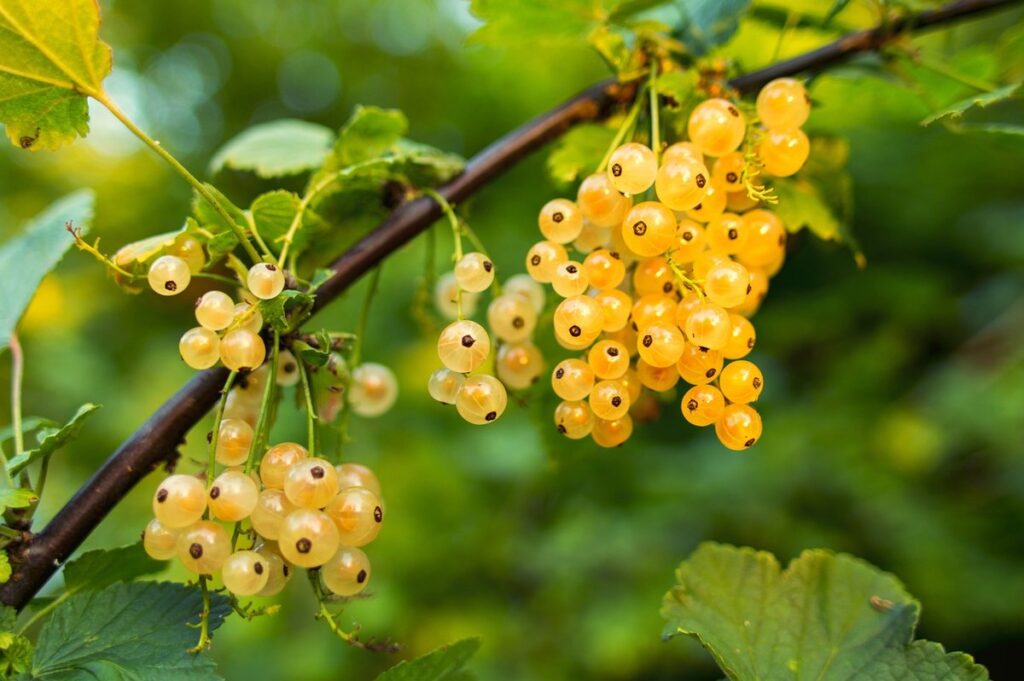
Understanding Your Currant Bush
To get started with pruning, it’s essential to understand your currant bush’s unique characteristics and growth habits. This includes identifying its specific needs and any potential challenges you may face.
Choosing the Right Time to Prune
Choosing the right time to prune your currant bush is crucial for its overall health and productivity. As a general rule, it’s best to prune currant bushes during their dormant season, which typically falls between late autumn and early spring. This allows you to assess the plant’s structure without disturbing its growing process.
However, the exact pruning timing may vary depending on your climate and growth habits. In warmer climates or regions with mild winters, it’s essential to prune currant bushes in late winter or early spring before new growth begins. Conversely, if you live in an area with harsh winters, it’s better to prune in late autumn when the plant has gone dormant.
Keep in mind that pruning at the wrong time can lead to disease and pest issues. Pruning during active growth can cause stress to the plant, making it more susceptible to fungal diseases like powdery mildew. On the other hand, pruning too early may leave your currant bush vulnerable to winter damage or cold temperatures. By considering these factors and timing your pruning accordingly, you’ll be able to promote healthy growth and encourage fruit production in your currant bushes.
Identifying Healthy vs. Unhealthy Growth
When inspecting your currant bush, it’s essential to distinguish between healthy and unhealthy growth. This is crucial for effective pruning, as you’ll want to focus on encouraging the former while removing the latter. Healthy growth typically appears vigorous, with a rich green color and sturdy stems. The leaves are usually a deep green, and new shoots emerge from the base of the plant in late winter or early spring.
On the other hand, unhealthy growth can be identified by its pale or wilted appearance, often accompanied by signs of disease or pests. Black spots, powdery mildew, or yellowing leaves can all indicate issues with your currant bush’s health. Check for any visible pests, such as aphids, whiteflies, or spider mites, which can weaken the plant and make it more susceptible to disease.
When pruning, focus on removing any weak or diseased growth, cutting back branches that are damaged or dead, and promoting air circulation around the plant to prevent fungal diseases. Regularly inspect your currant bush for signs of stress or disease, and take action promptly if you notice any problems. This proactive approach will help ensure a healthy and productive currant bush throughout the growing season.
Tools and Equipment Needed
Before you start pruning your currant bushes, make sure you have the right tools for the job. This includes a good pair of pruning shears and a sharp saw.
Essential Hand Pruning Tools
When it comes to pruning currant bushes, having the right hand tools is essential for making clean cuts and minimizing damage to the plant. At the very least, you’ll need a few basic hand tools that will make the task much easier.
Loppers are a must-have when it comes to pruning currant bushes. These long-handled scissors or clippers are perfect for cutting thicker branches up to 2-3 inches in diameter. Look for loppers with sharp blades and comfortable grips, as these will make it easier to maneuver around the plant without straining your back.
Secateurs (or pruning shears) are also essential for more precise cuts, especially when working on smaller stems and thinner branches. Choose secateurs with high-quality steel blades that can be easily sharpened, making it simpler to cut through woody material.
Don’t forget a good pair of gardening gloves to protect your hands from thorns and splinters. This will not only make the pruning process more comfortable but also reduce the risk of injury.
Remember, investing in quality hand tools may seem like an initial expense, but they’ll make a huge difference in the long run by saving you time, effort, and stress when pruning your currant bushes.
Safety Precautions When Pruning
When pruning currant bushes, it’s essential to prioritize your safety and well-being. Before you start cutting, make sure you’re wearing protective eyewear, such as goggles or glasses with a wraparound frame, to shield your eyes from flying debris. This is especially crucial when working with sharp tools like pruning shears, loppers, or even long-handled pruners.
Maintaining a clean workspace is also vital for your safety. Remove any nearby objects that could obstruct your work area or cause tripping hazards. This will give you clear access to the bushes and reduce the risk of accidents. Additionally, keep all sharp tools at an angle to prevent them from slipping out of your hands and causing injury.
Regularly clean and disinfect your pruning tools between cuts to prevent the spread of diseases that can affect currant bushes. This is especially important when working with a large number of plants or in areas prone to fungal infections.
Basic Pruning Techniques
When it comes to pruning currant bushes, mastering basic techniques is essential for promoting healthy growth and maximizing fruit production. Let’s dive into some fundamental methods to get you started.
Removing Dead, Diseased, or Damaged Wood
When pruning currant bushes, it’s essential to remove dead, diseased, or damaged branches as soon as possible. These types of branches can be a haven for pests and diseases that can spread to the rest of the bush. Identifying them is relatively straightforward – look for branches with grayish or brownish discoloration, brittle texture, or signs of cracks.
To remove these branches, start by cutting just outside the point where the branch meets the stem using a sharp, clean pruning tool. Cut at an angle to prevent water from collecting on the cut surface and causing further damage. Remove any affected tissue, taking care not to gouge the surrounding healthy wood.
For more severe cases of disease or decay, it may be necessary to prune back to the point where the branch meets the main stem, even if this means cutting into what appears to be good wood. This will help prevent the spread of disease and promote healthy growth. Regularly inspect your currant bushes during the growing season to catch any issues early on.
Reducing Height and Width
When it comes to reducing the height and width of currant bushes, pruning is an essential technique that helps maintain their shape and promotes healthy growth. To cut back canes, start by selecting the tallest stems and cutting them back to about one-third to one-half of their original length. This will encourage new growth from the base of the plant and help maintain a balanced shape.
To reduce lateral growth, focus on removing any weak or spindly shoots that are growing outside the central leader. Cut these back to about 6-8 inches from the main stem, making sure not to remove too much at once. This will help redirect the plant’s energy towards producing new flowers and fruit.
Regular pruning also helps control the overall width of your currant bushes by reducing the number of lateral canes that are growing outward. By removing any suckers or water sprouts that appear along the base of the plant, you can keep the shrub more compact and encourage a bushy shape with plenty of flowers and fruit.
Advanced Pruning Techniques
Now that you’ve mastered the basics, let’s dive into some advanced pruning techniques for currant bushes, helping you refine your skills and get the most out of these versatile plants.
Renewal Pruning for Old or Neglected Bushes
Renewal pruning is a game-changer for old or neglected currant bushes. This technique helps to rejuvenate the plant by removing most of its existing growth, making way for new and vigorous shoots to emerge. When currant bushes get old, they can become leggy, produce fewer flowers, and struggle with diseases and pests.
To perform renewal pruning on your currant bush, start by cutting back most of the stems to about 6-12 inches from the ground. Remove any dead, diseased, or damaged branches as you go along. This will help the plant redirect its energy towards producing new growth instead of trying to sustain old and worn-out wood.
It’s essential to prune currant bushes in late winter or early spring when they’re still dormant. Pruning at this time encourages new shoots to grow from the base, giving your bush a fresh start. Remember that renewal pruning is a drastic process, but it will ultimately lead to healthier and more productive plants in the long run.
Top-Dressing and Aftercare
After pruning your currant bushes, it’s essential to provide them with optimal care to promote healthy regrowth. This is where top-dressing and aftercare come into play. Top-dressing refers to the process of adding a layer of compost or well-rotted manure around the base of the plants.
To do this effectively, spread a 2-3 inch layer of compost or manure around the pruned bushes, making sure to keep it a few inches away from the stems. This will help retain moisture, suppress weeds, and provide essential nutrients for regrowth. For optimal results, repeat this process every spring as part of your currant bush care routine.
In addition to top-dressing, make sure to water your pruned bushes regularly during their first growing season. Keep the soil consistently moist but not waterlogged, especially during hot weather. With proper aftercare and attention, your pruned currant bushes should be producing delicious fruit within a year of pruning.
Common Pruning Mistakes
Pruning currant bushes can be tricky, and making a few mistakes along the way is easy. Let’s look at some common errors to avoid when pruning your currant bushes to ensure they thrive.
Over-Pruning and Under-Pruning
When pruning currant bushes, it’s easy to get carried away and make mistakes that can have serious consequences for the plant’s health. Two common errors are over-pruning and under-pruning, both of which can be detrimental to the bush’s growth and productivity.
Over-pruning occurs when you remove too much of the bush’s foliage, leaving it vulnerable to disease and pests. This can happen if you’re trying to shape the bush into a perfect sphere or if you’re using pruning shears that are too sharp. The consequences can be severe, including reduced yields, increased susceptibility to disease, and even death.
Under-pruning is equally problematic, as it fails to remove enough of the bush’s dead, diseased, or damaged wood. This allows diseases to spread and pests to thrive, ultimately weakening the plant and reducing its productivity. To avoid both over- and under-pruning, take a more gentle approach and prune only what’s necessary. Inspect the bush carefully before pruning, removing any branches that are clearly dead, diseased, or damaged, but leaving enough foliage to promote healthy growth.
Avoiding Damage to the Plant’s Structure
When pruning currant bushes, it’s easy to inadvertently damage their structure. To maintain your plant’s natural shape and promote healthy growth, be mindful of the following key considerations.
Avoid cutting back too many stems at once, as this can shock the plant and lead to disease or pest issues. Instead, prune in increments, focusing on removing just a few stems each session. This will allow the plant to gradually adjust to its new shape.
Also, avoid over-pruning the tips of the branches. Currant bushes produce fruit near the ends of their stems, so removing these tips can significantly reduce next year’s crop yield. Instead, prune back the stems to about one-third of their length, making clean cuts just above a bud eye (the small swelling from which new growth emerges).
When pruning internal stems, be gentle and work your way around the plant in a circular motion. This will help prevent bruising or tearing the bark, which can leave the plant vulnerable to disease.
By being mindful of these tips, you’ll be able to prune your currant bushes effectively while maintaining their natural shape and promoting healthy growth.
Tips and Considerations
Before you start pruning, take a moment to consider your goals for the bush: are you looking to promote new growth, encourage fruiting, or control size? This section covers key considerations to keep in mind.
Pruning for Specific Varieties
When it comes to pruning currant bushes, different varieties have distinct requirements. Blackcurrants, for instance, produce a single stem from which multiple branches grow. To maintain this habit, prune the plant to about two feet tall and wide in late winter or early spring, removing any dead, diseased, or damaged wood. This will help encourage new growth and promote fruiting.
White currants, on the other hand, require more pruning to control their vigorous growth. They should be pruned back harder, by about one-third, to a bud eye (the small swelling from which leaves emerge). This will help prevent over-production of flowers and promote better fruit set.
It’s also worth noting that some currant varieties are more prone to disease than others. For example, white currants can be susceptible to powdery mildew, so pruning should focus on removing any affected areas as soon as possible. Always disinfect your pruning tools between cuts to prevent the spread of disease.
Encouraging Continuous Growth
When you prune currant bushes correctly, not only do they look healthier and more vibrant, but they also continue to thrive and produce plenty of delicious fruit. To encourage continuous growth in pruned currant bushes, it’s essential to strike a balance between pruning and fertilization.
Pruning is about removing the right branches at the right time, which stimulates new growth and encourages bushy development. However, over-pruning can stress the plant, making it more vulnerable to disease and pests. To avoid this, prune your currant bushes only what’s necessary – remove dead, diseased, or damaged branches, cut back overgrown tips, and thin out crowded areas.
Fertilization is equally crucial for continuous growth. Feed your currant bushes with a balanced fertilizer in early spring, following the manufacturer’s instructions to avoid over-fertilizing. You can also side-dress with a high-potassium fertilizer after harvesting to promote fruiting and flowering. By maintaining this delicate balance between pruning and fertilization, you’ll be rewarded with lush, healthy currant bushes that produce plenty of juicy berries year after year.
Conclusion
Now that you’ve finished pruning your currant bushes, it’s essential to give them time to recover and rejuvenate. Allow the newly pruned areas to dry out completely before applying any fertilizers or mulch. This will prevent any moisture-related issues and allow the plant to heal properly. In the following growing season, expect a bountiful harvest of delicious currants. With regular pruning, your currant bushes should remain healthy and productive for years to come.
Keep in mind that pruning is an ongoing process, not a one-time task. Regular maintenance will be necessary to ensure your bushes continue to thrive. Monitor their growth and adjust your pruning schedule accordingly. By following the tips outlined in this guide, you’ll be well on your way to becoming a currant bush pruning pro!
Frequently Asked Questions
Can I still prune my currant bush if it’s not dormant?
Yes, but you might need to adjust your pruning techniques accordingly. If you live in a warmer climate or have a specific variety that blooms early, pruning during the growing season can be done, but it’s essential to focus on shaping and maintaining rather than severe cutting back.
How do I know when my currant bush has been over-pruned?
Over-pruning can lead to reduced yields and even plant death. Look for signs of new growth being severely stunted or dying off, as well as any visible stress on the plant’s structure. If you’ve recently pruned your currant bush and notice these symptoms, it may be a sign that you’ve removed too much tissue.
What if I accidentally prune the wrong part of my currant bush?
If you mistakenly remove healthy growth or damage the plant’s structure, don’t panic! Simply assess the situation and adjust your pruning plan for the next season. You can also consider consulting with a gardening expert or taking a course to improve your skills.
Can I use loppers instead of hand pruners for larger branches?
While loppers are effective for thicker stems, they might not be ideal for delicate currant branches. Stick to high-quality hand pruners specifically designed for thinning and shaping smaller growth, which will help you achieve a more precise cut and avoid damaging the plant.
How long after pruning should I expect my currant bush to start producing new growth?
After pruning, your currant bush may go into a temporary dormant period while it recovers. Keep an eye out for new buds and leaves emerging within 4-6 weeks, but be patient – in most cases, significant new growth won’t occur until spring arrives.
What if my currant bush is severely neglected or overgrown?
For extremely old or neglected bushes, renewal pruning may be necessary. This involves cutting back the entire plant to about one-third of its original height to encourage new growth and revitalize the root system. It’s a more aggressive method but can lead to healthier, more productive plants in the long run.
Can I use chemicals or pesticides when pruning my currant bush?
It’s generally recommended against using harsh chemicals or pesticides during pruning, as these can harm your plant and the environment. Instead, focus on maintaining good gardening practices, such as using clean tools, disinfecting wounds, and promoting healthy growth through proper care and maintenance.
How do I avoid spreading diseases when pruning my currant bush?
To minimize disease transmission, make sure to use clean, sharp tools for each cut; disinfect any wounds immediately after cutting; and work from the bottom up to prevent dripping sap or debris from falling onto healthy areas.