
If you’re growing your own peppers at home, you’ve probably noticed that they require a bit more TLC than other plants. One crucial aspect to pay attention to is pollination – pepper plant pollination, to be specific. Without adequate pollination, your pepper plants won’t produce fruit, which can be frustrating if you were counting on a bountiful harvest.
Pepper plant pollination might seem like a straightforward process, but it’s not as simple as some people think. In fact, peppers rely heavily on bees and other pollinators to transfer pollen from the anther of one flower to the stigma of another. This is why creating a pollinator-friendly environment around your pepper plants can be a game-changer for your yields. In this article, we’ll explore the importance of pepper plant pollination, provide tips for manual pollination, and show you how to create a welcoming space for beneficial insects.
Understanding Pepper Plant Reproduction
To successfully pollinate your pepper plant, it’s essential to understand how they reproduce naturally and what factors can influence their ability to produce seeds. Let’s dive into the world of pepper plant reproduction.
How Pepper Plants Produce Flowers
When pepper plants produce flowers, it’s not just a decorative touch – it’s a crucial step in their reproductive cycle. Flowers are essential for seed production and ensuring the plant’s genetic diversity. Without them, pepper plants wouldn’t be able to set fruit or propagate.
To understand how pepper plants produce flowers, let’s look at the process. Typically, pepper plants produce inflorescences (flower clusters) after reaching a certain stage of maturity – usually around 60-90 days after transplanting. These inflorescences are actually modified shoots that grow from the axils (the joint where a leaf meets the stem).
As the inflorescence matures, it produces several buds, which eventually open into flowers. Pepper plants can produce either male or female flowers, but many varieties are hermaphroditic, meaning they have both male and female reproductive organs in each flower.
In pepper plants, pollination is necessary for fertilization to occur – and ultimately for fruit set. This is why ensuring proper pollination is vital for increasing yields and maintaining plant health.
Characteristics of Male and Female Flowers
In pepper plants, male and female flowers play distinct roles in pollination. A single plant can produce both types of flowers, but they typically bloom at different times to ensure cross-pollination. Male flowers are usually smaller, with a long stem and one or more stamens that produce pollen. They release vast amounts of pollen into the air, which is then carried by pollinators like bees, butterflies, or even wind to nearby female flowers.
Female flowers, on the other hand, have three stigmas that collect pollen, allowing for fertilization to take place. These flowers are often larger than their male counterparts and produce a more prominent, usually white or yellow, anther. While some pepper varieties can self-pollinate, most require cross-pollination from another plant to achieve optimal seed production.
To encourage pollination, gardeners can create a conducive environment by planting multiple pepper plants with the same flowering time and providing access for pollinators. This technique increases the chances of successful fertilization and promotes healthy seed development.
Factors Influencing Flower Production
When it comes to pepper plant reproduction, flower production is a crucial factor that affects pollination success. However, various environmental factors can influence the quantity and quality of flowers on your pepper plants. Weather conditions play a significant role in this process.
Temperature fluctuations can impact flower formation. Pepper plants thrive in temperatures between 65°F and 75°F (18°C and 24°C). Above or below these ranges, flower production may suffer. For instance, if it’s too cold, the plant might not produce flowers at all, while excessive heat can cause them to wilt.
Soil quality also affects flower production. Peppers require well-draining soil rich in organic matter. Nutrient deficiencies, especially nitrogen and calcium, can stunt flower growth or lead to deformed flowers. Maintaining optimal soil pH (between 6.0 and 7.0) is essential for promoting healthy flower development.
Lastly, water stress and nutrient imbalance can significantly impact flower production. Consistent moisture levels are vital during the fruiting stage. Aim for about 1-2 inches of water per week, either through rainfall or irrigation.
Pollinators of Pepper Plants
When it comes to pollinating your pepper plants, some very special visitors play a crucial role: bees and other beneficial insects that help transfer pollen. Let’s meet these essential helpers!
Honey Bees: Effective Pollinators
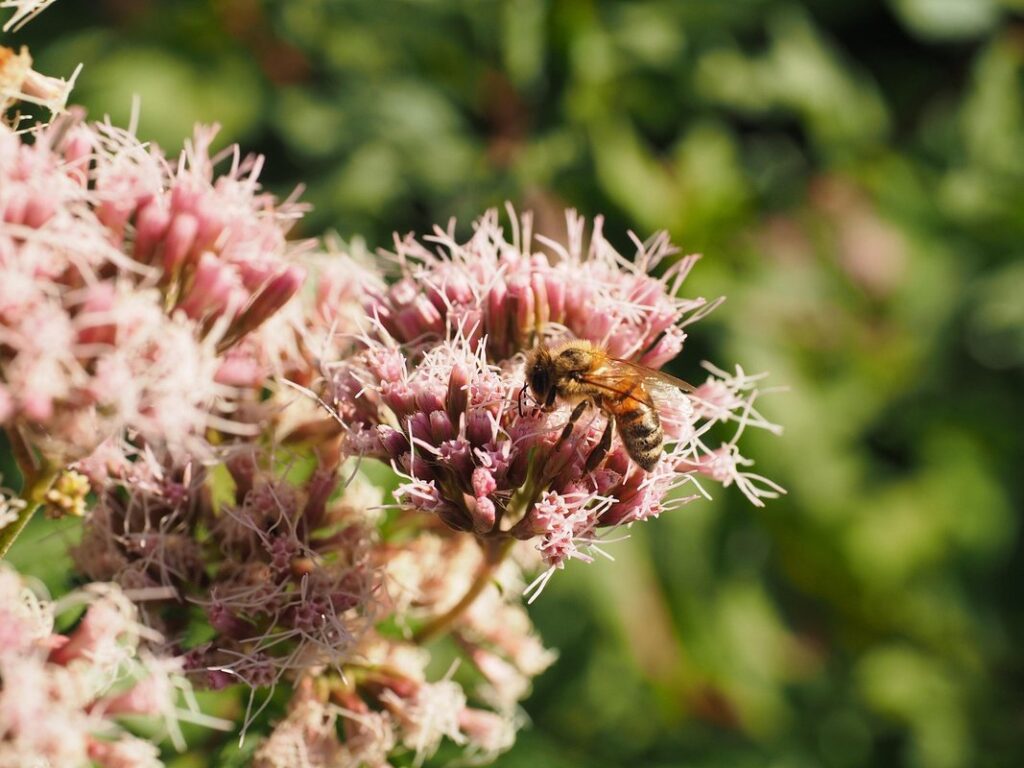
Honey bees are one of the most effective pollinators for pepper plants. These busy insects are responsible for transferring pollen from the male flowers to the female flowers, allowing fertilization to occur and resulting in fruit set.
To understand how honey bees contribute to pepper plant pollination, it’s essential to observe their behavior around these plants. When collecting nectar, honey bees will often visit multiple flowers, including both male and female pepper flowers. As they move from flower to flower, pollen grains are transferred between the hairy bodies of the bees, allowing them to act as a vector for pollen transfer.
Interestingly, research has shown that honey bee pollination can increase pepper plant yields by up to 30% compared to plants without honey bee pollinators. This is because the specialized structure of their hairy bodies allows them to collect and transfer pollen more efficiently than other pollinators.
To attract these efficient pollinators to your pepper plants, consider planting a diverse range of flowers that provide nectar and pollen for bees throughout the growing season.
Other Beneficial Pollinators
In addition to bees and butterflies, there are many other beneficial pollinators that can assist with pepper plant pollination. These unsung heroes come from various insect groups, such as wasps, ants, moths, and beetles. Wasps, like paper wasps and yellowjackets, are known to visit flowers in search of nectar, inadvertently transferring pollen in the process.
Ants also play a role in pepper plant pollination, particularly those that feed on sweet or sticky substances found within flowers. Moths, with their long proboscis, can reach deep into flower structures to collect nectar, further facilitating cross-pollination.
Some animal species may unintentionally aid in pepper plant pollination as well. Bats, for example, are nocturnal pollinators that visit flowers at night, transferring pollen between plants while feeding on nectar.
By maintaining a diverse range of pollinator populations, you can create an optimal environment for your pepper plants to thrive. This is achieved by providing a variety of flowers that cater to different pollinator preferences and needs.
Mechanisms of Pepper Plant Pollination
When it comes to pepper plant pollination, understanding how pollinators interact with these plants is crucial for successful fertilization. Let’s dive into the intricate mechanisms that facilitate this process.
Self-Pollination vs. Cross-Pollination
When it comes to pepper plant pollination, there are two primary methods: self-pollination and cross-pollination. Understanding the difference between these two processes is crucial for optimal pollination.
Self-pollination occurs when a single pepper plant pollinates itself through its own anthers and stigma. This process typically happens in plants with perfect flowers, where both male and female reproductive parts are present. In self-pollination, pollen from the anther fertilizes the stigma within the same flower or on a different flower of the same plant.
Cross-pollination, on the other hand, involves the transfer of pollen from one pepper plant to another through external agents like bees, butterflies, or even humans. This process increases genetic diversity and improves fruit set by combining the genetic material of two plants. To encourage cross-pollination in your pepper garden, try growing multiple varieties together or use a small brush to manually transfer pollen between plants.
When choosing which method to use, consider that self-pollination is simpler but may result in less diverse offspring. Cross-pollination, while more challenging to achieve, offers the benefits of increased diversity and potentially higher yields.
The Role of Stigma and Anthers
When it comes to pepper plant pollination, the role of stigma and anthers is crucial for successful fertilization. The stigma, located at the tip of the pistil, serves as the female reproductive organ that receives pollen from the male reproductive organs – the anthers.
The anthers, on the other hand, produce and release pollen grains into the air or through insect vectors like bees and butterflies. These pollen grains contain the male gametes necessary for fertilization to occur. When a pollinator lands on the stigma, it inadvertently transfers pollen from the anther to the stigma.
For pepper plants, proper stigma-anther interaction is vital for fruit set and seed development. To encourage this interaction, ensure that your pepper plant has adequate air circulation and is grown in a location with moderate temperatures between 64°F and 75°F (18°C and 24°C). Avoid over-watering or shading the plant, as these conditions can reduce pollinator activity and decrease stigma-anther contact.
By understanding the function of stigma and anthers in pepper plant pollination, you’ll be better equipped to create a conducive environment for successful fertilization.
Best Practices for Encouraging Natural Pollination
When it comes to pepper plant pollination, there are certain best practices you can follow to encourage natural pollinators and avoid relying on manual methods. This section shares essential tips for a healthy and productive pepper harvest.
Creating a Pollinator-Friendly Environment
When it comes to creating a pollinator-friendly environment for your pepper plants, remember that these busy bees are not just beneficial for peppers, but also other flowers and crops. To encourage natural pollination, start by planting a diverse array of flowers that bloom at different times throughout the growing season. This will provide a constant source of nectar and pollen for pollinators like honeybees, butterflies, and bumblebees.
Some excellent options include marigolds, zinnias, sunflowers, and lavender – all of which are easy to grow and attract pollinators with ease. Consider dedicating a section of your garden specifically to pollinator-friendly flowers, which can be arranged in a pattern that mimics the natural habitats found in meadows or prairies.
As an added bonus, incorporating native plants into your garden will also support local ecosystems and attract beneficial insects that prey on pests that target pepper plants. By creating a welcoming space for pollinators, you’ll not only boost pollination rates but also enjoy a more vibrant and diverse garden ecosystem.
Minimizing Pesticide Use
Reducing pesticide use is crucial for maintaining healthy pollinator populations. As you strive to create an optimal environment for pepper plant pollination, it’s essential to minimize the use of pesticides. These chemicals not only harm beneficial insects but also contaminate soil and water. A study by the National Institute of Environmental Health Sciences found that 1 in 10 bee species are threatened or extinct due to pesticide exposure.
To reduce pesticide use, focus on integrated pest management (IPM) strategies. This involves monitoring your pepper plants regularly for pests and using natural deterrents like neem oil or insecticidal soap. You can also introduce beneficial insects like ladybugs or lacewings to control aphid populations naturally. For example, a study by the University of California, Davis found that introducing these beneficial insects increased crop yields by 20% while reducing pesticide use by 50%.
When using pesticides, choose organic or integrated pest management (IPM) certified products. These are designed to target specific pests with minimal harm to pollinators and other beneficial organisms. Always follow label instructions carefully and consider the environmental impact of your choices.
Manual Pollination Techniques
For pepper plants without a natural pollinator, manual pollination techniques are essential for successful seed production. In this next part of our guide, we’ll explore these hands-on methods in more detail.
When and Why You May Need to Help
When natural pollination may not occur and manual intervention is necessary to ensure proper pepper plant pollination. As we’ve discussed earlier, natural pollinators like bees and butterflies are crucial for pepper plants. However, there are instances when these pollinators might be absent or inadequate. This is especially true in areas with a high population of pests that prey on these beneficial insects.
As a result, you may need to take matters into your own hands and manually pollinate your pepper plant to ensure proper fertilization occurs. A good time to check for the need for manual intervention is when you notice that the flowers are open but no noticeable pollen transfer has taken place within 24-48 hours.
In such cases, gently vibrate or shake the flower clusters by hand to simulate the natural pollination process. You can also use a small brush to transfer pollen from one plant’s anther to another. This will encourage fertilization and increase your chances of getting a bountiful pepper harvest.
Step-by-Step Guide to Hand Pollination
To perform hand pollination on your pepper plant, you’ll need to carefully collect and transfer pollen between flowers. Begin by selecting two healthy, mature pepper plants with similar flowering stages. Choose a male flower from one plant that has not yet released its anthers or is just starting to open, as the pollen will be fresh and viable.
Next, locate a female flower on the other plant that has fully opened petals and a visible stigma. Using a small brush or cotton swab, gently collect a small amount of pollen from the male flower’s anther. Be cautious not to damage the delicate reproductive parts of either flower.
Carefully transfer the collected pollen to the female flower’s stigma, taking care to touch only the tip of the stigma with the pollen-laden tool. Repeat this process for each female flower you wish to pollinate. This method can be time-consuming but is a reliable way to ensure successful cross-pollination and potentially increase yields or introduce new genetic traits into your pepper plant population.
Troubleshooting Common Pollination Issues
If you’re experiencing problems getting your pepper plant pollinated, don’t worry – we’ve got solutions to common issues that’ll get you back on track in no time. Let’s tackle them one by one!
Identifying and Addressing Pollinator Decline
As you work to optimize pollination for your pepper plants, it’s essential to acknowledge the declining pollinator populations that can impact yields. One of the primary signs of a pollinator decline is a noticeable decrease in the number of bees, butterflies, and other beneficial insects visiting your plants.
If you suspect that pollinators are struggling on your farm or garden, start by observing the local ecosystem. Look for bare spots where flowers have bloomed and withered without being replaced, or areas with an abundance of weeds that often provide nectar-rich blooms for pollinators. Take note if certain plant species in your area are not producing fruit, as this can be a sign of inadequate pollination.
To address declining pollinator populations, consider planting pollinator-friendly flowers around the perimeter of your garden or farm. Sunflowers, zinnias, and cosmos are excellent choices that provide ample nectar for beneficial insects.
Overcoming Barriers to Natural Pollination
When natural pollination is hindered by external factors, it can be challenging to achieve successful pepper plant reproduction. Wind and rain are two common culprits that disrupt the delicate dance between peppers and pollinators.
In areas with high winds, pollen may be blown away from the anthers before it has a chance to be transferred to the stigma. To combat this issue, consider using windbreaks or row covers to protect your pepper plants. You can also try hand-pollination, where you transfer pollen manually between flowers using a small brush.
Rain is another potential barrier to natural pollination. Excessive rain can wash away pollen and prevent it from adhering to the stigma. To overcome this challenge, ensure that your pepper plants are planted in well-draining soil and provide them with adequate support to keep them upright during heavy rainfall. As for pests, they can destroy both the anthers and stigma, rendering pollination impossible.
To manage pest populations, use integrated pest management (IPM) techniques such as introducing beneficial insects, practicing good sanitation, and applying organic pesticides only when necessary.
Frequently Asked Questions
What’s the best time to inspect pepper plants for pollination issues?
Inspect your pepper plants regularly, but ideally during peak pollinator activity, which is usually early morning or late afternoon when temperatures are mild and bees are most active.
How can I ensure my manual pollination efforts are effective?
When performing hand pollination, focus on gently transferring pollen from the anther of one flower to the stigma of another, taking care not to damage delicate reproductive parts. Use a small, clean tool like a toothpick or cotton swab for more precise control.
What’s the ideal distance between pepper plants to promote natural pollination?
Planting multiple pepper varieties within 6-8 feet of each other can encourage cross-pollination and increase yields. However, ensure sufficient air circulation and space for proper growth to prevent disease and pest issues.
Can I use pesticides near my pepper plants without affecting pollinators?
Minimizing pesticide use is crucial when trying to create a pollinator-friendly environment. If you must use pesticides, choose targeted, integrated pest management methods that minimize harm to beneficial insects.
How do I know if my pepper plant is self-pollinating or requires cross-pollination?
Check the flower structure and growth habits of your pepper plants. Self-pollinating varieties often have more robust flowers and tend to produce fruit even without external pollinators. Cross-pollination, on the other hand, typically requires the presence of beneficial insects like bees.