
When growing tomatoes in your garden, one of the most crucial decisions you’ll make is how to support those heavy, juicy fruits. Two popular options for tomato support are cages and stakes, each with its own set of benefits and drawbacks. But which one should you choose? In this article, we’ll break down the pros and cons of using tomato cages versus stakes, helping you decide what’s best for your garden.
We’ll cover everything from choosing the right size and type to tips on effective use and maintenance. Whether you’re a seasoned gardener or just starting out, our expert guide will walk you through the process of selecting the perfect support system for your tomatoes. So, let’s dive in and explore the world of tomato cages and stakes to grow bigger, healthier, and more productive tomatoes!
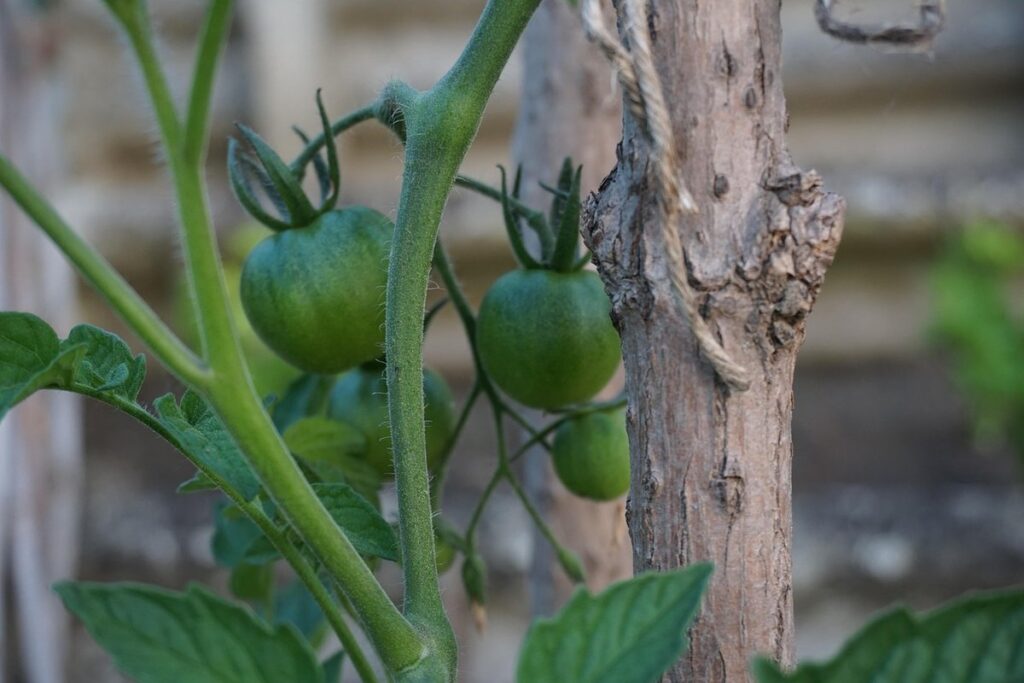
Benefits of Using Tomato Cages and Stakes
Now that we’ve weighed the pros and cons of each support system, let’s dive into some of the specific benefits you can expect from using tomato cages and stakes.
Advantages of Tomato Cages
Using tomato cages as a support system for indeterminate tomato varieties offers numerous benefits. These plants can grow quite large and unruly if left to their own devices, making them prone to disease and damage from wind and rain. Tomato cages provide comprehensive support, keeping the plant upright and encouraging healthy growth by allowing air to circulate around the fruit.
By containing the plant within a cage, you promote better fruiting and prevent the spread of diseases that thrive in moist environments. Indeterminate tomato varieties can grow up to 6 feet tall or more, making them nearly impossible to stake without sacrificing some of their potential yields. In contrast, using cages allows these plants to reach their full height while providing the necessary support for a bountiful harvest.
In addition to supporting indeterminate tomatoes, tomato cages also offer better protection against pests and diseases compared to traditional staking methods.
Space-Saving Design of Tomato Stakes
When it comes to supporting indeterminate tomato plants, space is often at a premium. This is where the design of tomato stakes comes into its own. Compact and slender, these slender supports can be fitted snugly between rows of other vegetables or flowers, making them ideal for smaller gardens.
In fact, many gardeners opt for stakes as they require minimal ground space, allowing you to grow multiple plants in a small area. For example, you could plant cherry tomatoes on one side of the stake and use the same structure to support an accompanying climbing herb like mint. The possibilities are endless.
Not only do tomato stakes save space, but their slender design also allows them to be easily maneuvered around existing plants without causing damage. Perfect for growing compact or dwarf varieties, these stakes provide sturdy support without taking up valuable real estate.
Types of Tomato Cages
There are several types of tomato cages available, each with its own unique features and benefits that can suit different garden spaces and plant needs. Let’s explore some popular options together!
Wooden vs Metal Tomato Cages
When it comes to choosing between wooden and metal tomato cages, there are several factors to consider. Durability is a key concern for many gardeners, as a sturdy cage can withstand the weight of heavy fruiting tomatoes throughout the growing season.
Metal cages tend to be more durable than their wooden counterparts, especially when exposed to harsh weather conditions like heavy rain or intense sunlight. However, they can also be prone to rust if not properly maintained, which can weaken the structure and compromise its integrity.
Wooden cages, on the other hand, are often less expensive upfront but may require more maintenance over time to prevent rot and decay. Some gardeners find that wooden cages provide a more natural aesthetic for their gardens, while others prefer the sleek look of metal cages.
Ultimately, the choice between wood and metal comes down to personal preference and specific gardening needs. If you’re looking for a long-lasting solution with minimal upkeep, metal may be the better option. But if you prioritize eco-friendliness and a more rustic appearance, wooden cages could be the way to go.
Collapsible Tomato Cages
If you’re looking for a tomato support system that’s easy to set up and take down, collapsible tomato cages are an excellent option. One of the main benefits of these cages is their portability – they can be easily disassembled and stored during the off-season, making them perfect for small gardens or urban spaces where space is limited.
Collapsible tomato cages also save you a significant amount of time when it comes to preparing your garden for winter. Unlike traditional cages that need to be left standing year-round, collapsible ones can be neatly packed away in a shed or garage, freeing up valuable space for other gardening projects or storage.
Another advantage of collapsible tomato cages is their flexibility – they come in a variety of sizes and materials, so you can choose the one that best suits your specific needs. They’re also often made with durable, rust-resistant metal frames that can withstand harsh weather conditions, ensuring your tomatoes stay healthy and supported throughout the growing season.
When choosing a collapsible tomato cage, consider the material, size, and ease of assembly – look for cages with sturdy frames, easy-to-use clips or hinges, and compact storage solutions. With these features in mind, you’ll be able to enjoy a hassle-free gardening experience all season long.
Choosing the Right Tomato Stake
When it comes time to choose a support system for your tomato plants, selecting the right stake is crucial to keep them upright and healthy throughout the growing season. This section will walk you through what to look for in a tomato stake.
Materials Used for Tomato Stakes
When it comes to choosing the right materials for your tomato stakes, you have several options. Wood is a popular choice, as it’s readily available and can be easily shaped to fit around plants. However, wood stakes tend to rot quickly, especially when exposed to moisture, which can lead to disease issues in your plants.
Metal stakes are another option, often made from aluminum or steel. These are durable and can withstand harsh weather conditions. However, they may not be as flexible as other materials, making them less forgiving for gardeners who need to adjust their stake placements frequently.
Plastic stakes offer a more affordable alternative but have limitations of their own. They’re prone to cracking under heavy loads and can become brittle over time, reducing their effectiveness. Consider the specific needs of your tomato plants when selecting material for your stakes. If you live in an area with high rainfall or humidity, metal may be the better choice due to its resistance to rot.
Types of Tomato Stake Designs
When it comes to choosing the right support system for your tomatoes, understanding different types of tomato stake designs can make a big difference. There are several options available, each with its own unique features and benefits.
Single-stake systems are one popular choice among gardeners. These stakes typically consist of a single long pole or rod that is driven into the ground near the base of the plant. The stem of the tomato plant is then tied to the stake using twine or clips, providing support as it grows. Single-stakes are often preferred for smaller plants and can be more space-efficient than other types of stakes.
Trellis-style stakes take a different approach by featuring multiple horizontal bars that are spaced at regular intervals. These stakes allow the tomato plant to grow upwards along the bars, creating a trellised effect. This type of stake is ideal for larger plants or those with vigorous growth habits, as it provides additional support and promotes better air circulation.
Whether you choose single-stake systems or trellis-style stakes, it’s essential to ensure that your tomato plant has enough space to grow freely and receive adequate sunlight and water. By selecting the right type of stake for your specific growing conditions, you can enjoy a bountiful harvest of delicious tomatoes all season long.
Comparison: Tomato Cages vs Stakes
Now that we’ve explored the benefits of each support system, it’s time to compare tomato cages and stakes head-to-head in our ultimate showdown. Let’s dive into the details!
Comparing Support Capacity
When it comes to choosing between tomato cages and stakes, understanding their support capacity is crucial. This factor will determine whether your plants receive the support they need to grow upright and healthy. Tomato plants can grow quite large, with some varieties reaching heights of over 6 feet, so it’s essential to consider their size and weight when deciding on a support system.
Tomato cages generally have a larger support capacity than stakes. They provide a more comprehensive structure that allows the plant to grow upwards and outwards, distributing its weight evenly across the cage. This makes them ideal for larger tomato varieties or for growers who prefer a more hands-off approach. On the other hand, stakes are better suited for smaller plants and require regular pruning to ensure they don’t become too top-heavy.
When comparing the support capacity of tomato cages versus stakes, consider the specific needs of your plant. Larger plants will require more substantial support, while smaller varieties may do well with a stake or even no support at all. By choosing the right support system for your tomatoes, you’ll be able to enjoy a bountiful harvest and reduce the risk of damage from wind or rain.
Ease of Installation and Maintenance
When it comes to supporting your tomato plants, ease of installation and maintenance is a crucial factor to consider. Both tomato cages and stakes have their own set of pros and cons when it comes to these aspects.
Tomato cages are generally easier to install than stakes. They come pre-assembled or can be quickly assembled with minimal tools, making them a great option for gardeners who want a hassle-free setup process. Simply place the cage around the plant and secure it in place – job done! On the other hand, stakes require more effort and time to set up, as you need to dig holes, insert the stake, and tie the plant to it.
In terms of maintenance, tomato cages have an edge over stakes. They provide a contained space for the plant’s roots to grow, which means less weeding and mulching are required around the plant. Additionally, cages can be easily removed when the season is over, leaving minimal waste behind. Stakes, on the other hand, require more frequent checking to ensure they’re not too tight or loose, which can damage the plant. With a cage, you can let your plants grow without worrying about their support system.
Tips for Using Tomato Cages and Stakes Effectively
To get the most out of your support system, we’ll share some practical tips on how to effectively use tomato cages and stakes to promote healthy growth. This includes techniques for installation and maintenance.
Plant Training Techniques
When using tomato cages or stakes to support your plants, it’s essential to provide them with proper training techniques. This will not only promote vertical growth but also maximize yields. One of the most effective ways to train your tomato plants is through a technique called “toppin.”
To top, simply remove the tips of the main stems when they reach about 18-24 inches from the ground. This encourages the plant to produce more lateral shoots, which will grow outwards and upwards, providing better support for the fruiting branches. You can also gently tie these shoots to the cage or stake using twine or clips.
Another technique is to use a trellis or obelisk to provide additional support. By guiding the stems through the vertical bars of the trellis, you can encourage the plant to grow upwards and outwards, making it easier to harvest the fruit.
By implementing these techniques, you’ll not only have healthier plants but also increase your chances of a bountiful harvest.
Seasonal Maintenance
Regular seasonal maintenance is crucial to ensure that your tomato plants receive the support they need throughout their growth. As you anticipate changes in weather patterns, take note of potential risks and plan accordingly.
To maintain a sturdy cage or stake system, inspect it regularly for signs of wear or damage caused by harsh weather conditions. During strong winds, secure any loose supports or stakes to prevent them from toppling over. This can be achieved by gently digging the stakes into the ground or using additional tie-downs to keep everything in place.
Pruning your tomato plants also plays a significant role in their overall health and structural integrity. By trimming lower leaves that touch the soil, you reduce the risk of fungal diseases and promote healthy growth habits. As your plants grow taller, regular pruning encourages them to produce more fruit and maintain an even canopy structure.
When performing seasonal maintenance tasks, prioritize attention to detail and remain proactive. A well-maintained support system will safeguard your tomato crop from potential damage caused by extreme weather conditions.
Considerations for Specific Tomato Varieties
Different tomato varieties have unique growth habits and weight capacities, making some more suitable for cages than others. This consideration can make all the difference in choosing the right support system for your plants.
Support Needs of Indeterminate Tomatoes
Indeterminate tomato varieties, such as ‘Brandywine’ and ‘Cherokee Purple’, are known for their sprawling habit and require more comprehensive support systems compared to determinate types. As these plants grow, they can reach up to 6 feet tall or even taller, making them prone to breaking under their own weight.
When it comes to supporting indeterminate tomatoes, a sturdy cage is often the best option. A tomato cage should be at least 3-4 feet high and have openings of about 1 inch in diameter to allow for air circulation and ease of harvesting. Alternatively, you can use a trellis system with vertical supports that are spaced 12-18 inches apart.
To provide additional support, consider using twine or soft ties to gently secure the plant to the cage or trellis. This will help prevent the plant from flopping over and reduce the risk of damage due to wind or rain. By investing in a robust support system, you can enjoy a bountiful harvest of delicious indeterminate tomatoes all season long.
Compact or Dwarf Tomato Varieties
If you’re growing compact or dwarf tomato varieties, you’ll still need to provide support for their fruit-laden branches. The good news is that these smaller plants often thrive in cages or stakes, offering a convenient option when space is limited.
When it comes to cages, compact and dwarf tomatoes do particularly well due to their bushy growth habit. Simply place the cage around the plant as soon as it’s planted, ensuring the top of the cage extends about 12 inches above the plant’s expected height. This will give the branches room to spread out without becoming entangled.
Using stakes is also an option for compact and dwarf tomatoes. Place a single stake next to each plant when transplanting, then tie the main stem gently with twine or plant ties as it grows. Be sure not to overtighten, which can damage the stem. Some gardeners even use tomato clips, which attach directly to the plant and the stake, providing additional support without constricting growth.
In general, compact and dwarf tomatoes tend to require less structural support than larger varieties due to their smaller stature. Nonetheless, a well-placed cage or stake will still help keep plants upright and encourage even fruit production.
Frequently Asked Questions
Can I use tomato cages for compact or dwarf tomato varieties?
No, it’s best to use tomato stakes for compact or dwarf tomato varieties as they are smaller in size and don’t require the same level of support as indeterminate tomatoes.
What happens if I don’t provide enough support for my indeterminate tomatoes using a cage or stake?
If you don’t provide enough support for your indeterminate tomatoes, the plant may become top-heavy and prone to wind damage, leading to reduced fruit production and increased risk of disease. Make sure to choose a support system that can handle the mature size of your tomato plants.
Are wooden or metal cages more effective at supporting heavy tomato fruits?
The choice between wooden or metal cages ultimately depends on personal preference and the specific needs of your garden. Metal cages are often lighter, easier to install, and provide better ventilation around the plant, but may be prone to rust over time. Wooden cages offer a more natural appearance and can be more durable, but may be heavier and require more maintenance.
How do I train my tomato plants to grow within a cage or stake?
To train your tomato plants effectively, start by placing a strong stake near the base of the plant and tie it gently with twine. As the plant grows, adjust the ties regularly to keep the stem upright and encourage an open, bushy growth habit.
Can I reuse my tomato cages or stakes from year to year?
Yes, many types of tomato cages and stakes can be reused multiple times if properly cleaned and maintained. Simply remove any debris, rinse with water, and let them dry before storing for the next growing season. This will help extend their lifespan and save you money in the long run.