
When growing your own herbs, you know that the right environment is crucial for their optimal growth. But have you ever stopped to think about the foundation of that environment: your potting mix? A high-quality potting mix specifically designed for herbs can make all the difference between a thriving batch and one plagued by problems like dryness, pests, or root rot.
In this article, we’ll explore what makes a great potting mix for herbs and how to select the right one for your needs. You’ll learn about the essential ingredients that promote healthy growth and prevent common issues, as well as some expert tips on preparing and using your new potting mix. By the end of this post, you’ll be equipped with the knowledge to give your herb garden the best possible start – and keep it thriving all season long.
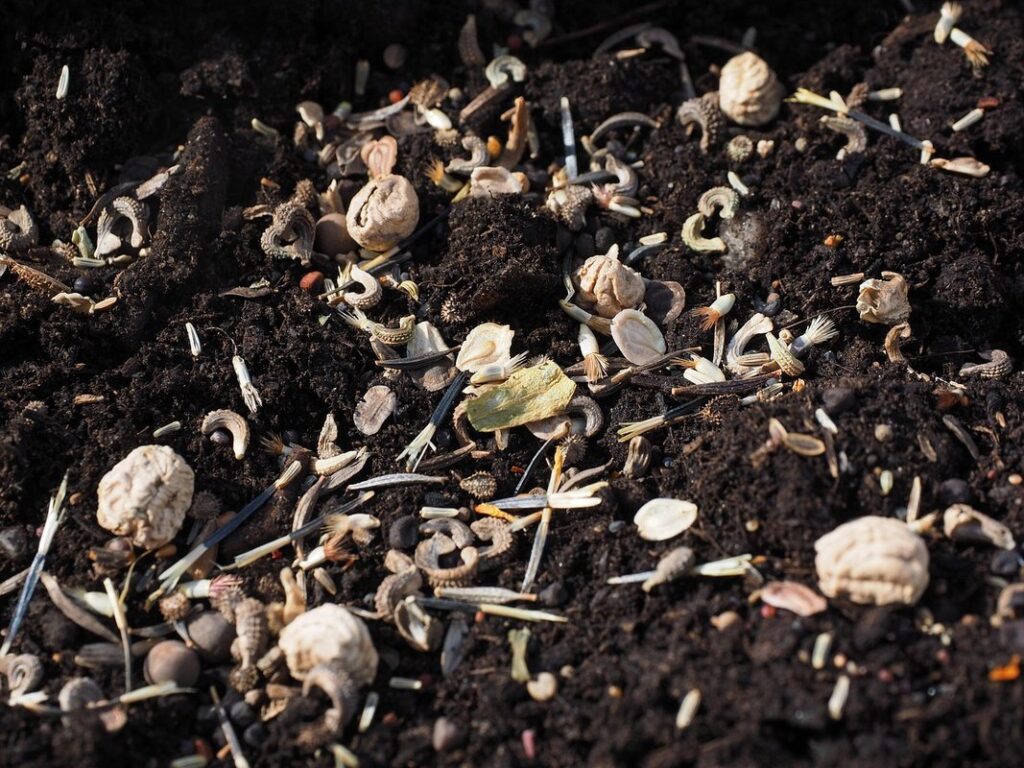
Understanding the Importance of Potting Mix for Herbs
When it comes to growing healthy and thriving herbs, the right potting mix is crucial. In this next part, we’ll explore why a specialized herb blend can make all the difference in your garden.
Benefits of Using a High-Quality Potting Mix
Using a high-quality potting mix can significantly impact the growth and health of your herbs. A good potting mix provides a balanced blend of essential nutrients that promote healthy root development, nutrient uptake, and overall plant vigor. This, in turn, leads to improved leaf color, texture, and flavor.
A well-crafted potting mix can also prevent common issues like nutrient deficiencies and pest/disease problems. For instance, some herb varieties are prone to magnesium deficiency, which can be caused by using a potting mix that lacks this essential micronutrient. By choosing a potting mix specifically formulated for herbs, you can minimize the risk of such deficiencies.
Moreover, a high-quality potting mix often contains natural ingredients like perlite or vermiculite that help with drainage and aeration. This reduces the likelihood of waterlogged soil conditions that are perfect breeding grounds for pests and diseases. By selecting a reputable potting mix brand and following the manufacturer’s instructions, you can create an optimal growing environment for your herbs to thrive.
Common Problems Caused by Poor Potting Mixes
Using subpar potting mixes can lead to a host of problems that can ultimately harm your herb plants. One common issue is reduced water retention, which means the soil dries out quickly, causing stress to the roots and making it difficult for the plant to absorb essential nutrients. This is often due to the presence of perlite or vermiculite, which may not be suitable for herbs that prefer a more consistent moisture level.
Another problem caused by poor potting mixes is increased soil pH, which can be detrimental to herb plants that are sensitive to alkalinity. For example, basil and mint thrive in acidic soils with a pH between 6.0 and 7.0. If the potting mix has a high pH, it can cause nutrient deficiencies and hinder plant growth.
Furthermore, subpar potting mixes can increase susceptibility to root rot, which is often caused by excess moisture, poor drainage, or fungal infections. This can lead to the death of the roots, causing the plant to wilt and eventually die. To avoid these issues, choose a potting mix specifically designed for herbs and follow the manufacturer’s instructions for use. Regularly check the soil pH and adjust as necessary to ensure optimal growing conditions for your herb plants.
Types of Potting Mix for Herbs: Organic, Inorganic, and Hybrid Options
When it comes to choosing a potting mix for your herbs, you have three main types to consider: organic, inorganic, and hybrid blends that cater to specific growing needs. Each option has its own unique benefits and drawbacks.
Organic Potting Mix: Pros and Cons
When it comes to choosing an organic potting mix for your herbs, you’re likely aware of its numerous benefits. One of the most significant advantages is its potential for improved soil structure. Organic mixes are often made from a combination of natural ingredients such as peat moss, compost, and perlite, which work together to create a well-draining yet moisture-retentive environment that’s perfect for herbs.
Another benefit of using an organic potting mix is the reduced chemical use. By avoiding synthetic fertilizers and pesticides, you’re creating a healthier soil ecosystem that promotes beneficial microorganisms and minimizes the risk of contamination. This not only benefits your plants but also the environment as a whole.
However, there are some drawbacks to consider when opting for an organic potting mix. For one, it may be more expensive than its inorganic counterpart. Additionally, some mixes may require more frequent replenishment due to their natural composition breaking down over time. To mitigate this, make sure to choose a high-quality mix with long-lasting ingredients and follow the manufacturer’s recommendations for maintenance.
Carbon sequestration is another advantage of using an organic potting mix. As these mixes break down, they release carbon into the soil, which can help offset your garden’s carbon footprint. By choosing an organic option, you’re contributing to a more sustainable gardening practice that benefits both your plants and the environment.
Inorganic Potting Mix: Characteristics and Limitations
Inorganic potting mixes are made from synthetic materials such as perlite, vermiculite, and polypropylene. These components enable the mix to hold a significant amount of water, reducing the need for frequent watering. This characteristic is particularly beneficial in areas with low rainfall or high temperatures, where moisture loss can be rapid.
One of the key advantages of inorganic mixes is their ability to suppress disease and pests. The inert nature of these materials makes it difficult for microorganisms to colonize, thereby reducing the risk of root rot and other diseases. However, this same quality also means that inorganic mixes may lack essential nutrients for herbs, leading to nutrient deficiencies over time.
Another limitation of inorganic potting mixes is their environmental impact. Some synthetic components can leach into the soil, contaminating groundwater and affecting local ecosystems. If you choose to use an inorganic mix, be sure to select a reputable brand that prioritizes sustainability and uses eco-friendly materials. Consider mixing it with organic matter to balance out its limitations and create a more sustainable growing medium for your herbs.
Key Ingredients to Look for in a Good Potting Mix for Herbs
When choosing a potting mix for your herbs, there are several key ingredients you should look out for to ensure optimal growth and health. These include high-quality organic matter and essential nutrients like nitrogen and potassium.
Peat Moss vs. Coconut Coir: Which is Better?
When it comes to choosing a primary component for potting mixes, two popular options are peat moss and coconut coir. Both have their benefits and drawbacks, which we’ll break down below.
Peat moss has been a staple in gardening for decades due to its water retention properties and ability to prevent soil compaction. However, it’s also highly acidic, which can lead to nutrient deficiencies if not balanced with other ingredients. Moreover, peat moss is often harvested from bogs at alarming rates, contributing to the degradation of these ecosystems.
On the other hand, coconut coir offers a more sustainable alternative. Made from coconut husks, it’s a renewable resource that’s rich in nutrients and has excellent water-holding capacity. However, it can be prone to drying out if not properly hydrated, and its high pH level may require additional buffering agents.
Ultimately, the choice between peat moss and coconut coir depends on your specific gardening needs and preferences. If you’re looking for a more environmentally friendly option, coconut coir might be the better choice. But if you prioritize water retention, peat moss could still be a viable option – just be sure to balance it with other ingredients to avoid nutrient deficiencies.
Worm Castings, Compost Tea, and Other Beneficial Additives
When it comes to creating an ideal potting mix for herbs, incorporating beneficial additives can take your herb garden to the next level. One such additive is worm castings, also known as vermicompost. This natural, nutrient-rich substance is created when worms break down organic matter and can improve soil structure, increase water retention, and provide a boost of essential micronutrients.
Compost tea is another powerful additive that deserves attention. By steeping compost in water, you create a liquid solution teeming with beneficial microbes that can help control pests, diseases, and even promote plant growth. Simply brew a quart of compost tea for 24 hours, then use it as a foliar spray or add it to the soil.
You can also consider adding other beneficial additives like fish bone meal, alfalfa meal, or kelp meal to your potting mix. These natural fertilizers provide essential micronutrients and support overall plant health. Experiment with different combinations of these additives to create a customized blend that meets the specific needs of your herb plants.
Choosing the Right Potting Mix for Specific Herbs: Considerations for Popular Varieties
When growing herbs, selecting a potting mix that caters to their unique needs is crucial. In this section, we’ll delve into considerations for popular herb varieties like basil and rosemary.
Basil, Cilantro, and Dill: Specialized Needs and Recommendations
Basil is one of the most popular herbs grown in gardens worldwide. However, it requires specific conditions to thrive. It prefers slightly acidic soil with a pH between 6.0 and 7.0, which makes it more sensitive to alkaline soil. Consistent moisture levels are also essential for basil, but overwatering can lead to root rot.
Cilantro, on the other hand, has a unique requirement for well-draining soil due to its shallow roots and preference for moist but not waterlogged conditions. It thrives in slightly acidic to neutral soil pH (around 6.0-7.0). In terms of nutrients, both basil and cilantro require balanced fertilization with an emphasis on nitrogen.
Dill is another herb that requires specific care, including well-draining soil and full sun exposure. Like basil, it prefers a slightly acidic to neutral soil pH (around 6.0-7.0) and consistent moisture levels. However, dill is more tolerant of dry spells than the other two herbs mentioned.
When growing these three popular herbs, consider their unique requirements when selecting your potting mix. For instance, you can opt for a mix with added perlite or vermiculite to improve drainage, especially for cilantro and dill. Similarly, if you’re using a general-purpose potting mix, it’s essential to balance the fertilizer content according to your herb of choice.
Mint, Lemon Balm, and Other Hardy Herbs: What to Look for in a Potting Mix
When it comes to hardy herbs like mint and lemon balm, you’ll want to choose a potting mix that can support their robust growth. These plants have a reputation for being invasive, so they require a potting mix that can handle their dense roots and aggressive spreading.
Look for a potting mix with good drainage properties, as these plants are susceptible to root rot if the soil is too moist. A mix with perlite or vermiculite will help excess water drain quickly, preventing waterlogged soil. You’ll also want a mix with a moderate level of organic matter, such as peat moss or compost, to provide nutrients and retain moisture.
Consider a potting mix specifically designed for containers or hanging baskets, as these plants can thrive in confined spaces. Some popular options include Miracle-Gro Organic Choice Potting Mix or Espoma Organic Herb & Vegetable Planting Mix. When selecting a potting mix, read the label carefully to ensure it meets your hardy herb’s specific needs.
Preparing Your Own Potting Mix: A Step-by-Step Guide
Now that you have a good understanding of potting mixes for herbs, let’s dive into creating your own custom blend by preparing your own potting mix from scratch.
Collecting Materials and Measuring Ingredients
When it comes to preparing your own potting mix for herbs, one of the most crucial steps is collecting the necessary ingredients. To create a well-balanced blend, you’ll need the following materials:
* Peat moss: This acidic ingredient helps retain moisture and suppress weed growth.
* Perlite: A porous volcanic glass that improves drainage and aeration in the soil.
* Vermiculite: A lightweight, water-retentive additive that enhances root development and prevents overwatering.
* Organic fertilizers: Choose from natural sources like compost, fish bone meal, or alfalfa meal to provide essential nutrients for your herbs.
When measuring out these ingredients, remember that a general rule of thumb is to use 1 part peat moss to 2 parts perlite and vermiculite. You can adjust this ratio based on the specific needs of your herb plants – for example, if you’re growing delicate seedlings, you may want to add more vermiculite for extra moisture retention.
To ensure accuracy, invest in a digital scale or measuring cups to measure out each ingredient precisely. This will help prevent over- or under-mixing, which can compromise the overall quality of your potting mix.
Mixing and Conditioning the Blend
Now that you’ve created your blend, it’s time to mix and condition it. This process is crucial for creating a well-balanced potting mix that will support the growth of your herbs. To mix the blend, start by combining all the ingredients together in a large bucket or container. Use a garden fork to gently fold the ingredients together until they’re evenly distributed.
The ratio of each ingredient will depend on your specific recipe, but as a general rule, it’s best to err on the side of caution and start with a slightly heavier mix. This means adding more peat moss or coconut coir than perlite or vermiculite, for example. As you mix, make sure to break up any clumps that form.
Once your blend is well-mixed, it’s time to condition it. To do this, fill a small bucket or container with 2-3 inches of water and add the potting mix in increments, mixing thoroughly after each addition. This will help the ingredients absorb excess moisture and become more stable. Repeat this process until you’ve conditioned about half of the total blend.
Now your potting mix is ready to use! Make sure to store any leftover mix in a sealed container to prevent it from drying out or becoming contaminated.
Maintaining Healthy Herbs in Your Potting Mix: Tips for Optimal Growth
Now that you’ve selected the perfect potting mix, let’s talk about how to keep your herbs thriving by maintaining optimal conditions and minimizing common issues. With these expert tips, you’ll be enjoying fresh herbs in no time.
Monitoring Soil Moisture Levels and pH
Monitoring soil moisture levels is crucial to ensure healthy growth of your herbs. Overwatering can lead to root rot and other issues, while underwatering can cause stress to the plant. To check the moisture levels, insert your finger into the soil up to the first knuckle. If the soil feels dry, it’s time to water. However, if it still feels damp or moist, wait another day before checking again.
pH levels also play a significant role in herb growth. Most herbs prefer a slightly acidic to neutral pH range (6.0-7.0). You can purchase a soil testing kit to determine the pH of your potting mix. If the reading is too high or low, you’ll need to adjust it by mixing in lime to raise the pH or sulfur to lower it.
To make adjustments, start with small increments (about 1/4 teaspoon per gallon) and monitor the plant’s response. Keep in mind that some herbs are more sensitive than others. For example, mint is more tolerant of acidic conditions, while basil prefers a slightly sweeter soil.
Fertilizing and Pruning: Best Practices for Healthy Herb Growth
Fertilizing and pruning are crucial practices to promote healthy herb growth in your potting mix. Fertilizers provide essential nutrients that support plant development, while pruning helps maintain shape, encourages new growth, and prevents disease.
When it comes to fertilizing herbs, timing is everything. Feed them with a balanced fertilizer (10-10-10 N-P-K ratio) when they’re actively growing, usually during the spring and summer months. You can also use a water-soluble fertilizer for an easy boost. A general rule of thumb is to fertilize once a month, but this may vary depending on your herb’s specific needs.
Pruning is just as important as fertilizing. Pinch off flower buds to direct energy towards leaf growth and prevent the plant from flowering too early. Regular pruning also encourages bushy growth and prevents herbs like mint and lemongrass from becoming leggy. To prune, simply snip off any dead or damaged leaves with scissors or pinch off tips of stems.
To get the most out of fertilizing and pruning, observe your herb’s growth patterns and adjust your approach accordingly. This will help you develop a tailored care routine that suits your specific herbs’ needs.
Conclusion: Selecting the Perfect Potting Mix for Your Herb Garden
Now that you’ve learned about the different types of potting mixes and how to create your own, let’s discuss how to select the perfect blend for your herb garden.
Recap of Key Points and Recommendations
When it comes to creating a thriving herb garden, selecting the right potting mix is crucial. As we’ve discussed throughout this article, not all potting mixes are created equal. A high-quality blend that caters to the specific needs of your herb varieties will make all the difference in their growth and health.
So, let’s recap some key takeaways from our guide:
* Choose a well-draining mix for herbs like mint, basil, and rosemary, which prefer dry soil conditions.
* Opt for a mix with organic matter like peat moss or coconut coir to retain moisture and suppress diseases.
* Consider the pH level of your potting mix; most herbs prefer slightly acidic to neutral soils (pH 6.0-7.0).
* Select a blend that contains essential nutrients, such as nitrogen, phosphorus, and potassium, for optimal growth.
In addition to these general guidelines, we’ve also highlighted specific recommendations for popular herb varieties:
* For acid-loving herbs like thyme and oregano, select a potting mix with a lower pH (around 5.5-6.0).
* For herbs that prefer wet conditions, such as lemongrass and ginger, use a mix with excellent water-holding capacity.
By applying these takeaways to your herb garden selection process, you’ll be well on your way to creating a thriving oasis filled with fragrant and delicious herbs. Remember, it’s all about choosing the right potting mix for the specific needs of your plants. With this knowledge in hand, you can say goodbye to disappointing yields and hello to a bountiful harvest of fresh, flavorful herbs.
Frequently Asked Questions
How Do I Know if My Current Potting Mix is Causing Problems for My Herbs?
Yes, it’s essential to monitor your herbs’ response to the potting mix by observing their growth, leaf color, and texture. If you notice any signs of dryness, pests, or root rot, it may be due to an inadequate or poor-quality potting mix.
What Are Some Signs That My Herbs Need a pH Adjustment in Their Potting Mix?
If your herbs are exhibiting yellowing leaves, stunted growth, or reduced flavor, it could indicate that the pH level of their potting mix is not suitable. A good potting mix for herbs typically has a slightly acidic to neutral pH range (around 6.0-7.0).
Can I Mix My Own Potting Mix Using Ingredients From My Local Garden?
Yes, you can create your own potting mix using ingredients like compost, worm castings, and coconut coir. However, ensure that the materials are properly sterilized and mixed to achieve a balanced blend of essential nutrients.
How Often Should I Fertilize My Herbs Growing in a Potting Mix?
Fertilizing herbs regularly can promote healthy growth and prevent nutrient deficiencies. A good rule of thumb is to fertilize your herbs every 1-2 weeks during the growing season, using a balanced fertilizer specifically designed for herb gardens.
What’s the Best Way to Store Unused Potting Mix to Maintain Its Quality?
Unused potting mix should be stored in an airtight container, away from direct sunlight and moisture. This will help preserve its potency and prevent degradation, ensuring it remains effective when needed for future plantings.