
Composting leaves is an essential practice for gardeners and homeowners, offering numerous benefits to the environment while creating nutrient-rich soil for your plants. However, turning piles of leaves into valuable compost can be time-consuming and frustrating if not done correctly. The good news is that you don’t have to wait months for your leaf pile to break down. With a few simple tips and techniques, you can learn how to compost leaves quickly and efficiently. In this comprehensive guide, we’ll cover the benefits of fast composting, essential materials needed, and common issues to avoid, providing you with everything you need to turn those fallen leaves into valuable fertilizer for your garden.
Benefits of Composting Leaves
Now that you’re getting a handle on collecting and processing your fallen leaves, let’s dive into why composting them is such a great idea for your garden.
Reduces Waste and Saves Money
When you think about composting leaves, it’s easy to focus on the environmental benefits. But did you know that reducing waste and saving money are two significant advantages of leaf composting? By diverting fallen leaves from landfills, you’re not only reducing greenhouse gas emissions but also cutting down on waste management costs.
In the US alone, yard trimmings account for over 30% of municipal solid waste. Composting these materials can significantly reduce the financial burden on homeowners and municipalities alike. According to a study by the US Environmental Protection Agency (EPA), composting can save communities up to $200 per household annually.
By composting leaves in your own backyard, you’ll also be reducing your reliance on synthetic fertilizers. These products not only harm the environment but also drain your wallet. By creating nutrient-rich compost from your fallen leaves, you can reduce your fertilizer purchases by up to 50%. That’s a significant savings for gardeners and farmers alike. To maximize these financial benefits, make sure to keep a dedicated compost pile for your leaves and maintain it regularly.
Supports Environmental Sustainability
Composting leaves is not just a great way to reduce waste and create nutrient-rich soil for your garden – it also plays a significant role in supporting environmental sustainability. By composting leaves, you’re contributing to the reduction of greenhouse gas emissions that contribute to climate change.
For instance, when leaves decompose in landfills, they release methane, a potent greenhouse gas with 28 times more global warming potential than carbon dioxide over a 100-year time frame. In contrast, when leaves are composted, this process captures and stores the carbon within the leaf, reducing its contribution to climate change.
Composting leaves also helps conserve water by improving soil structure and increasing its ability to hold moisture. This is particularly important for gardeners who live in areas with limited rainfall or who want to reduce their reliance on irrigation systems. By creating a well-balanced compost mix that includes finished compost from leaf material, you’ll be able to grow healthier plants that require less watering.
To maximize the environmental benefits of your leaf composting efforts, consider adding other organic materials like vegetable scraps and grass clippings to create a diverse nutrient-rich compost blend.
Choosing the Right Materials
When it comes to composting leaves quickly, choosing the right materials is crucial. This section will help you decide on the perfect mix of ingredients for efficient leaf decomposition.
Selecting the Perfect Composting Bin
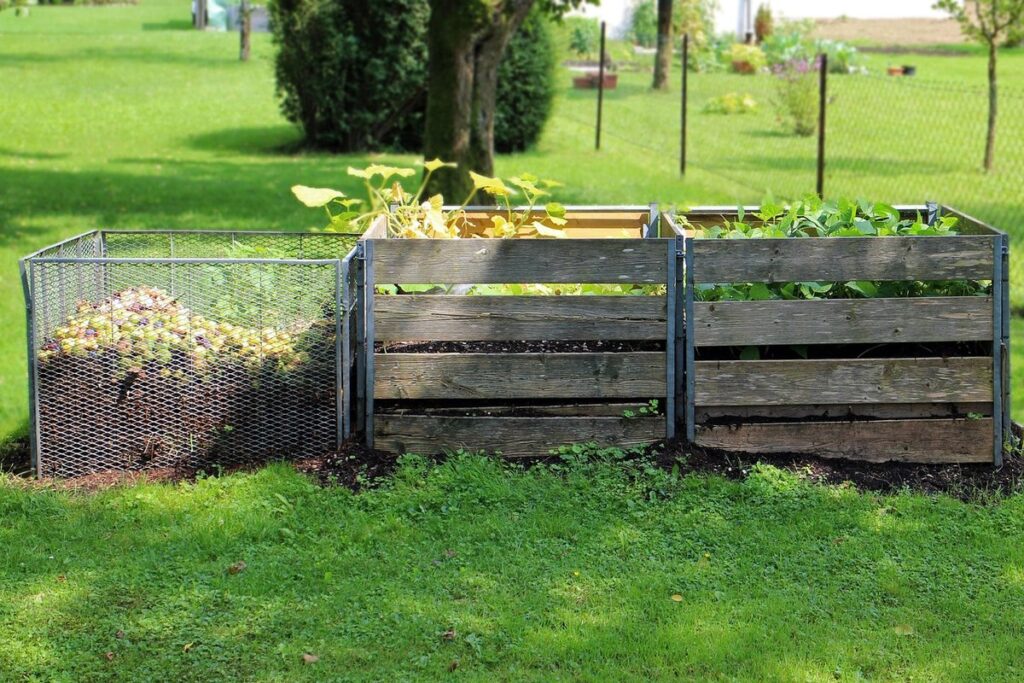
When it comes to composting leaves fast, having the right equipment is crucial. Your composting bin is more than just a container – it’s a tool that helps you manage moisture, suppress odors, and speed up decomposition. With so many options available, selecting the perfect composting bin can be overwhelming.
Let’s compare some of the most popular types: plastic, metal, and wooden containers. Plastic bins are lightweight, easy to clean, and often inexpensive. However, they may not breathe well, which can lead to anaerobic conditions that slow down decomposition. Metal bins, on the other hand, are durable and can withstand harsh weather conditions. They also allow for good airflow, but can be noisy when rain falls on them.
Consider your climate, available space, and personal preferences when choosing a composting bin. Wooden containers are eco-friendly and blend seamlessly into gardens, but may require more maintenance than other options. Ultimately, select a bin that complements your composting routine and provides the right balance of features for efficient leaf composting.
Adding Brown Materials
When it comes to composting leaves quickly and efficiently, adding brown materials is a crucial step. Brown materials, such as dry leaves, straw, and shredded newspaper, play a vital role in creating a balanced compost pile. These materials are high in carbon content, which helps to absorb excess moisture and nutrients from the green materials like leaves.
To start incorporating brown materials into your leaf composting process, try adding a 2-3 inch layer of dry leaves or straw to the bottom of your compost bin. You can also shred old newspapers and add them to the mix. The key is to create a balance between “green” (nitrogen-rich) and “brown” (carbon-rich) materials. Aim for a mix that’s 25-30% brown materials and 70-75% green materials.
For example, if you’re composting a large batch of fallen leaves, add a layer of dry straw or shredded newspaper on top to absorb excess moisture and help speed up the decomposition process. This simple addition can make all the difference in achieving a balanced compost pile and speeding up the leaf composting process.
Creating an Optimal Compost Pile
To create a thriving compost pile, you’ll need to balance green and brown materials, ensuring each layer is roughly 2-3 parts “brown” to one part “green”. This simple ratio yields impressive results!
Layering Green and Brown Materials
When layering green and brown materials to create an optimal compost pile, it’s essential to strike the right balance between nitrogen-rich “green” materials and carbon-rich “brown” materials. This ratio is crucial for achieving fast decomposition of leaves.
Green materials, such as food scraps or grass clippings, are high in nitrogen (N) content. They provide the necessary energy for microorganisms to break down organic matter quickly. On the other hand, brown materials like dried leaves, twigs, and shredded newspaper are rich in carbon (C). They add bulk and help balance out the high nitrogen levels.
Aim for a mix of 2/3 brown materials and 1/3 green materials in your pile. This ratio allows for efficient decomposition while minimizing odors and pests. For example, you can layer 6-8 inches of dry leaves or shredded newspaper with 2-3 inches of grass clippings or food scraps. Repeat this process to create a layered pile.
Keep in mind that the ideal mix may vary depending on your specific composting needs. Monitor your pile’s moisture levels and adjust the mix accordingly.
Maintaining Moisture Levels
Maintaining adequate moisture levels in the compost pile is crucial for speeding up the decomposition process. If the pile gets too dry, it can slow down the breakdown of organic materials, while excessive moisture can lead to anaerobic conditions and unpleasant odors. Aim to keep the compost pile moist, like a damp sponge – not soaking wet.
To achieve this balance, mix in 2-4 inches of water into the pile every few days or as needed. You can also cover the pile with a tarp or plastic sheeting to retain moisture and regulate temperature fluctuations. Additionally, incorporating materials high in nitrogen, such as fresh grass clippings or blood meal, will help maintain moisture levels.
As a general rule, aim for 40-50% moisture content in your compost pile. Check this by squeezing a handful of the mixture – if it sticks together, it’s right. If it falls apart easily, add more water. If it’s too soggy, mix in some dry leaves or shredded newspaper to balance it out.
Keep an eye on your pile’s moisture levels and adjust accordingly. With practice, you’ll develop a sense of when the pile needs more moisture – and be rewarded with faster decomposition times!
Managing Odors and Pests
Now that you’ve got a pile of leaves composting, let’s tackle some common problems: odors and pests can be a nuisance, but there are simple ways to prevent them.
Minimizing Odor Production
When it comes to composting leaves quickly, minimizing odor production is crucial. A smelly compost pile can attract pests and even deter you from maintaining the pile regularly. To prevent this, make sure to aerate your compost pile regularly.
Aeration helps to introduce oxygen into the pile, which encourages microbial activity that breaks down organic matter efficiently. You can achieve this by turning the pile every 7-10 days, depending on its size and moisture content. Use a fork or shovel to gently turn the leaves, making sure not to compact them further.
To take it a step further, you can also add some bulking agents like straw or shredded newspaper to absorb excess moisture and reduce odor production. Additionally, make sure your compost pile is not too dense; aim for a mix of 2/3 “brown” materials (dried leaves, straw) and 1/3 “green” materials (food scraps, grass clippings). This balance will promote healthy decomposition without creating an ideal environment for odors. Regular maintenance is key to keeping your compost pile odor-free and producing nutrient-rich compost in no time!
Preventing Pest Infestations
Preventing pest infestations is crucial when composting leaves fast. These unwanted critters can be a significant problem if not addressed properly. Start by using natural deterrents to keep pests at bay. For example, adding red pepper flakes or hot sauce to the compost pile can repel rodents and other small animals.
Another essential step in preventing pest infestations is ensuring proper compost pile maintenance. This includes regular turning of the pile, which helps maintain oxygen levels and prevents the buildup of heat that pests thrive in. It’s also essential to keep the pile at a manageable size, as large piles can be more susceptible to pest infestations.
By implementing these methods, you can reduce the likelihood of pest infestations and ensure your composting process runs smoothly. Regularly inspect your pile for signs of pests, such as holes or mounds of debris. If you do encounter an issue, address it promptly by adding more carbon-rich materials to balance out the nitrogen levels in the pile.
Keep in mind that prevention is always better than treatment, so be proactive and take steps to prevent pest infestations from occurring in the first place.
Monitoring Progress and Harvesting
Now that you’ve got your leaf compost pile set up, it’s time to monitor its progress and know when to harvest your nutrient-rich soil amendment. You’ll want to check for key indicators of decomposition.
Checking Compost Readiness
Now that you’ve been composting leaves for a few weeks, it’s time to check if they’re ready to use. This is an exciting moment, as it means you can start incorporating the nutrient-rich compost into your garden or indoor plants.
To determine if your compost is ready, look for these signs: texture and consistency are key. Compost should be dark brown or black in color and have a crumbly, earthy texture similar to potting soil. If it’s still too wet and soggy, it’s not yet ready.
Check the temperature as well – it should have cooled down significantly from its initial hot phase. The ideal temperature for finished compost is around 130°F (54°C). You can use a thermometer to check, but be aware that temperatures will fluctuate with external conditions.
Lastly, give your compost a sniff – if it doesn’t have an unpleasant odor, it’s likely ready to go. A good rule of thumb is that finished compost should smell earthy or slightly sweet, rather than pungent or sour. If you’re still unsure, wait another week and check again – your patience will be rewarded with the perfect compost for your plants!
Using Your Compost
Now that you’ve completed the composting process and have a rich batch of finished compost, it’s time to put it to good use. One of the most rewarding aspects of composting is seeing the benefits it brings to your garden or yard.
First and foremost, using your compost can help improve soil structure. This is especially important if you’re working with heavy clay soils that can become waterlogged during wet weather. By mixing in a 2-3 inch layer of compost, you’ll be adding vital nutrients, improving drainage, and creating a more balanced pH level.
Another benefit of compost is its ability to support plant growth. As the microorganisms in your finished compost break down organic matter, they release essential nutrients like nitrogen, phosphorus, and potassium that plants crave. Simply mix a 10-20% blend of compost into your potting mix or topsoil for an instant boost.
To further maximize the benefits of your compost, consider using it to reduce erosion on slopes or embankments. By applying a thick layer of compost, you’ll help stabilize the soil and prevent water from washing away valuable nutrients.
Troubleshooting Common Issues
We’ve covered the basics of composting leaves quickly, but sometimes things don’t go as planned. Let’s tackle some common issues that might arise in your leaf-composting journey.
Dealing with Overheating Piles
Overheated piles can be a frustrating issue when composting leaves fast. When temperatures rise above 160°F (71°C), it’s essential to take action to prevent burning and nutrient loss. To reduce heat buildup, start by increasing the pile’s carbon-to-nitrogen ratio. Add more brown materials like dried leaves or shredded newspaper to balance out the green materials, such as fresh grass clippings or kitchen scraps.
Aerating your compost pile can also help regulate temperatures. Use a pitchfork or compost aerator to turn the pile every 7-10 days. This introduces oxygen and speeds up decomposition, allowing excess heat to escape. Monitor temperature with a compost thermometer to track progress. If the temperature exceeds 160°F (71°C), let it cool down before continuing.
To maintain optimal temperatures, aim for a moisture level between 40-60%. Avoid overwatering, which can lead to anaerobic conditions and increased heat buildup. Regularly check your pile’s moisture by squeezing a handful of compost; if it sticks together, it’s too wet. By implementing these strategies, you’ll be able to manage overheated piles and ensure successful leaf composting.
Addressing Pathogens and Weeds
When composting leaves quickly, it’s essential to address two common issues that can arise: pathogens and weeds. Pathogens are microorganisms like bacteria and fungi that can cause disease in plants, while weeds can spread rapidly through compost, making it less valuable for gardening purposes.
To minimize the risks of pathogens in your leaf compost, make sure to balance ‘C’ (carbon-rich materials) with ‘N’ (nitrogen-rich materials). This ratio is crucial in preventing anaerobic conditions that foster pathogen growth. Aim for a mix of 2/3 carbon-rich materials like dry leaves and 1/3 nitrogen-rich materials such as fresh grass clippings or manure.
For weeds, regular turning of the compost pile helps to prevent them from taking root. Also, ensure you add sufficient brown materials (dry and carbon-rich) which can suppress weed seeds. Finally, if you notice any weeds in your leaf compost, immediately remove them to prevent their spread.
Remember, patience is key when it comes to composting leaves quickly. Regular monitoring and maintenance will help ensure that your leaf compost remains free from pathogens and weeds.
Frequently Asked Questions
Can I compost leaves from diseased or infested plants?
Yes, you can still use fallen leaves from diseased or infested plants for composting, but it’s essential to follow proper protocols to prevent the spread of pathogens and pests. Make sure to chop the leaves finely and mix them with other materials to reduce their potential impact on your garden. Additionally, maintain optimal moisture levels and monitor your compost pile regularly to ensure that any issues are addressed promptly.
How do I know if my leaf compost is too wet or too dry?
To check the moisture level of your leaf compost, perform the “squeeze test”: take a handful of compost and squeeze it firmly. If water drips out, your compost is too wet. On the other hand, if the compost crumbles easily, it’s too dry. Adjust your watering schedule accordingly to maintain optimal moisture levels between 40-60%.
Can I use shredded leaves or should they be whole?
You can use both shredded and whole leaves for composting, depending on your preference and the materials available. Shredded leaves break down faster than whole ones, but may attract pests more easily. Whole leaves take longer to decompose but provide better insulation and structure to your compost pile.
How long does it typically take for leaf compost to be ready for use?
The time required for leaf compost to be ready varies depending on factors such as temperature, moisture levels, and the carbon-to-nitrogen ratio of your materials. Generally, you can expect a well-maintained compost pile to produce usable compost within 2-3 months in optimal conditions.
Can I mix other yard waste with my leaves for faster decomposition?
Yes, mixing other yard waste like grass clippings, vegetable scraps, or coffee grounds with fallen leaves can enhance the decomposition process. Just be sure to balance the carbon-to-nitrogen ratio and maintain adequate moisture levels to avoid over-acidification of your compost pile.