
Growing your own herbs can be one of the most rewarding experiences in gardening, and for many home cooks, fresh parsley is at the top of the list. Not only does it add a burst of freshness to salads, sauces, and soups, but it’s also incredibly easy to grow. However, getting the best out of your parsley requires more than just throwing some seeds in the ground. To ensure a bountiful harvest of fresh, flavorful herbs, you need to choose the right variety, prepare the soil properly, water it correctly, and keep an eye out for pests that can destroy your crop.
In this guide, we’ll walk you through everything you need to know to grow parsley successfully, from selecting the best varieties for your climate and needs to managing common issues like pests and diseases. Whether you’re a seasoned gardener or just starting out, our comprehensive guide will help you grow delicious, fragrant parsley that will elevate any dish.
Choosing the Right Variety
When it comes to growing parsley, selecting the right variety is crucial for optimal flavor and performance. You’ll want to choose between curly-leafed, flat-leafed, and other specialty varieties suited to your needs.
Understanding Parsley Types
When it comes to growing parsley, understanding the different types can be a bit overwhelming. However, each type has its unique characteristics that set it apart from others. Let’s start with the most common varieties: curly-leaf parsley, flat-leaf parsley (also known as Italian parsley), and Italian giant parsley.
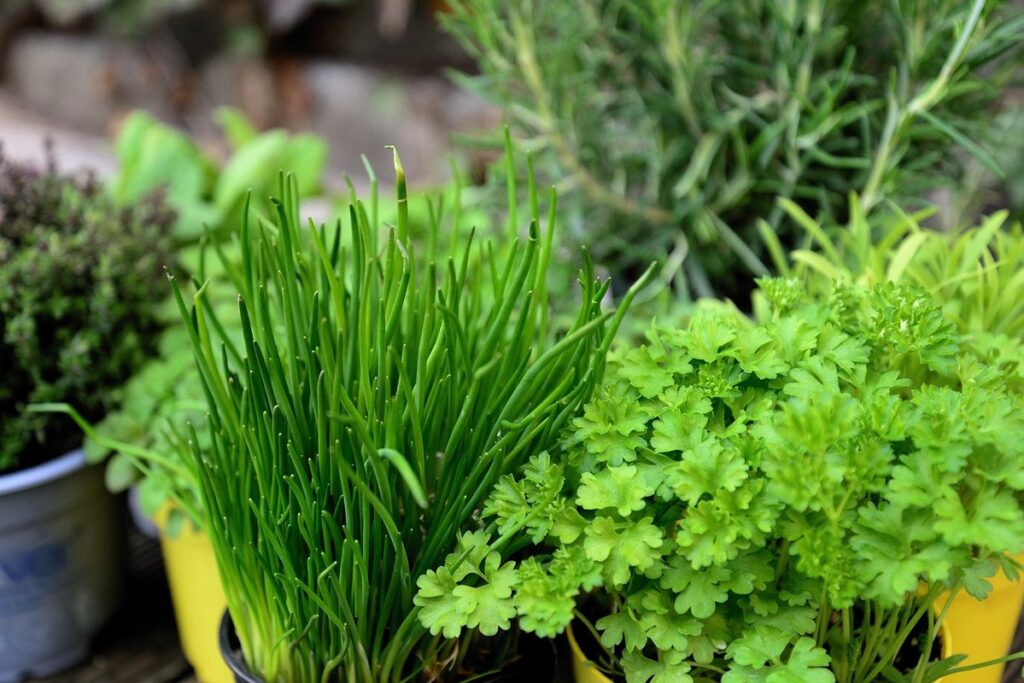
Curly-leaf parsley is the most recognizable variety, known for its bright green leaves with a curled edge. It grows relatively fast and has a milder flavor profile, making it perfect for adding a fresh taste to salads and garnishes. Flat-leaf parsley, on the other hand, has broad, flat leaves that are more versatile in cooking. Its robust flavor pairs well with Mediterranean dishes and is often used as a substitute for basil.
Italian giant parsley stands out due to its large, dark green leaves. This variety grows slower than curly-leaf but packs a stronger punch when it comes to flavor. It’s commonly used in Italian cooking, especially when paired with tomato sauces and olive oil. When choosing a type of parsley, consider the specific uses you have in mind for your crop. For example, if you want to add fresh herbs to salads, curly-leaf is a great choice.
Selecting Healthy Seeds or Seedlings
When selecting seeds or seedlings for growing parsley, it’s essential to choose high-quality options that can thrive in your specific climate and growing conditions. To begin with seeds, look for those from reputable suppliers or seed banks that specialize in herbs like parsley. Inspect the seeds for any visible signs of damage, such as cracks or mold, which can indicate poor storage or handling.
When purchasing seedlings, inspect them carefully for signs of disease or pests. Check the leaves for yellowing or blackening, and look for any white powdery residue that may indicate fungal growth. Also, gently touch the soil around the roots to ensure it’s moist but not waterlogged. Healthy seedlings should have a robust stem and bright green leaves with no visible signs of pest infestation.
Consider factors like climate, temperature, and moisture levels in your area when selecting seeds or seedlings. Parsley is typically grown as a cool-season crop, so if you live in an extremely hot or cold region, choose a variety that’s bred for those conditions.
Preparing the Soil
Before you start sowing, it’s crucial to prepare your soil for parsley growth, as it prefers well-draining and fertile ground. Let’s dive into how to create an ideal environment for your parsley plants.
Assessing Your Soil Type
Determining your soil type is an essential step in growing healthy and robust parsley. To do this, you’ll need to consider two key factors: the texture of your soil and its pH level.
Start by digging a small hole in your garden bed and examining the soil as it comes out. If it sticks together when moist, forming a ball that holds its shape, you likely have clay soil. On the other hand, if the soil crumbles easily or falls apart when touched, it’s probably sandy. A mixture of both is typically classified as loam.
To determine your soil’s pH level, you can use a DIY testing kit or send a sample to a laboratory for analysis. Most herbs, including parsley, prefer well-draining soils with a slightly acidic to neutral pH (around 6-7). If your test reveals that your soil is too alkaline or acidic, don’t worry – it’s easy to amend.
For example, if you have alkaline clay soil, adding peat moss or sulfur can help lower the pH and create a more hospitable environment for parsley. Conversely, if your soil is too acidic, incorporating lime can raise the pH and reduce acidity. By understanding and adjusting your soil type, you’ll be well on your way to cultivating luscious and delicious parsley.
Creating a Favourable Growing Conditions
When it comes to growing parsley, providing favourable growing conditions is crucial for optimal growth. First and foremost, sunlight plays a significant role in parsley growth. Parsley requires partial shade to full sun, with at least four hours of direct sunlight per day. However, if you’re growing parsley indoors, make sure it’s placed near an east- or west-facing window.
Temperature-wise, parsley thrives best in temperatures between 60°F (15°C) and 70°F (21°C). Avoid placing your parsley plant in areas with extreme temperature fluctuations, as this can lead to bolting. Maintain a consistent moisture level by ensuring the soil is neither waterlogged nor parched. A well-draining potting mix will help prevent root rot.
To create an optimal microclimate for your parsley plant, consider using row covers or a cold frame to trap heat and moisture. This will not only protect your parsley from frost but also maintain a consistent temperature during cooler months. Additionally, ensure good air circulation around the plant to prevent fungal diseases that thrive in stagnant environments. By providing these favourable conditions, you’ll be well on your way to growing healthy, lush parsley leaves.
Sowing Seeds or Planting Seedlings
When growing parsley, one of the key decisions you’ll make is whether to sow seeds directly into the ground or start with seedlings. We’ll explore both options here.
Direct Sowing vs. Indoor Germination
When it comes to growing parsley from seed, you have two main options: direct sowing outdoors or starting seeds indoors in a seed tray. Both methods have their advantages and disadvantages, which we’ll explore below.
Direct sowing is often the preferred method for growing parsley, as it allows the plants to develop strong roots and a robust system before facing outdoor conditions. This approach also eliminates the need for transplanting, which can be stressful for young seedlings. However, direct sowing relies on favorable weather conditions and soil temperature. If the soil is too cold or exposed to extreme temperatures, germination rates may suffer.
On the other hand, starting seeds indoors in a seed tray provides more control over the growing environment. You can keep the soil warm (around 70-80°F) and provide adequate light, resulting in higher germination rates. This method also allows you to get a head start on the growing season, as seedlings can be transplanted outdoors when weather conditions improve. However, indoor germination requires more time and effort, as seedlings need to be pruned and hardened off before being transferred outside.
Ultimately, the choice between direct sowing and indoor germination depends on your specific climate and gardening schedule. If you live in an area with mild winters and a long growing season, direct sowing may be the way to go. But if you’re in a cooler region or prefer a more controlled environment, starting seeds indoors can provide better results.
Planting Depth and Spacing
When sowing seeds for parsley, it’s essential to consider the correct planting depth and spacing to promote healthy growth. The ideal planting depth is about 1/8 inch (3-4 mm) deep, which allows for easy germination and root development. Sow seeds in rows that are 12-18 inches apart, depending on the variety of parsley you’re growing. This will give the plants enough room to mature without overcrowding.
If you’re planting seedlings instead, space them about 6-8 inches apart, with the exception of ‘Curled Leaf’ and ‘Flat Leaf’ varieties, which should be spaced 12 inches apart. Overcrowding can lead to reduced growth and increased susceptibility to disease. To avoid this, gently remove any weak or damaged seedlings from the planting area, allowing the stronger ones to thrive.
Remember that parsley is a slow-growing crop, so patience is key when it comes to spacing and planting depth. By following these guidelines, you’ll be well on your way to cultivating healthy, flavorful parsley for your kitchen garden.
Watering and Fertilizing
To keep your parsley plants thriving, it’s essential to provide them with the right amount of water and nutrients. In this next part of our guide, we’ll cover watering and fertilizing techniques specific to parsley.
Understanding Parsley’s Water Needs
Parsley’s water needs are crucial for healthy growth. Consistent moisture levels will encourage lush, green leaves and prevent scorching or wilting. However, it’s essential to note that overwatering can be detrimental, leading to root rot and other problems.
Soil type significantly impacts watering needs. Sandy soils drain quickly, requiring more frequent watering, while clay soils retain water, necessitating less frequent irrigation. If you’re unsure about your soil’s composition, consider performing a simple test by digging a small hole and observing how quickly it drains.
Climate and sunlight exposure also influence parsley’s watering requirements. In hot, dry climates or areas with intense sunlight, parsley needs more moisture to prevent scorching. Conversely, in cooler, shadier environments, less water is necessary.
As a general rule of thumb, aim to provide about 1-2 inches of water per week through either rain or irrigation. Check the soil’s moisture by inserting your finger into it; if it feels dry, it’s time to water. Be cautious not to overwater, as this can lead to root rot and other issues.
Feeding Your Parsley Plants
When it comes to feeding your parsley plants, you have several options to consider. Organic fertilizers are an excellent choice for gardeners who prefer a more natural approach. Compost, worm castings, and fish emulsion are all great organic options that provide a slow release of nutrients to the plant.
Inorganic fertilizers, on the other hand, offer a quicker burst of energy for your parsley plants. However, be cautious not to over-fertilize, as this can damage the plant’s roots and lead to weak growth. Balanced N-P-K (nitrogen-phosphorus-potassium) fertilizers are a good option if you prefer inorganic fertilization.
Timing is everything when it comes to applying fertilizer. For optimal results, feed your parsley plants during the active growing season, which typically occurs from spring to fall. You can also apply a balanced fertilizer at planting time or after harvesting to give your parsley plant a boost. Aim for a ratio of 5-10-10 (nitrogen-phosphorus-potassium) for most varieties of parsley.
Pest and Disease Management
To ensure a healthy parsley crop, it’s crucial to keep pests and diseases under control, which we’ll cover in the next few paragraphs. This includes identifying common problems and implementing effective management strategies.
Common Parsley Pests
Parsley is a delicate herb that can be susceptible to various pests that can harm its growth. Some common parsley pests include aphids, whiteflies, and spider mites. These tiny creatures can multiply quickly, causing significant damage to the plant’s leaves and stems.
Aphids are one of the most common parsley pests, often found on the underside of leaves or along the stem. They feed on sap, causing curled or distorted leaves. Whiteflies, on the other hand, are small flying insects that also feed on sap, leaving behind a sticky substance called honeydew. Spider mites are tiny, eight-legged arachnids that spin webs and suck sap from the plant.
To manage these pests, integrated pest management (IPM) strategies can be employed. Biological controls, such as introducing beneficial insects like ladybugs or lacewings that prey on aphids and whiteflies, can be effective. Physical barriers, like fine mesh or row covers, can prevent spider mites from reaching the plant. Regular monitoring of your parsley crop is essential to catch pest issues early and implement control measures before damage occurs.
When introducing beneficial insects, make sure to choose species specific to the pest you’re targeting, and release them in sufficient numbers to effectively manage the infestation. Also, consider using neem oil or insecticidal soap as a last resort to control pest populations.
Dealing with Fungal Diseases
Fungal diseases can be devastating for parsley plants, causing damage to roots and leaves. Two common fungal infections that affect parsley are root rot and leaf spot. Root rot occurs when the soil is waterlogged, creating an ideal environment for fungi to thrive. This leads to softened roots, yellowing leaves, and eventually plant death.
Leaf spot is another issue caused by fungal spores landing on leaves. It appears as circular or oval-shaped lesions with dark centers and lighter edges. Leaf spot can be spread through contaminated soil, water, or even infected tools. Prevention methods include crop rotation, which helps break the disease cycle. Sanitation also plays a crucial role – removing weeds, debris, and affected plants reduces fungal spore distribution.
For treatment, prune affected areas to prevent further spread. Improve air circulation around your parsley by thinning out surrounding plants. Avoid overwatering, as this can exacerbate root rot. Monitor your soil pH; most fungal diseases thrive in acidic conditions. By implementing these strategies, you can minimize the risk of fungal infections and maintain a healthy, thriving parsley crop. Regularly inspect your plants for signs of disease to catch any issues early on.
Harvesting and Storing
Once you’ve nurtured your parsley plants to maturity, it’s time to harvest them – learn how to cut and preserve fresh parsley for a continuous supply of this flavorful herb. We’ll also cover storage tips to keep it fresh for longer.
Timing Your Harvest
When it comes to harvesting parsley, timing is everything. The optimal time for harvesting depends on the type of parsley you’re growing and what you’re looking for. For curly-leafed parsley, the ideal time to harvest is when the leaves are at their fullest size but still young. This will result in a more delicate flavor and texture.
Flat-leafed parsley, on the other hand, can be harvested continuously throughout its growth period. Simply pinch or cut off individual leaves as needed, taking care not to damage the plant’s stem. Italian parsley is best harvested when the leaves are slightly smaller than those of curly-leafed parsley, giving it a more concentrated flavor.
Considerations such as leaf size, flavor profile, and texture can also impact your harvesting schedule. Larger leaves tend to be more bitter, while smaller ones are often sweeter and milder. By timing your harvest carefully, you can enjoy the best flavor and aroma from your homegrown parsley.
Preserving Parsley for Year-Round Use
Preserving parsley for year-round use is essential if you want to enjoy its fresh flavor throughout the seasons. One of the most effective methods is freezing. To freeze parsley, simply chop it finely and place it in airtight containers or freezer bags. Frozen parsley is perfect for soups, stews, and sauces.
Drying is another great way to preserve parsley. You can use a food dehydrator or dry it naturally by tying the stems together and hanging them upside down in a warm, dry place. Once dried, store the parsley in airtight containers.
Pickling is also an excellent method for preserving parsley. Chop the parsley finely and soak it in a brine solution made from vinegar, salt, and spices. Pickled parsley adds a tangy flavor to salads, sandwiches, and other dishes. By preserving parsley through freezing, drying, or pickling, you can enjoy its fresh taste all year round.
Remember that frozen parsley is best used within 8-12 months, while dried and pickled parsley can be stored for up to 2 years.
Troubleshooting Common Issues
If you’re running into problems while growing parsley, don’t worry – we’ve got some solutions for you! This section will address common issues and provide tips to get your parsley back on track.
Identifying and Addressing Common Problems
One of the most frustrating things that can happen when growing parsley is encountering common problems that slow down progress. Slow growth, yellowing leaves, and pest infestations are just a few issues you might encounter. To get your parsley plants back on track, it’s essential to identify the root cause of the problem.
Slow growth can be caused by inadequate light, waterlogged soil, or insufficient nutrients. Check if your parsley is receiving at least four hours of direct sunlight daily and ensure the soil drains well. Fertilize with a balanced fertilizer once a month to provide essential nutrients. Yellowing leaves are often a sign of overwatering. Allow the top inch of soil to dry out between waterings, and consider repotting in fresh potting mix.
Pest infestations can be more challenging to address. Inspect your plants regularly for signs of aphids, whiteflies, or spider mites. Use neem oil or insecticidal soap to control infestations, and isolate affected plants to prevent the problem from spreading. By quickly identifying and addressing these common issues, you’ll be able to enjoy a healthy and thriving parsley crop.
Conclusion
In conclusion, growing parsley requires careful planning and attention to detail. By following the steps outlined in this comprehensive guide, you can enjoy a bountiful harvest of fresh, flavorful parsley. Remember that parsley is a cool-season crop, so it thrives in temperatures between 60-70°F (15-21°C).
A well-planned approach to growing parsley involves selecting the right variety for your region, preparing the soil properly, and providing optimal growing conditions. This includes ensuring adequate moisture, light, and air circulation. Don’t be discouraged by setbacks or failures – every gardener experiences them! Instead, use these opportunities to learn and refine your technique.
To ensure success, make sure to monitor your parsley plants regularly for signs of stress or disease. Keep a close eye on their growth patterns, adjust your care routine as needed, and enjoy the rewards of your labor. With practice and patience, you’ll become proficient in growing parsley that’s not only delicious but also visually appealing.
Frequently Asked Questions
What is the ideal time for harvesting parsley, and how often should I do it?
Harvesting parsley regularly encourages bushy growth and prevents flowering. For optimal flavor and fragrance, pick individual leaves or stems as needed. Pinch off flower buds to direct energy towards leaf production. Harvest in the morning, when leaves are at their highest moisture content. Harvest every 1-2 weeks for continuous production.
How do I prevent parsley from becoming leggy or developing bare spots?
To maintain a healthy and balanced growth habit, ensure your parsley plants receive consistent light and water. Pinch off flower buds regularly to direct energy towards leaf production. Fertilize with a balanced fertilizer once a month. Rotate your crop every 6-8 weeks to prevent pests and diseases from accumulating in the same area.
Can I grow parsley indoors year-round, or is it best suited for outdoor gardens?
Parsley can be grown indoors, but it requires more care than outdoor-grown plants. Provide bright, indirect light (4-6 hours of direct sunlight) and maintain a consistent temperature between 60°F to 70°F (15°C to 21°C). Use a well-draining potting mix and water when the top inch of soil feels dry.
How do I preserve parsley for year-round use, and what are some creative ways to store it?
Preserve fresh parsley by freezing it in airtight containers or bags. Chop leaves finely before freezing to prevent clumping. Use parsley in soups, stews, and sauces towards the end of cooking time to maintain its flavor and aroma. You can also dry parsley leaves by tying them in small bunches and hanging them upside down in a warm, dry place.
Can I grow multiple types of parsley together, or do they have specific growing requirements?
Some parsley varieties, like curly-leaf and flat-leaf, can be grown together. However, others may require separate conditions or more space to thrive. Research specific growing requirements for each variety before planting them together. Ensure companion plants with similar growing needs are planted in the same area for efficient resource allocation.