
Basil is one of those amazing herbs that brings so much flavor and aroma to our cooking, but have you ever noticed when your normally lush basil plant suddenly bursts into beautiful blooms? It’s not uncommon for basil to flower, especially during warmer months or with prolonged exposure to sunlight. However, as lovely as these purple, pink, or white flowers are, they can be a sign that your basil is focused on seed production rather than leaf growth – and we all want plenty of fresh leaves for our pesto, caprese salads, and other culinary delights. In this article, we’ll explore the reasons behind basil flowering and provide you with practical tips on how to control it, promote healthy leaf growth, and even make use of those lovely blooms in your cooking and arrangements.
Understanding Basil’s Life Cycle
To grow and harvest basil successfully, it’s essential to understand its unique life cycle, from seed germination to blooming. Knowing when and how basil flowers will help you manage this process effectively.
Recognizing the Signs of Flowering
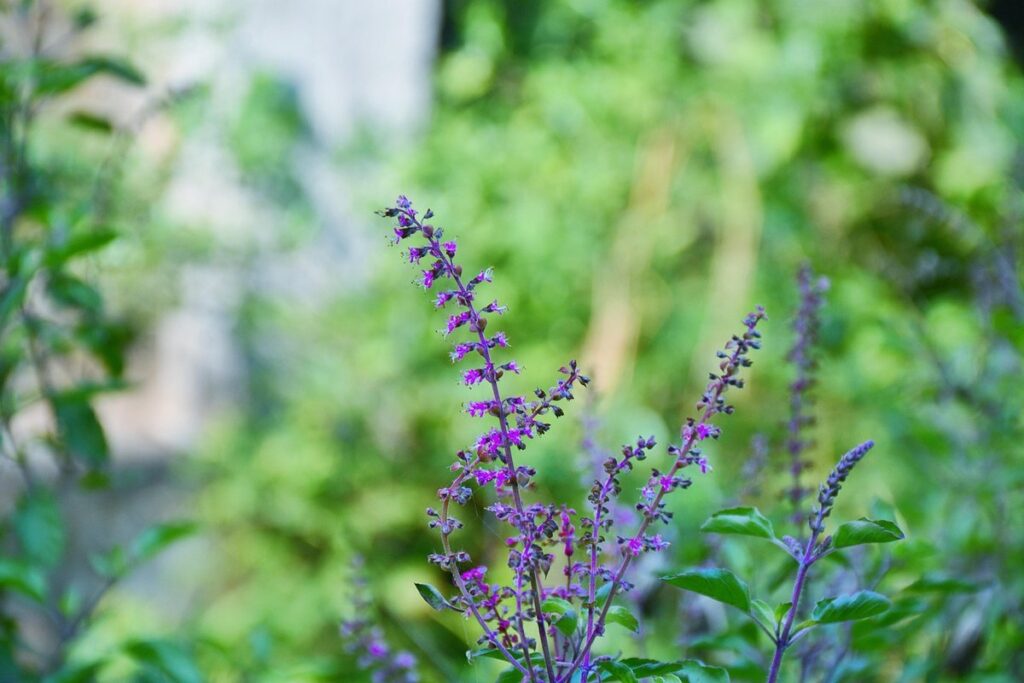
Recognizing the signs of flowering in basil plants can be a subtle process, but there are several visual cues to look out for. One of the most noticeable changes is the appearance of tiny white flowers on the ends of stems. These blooms will eventually turn into clusters of tiny purple or pink flowers, depending on the variety.
To identify when your basil plant is flowering, inspect the plant regularly and note any changes in its growth habit. Flowering plants tend to grow more slowly than non-flowering ones, and may also begin to produce fewer leaves. If you’re unsure whether your plant has flowered, gently touch the stem – if it’s producing flowers, you’ll be able to feel them.
Some common mistakes gardeners make when identifying flowering basil include mistaking seed heads for actual flowers, or ignoring the first signs of blooming in favor of more vigorous growth. To avoid these pitfalls, be patient and monitor your plant closely. Remember that most basil varieties will produce a single set of white flowers before moving into their vegetative phase, but some strains may bloom continuously throughout the growing season.
Causes of Premature Flowering
When basil starts flowering too early, it can be disappointing for herb enthusiasts. There are several potential reasons why this might happen. One common cause is temperature fluctuations. Basil plants typically thrive in warm temperatures between 65°F to 75°F (18°C to 24°C). However, if the temperature drops significantly or rises abruptly, it can trigger premature flowering.
Another reason basil may flower too early is overwatering. When the soil is consistently waterlogged, it can cause stress to the plant, leading to early blooming. To avoid this, make sure not to overwater your basil plants, and provide them with well-draining pots or containers.
Nutrient deficiencies can also contribute to premature flowering in basil. If the plant lacks essential nutrients like nitrogen, phosphorus, or potassium, it may focus its energy on producing flowers rather than healthy growth. Regularly fertilize your basil plants to ensure they receive a balanced diet of nutrients.
In addition to these factors, other causes of premature flowering include lack of light, poor soil quality, and pest infestations. To prevent early blooming, provide your basil plants with the right conditions, including plenty of indirect sunlight and well-draining soil.
The Importance of Pinching
When your basil plant starts flowering, it can be tempting to just let it go wild, but pinching off those buds is crucial to keep your herb healthy and productive. Here’s why.
Why Pinching is Essential for Basil
Pinching is essential for basil because it helps control its growth and promotes leaf production. When basil plants are not pinched back regularly, they tend to focus their energy on producing flowers rather than leaves. This can lead to a decline in flavor and aroma, as the plant becomes more focused on seed production.
To promote healthy leaf growth, you need to pinch off the top sets of leaves from your basil plant every week or two. This encourages the plant to produce new growth at the base of the stem, resulting in a bushier and more productive plant. Regular pinching also helps control the plant’s height and prevents it from becoming leggy.
As a rule of thumb, pinch off any flower buds that form on your basil plant as soon as you notice them. This will redirect the plant’s energy back to producing leaves rather than seeds. By doing so, you’ll be able to harvest more leaves for cooking and enjoy a healthier, more robust plant overall. Remember, regular pinching is key to maintaining a thriving and productive basil plant.
Techniques for Effective Pinching
When it’s time to pinch your basil plant, make sure you have the right tools for the job. You’ll need a pair of clean scissors or pruning shears specifically designed for cutting herbs. Cut just above a leaf node, where a leaf meets the stem, using a gentle, smooth motion. This will help promote new growth and encourage the plant to focus its energy on producing leaves rather than flowers.
Timing is also crucial when it comes to pinching basil plants. The ideal time to pinch is in the morning, after the plant has had a chance to absorb water but before the heat of the day sets in. Avoid pinching during periods of stress or shock, such as when your basil plant is exposed to extreme temperatures or drought.
When pinching, aim for about one-third to one-half of the stem’s length, depending on the size and vigor of the plant. This will help control its height and encourage bushy growth. For smaller plants, you may only need to pinch off the top inch or so of new growth, while larger plants may require a more substantial pinch to maintain their shape.
Alternative Uses for Blooming Basil
Now that we’ve covered what it means when your basil plant blooms, let’s explore some creative ways to repurpose those beautiful flowers. You can use them in a variety of dishes and drinks.
Edible Flowers and Culinary Applications
When your basil plant blooms, those beautiful flowers are not just for show – they’re also edible and can be used in a variety of dishes to add flavor and visual appeal. In fact, basil flowers have a sweeter and more delicate flavor than the leaves, making them perfect for using as a garnish or adding to salads.
You can use the flowers in place of basil leaves in many recipes, such as pesto, sauces, and soups. Simply substitute the equivalent amount of flowers for the leaves and adjust the seasoning accordingly. For example, you could add fresh basil flowers to a homemade tomato sauce for a burst of flavor.
Basil flowers also make a lovely addition to salads, where their delicate flavor won’t overpower other ingredients. Try pairing them with cherry tomatoes, mozzarella cheese, and a drizzle of balsamic glaze for a classic summer salad.
Medicinal and Ornamental Properties
When your basil plant blooms, it’s not just a beautiful sight – it also offers a range of benefits that you can utilize. The flowers themselves have medicinal properties that can be used to create teas, infusions, and even tinctures. Basil flowers are rich in antioxidants, which can help reduce inflammation and improve overall health.
Ornamentally, basil flowers add a pop of color and fragrance to any arrangement. They pair well with other herbs like mint and lemon balm, making for a refreshing and fragrant bouquet. To use your basil flowers in arrangements, simply snip off the blooms when they’re fully open and arrange them in a vase as you would with cut flowers.
In terms of medicinal uses, basil flower tea can be made by steeping the flowers in hot water and straining before drinking. This tea is said to have anti-inflammatory properties and can help soothe digestive issues. When harvesting your basil flowers for medicinal use, make sure to choose blooms that are free from pesticides and other chemicals.
Consider pairing basil flowers with a sweetener like honey or maple syrup to create a soothing and fragrant syrup that can be used topically or taken internally.
Growing Conditions for Optimal Leaf Production
To encourage optimal leaf production, it’s essential to understand how factors like temperature, light, and soil quality impact your basil plant’s growth cycle. Let’s explore these key growing conditions together.
Temperature and Light Requirements
To promote leaf growth and minimize flowering, basil plants require specific temperature and light conditions. Ideally, basil thrives in temperatures between 65°F to 75°F (18°C to 24°C), with optimal growth occurring at around 70°F (21°C). Temperatures above 85°F (29°C) can lead to stress, causing the plant to focus energy on flowering rather than leaf production.
In terms of light, basil needs plenty of direct sunlight to photosynthesize and grow. However, excessive direct sun can cause scorching, promoting flowering. Aim for at least four hours of direct sunlight or use grow lights with a balanced spectrum (400-700 nm) to simulate natural conditions. Avoid placing your basil plant in areas with low light, as this will also promote flowering.
To strike a balance, you can prune your basil regularly to encourage leaf growth and reduce the likelihood of flowering. By maintaining optimal temperature and light conditions, combined with regular pruning, you’ll be well on your way to promoting healthy leaf production and minimizing unwanted blooms.
Soil and Watering Considerations
When your basil plant starts flowering, it’s essential to maintain healthy soil conditions to support its transition from foliage production to seed development. A balanced soil pH is crucial for nutrient uptake and availability. Aim for a slightly acidic to neutral range of 6.0-7.0 pH, as this allows optimal nutrient utilization by the plant.
Adequate watering is also vital during this period. Basil requires consistent moisture, especially when producing flowers. Water your basil plants deeply once or twice a week, depending on weather conditions, to encourage healthy growth and prevent stress caused by drought. Be cautious not to overwater, as this can lead to root rot and other problems.
Regular fertilization is also necessary during the flowering stage. Feed your basil with a balanced fertilizer (10-10-10 NPK) once a month to provide essential nutrients for seed development. Additionally, consider side-dressing with a high-phosphorus fertilizer (10-20-10 NPK) to promote flower and seed production. This will help your basil plant transition smoothly from foliage to flowering stage, ensuring optimal leaf production while still allowing it to complete its life cycle.
Managing Flowering in Specific Basil Varieties
When it comes to basil varieties that are prone to flowering, some types need special attention to encourage leaf growth and prevent seed production. Let’s take a look at how to manage flowering in popular basil varieties like Thai basil and lemon basil.
Sweet Basil and Thai Basil Differences
When it comes to basil flowering, different varieties exhibit unique characteristics. Two popular types are Sweet Basil and Thai Basil, each with its own distinct habits.
Sweet Basil, known for its large leaves and sweet fragrance, tends to produce fewer flowers than other varieties. This is because it’s often bred for its flavor and aroma rather than its ability to bloom. However, when it does flower, the blooms are typically small and less showy compared to other types of basil. To encourage flowering in Sweet Basil, try reducing watering and fertilizing, as this can promote blooming.
Thai Basil, on the other hand, is a more vigorous grower with narrower leaves and a pungent aroma. It produces many small white or purple flowers that are highly attractive to pollinators. Thai Basil tends to bloom more readily than Sweet Basil, especially in warmer temperatures. To prevent excessive flowering in Thai Basil, try pruning back the plant regularly to encourage leaf growth.
When managing flowering in both varieties, keep in mind that pinching off buds as they form can help direct energy towards leaf production. This approach is particularly effective for Sweet Basil, which benefits from being pruned frequently to promote bushy growth. For Thai Basil, regular pruning helps maintain its compact shape and encourages more leaf growth.
Other Popular Basil Types
Some popular basil types handle flowering differently than sweet basil. For instance, lemon and lime basil varieties tend to be more compact and bushy, producing smaller flowers that are often less noticeable. This can make them a good choice for gardeners who want to enjoy the flavor of these citrus-infused basils without dealing with an abundance of blooms.
Holy basil, also known as tulsi, is another popular type that handles flowering in a unique way. It’s a more compact plant than sweet basil and produces smaller flowers that are often white or purple in color. Holy basil tends to flower less profusely, making it a good choice for gardeners who want to enjoy its distinct flavor without the hassle of constant pruning.
When growing these other popular basil types, remember to trim off any flowers that do develop to encourage more leaf growth and prevent them from going to seed. This will help your plant stay healthy and produce more flavorful leaves throughout the season. By choosing a compact or less flowering variety, you can enjoy a steady supply of fresh basil without the need for constant pruning.
Post-Flowering Care for Healthy Plants
Now that we’ve addressed the initial surprise of basil flowering, let’s focus on what you can do to encourage healthy growth and prevent seed production. We’ll cover essential care tips next.
Removing Blooms to Encourage Regrowth
When you notice your basil plant has finished blooming, it’s essential to remove these spent flowers. At first glance, this might seem counterintuitive – after all, the flowers are a sign of healthy growth and productivity. However, if left unchecked, they can divert energy away from leaf production and towards seed development.
Removing the blooms will direct your basil plant’s resources back towards producing more leaves, which is where the real flavor and aroma reside. This process is called “deadheading,” and it’s a simple yet effective technique for encouraging regrowth. To do this, simply pinch or cut off the spent flowers at their base, making sure to remove as much of the stem as possible.
By doing so, you’ll be able to encourage your basil plant to focus its energy on producing more leaves rather than seeds. This will also prevent the plant from flowering again in the near future, allowing you to enjoy a bountiful harvest of fresh, fragrant leaves for longer.
General Tips for Maintaining Basil Health
To ensure your basil plant continues to thrive after flowering, it’s essential to focus on maintaining its overall health. One of the primary reasons basil plants bloom is due to excess nitrogen in the soil. To prevent this from happening again, you’ll want to adopt a balanced fertilization schedule.
Here are some key takeaways for maintaining healthy basil:
* Monitor your plant’s watering habits closely to avoid overwatering, which can cause root rot and weaken the plant.
* Fertilize your basil plant regularly with a balanced fertilizer (10-10-10) during the growing season. This will promote healthy growth and prevent nutrient deficiencies.
* Prune your basil plant regularly to encourage bushy growth and prevent it from becoming leggy. Pinch off flower buds as they form to direct the plant’s energy towards leaf production.
By following these simple tips, you’ll be able to maintain a healthy and robust basil plant even after it has finished blooming. Remember that prevention is key in maintaining your basil plant’s overall health and preventing future flowering issues. By being proactive and making adjustments to your care routine, you can enjoy a bountiful harvest of fresh basil leaves all season long.
Frequently Asked Questions
What should I do if my basil plant starts flowering before it’s reached its desired size?
Yes, remove the flowers to redirect the plant’s energy towards leaf growth. Pinch or trim off the flower buds as soon as you notice them, and continue to prune your basil regularly to encourage bushy growth.
How often should I check for signs of flowering in my basil plants, especially during warmer months?
Regularly inspect your basil plants every week or two, especially during peak growing seasons. Early detection will help you catch any budding flowers before they set seed and promote healthy leaf production.
Can I use the blooming part of my basil plant as a garnish or edible flower, even if it’s not yet fully open?
Yes, you can harvest individual blooms before they reach full maturity for use in salads, desserts, or as a decorative element. This way, you’ll minimize seed production and maximize leaf growth.
Will removing the flowers affect the flavor of my basil leaves at all?
No, pinching or trimming off flower buds should not significantly impact the flavor of your basil leaves. However, make sure to remove any fully formed flowers that may have set seeds, as these can compromise the plant’s overall health and reduce its leaf yield.
What if I accidentally allow some flowers to mature and go to seed – will it harm my basil plant?
Yes, allowing flowers to mature and set seed can lead to a decline in your plant’s productivity. Once the seeds are released, the energy of the plant is redirected towards reproduction rather than growth. However, you can still salvage the situation by removing spent blooms and focusing on maintaining healthy growing conditions for optimal leaf production.