
Are you tired of slicing into a beautiful cucumber only to be met with its bitter taste? Preventing cucumber bitterness is not just about tossing out the offending vegetables, but also about understanding why it happens in the first place. It’s all about timing, temperature, and technique – from choosing the right varieties that are naturally less bitter to implementing optimal growing conditions and storage tips.
In this article, we’ll dive into the world of cucumber bitterness prevention, exploring its causes, selecting the best varieties for your needs, and learning how to grow and store them to minimize their natural bitterness. We’ll also cover processing methods that can help reduce or even eliminate bitterness altogether. By the end of this article, you’ll be equipped with the knowledge to enjoy fresh, crunchy cucumbers without the bitterness.
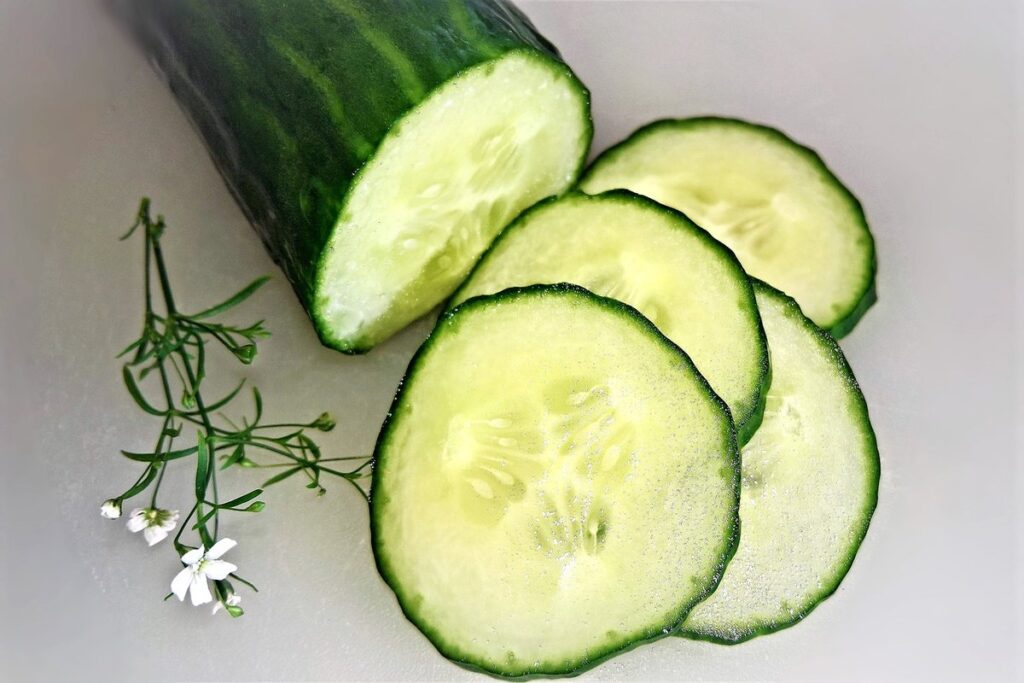
Understanding Cucumber Bitterness
You’re probably wondering why some cucumbers can be so bitter, and how to prevent that from happening when growing your own. In this next part, we’ll explore the reasons behind cucumber bitterness.
Causes of Bitterness in Cucumbers
Cucumbers develop bitterness due to various environmental and cultivation factors. Weather conditions play a significant role in this process. Excessive heat, for instance, can cause cucumbers to produce more bitter compounds as a defense mechanism against stress. Prolonged exposure to high temperatures above 85°F (30°C) can lead to an increase in the production of cucurbitacins, which are responsible for bitterness.
Soil quality is another critical factor influencing cucumber bitterness. Nutrient deficiencies or imbalances, such as potassium deficiency, can cause cucumbers to become more bitter. Irrigation practices also impact cucumber bitterness, with overwatering being a major contributor. Water stress can stimulate the production of cucurbitacins, making cucumbers taste bitter.
Cucumber growers must maintain optimal growing conditions to prevent bitterness. This includes ensuring adequate soil moisture through precise irrigation schedules and providing sufficient potassium levels for healthy growth. By controlling environmental factors and cultivating practices, gardeners can minimize the risk of bitter-tasting cucumbers and enjoy a more palatable harvest.
Signs and Symptoms of Bitter Cucumbers
When it comes to cucumbers that have become bitter, there are several visual and taste characteristics you can look out for. One of the first signs is a pale yellow or white stripe running down one side of the cucumber, known as ‘blossom-end rot’. This discoloration often starts at the stem end and can spread throughout the fruit.
In terms of texture, bitter cucumbers tend to be softer and more prone to bruising. When you bite into one, you may notice a slightly gritty or sandy sensation on your tongue. The flavor profile is also affected, with a sharp, unpleasant bitterness that’s often accompanied by a lack of sweetness.
This bitterness can be particularly off-putting in salads, sandwiches, and other dishes where fresh cucumbers are used. To prevent bitterness from developing, it’s essential to understand the factors that contribute to it, including temperature fluctuations, watering issues, and nutrient deficiencies.
Choosing the Right Variety
When it comes to preventing bitterness in cucumbers, selecting the right variety can make a big difference. Let’s explore some of the best options for you to consider.
Selecting Bitterness-Resistant Cucumber Varieties
When selecting cucumber varieties, opting for those known for their bitterness-resistance is a proactive step towards minimizing bitterness. Some popular options include ‘Diva’, ‘Marketmore’, and ‘Sour Pickling’. These varieties originated from the Middle East and Europe, where they were bred for their high yield, disease resistance, and adaptability to cooler climates.
‘Versailles’ and ‘Tasty Green’ are other notable mentions, hailing from France and China respectively. They exhibit compact growth habits, making them suitable for container gardens or smaller spaces. The former is particularly prized for its sweet flavor and crunchy texture, while the latter is valued for its high yield and resistance to powdery mildew.
In warmer climates, ‘Suyo’ and ‘Japanese Hothouse’ prove more resilient. Originating from Japan and Thailand, these varieties boast heat tolerance and a shorter maturation period. However, it’s essential to note that even with bitter-resistant varieties, environmental factors such as temperature fluctuations and watering schedules can still impact flavor development. By choosing the right variety for your region and growing conditions, you’ll be better equipped to prevent bitterness in your cucumber harvest.
Factors Affecting Bitterness in Different Varieties
When it comes to choosing the right cucumber variety, understanding the factors that affect bitterness is crucial. Different varieties of cucumbers have varying levels of sugar content, acidity levels, and enzyme activity, which can significantly impact their bitterness.
Some cucumber varieties, like the ‘Dill Pickling’ and ‘Kirby’, tend to be more prone to bitterness due to their higher acidity levels. On the other hand, sweet cucumber varieties like the ‘Sour Pickling’ and ‘English’ have lower acidity levels, making them less bitter. The sugar content of cucumbers also plays a significant role in bitterness – varieties with high sugar levels often produce fewer bitter compounds.
Enzyme activity is another factor that affects bitterness in cucumbers. The enzyme polyphenol oxidase (PPO) breaks down chlorogenic acid into quinic acid, which contributes to bitterness. Cucumber varieties with high PPO activity tend to be more prone to bitterness. By understanding these factors and choosing the right variety for your needs, you can reduce the likelihood of bitter cucumbers in your harvest.
Growing Conditions and Practices
To grow deliciously sweet cucumbers, you need to understand how various factors like soil quality, climate, and irrigation impact their flavor. Let’s explore these growing conditions in detail.
Soil Preparation for Optimal Cucumber Growth
When it comes to growing cucumbers, the soil quality and nutrient balance play a crucial role in preventing bitterness. Cucumbers require well-draining, rich soil with optimal pH levels to thrive. Aim for a slightly acidic to neutral soil pH between 6.0 and 7.0, as this range promotes healthy root development and nutrient uptake.
To achieve this ideal soil environment, incorporate 2-3 inches of organic matter such as compost or well-rotted manure into the top 8-10 inches of soil before planting. This will not only improve soil structure but also provide essential nutrients like nitrogen, phosphorus, and potassium that cucumbers crave.
When it comes to fertilizer applications, choose a balanced, water-soluble formula with an N-P-K ratio of 20-20-20. Follow the recommended application rates, typically 1/4 cup per 10 square feet of soil. Avoid over-fertilizing, as this can lead to excessive salt buildup and bitter flavor.
Remember, it’s essential to test your soil regularly and adjust your preparation strategies accordingly. By investing time in proper soil preparation, you’ll be well on your way to growing cucumbers that are not only sweet but also free of bitterness.
Irrigation Techniques to Avoid Bitterness
When it comes to growing cucumbers, irrigation management is crucial in preventing bitterness. Excessive or inadequate watering can significantly contribute to this issue. Cucumbers need consistent moisture, especially during the fruiting stage when they are producing fruit. However, overwatering can cause an excessive buildup of nitrogen in the plant, leading to bitter flavor.
On the other hand, underwatering can also lead to bitterness as the plant tries to concentrate its sugars to make up for the lack of water. This can result in a less desirable taste. To avoid both scenarios, it’s essential to adopt a balanced irrigation schedule. Water your cucumbers deeply but infrequently, allowing the top 1-2 inches of soil to dry out between watering sessions.
It’s also vital to consider water quality when irrigating your cucumbers. Use filtered or rainwater instead of tap water if possible, as it can contain high levels of chlorine and other chemicals that may affect plant growth.
Handling and Storage Tips
Proper handling and storage of cucumbers can make a big difference in preventing bitterness. Learn how to store them correctly to enjoy your fresh cukes all season long.
Reducing Ethylene Production to Prevent Bitterness
When it comes to preventing bitterness in cucumbers, understanding the role of ethylene production is crucial. Ethylene is a natural gas that triggers ripening and senescence in many fruits and vegetables, including cucumbers. As cucumbers produce more ethylene, they tend to become more bitter. One way to slow down this process is by reducing ethylene production.
To do this, store your cucumbers at room temperature or cooler conditions (around 50°F to 60°F). Higher temperatures can accelerate ethylene production and lead to bitterness. Keep them away from direct sunlight, which also increases ethylene release. When handling cucumbers, minimize bruising and damage, as these wounds can stimulate ethylene production. You can also try manipulating the product by gently washing it in cold water or using a humidifier to maintain optimal moisture levels.
Some studies suggest that storing cucumbers with fruits like apples or pears, which have low ethylene production, can help slow down bitterness development. However, more research is needed to confirm these findings.
Temperature Control for Optimal Cucumber Flavor
Temperature control plays a crucial role in preserving the optimal flavor profile of cucumbers. When cucumbers are exposed to temperatures that are too high or too low, it can activate enzymes that break down their natural sweetness and lead to bitterness. For instance, an increase in temperature above 50°F (10°C) can trigger the activity of polyphenol oxidase, an enzyme responsible for browning and flavor degradation.
To prevent this from happening, store your cucumbers at a consistent refrigerator temperature between 32°F (0°C) and 40°F (4°C). Avoid placing them near warm appliances or in direct sunlight. If you’re storing cucumbers at room temperature, make sure they’re kept away from heat sources and maintain a temperature below 70°F (21°C).
Proper storage can also prevent moisture buildup, which can contribute to bitterness. Check on your cucumbers regularly to ensure they’re not developing an off smell or slimy texture. By controlling the temperature and maintaining proper humidity levels, you’ll be able to enjoy cucumbers with a refreshing sweetness throughout their shelf life.
Processing and Preservation Methods
To effectively prevent bitterness, you’ll want to learn how to process and preserve cucumbers properly, including methods for blanching, freezing, and pickling. This is where it all comes together!
Pickling and Fermentation as Bitterness Prevention Techniques
Pickling and fermentation are two ancient techniques that have been used to preserve cucumbers for centuries. Not only do these methods help extend the shelf life of cucumbers, but they also play a crucial role in reducing bitterness. When cucumbers undergo the pickling or fermentation process, the natural enzymes present in the vegetable begin to break down, resulting in a sweeter and less bitter flavor.
The key to successful pickling and fermentation lies in the balance between acidity, salt, and temperature. By creating an environment that fosters the growth of beneficial microorganisms, you can promote the development of lactic acid, which is responsible for reducing bitterness. For example, a traditional Korean kimchi recipe uses a combination of salt, garlic, ginger, and chili peppers to create an acidic environment that inhibits the growth of bitter compounds.
When attempting to use pickling or fermentation as a bitterness prevention technique, it’s essential to follow basic guidelines: use a sufficient amount of salt (around 5-10% brine solution), maintain a consistent temperature between 65°F to 75°F (18°C to 24°C), and allow the cucumbers to ferment for at least 3-5 days. By incorporating these simple steps, you can harness the power of pickling and fermentation to create deliciously sweet and crunchy cucumbers that are free from bitterness.
Other Methods for Preserving Cucumbers Without Loss of Flavor
When it comes to preserving cucumbers without sacrificing their flavor, there are several alternative methods you can try. Dehydrating is one such method that removes excess moisture from the cucumber, which helps prevent bitterness. This process concentrates the flavors and nutrients, resulting in a crunchy snack or ingredient that’s perfect for soups, salads, and sandwiches.
To dehydrate cucumbers, slice them thinly and dry using a food dehydrator at 135°F (57°C) for 6-8 hours. You can also use your oven on its lowest temperature setting with the door slightly ajar to maintain airflow. Freeze-drying is another method that removes moisture without heat, preserving the delicate flavor and texture of cucumbers.
Smoking is yet another preservation technique you can try at home using a smoker or even a charcoal grill with wood chips. This low-and-slow cooking process adds depth and complexity to the cucumber’s natural flavor profile. Smoking cucumbers for 30 minutes to an hour can enhance their taste without promoting bitterness.
When experimenting with these alternative preservation methods, be mindful of storage conditions to maintain quality. Store dehydrated or smoked cucumbers in airtight containers to preserve freshness and prevent spoilage.
Troubleshooting and Prevention Strategies
Now that you’ve learned how to prevent bitterness in cucumbers, let’s tackle some common issues that can arise and provide strategies for avoiding them.
Common Mistakes That Contribute to Bitterness in Cucumbers
When preparing cucumbers for consumption, several common mistakes can contribute to bitterness. One of the most significant errors is over-handling or bruising the fruit. This physical stress triggers a chemical reaction that produces quercetin and other compounds responsible for the bitter taste.
Another mistake is not storing cucumbers properly. Exposure to high temperatures, direct sunlight, or moisture can accelerate the production of these bitterness-inducing compounds. For instance, if you leave cucumbers in a warm car or near a heating vent, they may become overripe and develop an unpleasant flavor.
In addition, many gardeners and home cooks overlook the importance of proper harvesting techniques. Cucumbers that are picked when mature but still slightly firm will be less likely to become bitter than those left on the vine too long.
To avoid these pitfalls, handle cucumbers gently, store them in a cool, dry place, and harvest them at the optimal stage of ripeness. By adopting these best practices, you can minimize bitterness and enjoy your cucumbers as a refreshing addition to salads, sandwiches, or other dishes.
Implementing Long-Term Solutions for Bitterness Prevention
Implementing large-scale changes to prevent bitterness requires strategic planning and budgeting. As a grower, you’ll want to consider the long-term costs of bitterness prevention methods, such as implementing shade cloth or adjusting irrigation schedules. A comprehensive approach to bitterness management can yield significant benefits, including increased yields and improved fruit quality.
One key consideration is adopting an integrated pest management (IPM) strategy that addresses the underlying causes of bitterness, rather than just treating symptoms. This might involve working with a soil scientist to optimize nutrient levels, or partnering with a plant pathologist to monitor for diseases that can contribute to bitterness. By taking a holistic approach, growers can reduce the need for costly chemical treatments and minimize waste.
Consider allocating resources for ongoing monitoring and evaluation of bitterness prevention methods. Regularly tracking bitterness levels, temperature fluctuations, and soil moisture can help identify areas where adjustments are needed. This proactive approach can also inform future planning and budgeting decisions, ensuring that investments in bitterness prevention pay off in the long run.
Frequently Asked Questions
What if I’ve already planted my cucumber seeds, but now I’m concerned about bitterness? Can I still prevent it from developing?
You can take steps to mitigate bitterness even after planting. Monitor your cucumbers’ growth closely and adjust watering schedules accordingly. Ensure they receive adequate sunlight (at least 6 hours a day) and maintain optimal temperatures between 65-75°F (18-24°C). Regular pruning and training can also help reduce stress, which may contribute to bitterness.
How do I know if the variety of cucumber I’m growing is naturally less bitter or more prone to bitterness?
Research the specific characteristics of your cucumber variety. Some popular varieties known for their low bitterness include ‘Sour Pickling’, ‘Dill Pickling’, and ‘English’. These have been bred to be less bitter than others, but it’s essential to remember that even within these varieties, individual plants may exhibit varying levels of bitterness based on growing conditions.
What are some common mistakes people make when trying to prevent cucumber bitterness?
Common errors include overwatering or underwatering, which can stress the plant and lead to increased bitterness. Additionally, inadequate sunlight or suboptimal temperatures can also contribute to bitterness. Another mistake is not providing support for the plants as they grow, causing them to become stressed and more prone to developing bitter compounds.
Can I use any of the methods mentioned in this article together to achieve optimal bitterness prevention?
Yes, a combination of techniques will likely yield the best results. For example, you could choose a variety known for its low bitterness (like ‘Sour Pickling’), implement optimal growing conditions, and then use processing methods like pickling or fermentation to further reduce bitterness.
What’s the difference between using temperature control and reducing ethylene production in terms of preventing cucumber bitterness?
Temperature control involves maintaining optimal temperatures during growth, which can help minimize bitterness. Reducing ethylene production focuses on managing the ripening process, often through techniques like storing cucumbers at cooler temperatures or using ethylene-absorbing products. Both approaches can contribute to lower bitterness levels but serve distinct purposes in the cultivation and preservation of cucumbers.