
If you’re anything like me, there’s nothing quite like adding fresh dill to a summer salad or using its fragrant leaves in pickling recipes. But growing your own dill can be a bit of a mystery if you’re new to gardening. With so many varieties to choose from and potential pests and diseases lurking, it’s easy to get overwhelmed. Don’t worry – we’ve got you covered. In this article, we’ll take the guesswork out of growing dill by providing expert tips on choosing the right variety, caring for your plants, and harvesting them at their peak flavor and aroma. We’ll also cover common pests and diseases that might affect your crop, as well as some delicious ways to use up your freshly grown dill in recipes both old and new.
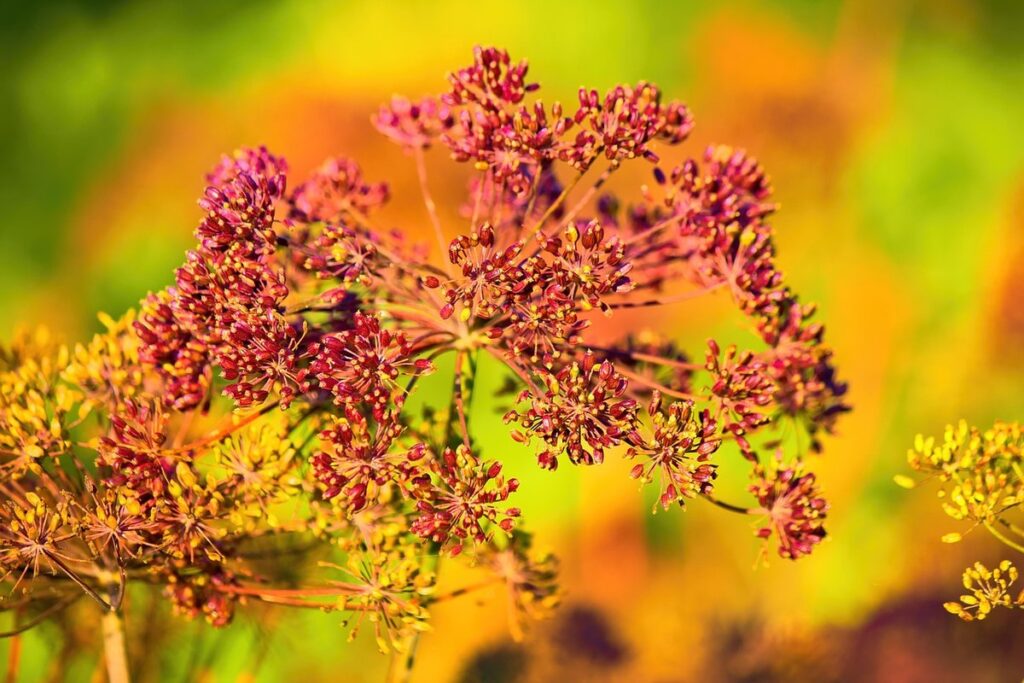
Choosing the Right Variety
When it comes to growing dill, selecting the right variety can make all the difference. With so many options available, let’s dive into what you need to know to choose the best one for your garden.
Selecting a Suitable Climate
When selecting a dill variety, it’s essential to consider the climate and region you’re growing in. Different regions have distinct temperature, humidity, and sunlight requirements that can significantly impact your crop’s success.
If you live in an area with hot summers and mild winters, look for varieties like ‘Fernleaf’ or ‘Mammoth’, which are more tolerant of heat and humidity. These varieties tend to thrive in temperatures between 65°F to 75°F (18°C to 24°C).
In regions with cooler climates, such as coastal areas or high-altitude gardens, opt for varieties like ‘Dukat’ or ‘Bukovina’. These dills are more resistant to cold temperatures and can tolerate some frost.
Keep in mind that dill is a warm-season crop, requiring full sun (6-8 hours of direct sunlight) to grow. If your region experiences frequent cloud cover or extreme weather conditions, consider growing dill in containers that can be moved indoors during adverse weather periods. This flexibility will ensure you can still enjoy a bountiful harvest of fresh dill.
Understanding Soil Requirements
Growing dill requires specific soil conditions that support its optimal growth. Ideally, dill thrives in well-draining, loose soil with a pH between 6.0 and 7.0. If your garden’s native soil falls outside this range, it’s essential to make adjustments.
To test your soil’s pH level, you can purchase a DIY kit or send a sample to a laboratory for analysis. A simple home test involves mixing a small amount of soil with vinegar; if the mixture fizzes, it indicates acidic conditions, while a lack of reaction suggests alkalinity. Based on the results, you may need to add lime (for acidic soils) or sulfur (for alkaline soils).
Additionally, incorporate organic matter like compost or manure to improve soil structure and fertility. This will not only support dill’s growth but also promote overall soil health. When preparing your garden bed, make sure it receives adequate sunlight – at least 6 hours of direct sunlight daily – to ensure optimal dill growth.
Preparing the Soil
Before you start planting dill seeds, it’s essential to prepare your soil for optimal growth. This means loosening and aerating your soil to create a suitable environment for dill roots to develop.
Creating a Conducive Environment
When preparing the soil for dill growth, creating a conducive environment is essential. This means giving your seeds the best chance to germinate and thrive by removing obstacles that might hinder their progress. Start by carefully pulling out weeds from the area where you’ll be planting dill. Don’t just pull them up, make sure to remove the entire root system to prevent regrowth.
Next, loosen compacted soil using a fork or shovel. Dill seeds need room to breathe and expand their roots, so breaking up any clods will help improve drainage and reduce the risk of waterlogged soil. Add organic matter like compost or well-rotted manure to enrich the soil with essential nutrients. Aim for about 2-3 inches of added material, which should be mixed in thoroughly to a depth of at least 8-10 inches. By doing this, you’ll create a nutrient-rich environment that will support healthy dill growth and development. This simple process can make all the difference between a healthy crop and one that’s struggling to survive.
Adding Fertilizers and Amendments
When adding fertilizers and amendments to your soil for optimal dill growth, it’s essential to choose the right products. Dill requires a slightly acidic to neutral soil pH (6.0-7.0) and adequate nutrient levels.
For nitrogen-rich fertilizers, you can use fish emulsion or blood meal, applying 2-3 teaspoons per gallon of water as a foliar spray. Alfalfa meal is another excellent option for providing slow-release nitrogen, phosphorus, and potassium. Mix 1/4 cup with 10 gallons of water and apply every 2 weeks.
To improve soil structure and drainage, add compost or well-rotted manure to the soil at a rate of 20-30% by volume. You can also use dolomitic limestone to raise pH levels if your soil is too acidic. Remember to follow the manufacturer’s instructions for application rates, as excessive fertilization can harm dill plants.
Keep in mind that dill has shallow roots and requires regular watering and maintenance. Regular fertilizer applications will help promote healthy growth and prevent nutrient deficiencies.
Planting Dill Seeds
To successfully plant dill seeds, start by choosing a sunny spot and preparing your soil to ensure optimal growth conditions for your herb.
Sowing Seeds at the Right Time
When planting dill seeds, timing is everything. To ensure a successful harvest, you’ll want to sow them at the right time for your area. The first step is to check the last frost date for your region. Dill is a cool-season crop and can’t tolerate frost, so it’s essential to wait until the danger of frost has passed.
In areas with mild winters, you can plant dill in early spring or late summer/early fall, about 8-10 weeks before the first frost. For example, if your last frost date is May 15th, you can start sowing dill seeds around April 1st. In colder climates, you’ll want to wait until the soil has warmed up and the threat of frost has diminished.
Pay attention to weather conditions as well – avoid planting during periods of extreme heat or drought. Dill prefers a slightly cooler temperature between 60-70°F (15-21°C) for optimal growth. If you’re unsure about the best time to plant dill in your area, consult with local nurseries or gardening experts for more specific advice.
Spacing and Depth of Sowing
When it comes to spacing and depth of sowing dill seeds, getting it right is crucial for optimal growth. Dill plants require sufficient space to mature properly, so don’t overcrowd them. A general rule of thumb is to plant dill seeds 1-2 inches apart in rows that are 12-18 inches apart. This will give the plants room to grow and receive adequate sunlight.
Sowing too deeply can also hinder growth. Dill seeds should be planted about ¼ inch deep, as they require light to germinate. You can sow them directly into the ground or start them indoors in seed trays before transplanting them outside. When sowing multiple rows, space them evenly apart to ensure that each plant receives sufficient sunlight and air circulation.
To avoid overcrowding and promote healthy growth, you can also consider sowing dill seeds in a container garden or raised bed. This will give you more control over the spacing and depth of sowing. Remember, proper spacing and depth of sowing are critical for encouraging dill plants to grow strong and healthy.
Caring for Dill Plants
Now that you’ve successfully grown your dill plant, it’s essential to provide proper care to ensure its continued health and optimal flavor. This includes regular watering, fertilization, and pruning practices.
Watering and Irrigation Techniques
When it comes to growing dill, proper watering and irrigation techniques are crucial for the plant’s health and productivity. Dill plants require consistent moisture, especially when they’re producing seeds or flowers. Aim to water your dill plant when the top inch of soil feels dry to the touch.
In terms of frequency, a good rule of thumb is to water every 2-3 days during hot weather and every 4-5 days in cooler temperatures. However, this can vary depending on the humidity level and soil type.
Drip irrigation or soaker hoses are excellent methods for delivering water directly to the roots of your dill plant without washing away nutrients from the soil. These systems also reduce evaporation and runoff, ensuring that the water is used efficiently. If you’re using a drip irrigation system, make sure to install it at a rate of about 1-2 gallons per hour.
Remember, overwatering can be detrimental to your dill plant’s health. Be mindful of the soil moisture levels and adjust your watering schedule accordingly.
Pruning and Training
Pruning and training dill plants is essential to promote bushy growth and prevent premature flowering. Prune your dill plant regularly by pinching off the flower buds as they form. This will redirect the plant’s energy towards leaf production, resulting in a fuller and more compact plant. You can also trim back the stems of established dill plants to about half their height, which encourages new growth and prevents them from becoming leggy.
For optimal growth, train your dill plant to grow upright by providing a trellis or stake for support. Simply tie the stems gently to the support using twine or clips. This technique is especially useful when growing dill in containers, as it helps prevent the plant from sprawling outwards and keeps it contained within its pot.
Common Pests and Diseases
When growing dill, it’s essential to be aware of the common pests and diseases that can affect your crop, such as aphids and powdery mildew. We’ll discuss these issues in more detail below.
Identifying Issues Early
When growing dill, it’s essential to keep an eye out for common pests and diseases that can quickly spread and cause significant damage. One of the most prevalent issues is aphids, small, soft-bodied insects that feed on plant sap, stunting growth and reducing yields.
To identify aphid infestations, check your plants regularly for white, cottony patches or curled leaves. You can also look for tiny, moving dots on stems and leaves. If you catch the issue early, a strong jet of water can dislodge the aphids. For severe cases, use insecticidal soap or neem oil to control the population.
Another pest to watch out for is spider mites, which spin fine webs between plant leaves and feed on sap. Infested plants will develop yellow or bronzy foliage and drop their leaves prematurely. To combat spider mite infestations, increase humidity around your dill plants and use a mild detergent solution to spray the affected areas.
Powdery mildew is another common issue that can affect dill, causing a white, powdery coating on leaves. This fungal disease thrives in humid conditions, so ensure good air circulation and remove any infected leaves to prevent its spread. Use a fungicide specifically labeled for powdery mildew control if the issue persists.
Organic Pest Control Methods
When it comes to growing dill, pests can be a major concern. However, there are several natural and effective methods for controlling them without harming the environment or your plants. One of the most popular organic pest control methods is neem oil. This plant-based oil works by disrupting the insect’s life cycle, preventing them from reproducing and eventually killing them off.
To use neem oil effectively, mix it with water according to the label instructions and spray it on the affected areas. You can also add a small amount of dish soap to help the oil stick to the leaves. Make sure to spray both the top and bottom of the leaves, as well as the stems.
Another option is introducing beneficial insects that prey on common dill pests. For example, lacewings are natural predators of aphids, whiteflies, and spider mites. Encourage these beneficial insects by planting a diverse range of flowers and herbs in your garden, including dill-friendly plants like parsley and cilantro.
Insecticidal soap is another effective organic pest control method. This gentle yet potent spray works by breaking down the insect’s exoskeleton, causing them to dehydrate and die. Mix it with water according to the label instructions and spray it on the affected areas. Be sure to test a small area first to ensure that the soap doesn’t damage your dill plants.
By using these organic pest control methods, you can keep your dill plants healthy and thriving while avoiding harsh chemicals that can harm the environment and contaminate your food.
Harvesting Dill
Now that you’ve successfully grown your dill plant, it’s time to reap the rewards by harvesting the fresh leaves and seeds. This section will walk you through the process of carefully collecting your crop.
Knowing When to Harvest
Knowing when your dill is ready for harvesting can be a bit tricky, but don’t worry, we’ve got you covered. To determine if it’s time to harvest your dill, look for plants that have reached a height of around 12-18 inches (30-45 cm) and have developed a robust stem. The leaves should also be at least half the size they were when they first emerged.
Check the color of the leaves as well – mature dill leaves are typically a darker green than their younger counterparts. You can start harvesting individual leaves or stems from the plant once it reaches this stage. For a full harvest, wait until the entire plant has reached maturity and cut off the flowers to encourage leaf growth.
It’s essential not to over-harvest your dill, as this can weaken the plant and reduce its overall yield. Instead, take what you need, leaving enough foliage for the plant to continue growing. Regular harvesting will also help promote new growth and encourage the plant to produce more leaves and stems.
Techniques for Harvesting
When it’s time to harvest dill, you want to make sure you do it right to preserve its delicate flavor and aroma. Harvesting at the right time is crucial – for leaf harvesting, wait until individual leaves are about 6-8 inches long, or when you need them for cooking.
To harvest entire dill plants, simply dig up the roots carefully, taking as much of the root system as possible to encourage regrowth. For seed harvesting, allow the flowers to develop and turn a light brown color before cutting off the stems, leaving a small portion attached to the plant.
For maximum freshness, consider harvesting in the morning when the dew is still present on the leaves. This helps prevent moisture loss during storage. Store harvested dill in an airtight container or plastic bag, placed in the refrigerator. You can also freeze it by placing the stems in ice cube trays and storing them in a freezer-safe bag.
When handling dill, be gentle to avoid bruising the delicate leaves and stems, which can lead to spoilage. Regular harvesting will actually promote further growth, so don’t worry about depleting your plant’s energy – it’ll only thrive with regular pruning!
Advanced Tips and Variations
Now that you’ve mastered the basics of growing dill, let’s dive into some advanced techniques to take your harvests to the next level. We’ll explore expert tips and creative variations to try in your garden.
Growing Dill in Containers
Growing dill in containers is an excellent option for those with limited outdoor space or a desire for flexibility. By doing so, you can enjoy the benefits of fresh dill all season long while maximizing your space efficiency. Let’s dive into the world of container gardening and explore how to grow this versatile herb.
When it comes to growing dill in containers, choose a size that suits your needs. Small pots (around 6-8 inches deep) are ideal for compact varieties or if you’re new to container gardening. For larger varieties or more extensive growth, consider using bigger containers (12-18 inches deep). The key is to ensure the roots have enough room to grow without becoming waterlogged.
Select a well-draining potting mix specifically designed for herbs, as it will help prevent water from accumulating in the soil. A mix with perlite or vermiculite can improve drainage and prevent root rot. Plant dill seeds about 1/4 inch deep in the container, and once they reach 6-8 inches tall, prune them back to encourage bushy growth. Regular watering and fertilization will ensure your potted dill thrives throughout the growing season.
Unique Ways to Use Dill
Dill is not only a delicious addition to various dishes, but it’s also incredibly versatile. Once you’ve harvested your fresh dill, you’ll be eager to experiment with its unique flavor and aroma.
One of the most popular ways to use dill is making pickles. By preserving fresh dill in a jar with cucumbers, vinegar, salt, and spices, you can enjoy a tangy snack all year round. To make homemade dill pickles, simply pack thinly sliced cucumbers into a clean glass jar, add a generous amount of fresh dill, and top it off with a brine made from water, vinegar, salt, and sugar.
You can also use dill to create flavorful oils by infusing olive oil or neutral-tasting oil with the herb’s essence. To do this, simply combine chopped fresh dill with a carrier oil in an airtight container and let it sit for a few days before straining and bottling the infused oil. This fragrant oil is perfect for dressing salads or as a finishing touch for soups.
Dill can also be used to make soothing herbal teas that are said to have various health benefits, such as reducing inflammation and improving digestion. To brew dill tea, simply steep fresh dill in hot water for 5-7 minutes before straining and serving. You can add honey or lemon to taste.
When it comes to using dill, the possibilities are truly endless. From pickling cucumbers to infusing oils and brewing teas, this versatile herb is sure to become a staple in your kitchen. Experiment with different recipes and find new ways to incorporate dill into your daily cooking routine.
Frequently Asked Questions
What are some common mistakes to avoid when growing dill?
When growing dill, it’s essential to avoid overwatering, which can lead to root rot and poor growth. Also, be mindful of the soil pH, as dill prefers a slightly acidic to neutral soil environment (pH 6.0-7.0). Avoid planting dill in areas with full shade, as it requires at least six hours of direct sunlight per day.
Can I grow dill indoors if I don’t have an outdoor garden?
Yes, you can grow dill indoors using containers or a hydroponic system. Choose compact varieties like ‘Fernleaf’ or ‘Dukat’, and ensure the pot has good drainage to prevent waterlogged soil. Keep in mind that indoor conditions may require more frequent pruning to encourage bushy growth.
How do I protect my dill crop from pests, such as aphids and spider mites?
To control pests, use neem oil or insecticidal soap according to package instructions. Regularly inspect your plants for signs of infestation, and remove any affected areas to prevent the problem from spreading. Consider introducing beneficial insects like ladybugs or lacewings to help control pest populations naturally.
What’s the best way to store harvested dill to preserve its flavor and aroma?
To maintain the freshness of harvested dill, store it in a cool, dry place, such as the refrigerator. Wrap the stems in a damp paper towel to keep them hydrated, but avoid getting the leaves wet. You can also freeze or pickle dill for later use, which helps retain its flavor and aroma.
Can I grow multiple varieties of dill together in the same garden bed?
It’s generally recommended to plant single varieties of dill together to prevent cross-pollination, which can lead to decreased seed quality. However, if you’re growing dill primarily for culinary purposes rather than seeds, you can mix different varieties in the same bed. Just be sure to maintain good air circulation and space them appropriately (about 6-8 inches apart).