
Caring for a lemon tree indoors can be a wonderful way to bring some sunshine into your home, but it requires attention to detail. With so many varieties to choose from, selecting the right type is just the first step in ensuring your indoor lemon tree thrives. Proper lighting, watering, and fertilization are all crucial factors to consider when growing lemons indoors. But that’s not all – pest control and disease prevention are also essential for a healthy tree.
In this article, we’ll share expert tips on how to care for your indoor lemon tree, from choosing the right variety to preventing common pests and diseases. We’ll cover everything you need to know about lighting, watering, fertilization, and pruning to keep your tree happy and productive year-round. Whether you’re a seasoned gardener or just starting out, our advice will help you grow a thriving and fruitful lemon tree in the comfort of your own home.
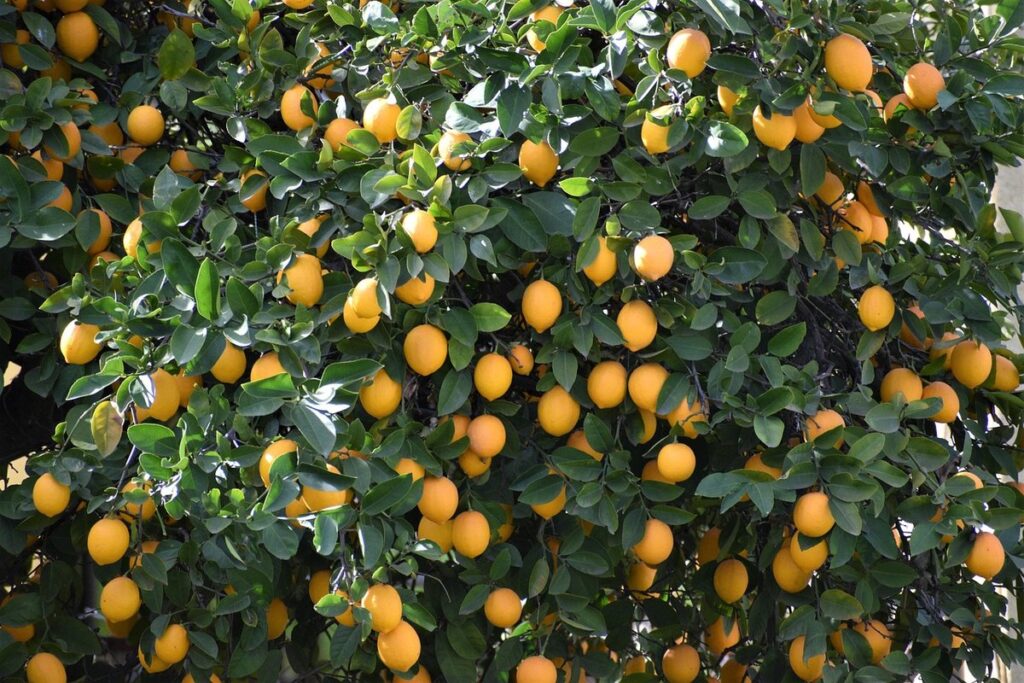
Choosing the Right Variety
When growing a lemon tree indoors, selecting the right variety is crucial for its success and your enjoyment. This decision will largely depend on your climate, available space, and personal preferences.
Selecting Dwarf or Compact Varieties
When growing lemon trees indoors, it’s essential to choose varieties that are specifically bred for container gardening. Dwarf or compact lemon tree varieties are ideal for indoor growth due to their smaller size and slower growth rate. These plants can thrive in pots, making them perfect for small spaces.
To select the best dwarf or compact lemon tree variety, look for keywords such as ‘dwarf’, ‘compact’, or ‘container’ on the plant label or check the nursery’s description. Some popular varieties include ‘Dwarf Washington’, ‘Dwarf Meyer’, and ‘Compact Lisbon’. These trees typically grow between 6-10 feet tall, making them easier to manage indoors.
When choosing a dwarf variety, also consider factors such as climate hardiness, disease resistance, and fruit production. For example, if you live in an area with high humidity, look for varieties that are more resistant to root rot. By selecting the right dwarf or compact lemon tree variety, you can enjoy the benefits of indoor gardening while minimizing maintenance requirements.
Some popular nurseries and online retailers carry a range of dwarf and compact lemon tree varieties, so be sure to explore these options when making your selection.
Considering Container Size and Type
When it comes to choosing the right container for your indoor lemon tree, selecting the perfect size and type is crucial. A container that’s too small can lead to waterlogged soil and root bound conditions, while one that’s too large can cause the roots to grow out of control.
Consider a container with good drainage holes in the bottom, as this will help prevent water from accumulating and causing damage to your tree’s roots. You’ll also want to think about the material – ceramic or terracotta pots are ideal for indoor lemon trees as they allow for airflow and moisture regulation.
A general rule of thumb is to choose a container that’s at least 12-14 inches deep, but no more than two times the diameter of your tree’s root ball. This will give your roots enough room to grow while keeping the soil from becoming too wet or dry. For example, if you’re starting with a small sapling, a smaller pot (around 6-8 gallons) can work well until it outgrows its space.
As for material, avoid plastic containers as they can retain moisture and heat, leading to root rot. Instead, opt for ceramic or terracotta pots which will help regulate your tree’s water intake.
Lighting Requirements
When it comes to giving your lemon tree the light it needs, there are a few key factors to consider for optimal growth and health. Proper lighting requirements will help prevent common issues like weak foliage and reduced fruit production.
Understanding Lemon Tree Light Needs
When it comes to indoor lemon tree care, providing sufficient light is crucial for their growth and fruit production. Lemon trees typically require bright, direct sunlight to thrive, but this can be challenging indoors where natural light may be limited.
In general, a south-facing window with direct sunlight for at least 4-6 hours a day is ideal for lemon trees. However, if this isn’t possible, you can supplement with artificial lighting. Fluorescent or LED grow lights are excellent options, as they emit minimal heat and are energy-efficient. Place the light 12-18 inches above the tree to prevent burning the leaves.
To determine the right amount of light for your lemon tree, observe its response to the existing conditions. If it’s not producing fruit or has sparse foliage, increase the light duration or intensity. Conversely, if it’s experiencing leaf scorch or becoming leggy, reduce the lighting time. Monitor and adjust accordingly to create an optimal environment for your indoor lemon tree.
Placing Lemon Trees Near Windows
When placing lemon trees near windows for optimal lighting, consider the size and orientation of the window. A south-facing window is ideal, as it receives direct sunlight throughout most of the day. However, if a south-facing window isn’t available, an east- or west-facing window can also work well.
A larger window will provide more natural light, which is essential for lemon trees to produce fruit and maintain their health. Aim for windows that are at least 2 feet by 3 feet in size to ensure your tree receives sufficient light.
Position the lemon tree near the window, but not directly in front of it. This allows for air circulation around the tree and prevents overheating during the warmer months. Keep in mind that direct sunlight can be intense, especially during peak hours. To mitigate this, use a sheer curtain or shade to filter the light and prevent damage to the leaves.
By following these guidelines, you’ll be able to provide your lemon tree with optimal lighting conditions, even on cloudy days when natural light is limited.
Watering and Humidity
To ensure your lemon tree thrives indoors, proper watering and humidity levels are crucial – let’s dive into the specifics of how to get it just right.
Monitoring Soil Moisture Levels
Monitoring soil moisture levels is crucial for indoor lemon trees as it ensures they receive the right amount of water to thrive. Overwatering can lead to root rot and other issues, while underwatering can cause stress and affect fruit production. To avoid these problems, you should check the soil moisture regularly.
Start by sticking your finger into the soil up to the first knuckle. If the soil feels dry, it’s time for a drink. Water your lemon tree when the top 1-2 inches of soil feel dry to the touch. Avoid watering on a schedule, as this can lead to overwatering during periods of high humidity or rainfall.
Check the moisture levels in the morning, before the sun heats up the pot and causes the water to evaporate quickly. Use a moisture meter if you’re unsure about the right level of moisture for your tree. By monitoring soil moisture levels regularly, you’ll be able to provide your indoor lemon tree with just the right amount of water it needs to stay healthy and productive.
Maintaining Proper Humidity Levels
Maintaining proper humidity levels is crucial for the health and productivity of your indoor lemon tree. Lemon trees prefer a humid environment, typically between 50-60% relative humidity, to thrive. However, most homes have dry air, especially during winter months or when using central heating systems.
To combat this, you can use a humidifier specifically designed for plants. These devices release moisture into the air and can be set to maintain a consistent level of humidity. You can also group your lemon tree with other plants that have similar humidity requirements to create a microclimate.
Another option is to place the pot on a tray filled with water and pebbles. As the water evaporates, it increases the surrounding humidity. Make sure not to overwater by keeping the water level below the top of the pebbles.
Monitor your lemon tree’s response to these methods and adjust as necessary. Keep in mind that under-humid conditions can cause leaf drop and reduced fruit production, while overly humid environments may lead to root rot and other issues.
Fertilization and Pruning
To keep your lemon tree thriving, it’s essential to provide it with the right nutrients and shape its growth through regular fertilization and pruning practices. This is where things can get a bit tricky.
Feeding Your Lemon Tree
When it comes to feeding your lemon tree indoors, you’ll want to choose a fertilizer that’s specifically formulated for citrus trees. Look for fertilizers containing a balanced blend of nitrogen (N), phosphorus (P), and potassium (K) – typically denoted as 10-10-10 or 20-20-20 NPK.
Dilute the recommended amount in water before applying it to your lemon tree’s soil, as undiluted fertilizer can burn its delicate roots. You can also use organic fertilizers like fish emulsion, compost tea, or worm castings for a more natural approach.
For indoor lemon trees, feed them during the growing season (spring and summer) when they’re producing new growth and fruit. Apply fertilizer every 4-6 weeks during this period. During the dormant season (fall and winter), reduce fertilization to once a month.
Consider repotting your lemon tree with fresh potting mix every year or two to maintain its nutrient levels and overall health. This will also give you an opportunity to inspect the roots and address any potential issues before they become major problems.
Pruning Techniques for Indoor Growth
Pruning is an essential aspect of indoor lemon tree care that’s often overlooked. When grown indoors, lemon trees can become leggy and produce less fruit due to the lack of space and light. Pruning helps maintain a balanced shape, encourages healthy growth, and increases fruit production.
To prune your indoor lemon tree, start by removing any dead or damaged branches. Cut them off at the base, using clean pruning tools to prevent spreading diseases. Next, identify the main trunk and remove any suckers that are growing from it. These can divert energy away from the rest of the tree.
To promote a balanced shape, trim back long stems to about two-thirds their length. This will encourage branching and more fruiting. You should also thin out some of the smaller branches, making sure there’s adequate air circulation around the tree. Prune in small increments, as over-pruning can shock the tree. Regular pruning will keep your indoor lemon tree healthy and thriving.
Pest Control and Disease Prevention
To keep your lemon tree thriving indoors, it’s crucial to protect it from pests that can spread disease. Regularly inspect your tree for signs of infestation.
Common Pests Affecting Lemon Trees
Indoors, lemon trees are susceptible to various pests that can cause damage and affect their health. Among the most common culprits are spider mites and mealybugs.
Spider mites are tiny, spider-like creatures that feed on a lemon tree’s sap, causing yellowing leaves and stunted growth. To control them, gently spray your lemon tree with water to dislodge these pests, and then apply neem oil or insecticidal soap according to the product instructions. Regularly inspect your plant for signs of infestation, such as fine webbing on the undersides of leaves.
Mealybugs are white, cottony masses that can appear on stems and leaves. They suck sap from plants, causing weakness and reduced growth. To get rid of mealybugs, you’ll need to use a combination of control methods. Start by isolating your infested plant to prevent these pests from spreading to other lemon trees. Then, gently wipe them off with a soft brush or cloth dipped in soapy water.
In addition to spider mites and mealybugs, aphids, scale insects, and whiteflies can also infest lemon trees indoors. To prevent infestations, ensure good air circulation around your plant and maintain optimal humidity levels between 40-60%. Regularly inspecting your lemon tree for signs of pests will help you catch any issues early on, making it easier to control them before they spread.
Preventing Root Rot and Other Diseases
Preventing root rot and other diseases is crucial to keep your indoor lemon tree healthy and thriving. When it comes to watering, overwatering is a common mistake that can lead to root rot. To avoid this, make sure the pot has good drainage holes, and let the top inch of soil dry out between waterings. Stick your finger into the soil up to the first knuckle to check the moisture level.
Regular pruning also plays a significant role in disease prevention. Remove any dead or diseased branches to prevent the spread of disease and encourage healthy growth. Prune your lemon tree during its dormant season, usually from December to February. This will help promote new growth and reduce the risk of pests and diseases.
Monitor your tree’s environment and adjust accordingly. Keep it away from drafts, extreme temperatures, and direct sunlight, which can all contribute to stress and disease. Regularly inspect your tree for any signs of pests or diseases, such as yellowing leaves, black spots, or white powdery patches. Address these issues promptly to prevent them from spreading.
Maintain good air circulation around your tree by placing it at least 6-8 inches away from any walls or other objects. This will help prevent fungal diseases that thrive in humid environments. By following these tips, you’ll be well on your way to preventing root rot and other diseases that can harm your indoor lemon tree.
Frequently Asked Questions
How often should I inspect my indoor lemon tree for pests?
Regularly inspect your tree, ideally once a week, to catch any potential pest issues early on. Look for signs of infestation like white powdery patches (fungus) or small insects. Use neem oil or insecticidal soap to treat minor issues before they become major problems.
Can I grow multiple lemon trees in the same pot?
While it’s technically possible, growing multiple lemon trees together can lead to overcrowding and disease transmission. For optimal growth, consider separate containers for each tree to prevent competition for resources like light, water, and nutrients.
How do I know if my indoor lemon tree needs more humidity?
Monitor your tree’s leaves; if they’re curled or droopy, it might be a sign that the air is too dry. Use a hygrometer to measure humidity levels around 50-60%. You can also group plants together to create a microclimate with increased moisture.
What are some common mistakes beginners make when caring for indoor lemon trees?
New growers often overwater or underwater their trees, leading to root rot or nutrient deficiencies. Be cautious not to over-fertilize, as this can damage the tree’s roots. Regularly inspect your soil and adjust watering schedules accordingly.
Can I propagate a new lemon tree from a cutting taken from my existing indoor tree?
Yes, with a bit of patience and care! Cut 4-6 inch stem sections from your healthy tree during the spring or summer months when it’s actively growing. Remove lower leaves, dip in rooting hormone, and plant in well-draining mix. Keep soil consistently moist until roots develop.