
Are you tired of struggling with backbreaking gardening or worrying about your plants drowning in waterlogged soil? Raised bed gardens are the perfect solution for gardeners of all levels, offering improved accessibility and optimal plant growth. By designing a raised bed garden, you can enhance the aesthetic appeal of your outdoor space while making it more manageable to maintain.
In this comprehensive guide, we’ll walk you through the process of creating stunning raised bed gardens that not only thrive but also add visual beauty to your yard. From choosing the right materials and design ideas to ensuring optimal drainage and plant growth, we’ve got you covered. By the end of this article, you’ll be equipped with all the knowledge you need to create a thriving raised bed garden that brings joy and satisfaction to your life.
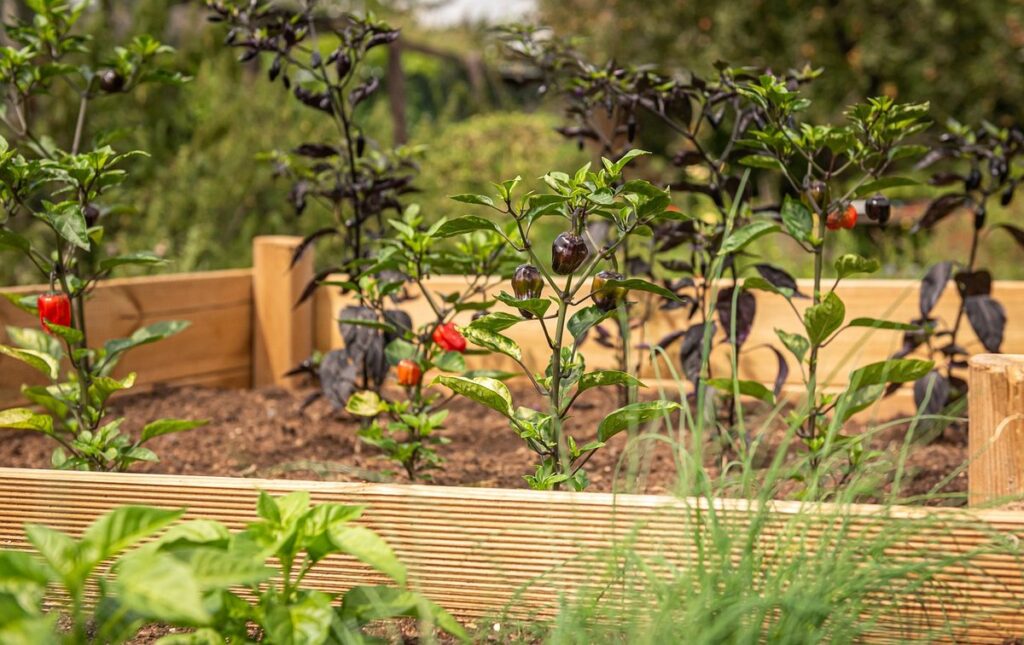
Benefits and Advantages of Raised Beds
Raised beds offer numerous benefits that make gardening easier, more efficient, and less labor-intensive for you, resulting in a bountiful harvest. Let’s explore these advantages together.
Increased Accessibility
One of the most significant advantages of raised beds is their adaptability for people with mobility issues or limited space. Whether you’re a senior gardener or someone who’s confined to a wheelchair, raised beds can be tailored to suit your needs.
For instance, consider using adjustable or removable legs on your raised bed frame. This allows you to customize the height to a comfortable working level, reducing strain and fatigue. Alternatively, if you have limited mobility in your hands or arms, opt for raised beds with built-in planters or containers that can be easily accessed from a seated position.
Another benefit is the reduced bending and kneeling required when working on raised beds compared to traditional ground-level gardens. This makes it easier to tend to plants without putting excessive pressure on joints. By incorporating features like these into your raised bed design, you can enjoy gardening even with mobility limitations or limited space, making it an inclusive hobby for everyone.
Improved Drainage and Soil Quality
One of the most significant benefits of raised beds is their ability to improve drainage and soil quality. This leads to healthier plant growth and a reduction in common gardening problems such as waterlogged soil and root rot.
In traditional garden beds, it’s not uncommon for water to pool on the surface or become trapped beneath the soil, causing roots to rot and plants to suffer. Raised beds, however, allow excess water to drain freely through their sides, reducing the risk of waterlogged soil and associated problems.
This improved drainage is largely due to the bed’s elevated design and use of a suitable growing medium. By filling raised beds with well-draining materials such as compost or perlite, gardeners can ensure that roots receive adequate oxygen while excess moisture escapes. This optimal balance between water and air contributes significantly to healthy plant growth and increased yields.
By incorporating features like built-in drainage channels or utilizing raised bed liners, gardeners can further enhance the benefits of improved soil quality and drainage in their raised beds.
Aesthetic Appeal and Versatility
One of the most significant advantages of raised bed gardens is their aesthetic appeal and versatility. When designed thoughtfully, these beds can add visual interest to your outdoor space while also providing a productive gardening area.
In terms of materials, you have a wide range of options at your disposal. Wood, for example, is a popular choice due to its natural beauty and durability. Composite materials are another option, offering a low-maintenance alternative that’s perfect for busy gardeners. Metal frames can provide a sleek, modern look, while bamboo or recycled plastic offer eco-friendly alternatives.
When it comes to layouts, the possibilities are endless. Consider creating a meandering path through your raised beds to create visual interest and make navigating your garden more enjoyable. Alternatively, you could create separate sections for different plants, such as a herb bed or a vegetable garden. To maximize space, incorporate vertical elements like trellises or arbors to grow vining plants.
Consider adding decorative features like lights, fountains, or statues to enhance the ambiance of your raised beds. By incorporating these design elements thoughtfully, you can create a unique and inviting outdoor space that reflects your personal style.
Designing Your Raised Bed Garden
Now that you’ve planned your raised bed garden, it’s time to think about its physical design. We’ll walk you through designing a layout that maximizes space and growth potential.
Choosing the Right Location
When it comes to designing your raised bed garden, choosing the right location is crucial for its success. As you plan out your garden, consider the three key factors that will impact your plants’ growth and your gardening experience: sunlight, wind direction, and accessibility.
Sunlight is a top priority for most gardens, as it’s essential for photosynthesis. Choose a spot that receives at least six hours of direct sunlight per day. If you’re planting vegetables or fruits, ensure they get the right amount of sunlight based on their specific needs – for example, tomatoes require more sun than leafy greens. Be mindful of trees and buildings that may cast shade on your garden.
Wind direction is also vital to consider. A spot that’s protected from strong winds will prevent damage to your plants and make maintenance easier. Consider planting windbreaks like shrubs or tall grasses to buffer against harsh gusts.
Finally, accessibility is a must-have for any gardener. Choose a location that allows you easy access to water, tools, and your garden itself. This will save you time and energy in the long run and make gardening more enjoyable.
Selecting Materials and Tools
When it comes to selecting materials and tools for your raised bed garden, there are several options to consider. For the frame itself, you can opt for traditional wood, such as cedar or redwood, which are naturally resistant to rot and insects. Composite materials like recycled plastic or composite wood are also durable and low-maintenance alternatives.
Metal frames, often made from aluminum or steel, offer a sleek look and ease of assembly. However, they may require more frequent repainting to protect against rust.
Essential tools for assembling your raised bed include a drill, screwdriver, and level. For maintenance, you’ll want to have a watering can, gloves, and a trowel on hand.
Consider the longevity and upkeep needs when making your selection. If you’re short on time or prefer minimal maintenance, composite materials might be the best choice. Wood, on the other hand, requires periodic staining or sealing to maintain its appearance. Metal frames are often easy to clean but may need more frequent repainting to prevent rust.
Ultimately, choose materials and tools that fit your budget and gardening style.
Planning Your Garden Layout
When planning your raised bed garden layout, it’s essential to consider both form and function. A well-designed layout not only looks beautiful but also maximizes space, promotes healthy growth, and reduces maintenance. To achieve this balance, let’s explore the principles of companion planting and crop rotation.
Companion planting involves pairing plants that benefit from each other’s presence, such as marigolds repelling nematodes near tomatoes or basil improving flavor for surrounding vegetables. Research specific combinations tailored to your climate and garden goals. Consider grouping plants with similar growing requirements together to reduce water usage and ensure efficient sunlight distribution.
Crop rotation is another crucial aspect of planning your raised bed layout. Rotate annuals and perennials every season to avoid depleting the soil’s nutrients, combat pests, and prevent diseases from spreading. For example, if you planted tomatoes in a particular area last season, consider replacing them with a different crop like broccoli or carrots this season. By incorporating these strategies into your design, you’ll create a thriving, diverse garden ecosystem that requires minimal intervention.
Building Your Raised Bed Garden
Now that you’ve chosen the perfect location and designed your raised bed garden, it’s time to build it. In this section, we’ll walk through the step-by-step process of assembling your raised bed frame.
Preparing the Site and Base
Preparing the site and base is a crucial step in building a successful raised bed garden. Before you start laying down soil and plants, you need to ensure that the area is ready for cultivation. Begin by clearing the land of any debris, weeds, or existing vegetation. Use a garden fork or spade to loosen the top 6-8 inches of soil, and remove any stones, roots, or other obstructions.
Next, lay down a base layer to prevent weeds from growing up through your raised bed and to conserve water. Landscape fabric is an excellent choice for this purpose – simply cut it to size, roll it out over the prepared area, and secure it with rocks or pins. Alternatively, you can use a weed barrier membrane or even a layer of newspaper.
Once your base layer is in place, you’re ready to build your raised bed frame. Use untreated wood or recycled plastic materials, and consider adding a trellis or other support for climbing plants. Build the frame according to your desired dimensions, leaving space for easy access and maintenance.
Filling and Amending Your Soil
When it comes to creating a thriving raised bed garden, one of the most critical aspects is preparing high-quality soil that’s teeming with nutrients. Your plants’ health and growth heavily rely on the quality of the soil you use, so it’s essential to fill and amend your soil correctly.
To start, choose a well-balanced potting mix or garden soil that’s specifically designed for raised beds. Avoid using regular topsoil as it can compact over time, preventing proper drainage and root development. Instead, opt for a blend of peat moss, vermiculite, and perlite to create an ideal environment for your plants’ roots.
You should also amend your soil with organic matter such as compost or well-rotted manure to boost its fertility and structure. A general rule of thumb is to add 2-4 inches of compost to the top 6-8 inches of soil, depending on the specific needs of your plants. This will help improve drainage, aeration, and nutrient availability in your raised bed.
In addition to adding organic matter, consider incorporating beneficial microorganisms like mycorrhizal fungi into your soil blend. These tiny organisms form symbiotic relationships with plant roots, increasing their absorption of nutrients and water.
Installing Irrigation Systems (Optional)
Installing an irrigation system can be a game-changer for raised bed garden enthusiasts. Not only does it save time and effort, but it also ensures that your plants receive the right amount of water at the right time. Before we dive into installation considerations, let’s explore the options available.
You can choose between drip irrigation systems, which deliver water directly to the roots of the plants, and sprinkler systems, which provide a broader coverage area. For raised beds, a drip irrigation system is often the most efficient option, as it reduces evaporation and runoff. In fact, studies have shown that drip irrigation can reduce water consumption by up to 50% compared to traditional sprinkler systems.
When installing an irrigation system, consider the following: Choose a system that’s compatible with your garden’s size and layout Select materials that are durable and resistant to corrosion * Plan for regular maintenance, such as checking and replacing filters or nozzles When done correctly, an irrigation system can make all the difference in keeping your raised bed garden thriving.
Planting and Maintaining Your Raised Bed Garden
Once you’ve designed your raised bed garden, it’s time to think about how to plant and maintain it effectively for a thriving and bountiful harvest. We’ll walk you through the essential steps.
Choosing Suitable Plants
When selecting plants for your raised bed garden, it’s essential to choose varieties that thrive in these conditions. Raised beds provide well-draining soil and full sun, making them ideal for vegetables and fruits that require high levels of sunlight.
For companion planting, consider pairing plants with complementary growth habits and nutrient requirements. For example, plant tall stalks like sunflowers or corn behind shorter varieties like tomatoes or lettuce to maximize space. Similarly, pair nitrogen-fixing legumes like beans with heavy feeders like cucumbers or squash to create a balanced ecosystem.
When selecting crops, choose varieties that are specifically bred for raised beds or container gardening. These plants tend to have compact growth habits and improved root systems. Some popular choices include cherry tomatoes, leafy greens like kale or spinach, and herbs like basil or mint.
Remember to also consider the mature size of each plant when planning your layout to ensure there’s enough space for proper air circulation and sunlight penetration.
Scheduling Plantings and Harvests
When it comes to raising a successful bed garden, timing is everything. Proper scheduling of plantings and harvests is crucial for maximizing yields and enjoying a bountiful harvest throughout the growing season.
One of the key considerations when planning your raised bed garden is seasonal change. Different plants thrive in different temperatures and conditions, so it’s essential to plan your plantings around these changes. For example, cool-season crops like broccoli, kale, and spinach do best in the cooler spring weather and can tolerate light frosts. On the other hand, warm-season crops like tomatoes, peppers, and eggplants require warmer temperatures and will bolt (go to seed) if planted too early.
To make the most of your garden’s potential, plan for succession planting. This involves planting a new crop every 1-3 weeks to ensure continuous harvests throughout the season. For instance, plant lettuce or radishes in between rows of slower-growing crops like tomatoes and peppers to take advantage of the space between them. By staggering plantings and choosing varieties that mature at different times, you can enjoy fresh produce from your raised bed garden for months on end.
Managing Pests and Diseases
When you’re cultivating life in your raised bed garden, it’s not uncommon to encounter unwanted visitors – pests and diseases that can harm your plants. Identifying the culprits is crucial to applying effective control methods. Keep an eye out for signs of infestation or infection, such as holes in leaves, white powdery coatings, or black spots on stems.
Common pests like aphids, slugs, and snails can be managed organically by introducing beneficial insects, hand-picking them at night, or using copper tape to deter slugs. You can also create a homemade trap using beer to attract slugs – they’re attracted to the yeast in fermented beverages! For diseases like powdery mildew or leaf spot, maintain good air circulation and water your plants from below to prevent moisture accumulation.
To further prevent disease and pest issues, rotate crops seasonally, remove weeds that can harbor pests or diseases, and practice crop diversification. This will create a balanced ecosystem where beneficial organisms thrive, suppressing potential problems before they arise. Regularly inspect your raised bed garden for signs of trouble, and take prompt action to address any issues – happy gardening!
Tips and Variations for Advanced Gardeners
As you’ve got your raised bed garden up and running, it’s time to think beyond the basics: here are some expert tips and creative variations to take your design to the next level.
Raised Bed Designs for Small Spaces
When it comes to designing raised beds for small spaces, creativity is key. Advanced gardeners know that even the tiniest of areas can be transformed into a thriving oasis with the right design. One popular solution is vertical gardening, where plants are trained to climb up trellises or walls, maximizing space and creating a stunning visual display.
For instance, you can use a compact trellis system to support vining plants like peas, beans, or cucumbers, making the most of your narrow bed. Another option is container gardening, where individual pots or planters are arranged on a raised bed platform, allowing for flexible spacing and easy maintenance.
Space-saving materials like bamboo, reclaimed wood, or recycled plastic can also be used to create innovative designs that defy conventional space constraints. For example, you could build a tiered raised bed using wooden planks, each level featuring a different type of plant, such as leafy greens on the top, followed by herbs and finally, flowers on the bottom. By thinking outside the box, even the smallest spaces can become vibrant gardens that bring joy and beauty to your outdoor living area.
Using Technology to Enhance Your Raised Bed Garden
Using technology to enhance your raised bed garden is a game-changer for advanced gardeners. With innovative systems like hydroponics and self-watering solutions, you can take your gardening experience to the next level.
Hydroponic systems allow plants to absorb nutrients directly from a nutrient-rich solution rather than through soil. This method increases water efficiency by up to 90% and promotes faster growth rates. For example, a study conducted in a hydroponic system showed that lettuce grew 50% faster compared to traditional soil-based gardening.
Self-watering systems are another smart technology for raised beds. These systems store excess water in a reservoir below the growing medium, providing plants with consistent moisture levels. This reduces maintenance time and ensures optimal growth conditions.
When implementing these technologies, consider factors like space constraints, plant selection, and your desired level of automation. Many systems also integrate sensors and monitoring tools to provide real-time data on soil moisture, temperature, and light exposure. By leveraging technology in this way, you can create a more efficient, productive, and enjoyable raised bed garden experience.
Integrating Other Gardening Methods with Raised Beds
When designing your raised bed garden, you’re not limited to traditional gardening methods. By incorporating other approaches like permaculture and biodynamics, you can create a more holistic and sustainable space that works in harmony with nature. Permaculture, for instance, involves mimicking the natural ecosystem by layering plants according to their growth habits and needs. Start by planting tall trees or shrubs at one end of your raised bed, followed by smaller perennials, and finish with annuals.
Biodynamics takes a more spiritual approach, focusing on the use of organic preparations to enhance soil fertility and plant growth. To integrate biodynamic principles into your design, consider adding compost tea bags or using cover crops to improve soil health. You can also incorporate elements like ponds or water features, which not only provide habitat for beneficial insects but also contribute to a sense of calm and well-being.
Experimenting with different methods will allow you to tailor your raised bed garden to your specific needs and preferences. Be open to learning from nature and adapt your design accordingly. By embracing other gardening approaches, you’ll create a unique space that not only produces abundant harvests but also reflects your personal connection with the natural world.
Frequently Asked Questions
What if I have limited space, but I still want to create a raised bed garden?
You can consider vertical or wall-mounted raised beds, which are perfect for small spaces. These designs allow you to grow multiple plants in a compact area while maintaining optimal drainage and soil quality.
Can I use recycled materials for my raised bed frame?
Yes, repurposing old pallets, wood planks, or other sustainable materials is an excellent way to create a unique and eco-friendly raised bed garden. Just ensure the materials are sturdy and durable enough to support the weight of the plants and any added features like irrigation systems.
How do I prevent moisture buildup in my raised bed garden during wet seasons?
To prevent waterlogging and associated plant stress, incorporate proper drainage mechanisms into your design. Consider adding a slight slope (about 1-2% grade) or installing French drains to ensure excess water flows away from the beds.
What if I encounter issues with pests or diseases in my raised bed garden?
Monitoring your plants regularly is key to identifying potential problems early on. Implement integrated pest management (IPM) strategies, which combine physical barriers, cultural controls, and biological or chemical controls to manage pests and diseases effectively.
Can I mix different types of plants together in the same raised bed garden?
Yes, raised beds allow for diverse plant combinations by separating roots with adequate space between each variety. Just be mindful of mature plant sizes, growth habits, and sunlight requirements to ensure harmonious coexistence and optimal growth.