
Growing cilantro can be a bit finicky, but with the right conditions and care, you’ll be enjoying its fresh flavor in no time. If you’re tired of buying wilted cilantro at the store or struggling to get it to grow from seed, this guide is for you. Cilantro is a staple herb in many cuisines, particularly Mexican and Asian cooking, and adding it to your garden can elevate your dishes with its unique aroma and taste.
In this comprehensive guide, we’ll cover everything you need to know about growing cilantro, from the right amount of light and water to the ideal soil conditions. We’ll also discuss common mistakes to avoid and provide tips for keeping your cilantro crop thriving throughout the season. By following our expert advice, you’ll be harvesting a bountiful batch of fresh cilantro in no time, saving you money and ensuring that your dishes are always full of flavor.
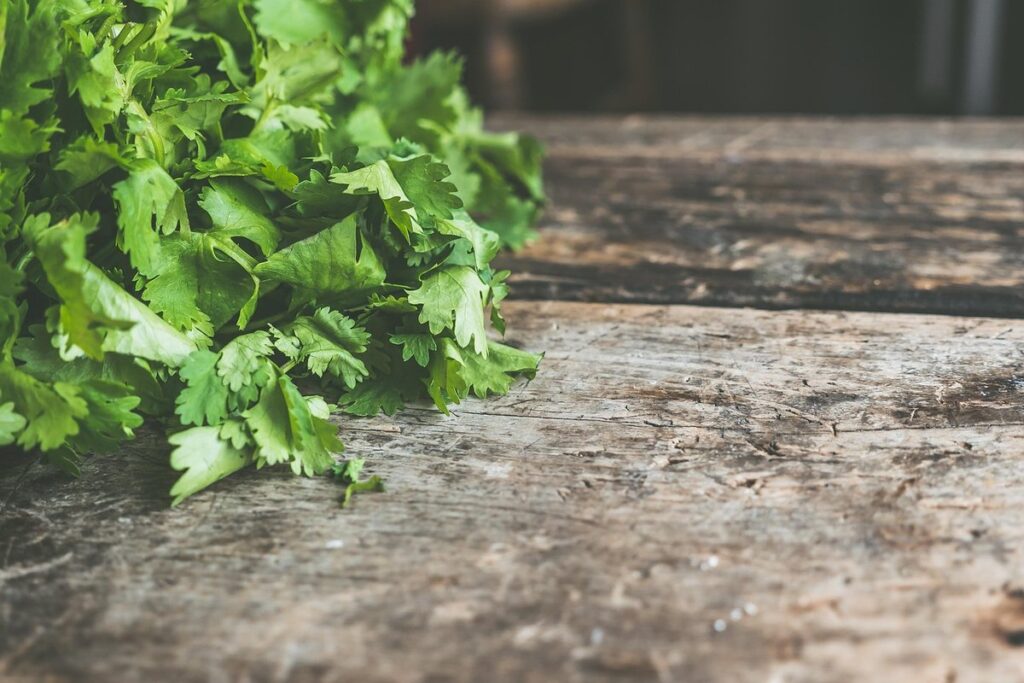
Understanding Cilantro’s Growing Requirements
To successfully grow cilantro, you’ll want to understand its specific needs for sunlight, water, and soil conditions, as these factors can make or break a healthy crop. In this section, we’ll break down each of these requirements in detail.
1. Light and Temperature Preferences
Cilantro prefers well-lit conditions but can tolerate partial shade. Direct sunlight for more than 4-5 hours a day can be detrimental, causing the leaves to become scorched and bitter. When growing cilantro indoors or in containers, east- or west-facing windows are ideal, as they provide gentle, indirect light.
For optimal growth, the ideal temperature range is between 60°F (15°C) and 80°F (27°C). Cilantro is sensitive to extreme temperatures and can bolt (go to seed prematurely) if exposed to heat above 85°F (29°C) or cold below 55°F (13°C).
To replicate this temperature range, consider using a thermostat-controlled greenhouse or growing cilantro in containers that can be moved indoors during cooler months. Keep in mind that cilantro is a cool-season crop and thrives in the mild temperatures typically found in spring or fall.
Some key takeaways to keep in mind: Cilantro requires at least 4 hours of direct sunlight per day for optimal growth. If you’re growing indoors, choose a location with bright, indirect light. * Maintain a consistent temperature between 60°F and 80°F (15°C and 27°C) to prevent bolting.
2. Soil Preferences and pH
When it comes to growing cilantro, soil preferences and pH levels play a crucial role in ensuring optimal nutrient absorption. Cilantro thrives in well-draining, fertile soils with a pH range of 6.0-7.0. If the soil is too alkaline or acidic, it can lead to nutrient deficiencies and affect the plant’s overall health.
To create an ideal growing environment for cilantro, use a potting mix specifically designed for herbs. Avoid using garden soil from your yard as it may contain weed seeds or other contaminants that can harm your plants. If you’re starting cilantro in a container, make sure to use a container with good drainage holes to prevent waterlogged soil.
The ideal pH range for cilantro allows the plant to easily absorb essential nutrients like calcium and magnesium. A pH above 7.0 can cause nutrient lockout, while a pH below 6.0 may lead to root damage. By keeping your soil within this optimal pH range, you’ll be providing your cilantro with the best possible chance to grow strong and healthy. Regularly test your soil to ensure it’s within the ideal pH range and adjust as needed.
Choosing the Right Variety
When it comes to growing cilantro, selecting the right variety can make all the difference in your harvest’s success. Let’s explore the best options for your garden.
1. Popular Cilantro Varieties
When selecting a cilantro variety for your garden, you’ll come across several options that cater to different needs and preferences. Some popular varieties include Slow-Bolting Cilantro, Fast-Growing Cilantro, and Mexican Cilantro.
Slow-Bolting Cilantro is ideal for areas with warm climates as it produces leaves for a longer period without flowering prematurely. This variety is perfect for those who want to enjoy cilantro’s fresh flavor throughout the growing season. On the other hand, Fast-Growing Cilantro thrives in cooler temperatures and can be harvested within 20-25 days of sowing.
Mexican Cilantro, also known as Long-Cornered Cilantro or Dehli Cilantro, is a popular choice for its unique flavor profile and aroma. It’s perfect for adding depth to Mexican dishes like tacos and salsas. When choosing a variety, consider factors such as climate, growth rate, and desired harvest time.
When planting multiple varieties, ensure they have sufficient space to grow without overcrowding each other. This will promote healthy growth and prevent the spread of diseases. With proper selection and care, you can enjoy a bountiful cilantro harvest all season long.
2. Tips for Selecting a High-Quality Seed Packet
When it comes to growing cilantro successfully, selecting a high-quality seed packet is crucial. A reliable seed packet ensures that you’re starting with healthy seeds tailored to your local climate. To choose the right one, look for packets from reputable seed companies that specialize in herbs.
Check the packet for specific information about the variety’s tolerance for heat, drought, and humidity. Cilantro prefers cooler temperatures and well-draining soil, so ensure the packet mentions these requirements. If you live in a hot or humid region, opt for varieties like ‘Santo’ or ‘Fernando’, which are bred to perform better under challenging conditions.
Another important factor is the seed’s freshness. Opt for packets with clear expiration dates and purchase from companies that store their seeds properly to maintain viability. Avoid old or low-quality seeds, as they may not germinate well or produce weak plants. By choosing a high-quality seed packet, you’ll be off to a great start in growing healthy and flavorful cilantro.
Preparing the Soil and Sowing Seeds
Before you start sowing your cilantro seeds, it’s essential to prepare the soil properly. This means ensuring it has the right pH level and sufficient moisture for optimal growth.
1. Cilantro’s Nutrient Requirements
Cilantro requires a balanced diet of essential nutrients to thrive. Nitrogen is crucial for leaf growth and development, so make sure your soil has adequate nitrogen levels. Phosphorus, on the other hand, promotes root development and helps cilantro establish itself quickly. Potassium supports overall plant health and resistance to disease.
In addition to these macronutrients, cilantro also needs a range of micronutrients, including iron, manganese, and zinc. Iron is vital for healthy chlorophyll production, while manganese and zinc help with enzyme function and cell wall development. To ensure your soil has the right balance of nutrients, consider getting a soil test done. This will give you an accurate reading of your soil’s nutrient levels.
When fertilizing your cilantro crop, use a balanced fertilizer that contains all the necessary macronutrients. You can also side-dress with a micronutrient-rich fertilizer to provide extra support for cilantro’s growth needs. For example, you might use a product containing 10-20-10 (nitrogen-phosphorus-potassium) and add a micronutrient supplement as needed.
2. Techniques for Direct Sowing vs. Indoor Seed Starting
When it comes to sowing cilantro seeds, you have two primary options: direct sowing in the garden or indoor seed starting. While both methods can be effective, they come with their own set of benefits and drawbacks.
Direct sowing involves planting cilantro seeds directly into the garden bed at the right time for your climate. This method is beneficial because it eliminates the need for transplanting, which can be stressful for young plants. Additionally, direct-sown cilantro tends to develop its roots more quickly, making it less susceptible to root rot. However, direct sowing can be riskier in areas with extreme weather conditions or pests.
On the other hand, indoor seed starting allows you to control the environment and get a head start on the growing season. This method is ideal for cooler climates or for those who want to extend their cilantro harvest. Indoor seedlings are also less likely to develop pests or diseases. Nevertheless, indoor seed starting requires more equipment and attention, including providing adequate light, watering, and temperature control.
Some gardeners prefer a combination of both methods: direct sowing in the early spring and fall, when the weather is cooler, and indoor seed starting during the warmer summer months. Experiment with different approaches to find what works best for your specific climate and needs.
Caring for Your Cilantro Plants
Now that you’ve successfully grown your cilantro, it’s time to learn how to keep it thriving. This next step will ensure your herb stays healthy and continues to produce plenty of fresh leaves.
1. Watering and Moisture Requirements
When it comes to watering and moisture requirements for cilantro plants, it’s essential to strike the right balance. Overwatering can lead to root rot and other problems, while underwatering will cause the leaves to turn yellow and wilt. To determine if your cilantro needs water, check the soil by inserting your finger into it up to the first knuckle. If the soil feels dry, it’s time for a drink.
As a general rule of thumb, water your cilantro plants when the top inch of soil is dry. This can vary depending on factors such as climate, humidity, and pot size. In hot or dry weather, you may need to water your cilantro more frequently, while in cooler or more humid conditions, it may only need watering once a week.
Some signs that your cilantro plants are receiving too much moisture include yellowing leaves, soft stems, and a strong unpleasant odor from the roots. Conversely, if your cilantro leaves are droopy and crispy, it’s likely due to underwatering. Keep in mind that cilantro has a shallow root system, so be gentle when watering to avoid washing away the tiny roots.
To get it just right, start by watering your cilantro plants lightly but frequently. This will encourage deep root growth and help prevent overwatering issues.
2. Fertilization and Pest Management Strategies
Fertilizing cilantro plants is crucial for optimal growth and flavor. You can use compost tea as a natural fertilizer by steeping compost in water to create a nutrient-rich liquid. This method not only provides essential nutrients but also encourages beneficial microbes in the soil.
Another option is to side-dress with fish emulsion or alfalfa meal, which are rich in nitrogen, phosphorus, and potassium. These fertilizers promote healthy leaf growth and prevent bolting. It’s essential to apply them at the right time – during the vegetative stage when cilantro is actively growing new leaves.
To protect your cilantro from pests, adopt integrated pest management (IPM) techniques. Encourage beneficial insects like lacewings and parasitic wasps that prey on aphids and other pests. You can also use neem oil or insecticidal soap to control infestations without harming the environment.
Some common pests affecting cilantro include aphids, spider mites, and root maggots. Regularly inspect your plants for signs of damage and take action promptly to prevent further harm. By adopting these fertilization and pest management strategies, you’ll be able to grow healthy, flavorful cilantro with minimal chemical usage.
Common Problems and Solutions
As you embark on growing cilantro, you may encounter some challenges along the way. This section will help troubleshoot common issues and provide solutions to get your cilantro garden back on track.
1. Identifying and Addressing Bolting Issues
Bolting is a common issue that can occur when growing cilantro, causing the plant to prematurely flower and lose its flavor. This can be frustrating, especially if you’re relying on cilantro for a specific dish.
There are several reasons why bolting may happen, including exposure to high temperatures, stress from transplanting or over-watering, and inadequate light. To prevent bolting, make sure to provide your cilantro with partial shade, especially during the hottest part of the day. You can also try keeping the soil consistently moist but not waterlogged.
If you notice your cilantro starting to bolt, don’t panic! Simply snip off the flower buds as soon as they appear to encourage the plant to focus its energy on leaf production instead. This is a simple process that requires minimal pruning – just pinch or cut off the flowering stems at the base of the leaves.
2. Troubleshooting for Overwatering, Underwatering, and Nutrient Deficiencies
When growing cilantro, it’s not uncommon to encounter issues with overwatering, underwatering, and nutrient deficiencies. These problems can be detrimental to the health of your plants, leading to reduced yields or even plant death. To identify and rectify these issues, let’s explore their common signs and symptoms.
Overwatering can cause roots to rot, resulting in a droopy appearance and yellowing leaves. Waterlogged soil also creates an ideal environment for pests and diseases to thrive. Check your soil moisture by inserting your finger into the soil up to the first knuckle; if it feels damp, wait another day before watering again.
Underwatering, on the other hand, can lead to brittle stems and wilted leaves. Inspect your plants daily, ensuring the top 1-2 inches of soil dry out between waterings.
Nutrient deficiencies manifest as discolored or stunted growth. Regularly fertilize with a balanced, water-soluble formula (20-20-20 N-P-K) to prevent this issue.
Harvesting and Preserving Your Cilantro Crop
Now that your cilantro crop is ready, let’s talk about how to harvest it at its peak flavor and aroma, and preserve it for later use.
1. Timing the Harvest for Optimal Flavor and Texture
Knowing when to harvest your cilantro crop is crucial for capturing its optimal flavor and texture. Cilantro’s flavor profile changes dramatically during its growth cycle, reaching its peak at different stages of maturity. The most intense flavor is often achieved just before the plant flowers.
To determine if your cilantro is ready, inspect the stems and leaves. They should be a vibrant green color with no signs of wilting or yellowing. Pinch off individual stems from the center of the plant to encourage bushy growth and prevent it from flowering too quickly.
A general rule of thumb is to harvest cilantro in the morning, when the dew has evaporated but before the heat of the day sets in. This ensures you get the freshest, most flavorful leaves possible. If you’re unsure whether your cilantro is ready, give a few stems a gentle tug. If they come off easily, it’s time to harvest.
Harvesting at the right moment will also help prevent bitterness from developing in the leaves. Cilantro can quickly become bitter if left on the plant for too long, so keep an eye out for these signs and adjust your harvesting schedule accordingly.
2. Methods for Storing and Preserving Fresh Cilantro
Proper storage and preservation of cilantro is crucial to maintaining its flavor and aroma. When harvesting, it’s essential to handle the leaves gently to prevent damage. To keep your fresh cilantro fresh for an extended period, consider the following methods:
Refrigeration is a simple yet effective way to store cilantro. Wrap the stems in a damp paper towel or cloth, place them in an airtight container, and store it in the refrigerator at a temperature of around 40°F (4°C). This method can keep cilantro fresh for up to two weeks.
Freezing is another option for long-term preservation. Simply chop the leaves, place them in an ice cube tray with a small amount of water, and freeze. Frozen cilantro cubes are perfect for soups, stews, or sauces that require cilantro flavor but not its texture.
Drying is also an excellent method for preserving cilantro. You can air-dry the leaves by tying them in small bunches or use a food dehydrator to dry the leaves more efficiently. Dried cilantro is ideal for adding a burst of flavor to dishes without the need for fresh herbs.
To maximize your harvest, consider harvesting individual stems as needed, rather than cutting the entire plant at once. This approach will encourage the plant to produce new growth and prevent it from going to seed too quickly.
Frequently Asked Questions
What’s the ideal temperature range for cilantro to thrive, and how can I ensure my indoor growing space is within this range?
Cilantro prefers temperatures between 65°F (18°C) and 75°F (24°C). To maintain a suitable temperature in your indoor growing space, use a thermometer to monitor the temperature. Keep your growing area away from heating vents and radiators, and consider using fans or a humidifier to maintain a stable environment.
How often should I water my cilantro plants, especially during hot summer months?
Yes, regular watering is crucial for cilantro’s health. Water your plants when the top inch of soil feels dry to the touch. During hot summer months, you may need to water more frequently, but avoid overwatering, which can lead to root rot and other issues.
What are some common pests that target cilantro, and how can I prevent infestations?
Some common pests that affect cilantro include aphids, whiteflies, and spider mites. To prevent infestations, use neem oil or insecticidal soap as a preventative measure. Regularly inspect your plants for signs of pests, and remove any affected leaves to prevent the problem from spreading.
Can I grow cilantro in containers year-round, even during the winter months?
Yes, you can grow cilantro in containers year-round, but it may require more maintenance than growing in the ground. Use a well-draining potting mix and provide sufficient light (at least 4-5 hours of direct sunlight) for your container-grown cilantro plants. Keep the soil consistently moist, and fertilize regularly to promote healthy growth.
How can I preserve my fresh cilantro harvest, especially if I’m planning to use it in large quantities or during off-seasons?
You can preserve your fresh cilantro harvest by freezing, drying, or making cilantro oil. Freezing is a simple method: chop the leaves and place them in an airtight container or freezer bag. You can also dry cilantro by tying the stems together and hanging them upside down in a warm, dry area.