
Watering your seedlings can be a delicate task, making all the difference between lush growth and wilted disappointment. Getting the frequency just right is crucial, as overwatering can lead to root rot, while underwatering can stunt development. With so many factors at play – soil moisture, maturity stage, temperature, humidity, light exposure, and soil type – it’s no wonder even experienced gardeners can get it wrong.
In this article, we’ll break down the key considerations for watering your seedlings, providing expert tips on adjusting your schedule for optimal growth. We’ll explore how to read the signs in your plants and adjust your watering habits accordingly, ensuring you’re giving them just what they need to thrive. By the end of it, you’ll be well-equipped to handle even the most finicky seedlings, with a clear understanding of when and how often to water for maximum results.
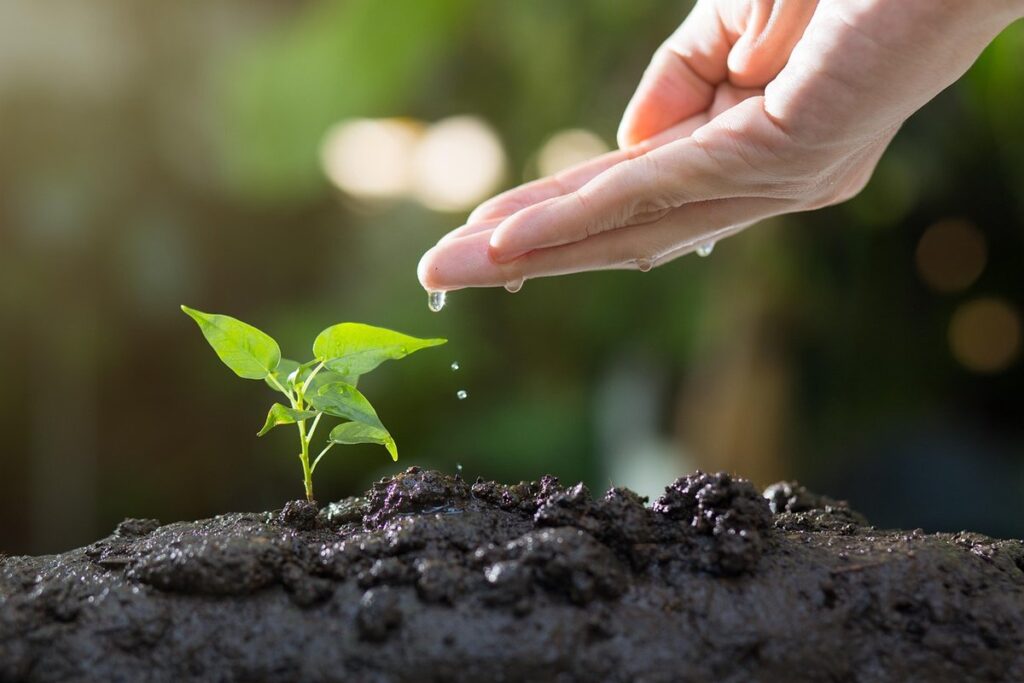
Understanding Seedling Watering Needs
When it comes to watering seedlings, it’s easy to overwater them and cause more harm than good. In this next part of our guide, we’ll explore how often you should water your seedlings for optimal growth.
The Importance of Soil Moisture Levels
Soil moisture levels play a vital role in seedling growth and development. When it comes to watering your seedlings, getting the soil moisture just right is crucial. If the soil is too dry for an extended period, the seedling’s roots may not be able to absorb water efficiently, leading to stress and potentially even death.
Conversely, overwatering can have its own set of problems. When the soil is consistently waterlogged, it deprives the roots of oxygen, leading to root rot and other issues. In fact, studies have shown that root rot is one of the most common causes of seedling failure.
To avoid these pitfalls, it’s essential to monitor your soil moisture levels regularly. Check the soil by inserting a finger or a chopstick into the soil up to the first knuckle. If the soil feels dry at this depth, it’s time to water. On the other hand, if it still feels moist, you can wait another day before watering again.
Keep in mind that different types of plants have varying moisture requirements. Research your specific plant’s needs and adjust your watering schedule accordingly. By paying attention to your seedlings’ soil moisture levels, you’ll be able to provide them with the right amount of water for optimal growth and development.
Determining Seedling Maturity Stage
When it comes to determining the optimal watering frequency for seedlings, understanding their maturity stage is crucial. A seedling’s growth rate and water requirements change significantly as it transitions from the germination phase to more established vegetation.
To assess a seedling’s maturity stage, look for signs of increased vigor and growth. These may include:
• Thicker, darker green leaves
• Stems becoming less fragile and more robust
• Roots developing and spreading outwards, breaking through seed starting mix
• Seedlings beginning to grow taller and develop their first set of true leaves
As your seedling reaches these milestones, it’s likely ready for increased watering frequency. Typically, this occurs 7-10 days after germination, but this timeline can vary depending on factors such as temperature, humidity, and the specific species.
Keep in mind that overwatering is still a risk at this stage. Be cautious not to water seedlings too frequently, as this can lead to root rot and other issues. By monitoring your seedling’s growth and adjusting watering schedules accordingly, you’ll be better equipped to provide the right balance of moisture for optimal development.
Watering Frequency for Different Seed Types
When it comes to watering your seedlings, different types of seeds require varying levels of moisture. Let’s dive into the specific watering needs for popular seed types.
Fast-Growing Seeds (e.g., Radishes, Cress)
Fast-growing seeds like radishes and cress require more frequent watering due to their rapid growth rate. These seeds germinate quickly and can sprout within 2-5 days, making it essential to keep the soil consistently moist during this stage. Aim to water these seeds every day or every other day, depending on the temperature and humidity of your growing environment.
For radishes, which can grow up to 1 inch in just 3 days, make sure the top inch of soil is always damp but not waterlogged. Cress, another fast-growing crop, needs even more attention. Water it at least once a day, or twice if the temperature is above 70°F (21°C). Remember that overwatering can be detrimental to these seeds, so check the soil daily and adjust your watering schedule accordingly.
To ensure you’re not over- or underwatering, observe your seedlings’ color, texture, and growth rate. If they appear wilted, pale, or stunted, it’s likely due to insufficient watering. Conversely, if the leaves are yellowing or the stems are soft and mushy, you may be providing too much water. Adjust your schedule accordingly based on these observations, and don’t hesitate to experiment with different frequencies to find what works best for your specific growing conditions.
Slow-Growing Seeds (e.g., Tomatoes, Peppers)
Slow-growing seeds like tomatoes and peppers can be a bit more forgiving when it comes to watering frequency. They can tolerate some dryness between waterings, which makes them ideal for busy gardeners or those who tend to forget to water their seedlings from time to time.
On average, you should water these slow-growing seeds every 2-3 days during the first week after germination. As they grow and develop, you can gradually increase the interval between waterings to 4-5 days. However, this will depend on the specific climate and soil conditions in your area.
One key thing to keep in mind is that overwatering can be just as detrimental to slow-growing seeds as underwatering. Make sure the top inch of soil feels dry to the touch before watering again. You can also check for moisture by gently sticking your finger into the soil or using a moisture meter.
Remember, it’s always better to err on the side of caution and underwater slightly than to risk drowning your seedlings with too much water. With proper care and attention, even slow-growing seeds like tomatoes and peppers will thrive in no time!
Environmental Factors Affecting Watering Needs
When it comes to watering your seedlings, environmental factors play a significant role in determining their exact needs. From temperature and humidity to light exposure, these elements impact how often you should water.
Temperature and Humidity Levels
When it comes to watering seedlings, temperature and humidity levels play a crucial role in determining their specific needs. High temperatures can cause seedlings to dry out quickly, while low temperatures can lead to root rot if the soil is consistently waterlogged. Extreme temperatures, whether too hot or too cold, can be detrimental to seedling growth.
For example, most seedlings prefer daytime temperatures between 65-75°F (18-24°C) and nighttime temperatures around 55-65°F (13-18°C). If it’s extremely hot outside, consider providing your seedlings with some shade to prevent scorching. On the other hand, if it’s unusually cold, you may need to cover them with a clear plastic bag or bring them indoors to maintain a stable temperature.
High humidity levels can also impact watering needs, as seedlings in humid environments require less water due to increased evaporation from the soil surface. Conversely, low humidity environments demand more frequent watering to compensate for the reduced moisture retention.
Keep in mind that these are general guidelines and may vary depending on your specific climate, region, or even indoor growing conditions.
Light Exposure and Soil Type
When it comes to watering seedlings, the type of light exposure and soil they receive can significantly impact their water requirements. Seedlings grown in direct sunlight, such as those on a south-facing windowsill or outdoors, will need more frequent watering than those in indirect light. This is because direct sunlight causes the soil to dry out faster, leading to transpiration rates that are twice as high as those under indirect light.
For seedlings grown in direct sunlight, aim to water them when the top inch of soil feels dry to the touch. This can be every day or every other day, depending on the humidity and temperature of your environment. In contrast, seedlings in indirect light can go longer between waterings – sometimes up to 3-4 days.
The type of soil also plays a crucial role in determining water needs. Seedlings grown in well-draining potting mixes will require less frequent watering than those in dense or clay-based soils that retain more moisture. By considering both light exposure and soil type, you can tailor your watering schedule to meet the unique needs of your seedlings. This will help prevent over- or under-watering, setting them up for optimal growth and development.
Signs of Overwatering and Underwatering
Now that you know how often to water your seedlings, it’s time to learn what signs to look out for in case you’re over- or underwatering. Recognizing these symptoms will help you adjust your watering schedule on the fly.
Identifying Symptoms of Overwatering
When you’re overwatering your seedlings, it can be tricky to notice at first. However, there are some clear visual signs that will let you know something is amiss.
One of the most obvious symptoms of overwatering is yellowing leaves. This can happen quickly, especially if the soil is consistently waterlogged. To check for this issue, simply lift up a leaf and inspect its underside. If it’s soft to the touch or has visible brown spots, it’s likely suffering from too much moisture.
Droopy stems are another sign that your seedlings might be receiving more water than they need. Check if the stem is limp and soggy – this could indicate root rot, which can quickly spread through the entire plant.
Root rot is a serious issue, as it essentially kills off the roots of the plant, making it impossible for it to absorb any nutrients or water from the soil. Inspect your seedlings’ roots by gently removing them from their pot. If you notice mushy or decaying tissue, it’s time to reevaluate your watering schedule.
In some cases, overwatering might not show up right away – but if you catch it early enough, you can salvage your seedling and prevent further damage.
Recognizing Indicators of Underwatering
If you’re unsure whether your seedlings are getting enough water, there are several indicators of underwatering to look out for. One of the most obvious signs is dry soil. Check the moisture level by inserting a finger into the soil up to the first knuckle. If it feels dry or crumbly, it’s time to water.
Another sign of underwatering is wilted leaves. This can be caused by both physical and environmental factors, but if you’ve ruled out other causes like high temperatures or pests, wilting may indicate that your seedlings are not receiving enough moisture. Leaves should be perky and firm, not limp and droopy. Stunted growth is another indicator of underwatering – seedlings that are struggling to get enough water will have slower growth rates and smaller leaves.
It’s worth noting that some plants are more prone to underwatering than others, especially if they’re new or still developing a robust root system. Keep an eye on your seedlings’ specific needs and adjust your watering schedule accordingly.
Adjusting Watering Schedules
When you notice changes in temperature, humidity, or your seedling’s growth rate, it’s essential to adjust its watering schedule accordingly. Learn how to fine-tune your watering routine for optimal results.
Monitoring Seedling Response
Monitoring seedling response is crucial to ensure optimal growth and prevent root rot. To do this effectively, observe your seedlings for signs of over- or under-watering. Check the soil moisture by inserting a finger into the soil up to the first knuckle. If the soil feels dry, it’s time to water. On the other hand, if it’s already moist, wait another day before checking again.
Monitor seedling response in three key areas: leaf color, growth rate, and physical appearance. Healthy leaves should be a vibrant green color, while wilted or yellowing leaves may indicate over-watering. A slow growth rate can also signal that the seedlings are not receiving enough water. Additionally, check for signs of physical stress such as droopy stems or curled leaves.
Adjust your watering schedule based on these observations. If you notice seedlings responding positively to more frequent watering, increase the frequency accordingly. Conversely, if they seem unaffected by less frequent watering, reduce the schedule. Be cautious not to over-react and make drastic changes, as this can shock the seedlings.
Avoiding Common Mistakes
When adjusting watering schedules for seedlings, it’s easy to fall into common mistakes that can harm their development. One error is overwatering, which can lead to root rot and other issues. To avoid this, monitor the soil moisture by sticking your finger into the soil up to the first knuckle. If the soil feels dry, it’s time to water.
Underwatering is another mistake, but it’s often harder to recognize since seedlings may not show immediate signs of distress. However, if you notice yellowing leaves or droopy stems, it could be a sign that your seedlings are thirsty. Check the watering schedule and adjust as needed, but also consider factors like temperature and humidity.
Don’t assume that all seedlings need the same amount of water. Some species, such as succulents, require less moisture than others. Research the specific needs of your seedlings to create a tailored watering plan. Be consistent in your watering routine, but also be willing to make adjustments based on changing conditions.
Keep an eye out for overwatering due to improper drainage or using pots with no drainage holes. This can lead to waterlogged soil and root rot.
Conclusion: Effective Seedling Care through Proper Watering
In conclusion, proper watering is crucial for seedlings to thrive. By following our guidelines on how often to water seedlings, you can ensure that your young plants receive just the right amount of moisture. Remember, it’s always better to err on the side of caution and underwater slightly than to overwater and risk root rot. Observe your seedlings’ responses to watering schedules and adjust as needed.
For example, if you notice your seedlings are developing yellow leaves or droopy stems, it may be a sign that they’re not receiving enough water. On the other hand, if the soil feels consistently soggy or water is pooling around the base of the plants, it’s likely time to reduce watering frequency.
By taking these simple precautions and staying vigilant, you can provide your seedlings with the best chance at healthy growth and development.
Frequently Asked Questions
Can I still use a watering schedule for seedlings that are growing in different conditions, such as indoor vs. outdoor?
Yes, the general principles of adjusting your watering schedule based on soil moisture levels, maturity stage, and environmental factors remain the same regardless of whether you’re growing indoors or outdoors. However, keep in mind that plants grown under glass may dry out more quickly due to reduced humidity.
How do I know if my seedlings are mature enough for a regular watering routine?
Seedlings typically reach maturity when they have two sets of leaves and their stems can support the weight of the plant without bending. You can also look for signs like increased leaf size, a stronger stem, and more pronounced root growth as indicators that your seedlings are ready for regular watering.
What’s the best way to adjust my watering schedule during periods of extreme weather conditions?
Yes. During hot or dry spells, you’ll need to water more frequently to prevent underwatering stress. Conversely, during periods of heavy rain or cooler temperatures, you can reduce watering frequency to avoid overwatering issues. Keep an eye on soil moisture levels and adjust your schedule accordingly.
Can I use the same watering frequency for all types of seeds, or are there specific requirements for different seed types?
The ideal watering frequency varies depending on the type of seed being grown. Fast-growing seeds like radishes and cress require more frequent watering (every 1-2 days), while slow-growing seeds like tomatoes and peppers can be watered less often (every 3-4 days). Be sure to research specific requirements for your chosen seed varieties.
How do I handle seedlings that are showing signs of both overwatering and underwatering simultaneously?
Yes. This is a common issue known as “dual watering stress.” To address it, you’ll need to adjust your watering schedule more frequently and carefully monitor soil moisture levels. Consider repotting the seedling into fresh, well-draining soil to prevent further root damage. Be prepared to make adjustments based on the seedling’s response to changes in its environment.