
Are you ready to take your gardening game to the next level? A hydroponic garden can be a game-changer, allowing you to grow lush and delicious plants without the hassle of traditional soil-based gardens. Not only does it conserve water, reduce space, and increase yields, but it’s also perfect for small spaces like apartments or balconies.
But where do you start? With so many types of hydroponic systems out there, it can be overwhelming to choose the right one. And what about setting up your system – don’t worry, we’ve got you covered! In this ultimate guide, we’ll walk you through the benefits of hydroponics, explore different types of systems, and provide setup tips tailored specifically for beginners like you. By the end of it, you’ll be well on your way to growing a thriving hydroponic garden that will leave you in awe of its simplicity and effectiveness.
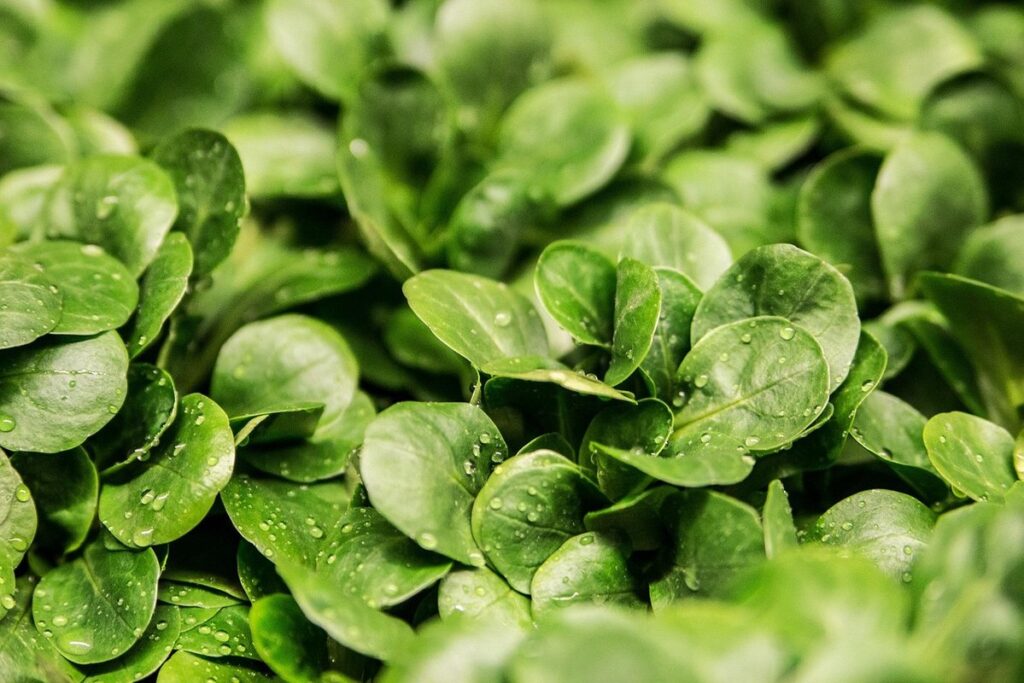
What is Hydroponics?
So, you’re new to hydroponic gardening and want to know where to start? Let’s dive into what exactly hydroponics is and how it works.
Definition and History of Hydroponics
Hydroponics is a fascinating method of growing plants that’s been gaining popularity worldwide. At its core, hydroponics involves growing plants without the need for soil, instead using nutrient-rich water to feed them. This concept dates back to the 1920s when Dutch horticulturist Gartbroek experimented with suspending plants in a solution of nutrients and water.
Fast forward to today, hydroponics has become a staple in modern agriculture, especially in areas where water is scarce or land is limited. The benefits are numerous – from increased crop yields to reduced water consumption, making it an attractive option for farmers and gardeners alike. In fact, some countries have even implemented large-scale hydroponic systems to support their food production.
The history of hydroponics may be rooted in scientific experimentation, but its applications are now varied and widespread. From backyard gardens to commercial farms, people from all walks of life are embracing this innovative method for growing plants. Whether you’re a seasoned gardener or just starting out, understanding the basics of hydroponics can open doors to new possibilities and help you create thriving plant communities.
How Hydroponics Works
Hydroponics is based on a simple yet powerful principle: plants can grow without soil. In traditional gardening, roots absorb nutrients from the surrounding soil, but hydroponic systems deliver those same nutrients directly to the roots through a nutrient-rich solution. This solution typically contains macronutrients like nitrogen, phosphorus, and potassium, as well as micronutrients like iron and zinc.
To ensure optimal growth, hydroponics also requires precise control over pH levels. Most plants prefer a slightly acidic to neutral pH range of 6.0-7.0, but this can vary depending on the specific crop being grown. A pH meter is essential for monitoring and adjusting the solution’s acidity or alkalinity as needed.
Adequate oxygenation is also crucial in hydroponic systems. This can be achieved through aeration pumps, which introduce air into the nutrient solution, or through techniques like flood-and-drain irrigation, where the roots are briefly exposed to air during each cycle of irrigation and drainage. By carefully balancing these three key factors – nutrient delivery, pH control, and oxygenation – hydroponic systems provide plants with everything they need to thrive in a soilless environment.
Benefits of Hydroponic Gardening
One of the most significant advantages of hydroponic gardening is its ability to provide a wide range of benefits for both the environment and your wallet.
Increased Crop Yield and Quality
One of the most significant advantages of hydroponic gardening is its ability to lead to higher crop yields and faster growth rates. This is due in large part to the precise control that hydroponics allows over nutrient delivery, which ensures that plants receive exactly what they need at all times.
In a traditional soil-based garden, nutrient availability can be inconsistent and may vary depending on factors such as soil quality and weather conditions. Hydroponic systems eliminate this variability by providing nutrients in a controlled, soluble form that is absorbed directly by the plant’s roots.
As a result, hydroponically-grown plants tend to grow faster and produce more biomass than their conventionally-grown counterparts. For example, studies have shown that lettuce grown using hydroponics can reach maturity in as little as 20 days, compared to 30-40 days for soil-grown lettuce.
In addition to increased yields, hydroponic gardening also tends to result in higher quality crops due to the ability to optimize nutrient delivery and minimize disease and pest problems. This means that hydroponically-grown produce is often more flavorful, nutritious, and visually appealing than its conventionally-grown counterpart.
Water Conservation and Reduced Land Use
One of the most significant advantages of hydroponic gardening is its potential for water conservation and reduced land use. In traditional soil-based farming, a substantial amount of water is lost due to evaporation, runoff, and seepage into the surrounding environment. Hydroponics, on the other hand, allows for precise control over water usage, resulting in up to 90% less water consumption compared to conventional methods.
By growing crops in a controlled environment, hydroponic gardens can be optimized for maximum efficiency, reducing waste and minimizing the environmental impact. This approach is particularly beneficial for urban agriculture, where space and resources are limited. With hydroponics, you can produce a substantial amount of fresh produce on a small plot of land or even indoors, making it an ideal solution for cities with high population densities.
Incorporating hydroponic gardening into your urban landscape not only helps conserve water but also increases food production efficiency. By using vertical growing systems and maximizing space utilization, you can produce multiple harvests per year, significantly reducing the carbon footprint associated with transporting fresh produce over long distances. With a well-designed hydroponic system, you’ll be amazed at how much food you can grow in a small area!
Types of Hydroponic Systems
Hydroponic systems come in various forms, each with its unique benefits and requirements. Let’s explore the most popular types to find the best fit for your indoor garden needs.
NFT (Nutrient Film Technique) Systems
NFT systems are one of the most popular types of hydroponic gardens due to their efficiency and ease of use. In this system, a continuous flow of nutrient-rich water is pumped through a series of narrow channels, typically made of plastic or PVC pipes. The plants’ roots grow directly in the channel, where they absorb the necessary nutrients for growth.
One of the key advantages of NFT systems is that they deliver nutrients directly to the plant’s roots, reducing waste and increasing yields. This is because the nutrient-rich water flows through the channels at a steady rate, providing each plant with exactly what it needs without overfeeding. Additionally, NFT systems are relatively low-maintenance, as the water flow can be adjusted to prevent clogs and ensure optimal growth.
A typical NFT system includes a reservoir for holding the nutrient solution, a pump to circulate the water, and a network of channels where the plants grow. By adjusting factors such as pH levels, temperature, and nutrient concentrations, gardeners can optimize their NFT system for maximum production. For example, lettuce and herbs are well-suited for NFT systems due to their compact growth habits and high demand for nutrients.
Ebb and Flow (Flood and Drain) Systems
Ebb and Flow (Flood and Drain) systems are one of the most popular types of hydroponic systems due to their simplicity and efficiency. In this system, a water reservoir is connected to a growing area where plants sit on an impermeable surface such as plastic or stone. The water from the reservoir floods into the growing area for a set period (typically 10-30 minutes), allowing the roots to absorb nutrients, then drains back into the reservoir.
A key setup requirement for Ebb and Flow systems is ensuring that the growing area has proper drainage holes and a slightly sloping surface to prevent waterlogging. This system is perfect for growers who want to cultivate a wide variety of plants, including leafy greens, herbs, and flowers. One of the main benefits of this system is its adaptability; it can be easily scaled up or down depending on space and plant requirements.
In addition to their flexibility, Ebb and Flow systems also offer improved crop yields due to consistent water delivery and reduced evaporation compared to other hydroponic methods. For example, a study by the University of California found that Ebb and Flow systems resulted in 30% higher crop yields than traditional soil-based growing methods.
Choosing the Right Hydroponic System for You
Now that you know the benefits of hydroponic gardening and have a basic understanding of different systems, it’s time to decide which one is right for your unique setup.
Factors to Consider: Space, Budget, and Expertise
When selecting a hydroponic system, it’s essential to consider three critical factors: space constraints, budget considerations, and level of expertise. Let’s break down each of these components to help you make an informed decision.
Space is a significant factor when choosing a hydroponic system. Measure the available area where your garden will be located, taking into account the size of the plants, grow trays, and other equipment needed for the system. If space is limited, consider compact or vertical systems that can optimize growing capacity without sacrificing quality. For example, a trellis-based system can make use of wall space, while a NFT (Nutrient Film Technique) system can be installed in a small area.
Budget considerations are also crucial when selecting a hydroponic system. Hydroponic gardening can range from affordable to very expensive, depending on the type and size of the system. Determine how much you’re willing to spend upfront and set aside additional funds for ongoing maintenance and replacement parts. Additionally, consider the cost-effectiveness of hydroponic systems over time, as they can offer higher yields and reduced water consumption compared to traditional gardening methods.
Lastly, your level of expertise will also play a significant role in choosing the right hydroponic system. Assess your familiarity with technical aspects such as pH levels, nutrient management, and system maintenance. If you’re new to hydroponics, consider starting with an easy-to-use system that has built-in monitoring and control features. Alternatively, if you have extensive experience, you may prefer a more complex system that allows for greater customization and fine-tuning of growing conditions.
By carefully evaluating these factors – space, budget, and expertise – you’ll be able to choose the perfect hydroponic system for your specific needs, ensuring a successful and rewarding gardening experience.
DIY vs. Commercial Hydroponic Systems
When deciding on a hydroponic system for your garden, one of the most significant considerations is whether to go with a DIY setup or opt for a commercial system. Both options have their pros and cons, which we’ll explore below.
Building your own hydroponic system, also known as a DIY setup, can be a cost-effective way to get started. It allows you to customize the design and components to suit your specific needs, and it’s a great option for those who enjoy hands-on projects. However, it requires some technical expertise and can be time-consuming, especially if you’re new to hydroponics.
On the other hand, commercial hydroponic systems are often more expensive but offer ease of use and higher yields. They come with pre-designed layouts, automated watering systems, and sometimes even integrated nutrient delivery. While this convenience comes at a price, it’s ideal for larger-scale operations or those who want minimal maintenance.
Ultimately, the decision between DIY and commercial hydroponic systems depends on your specific situation, expertise level, and budget.
Setting Up Your Hydroponic Garden
Now that you’ve chosen your ideal hydroponic setup, it’s time to start building – let’s dive into the essential steps for setting up a thriving hydroponic garden at home.
Preparing the Growing Area and Equipment
When it comes to setting up your hydroponic garden, choosing the right growing area is crucial for your plants’ health and productivity. Ideally, you’ll want a location with sufficient natural light – at least 4-6 hours of direct sunlight or 12-14 hours of indirect light per day. If this isn’t possible, consider using grow lights to supplement the available light.
Next, ensure that your growing area is well-ventilated and has adequate space for equipment and maintenance. A general rule of thumb is to allocate about 2 square feet of growing space per plant. Keep in mind that hydroponic gardens can be compact, but they still require some elbow room to allow for efficient growth and air circulation.
To prepare the growing area, you’ll also need to install necessary equipment such as a water pump, reservoir tank, and irrigation tubing. Don’t forget to set up your system’s control panel and monitoring devices, which will help you track temperature, pH levels, and nutrient delivery in real-time. By taking these steps, you’ll be well on your way to creating an optimal environment for your hydroponic garden to thrive.
Plant Selection and Preparation for Hydroponics
Choosing the right plants for hydroponics can be a bit overwhelming, especially if you’re new to this method of gardening. However, with a little knowledge and planning, you’ll be growing your favorite fruits, vegetables, and herbs in no time.
When selecting plants for hydroponics, it’s essential to consider their nutrient requirements. Some plants are heavy feeders and will need more nutrients than others. For example, leafy greens like lettuce and kale require a lot of nitrogen, while fruiting plants like tomatoes and cucumbers need more phosphorus. Research the specific needs of each plant variety you want to grow and choose a system that can meet those requirements.
In addition to nutrient requirements, also consider the growth habits and space needs of your chosen plants. Some plants, like climbing beans, require trellises or other support systems to keep them upright. Others, like herbs like basil and mint, can be quite invasive and may need to be contained.
To prepare your plants for hydroponics, start by selecting healthy seedlings or cuttings with a strong root system. Acclimate your plants to the hydroponic environment by gradually introducing them to the nutrient solution over several days. This will help prevent shock and ensure they thrive in their new surroundings. With proper care and attention, your hydroponic garden will be flourishing in no time!
Common Challenges and Troubleshooting Tips
As you begin growing your own hydroponic garden, you’ll inevitably encounter some bumps along the way. This section will help you troubleshoot common issues and get back on track.
Nutrient Deficiencies and pH Imbalances
When growing plants hydroponically, it’s not uncommon to encounter nutrient deficiencies and pH imbalances. These issues can be detrimental to plant health, affecting growth rates, yields, and overall quality. To identify these problems, keep a close eye on your plants’ appearance and monitor the water parameters.
Yellowing leaves or stunted growth can indicate nitrogen deficiency. On the other hand, yellow leaves with green veins might suggest iron deficiency. pH imbalances can also cause nutrient deficiencies by making essential micronutrients unavailable to plants. For example, if the pH is too high (above 7), it may lead to calcium and magnesium deficiencies.
To address these issues, check your fertilizer’s pH compatibility and adjust as necessary. Regular water testing will help you identify any problems early on. Consider investing in a pH meter or nutrient test kit for accurate readings. Additionally, consult with experts or research online forums to understand how different nutrient combinations can impact plant health.
By staying vigilant and taking prompt action, you can prevent nutrient deficiencies and pH imbalances from impacting your hydroponic garden’s performance.
Pests, Diseases, and System Failures
In a hydroponic garden, pests, diseases, and system failures can quickly become major issues if not addressed promptly. To prevent these problems, regular maintenance and monitoring are crucial. Check your system daily for signs of trouble, such as yellowing leaves, stunted growth, or unusual odors.
For pest control, use physical barriers like fine mesh or fine netting to keep unwanted insects out. Integrated Pest Management (IPM) strategies involve combining multiple methods, including crop rotation, biological controls, and organic pesticides. For example, using neem oil to repel whiteflies can be an effective solution.
To prevent diseases, ensure proper water quality by testing pH levels regularly. Regularly clean the system, and disinfect equipment with a 1:10 ratio of bleach to water. Keep your garden area free from debris and weeds that can harbor pests and diseases.
System failures often arise from incorrect water temperature or pH levels. Regularly check temperature readings and maintain them within the recommended range (65-75°F). Monitor water levels and top up as needed, and ensure proper drainage to prevent root rot.
By staying vigilant and implementing these preventative measures, you’ll be well on your way to a healthy and thriving hydroponic garden.
Advanced Hydroponic Techniques and Innovations
As you refine your hydroponic skills, it’s time to dive into advanced techniques that will take your garden to the next level. This is where cutting-edge innovations like aeroponics and NFT systems come in.
CO2 Enrichment and Aeration Systems
When it comes to maximizing plant growth and health in your hydroponic garden, CO2 enrichment and aeration systems are two advanced techniques that can make all the difference. CO2 is essential for photosynthesis, and by supplementing it, you can increase yields by up to 30%. You can achieve this through various methods, such as using CO2 generators or tanks.
A well-designed aeration system is equally crucial for healthy root growth. This involves circulating nutrient-rich water throughout the system, providing oxygen to the roots while preventing stagnant conditions that can lead to root rot and other issues. Look for systems with adjustable flow rates and built-in timers to ensure optimal performance.
In practice, integrating CO2 enrichment and aeration systems can be as simple as attaching a small tank to your existing setup or upgrading your current system to include more advanced features. Be sure to research and choose products from reputable manufacturers that meet the specific needs of your garden. By incorporating these techniques, you’ll not only boost yields but also promote healthier, more resilient plants overall.
LED Lighting and Climate Control
When it comes to optimizing your hydroponic garden’s performance, integrating advanced lighting and climate control systems can make all the difference. LED lighting is a game-changer in this regard, as it allows for precise control over spectrum, intensity, and duration of light exposure.
Research has shown that tailored LED lighting can boost yields by up to 20% compared to traditional HPS (High-Pressure Sodium) lighting. For example, some growers use blue LEDs to promote vegetative growth during the early stages, followed by a switch to red LEDs for flowering and fruiting phases.
But it’s not just about the lights – climate control is equally crucial in creating an optimal environment for your plants. Temperature fluctuations can have devastating effects on crop health, so precise temperature regulation is essential. This can be achieved through sophisticated climate control systems that monitor and adjust humidity levels, air circulation, and temperature to create a microclimate that’s perfect for plant growth.
By combining LED lighting with climate control, you can unlock the full potential of your hydroponic garden. For instance, some growers use data-driven insights from their climate control system to adjust lighting schedules in real-time, resulting in up to 30% higher yields and improved overall plant quality.
Frequently Asked Questions
Can I use a hydroponic system indoors with limited natural light?
Yes, you can definitely grow plants using hydroponics indoors with minimal natural light. In fact, many commercial hydroponic systems are designed for indoor use and often include supplemental lighting like LED grow lights to ensure optimal plant growth. When setting up your system, make sure to choose a location with minimal direct sunlight and consider investing in some additional lighting to promote healthy growth.
How do I prevent nutrient deficiencies in my hydroponic plants?
To avoid nutrient deficiencies in your hydroponic garden, make sure to regularly test the pH levels of your nutrient solution and adjust as needed. You can also implement a system for monitoring and controlling nutrient delivery, ensuring that your plants receive the right balance of nutrients at all times. Keep an eye out for signs of deficiency, such as yellowing leaves or stunted growth, and take prompt action to address any issues.
Can I use hydroponics with sensitive or fragile plants?
Yes, many types of plants can thrive in a hydroponic system, including delicate species that might be difficult to grow using traditional soil-based methods. When selecting plants for your hydroponic garden, choose varieties that are known to do well in nutrient-rich water and take care to provide the right conditions for growth. With proper setup and maintenance, you can enjoy healthy and robust crops from even the most sensitive or fragile plant species.
How often should I change the nutrient solution in my hydroponic system?
The frequency of changing the nutrient solution will depend on several factors, including the type of plants being grown, the size of the system, and the level of nutrient use. As a general rule, it’s recommended to change the solution every 7-10 days for most crops. However, if you notice that your plants are showing signs of nutrient deficiencies or buildup, adjust the frequency as needed.
What is the best way to troubleshoot issues with my hydroponic system?
When troubleshooting issues with your hydroponic garden, start by checking the basic fundamentals: water quality, pH levels, and nutrient delivery. Consult your user manual or online resources for guidance on addressing common problems like nutrient deficiencies, pH imbalances, and pests. Don’t hesitate to reach out to experts or online forums for support if you need help resolving more complex issues.