
Winter is here, but that doesn’t mean we have to say goodbye to fresh flavors and nutritious eats. In fact, some of the most delicious and healthy vegetables are in season during these chilly months. From hearty root veggies like carrots and beets to vibrant crucifers like kale and broccoli, winter vegetables offer a world of possibilities for cooking and nutrition. If you’re looking to boost your health and add some excitement to your meals, this guide is for you. We’ll delve into the incredible health benefits of winter vegetables, explore their versatility in both sweet and savory dishes, and share expert tips on how to incorporate them into your daily routine. Whether you’re a seasoned chef or just starting out, get ready to discover the flavor and nourishment that winter vegetables have to offer.
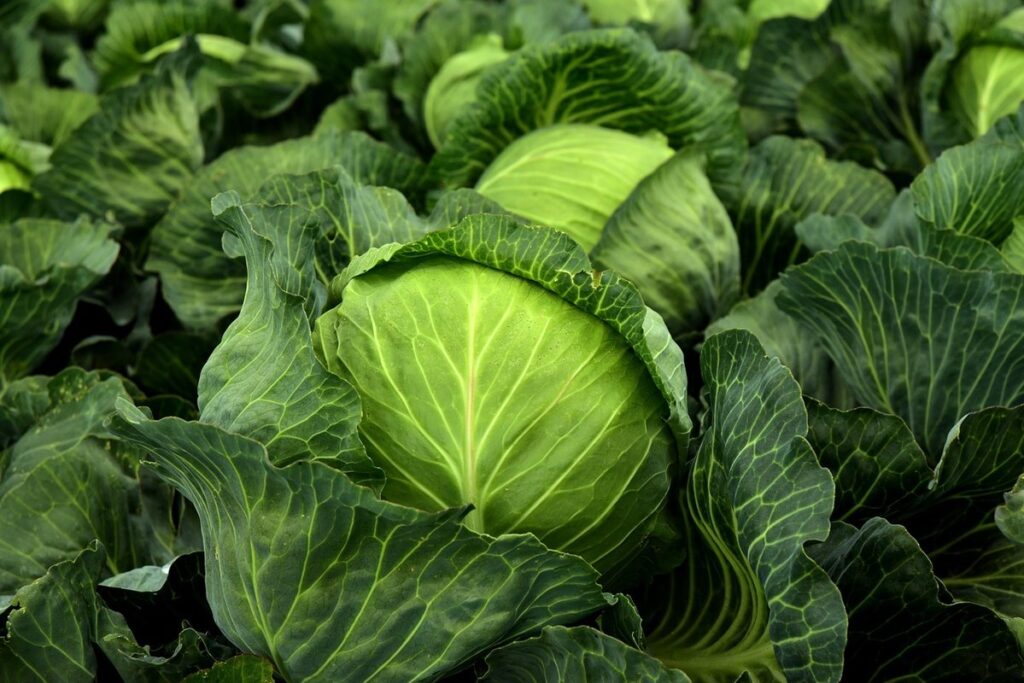
The Benefits of Eating Winter Vegetables
As we dive into the wonderful world of winter vegetables, let’s explore some of the incredible advantages of incorporating these seasonal gems into your diet on a regular basis. From boosting immunity to fighting inflammation, you’ll love what they have to offer!
Nutritional Value of Winter Vegetables
Winter vegetables are often overlooked for their nutritional value, but they’re actually packed with vitamins, minerals, and antioxidants that can have a significant impact on our overall health. Let’s take a closer look at what makes them so nutritious.
For instance, leafy greens like kale and spinach are rich in vitamin K, which is essential for blood clotting and bone health. They also contain high levels of folate, which helps prevent birth defects and supports cell growth. Cruciferous vegetables like broccoli and cauliflower are loaded with vitamins C and K, as well as fiber, which can help lower cholesterol levels and regulate digestion.
Carrots, on the other hand, are a rich source of vitamin A, an antioxidant that protects our eyesight, skin, and mucous membranes from damage. Beets are another winter vegetable powerhouse, providing us with nitrates, which have been shown to improve blood flow and reduce blood pressure.
Eating a variety of winter vegetables can help you meet your daily nutritional needs. Try incorporating more leafy greens into your salads, soups, and stews, or roast carrots and beets as a side dish. By doing so, you’ll not only add flavor to your meals but also reap the rewards of their exceptional nutrient density.
Seasonal Eating and Sustainability
Eating seasonally is not only a great way to ensure you’re getting the freshest produce possible, but it’s also an environmentally friendly choice. When we opt for out-of-season fruits and vegetables, they often have to be transported long distances, resulting in a significant carbon footprint. In contrast, choosing winter vegetables means supporting local farmers who are already producing what’s needed during this time of year.
By eating seasonally, you’re not only reducing your carbon footprint but also contributing to the preservation of local ecosystems. Consider the humble Brussels sprout – typically grown in cooler climates and harvested from November to February. By opting for these winter veggies, you’re supporting the livelihoods of local farmers who tend to their fields year-round.
To incorporate seasonal eating into your routine, start by checking out your local farmer’s market or community-supported agriculture (CSA) program. Many cities also offer online platforms that connect consumers with local growers. With a little planning and creativity, you can enjoy delicious winter vegetables while doing your part for the environment – and supporting the local economy in the process.
Top Winter Vegetables for Your Diet
When it comes to incorporating seasonal ingredients into your cooking, winter brings a plethora of nutritious and flavorful vegetables to explore. Let’s dive into our top picks for this time of year.
Root Vegetables: Hearty and Nutritious
Root vegetables like carrots, beets, and parsnips are winter staples that offer a delicious combination of natural sweetness and impressive nutritional profiles. These hardy vegetables can withstand the cold weather conditions, making them perfect for harvesting during this season.
When selecting root vegetables, look for those with firm skin and no signs of soft spots or wrinkles. For carrots, choose ones with bright colors and straight roots, while beets should have a glossy appearance without any visible cracks. Parsnips should have a smooth, creamy texture and a sweet aroma.
To bring out their natural sweetness, try roasting or grilling these vegetables instead of boiling them. This will help caramelize the sugars on the surface, resulting in a more complex flavor profile. For example, roasted carrots can be seasoned with herbs like thyme and rosemary for added depth, while grilled beets make a great accompaniment to any salad.
Brassicas: The Powerhouses of Winter
When it comes to winter vegetables, brassicas are some of the most nutritious and versatile options. Broccoli, cauliflower, and kale are just a few examples of this powerhouse group, packed with vitamins, minerals, and antioxidants that can supercharge your diet. One of the standout benefits of brassicas is their high content of vitamin C, which can help boost the immune system and fight off colds and flu.
In terms of culinary uses, brassicas offer endless possibilities. For example, broccoli florets can be sautéed with garlic as a side dish or added to soups and stews for an extra nutritional kick. Cauliflower, on the other hand, can be used as a low-carb substitute in place of traditional pizza crusts or bread crumbs. Kale is perfect for smoothies or salads, adding a burst of fresh flavor and nutrition.
To incorporate more brassicas into your diet, try experimenting with new recipes like roasted broccoli with lemon and chili flakes or cauliflower “steaks” grilled to perfection. With their unique flavors and textures, it’s easy to get creative and make the most of these winter powerhouses. Whether you’re a seasoned chef or a beginner in the kitchen, brassicas are sure to become a staple in your cooking repertoire.
Cooking Methods for Winter Vegetables
When working with winter vegetables, knowing how to cook them effectively can make all the difference in bringing out their unique flavors and textures. Let’s explore various cooking methods to get the most from your seasonal produce.
Roasting: Bringing Out Natural Flavors
Roasting is one of the most effective ways to bring out the natural sweetness and depth of winter vegetables. By cooking them slowly at a high temperature, you can caramelize their natural sugars and enhance their texture. To achieve this, it’s essential to choose the right temperature control. A general rule of thumb is to roast at 425°F (220°C) for most vegetables, but some like Brussels sprouts or cauliflower may require a slightly lower temperature.
When seasoning your roasted winter vegetables, keep in mind that less can be more. A light drizzle of olive oil and a sprinkle of salt are often enough to bring out the natural flavors. However, you can also experiment with herbs and spices like thyme, rosemary, or garlic powder to add depth and complexity. Pairing roasted vegetables with other ingredients can elevate their flavor even further. For example, try combining roasted root vegetables with a dollop of creamy yogurt or a drizzle of balsamic glaze for added richness.
Some popular combinations include roasting carrots and parsnips together, which creates a sweet and earthy harmony. Beets and Brussels sprouts also make a great pair, as the earthy sweetness of beets balances out the bitterness of the sprouts. Experiment with different pairings to find your favorite flavor combinations.
Soups and Stews: Comforting Winter Favorites
As winter sets in, there’s nothing quite like curling up with a warm bowl of soup or stew to nourish both body and soul. And the best part? You can use an array of delicious winter vegetables to create these comforting meals.
Let’s start with some classic combinations that are sure to become new favorites. For instance, try pairing roasted butternut squash with apples and onions for a sweet and savory soup. Or combine rich and earthy mushrooms with diced carrots and celery for a hearty stew. Don’t be afraid to get creative and experiment with different spices and herbs – like cumin, paprika, or thyme – to add depth and warmth.
When it comes to recipe ideas, here are some essentials to keep in mind:
• Use vegetable broth as the base for soups and stews to add extra moisture and nutrients.
• Roast your winter vegetables before adding them to the pot for a deeper flavor profile.
• Experiment with different spice blends, such as curry or chili powder, to give your dishes an international flair.
• Make a big batch of soup or stew on the weekend and freeze it for future meals – it’s a great way to save time during the week.
By incorporating these tips into your cooking routine, you’ll be enjoying delicious and nutritious soups and stews all winter long.
Using Winter Vegetables in Seasonal Recipes
As we delve into the world of winter vegetables, let’s explore how to harness their unique flavors and textures in delicious seasonal recipes. We’ll share our top tips for using parsnips, Brussels sprouts, and more in your cooking.
Holiday Menus: Incorporating Winter Vegetables
As the winter months approach, holiday menus begin to take center stage. Why not make the most of the season’s best ingredients? Winter vegetables offer a wide range of flavors and textures perfect for festive meals.
For Thanksgiving, consider substituting traditional roasted Brussels sprouts with Roasted Parsnip and Carrot Mash. Simply peel and chop 2-3 parsnips and 4-5 carrots, toss with olive oil, salt, and pepper, and roast at 425°F (220°C) until tender. Blend the mixture into a creamy mash and serve alongside the turkey.
For Christmas dinner, try incorporating butternut squash into your menu. Roasted Butternut Squash and Sage Stuffing is an easy way to add depth of flavor and moisture to your traditional bread stuffing. Simply sauté chopped onion and sage in butter until fragrant, then mix with roasted butternut squash, breadcrumbs, and chicken broth.
When planning holiday menus, consider the following tips:
* Use a variety of winter vegetables to add visual appeal and texture to your dishes.
* Roasting brings out the natural sweetness in winter vegetables; try pairing with herbs like sage or thyme for added depth.
* Don’t be afraid to experiment with new recipes and ingredients – winter vegetables offer endless possibilities.
International Inspiration: Winter Vegetable Dishes
As we explore international inspiration for winter vegetable dishes, let’s venture to Japan where root vegetables like daikon and burdock are staples of the traditional winter dish, Oden. This hearty soup is often served at outdoor festivals and markets during the coldest months. To recreate this comforting meal at home, simply combine sliced winter vegetables with a dashi broth (a Japanese cooking stock made from seaweed and dried fish) and serve over steaming hot rice.
In Eastern Europe, Poland’s Pierogi Ruskie showcases sautéed winter cabbage, onions, and mushrooms in a harmonious blend of flavors. To adapt this recipe for your home kitchen, use frozen pierogi dough and fill with a mixture of caramelized onions, mushrooms, and shredded cabbage. This filling can also be used as a topping for rye bread or as a side dish on its own.
In Scandinavia, the Swedish tradition of pickling winter vegetables like red cabbage and carrots is both practical and delicious. Try adding these pickled vegetables to your next meatball or stew recipe for an added depth of flavor. To make your own pickles, simply combine sliced winter vegetables with vinegar, sugar, salt, and spices in a jar and let it sit in the refrigerator for at least 24 hours.
Preserving Winter Vegetables for Year-Round Enjoyment
Now that you’ve harvested your winter vegetables, let’s explore the best methods to preserve them so they can be enjoyed throughout the year. We’ll dive into the techniques of freezing, dehydrating, and storing for optimal flavor and nutrition.
Freezing and Canning Techniques
Preserving winter vegetables is an art that allows you to enjoy their rich flavors and nutrients throughout the year. There are several techniques to do so: freezing, canning, and dehydrating. Each method has its own set of equipment requirements and safety precautions.
For freezing, a good quality freezer-safe container or bag will ensure your vegetables stay fresh for up to 8-12 months. Before storing, make sure the containers are properly sealed to prevent freezer burn. Blanching or steaming is essential before freezing to inactivate enzymes that cause spoilage. For example, blanch broccoli florets for 2-3 minutes to preserve their vibrant green color.
Canning, on the other hand, requires a pressure canner and specialized jars to ensure safe preservation. Research local guidelines for altitude adjustments, as pressure levels may vary depending on your location. The acidity level of vegetables determines if they require a water bath or pressure canning – most winter vegetables require pressure canning due to their low acidity.
Dehydrating is another method that uses a food dehydrator to remove moisture from the vegetables. This technique preserves color and nutrients while making them lightweight for travel or storage. Always follow manufacturer instructions for temperature and time settings, and store your dried vegetables in airtight containers to maintain flavor and crunch.
Fermenting: The Art of Winter Vegetable Preservation
Fermenting winter vegetables is an ancient art that not only preserves their nutrients and flavor but also creates a delicious and healthy addition to meals. Sauerkraut, kimchi, and pickles are just a few examples of fermented foods made with winter vegetables. These dishes are rich in probiotics, vitamins, and minerals, making them an excellent way to support gut health and boost the immune system.
To make sauerkraut, for instance, you’ll need cabbage, salt, and water. Simply shred the cabbage, massage it with salt to release its juices, and pack it into a jar. The fermentation process will take anywhere from 3-6 weeks, depending on the temperature and desired level of sourness. Kimchi is made in a similar way but often includes additional ingredients like garlic, ginger, and chili peppers for added flavor.
When fermenting winter vegetables, keep in mind that the key to success lies in providing the right conditions for the natural bacteria to thrive. This means maintaining a cool temperature, using the right ratio of salt to vegetables, and allowing the fermentation process to unfold naturally. With patience and practice, you’ll be enjoying delicious and nutritious fermented foods made with winter vegetables all year round.
Conclusion
Now that you’ve learned how to select, store, and prepare winter vegetables, let’s recap what we’ve covered so far. This final section will summarize the key takeaways from our comprehensive guide.
Recap of Winter Vegetable Benefits
Incorporating winter vegetables into your diet is a simple yet powerful way to boost nutrition and flavor. By now, you’ve learned about the unique characteristics of each season’s produce, from root veggies like carrots and beets to leafy greens like kale and spinach.
You know that winter vegetables are rich in vitamins A, C, and K, as well as minerals like potassium and iron. These nutrients support immune function, eye health, and even bone density. You’ve also discovered the importance of antioxidants, which help protect against chronic diseases like heart disease and certain cancers.
As a recap, here are some key takeaways to keep in mind: Winter vegetables are packed with essential vitamins and minerals, making them an excellent choice for maintaining overall well-being. They’re also incredibly versatile, adding depth and flavor to soups, stews, salads, and roasted dishes alike. So, be sure to incorporate a variety of winter veggies into your diet this season – your body (and taste buds) will thank you!
Final Tips for Inclusive Cooking
As you continue to explore the world of winter vegetables, remember that cooking with these seasonal delights is not just about following a recipe – it’s also about adapting and experimenting to make them your own. One of the most effective ways to do this is through meal planning.
Plan your meals around what’s in season, and don’t be afraid to get creative when ingredients become scarce. For instance, if you’re craving a hearty stew but can’t find your favorite root vegetable, swap it out for something like parsnips or turnips – the results will still be delicious!
Another essential tip is to experiment with ingredient substitution. If a recipe calls for expensive or hard-to-find ingredients, substitute them with more accessible alternatives. For example, if a recipe requires truffle oil but you can’t afford it, try using infused olive oil instead.
Finally, remember that cooking is all about experimentation and personalization. Don’t be afraid to adapt recipes to suit your taste buds – whether it’s adding an extra pinch of salt or swapping out herbs for something more aromatic. With a little creativity and flexibility, the possibilities are endless when it comes to cooking with winter vegetables.
Frequently Asked Questions
What’s the best way to store winter vegetables to maintain their nutritional value?
Proper storage is crucial for preserving the nutritional benefits of winter vegetables. Store root vegetables like carrots, beets, and parsnips in a cool, dark place with good ventilation. Leafy greens and crucifers like kale and broccoli can be stored in sealed containers or plastic bags in the refrigerator to maintain their crisp texture. Keep them away from direct sunlight and heat sources.
How do I incorporate winter vegetables into my meal planning and grocery shopping?
Incorporating winter vegetables into your meal plan is easy! Start by planning meals around seasonal produce. Check local farmers’ markets, grocery stores, or online directories for available winter vegetables in your area. Make a list of recipes that feature these ingredients and adjust your menu accordingly. You can also consider meal prepping or batch cooking to make the most of your winter vegetable harvest.
Can I use frozen or canned winter vegetables as a substitute in recipes?
Yes! Frozen and canned winter vegetables are just as nutritious and delicious as fresh ones, especially during peak season when availability is limited. When using frozen options, choose those without added salt or preservatives for maximum health benefits. For canned goods, rinse them under cold water to remove excess sodium before adding to your recipe.
How can I incorporate winter vegetables into my favorite comfort foods?
Winter vegetables can elevate even the most comforting dishes! Try adding roasted root vegetables like carrots and parsnips to mashed potatoes or sweet potato soup. Sauté kale or spinach with garlic and lemon for a nutritious twist on classic pasta sauces. Experiment with different seasonings, spices, and herbs to create new flavor combinations that celebrate winter’s bounty.
What are some tips for cooking winter vegetables without losing their nutrients?
To retain the nutritional value of winter vegetables, avoid overcooking! Use gentle heat, especially when roasting or sautéing, to preserve delicate vitamins and minerals. Steam or blanch harder root vegetables like broccoli and cauliflower before cooking to minimize nutrient loss. Also, cook in shorter intervals with minimal water to prevent leaching of essential nutrients into the cooking liquid.