
Hostas are one of the most popular and versatile shade-loving perennials, but they can be finicky to grow if not given proper care. If you’re struggling to keep your hostas healthy and thriving in a shaded area, don’t worry – we’ve got you covered! With so many variables affecting their growth, it’s no wonder that even experienced gardeners can make mistakes when it comes to caring for these lovely plants.
In this comprehensive guide, we’ll walk you through the essential steps for growing healthy hostas in shady areas. We’ll cover topics such as soil preparation, watering, fertilizing, pruning, and pest control – everything you need to know to keep your hostas looking their best. Whether you’re a seasoned gardener or just starting out, our expert tips will help you cultivate stunning, disease-free hostas that add beauty and texture to even the shadiest of spaces.
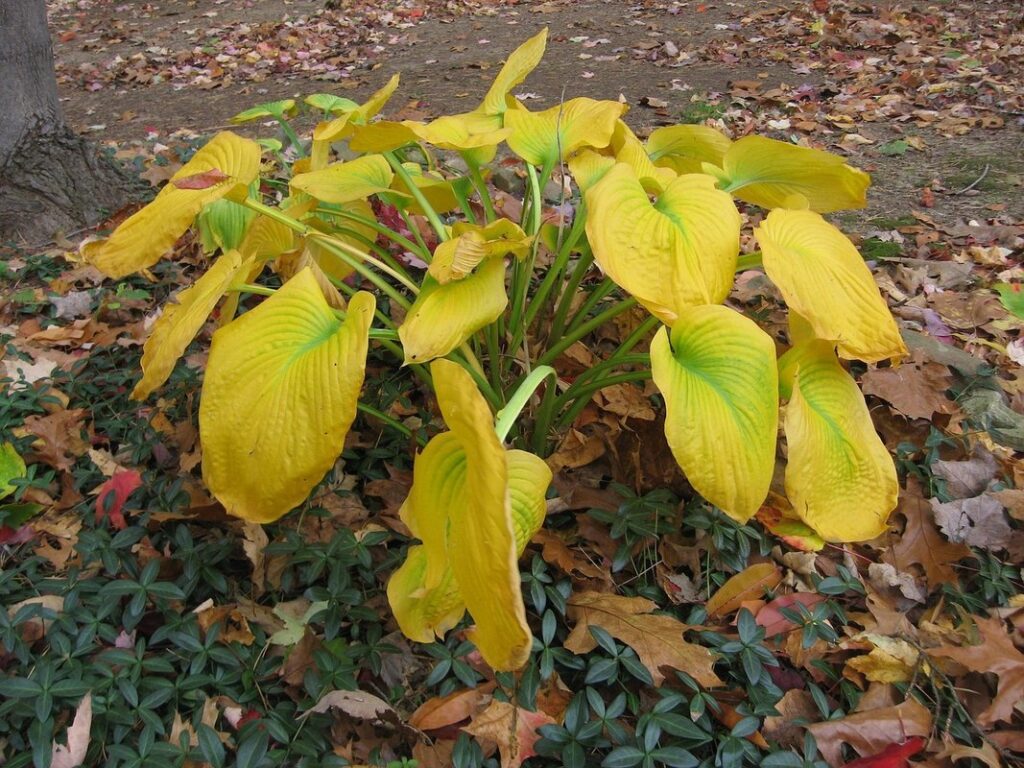
Understanding Hostas and Their Needs
To care for hostas in shade, it’s essential to understand their specific needs, including light requirements, watering habits, and soil preferences. Let’s dive into these crucial details.
Choosing the Right Hosta Variety
When selecting hostas for shade conditions, it’s essential to choose varieties that will thrive in low-light environments. Start by considering plant size: compact and dwarf hostas (less than 12 inches tall) are ideal for small gardens or containers in deep shade. For larger areas, medium-sized hostas (12-36 inches tall) can provide a stunning display of foliage.
Next, think about leaf color and texture. Some hosta varieties have beautiful blue-green leaves with intricate patterns, while others boast vibrant yellow or white stripes. If you prefer a more subtle look, choose hostas with green or variegated leaves. Consider the plant’s natural growth habit: some hostas spread rapidly via underground rhizomes, making them perfect for filling in large areas.
When selecting a specific variety, check its recommended growing conditions to ensure it can tolerate shade. Some popular shade-tolerant hosta varieties include ‘Blue Mouse Ears’, ‘Patriot’, and ‘Sum and Substance’. By choosing the right plant size, leaf color, and texture, you’ll be well on your way to creating a stunning hosta display in even the shadiest of spots.
Factors to Consider When Planting Hostas in Shade
When planting hostas in shady areas, it’s essential to consider several key factors to ensure their success. First and foremost, think about the soil type. Hostas prefer well-draining soil that is rich in organic matter. If you’re planting in an area with heavy clay or sandy soils, amend the soil with compost or perlite to improve drainage.
Moisture levels are also crucial when planting hostas in shade. These plants thrive in moist environments but can be susceptible to root rot if the soil becomes too waterlogged. Aim for about 1-2 inches of water per week, either from rainfall or irrigation. Keep an eye on your hostas’ leaves; if they’re looking wilted or pale, it may be a sign that the soil needs more moisture.
Finally, consider the amount of sunlight exposure your hostas will receive. While hostas can tolerate full shade, they’ll perform best in areas with some dappled sunlight. East- or west-facing locations are ideal, as they provide gentle, indirect light throughout the day. Avoid planting hostas in deep shade, as this can lead to weak and leggy growth.
Preparing the Soil for Your Hosta
Before you can start enjoying your hostas’ beautiful blooms, it’s essential to prepare their soil properly. This means giving them a nutrient-rich environment that’ll help them thrive in shade conditions.
Understanding Hosta Soil Requirements
When it comes to providing optimal growing conditions for your hostas, soil quality plays a crucial role. Hostas prefer well-draining soil that is rich in organic matter but can tolerate a wide range of pH levels, typically between 5.5 and 6.5. However, they tend to perform best in slightly acidic to neutral soils.
In terms of nutrient content, hostas require moderate amounts of nitrogen, phosphorus, and potassium. But excessive fertilization can lead to weak growth and fewer blooms. A balanced fertilizer applied in the spring or summer will suffice. Aim for a slow-release fertilizer that releases nutrients gradually, reducing the risk of over-fertilization.
Proper drainage is also essential, as hostas are susceptible to root rot if the soil is too wet. Ensure your planting bed has good water flow and consider incorporating compost or perlite to improve soil structure and prevent waterlogging. A well-draining potting mix can be just as beneficial for container-grown hostas.
By understanding and meeting these basic soil requirements, you’ll create a favorable environment that allows your hostas to thrive in shade conditions.
How to Improve Shade Garden Soil for Hostas
To create an ideal environment for your hostas, improving shade garden soil is crucial. Hostas thrive in well-draining, rich soils that retain moisture but don’t become waterlogged. To achieve this, focus on adding organic matter to the soil.
Compost, leaf mold, or well-rotted manure are excellent additions, as they enrich the soil with nutrients and improve its structure. Mix 2-3 inches of compost into the top 6-8 inches of soil, taking care not to compact it, which can hinder root growth. You can also create your own compost by collecting kitchen scraps, grass clippings, and leaves.
Additionally, consider adjusting the pH levels in your shade garden soil if necessary. Hostas prefer slightly acidic to neutral soils with a pH between 6.0-7.0. If your soil is too alkaline, adding elemental sulfur or peat moss can help lower the pH. Conversely, if it’s too acidic, add lime to raise the pH.
Monitor your hosta’s growth and adjust accordingly. Keep in mind that improving shade garden soil is an ongoing process, requiring regular additions of organic matter and adjustments as needed to ensure optimal conditions for your plants.
Watering Your Hosta in Shade
When it comes to watering your hosta plants, knowing just how much moisture they need can be tricky, especially in shady areas. We’ll explore the best practices for hydrating your shade-loving hostas.
The Importance of Proper Watering
Proper watering is crucial for hostas growing in shady areas, as it can make all the difference between thriving plants and lackluster growth. Overwatering is a common mistake that can lead to root rot, a condition where the roots of the plant begin to decay due to excessive moisture. This not only harms the plant but also creates an ideal environment for diseases like powdery mildew to thrive.
On the other hand, underwatering can cause hostas to become stressed, leading to weak growth and poor foliage color. During hot summer months, hostas in shady areas may require more frequent watering to compensate for reduced sunlight. A good rule of thumb is to water your hostas when the top 2-3 inches of soil feel dry to the touch.
Check the weather forecast before watering to avoid overwatering during periods of rainfall. Water your hostas at the base, avoiding the leaves to prevent fungal diseases. By striking the right balance between watering and allowing the soil to dry slightly between waterings, you’ll be able to keep your hostas happy and healthy in shade.
Tips for Watering Hostas in Low-Light Conditions
When it comes to watering hostas in low-light conditions, it’s essential to strike the right balance. Overwatering can lead to root rot and other problems, while underwatering may cause stress to the plant. To avoid these issues, water your hosta every 4-5 days during hot summer months when the soil feels dry to the touch.
In low-light areas, such as north-facing or heavily shaded spots, it’s crucial to monitor the moisture levels more closely. Check the soil by inserting a finger into the top 2-3 inches of the soil. If it feels dry, it’s time for watering. Water your hosta slowly and thoroughly until water runs out of the drainage holes.
It’s also essential to adjust your watering schedule according to the season. During periods of heavy rainfall or cooler weather, you may need to reduce watering frequency. Keep in mind that hostas in low-light conditions require more frequent watering than those in brighter areas. With a little attention and patience, you can keep your hosta thriving even in challenging lighting conditions.
Remember, it’s always better to err on the side of caution and underwater slightly than overwater and risk damaging your plant.
Fertilizing Your Shade Hosta
When it comes to fertilizing your shade hostas, the right nutrients at the right time are crucial for promoting healthy growth and vibrant foliage. Let’s dive into how to feed your plants correctly.
Understanding Hosta Nutrient Requirements
When it comes to fertilizing your shade hostas, understanding their specific nutrient requirements is crucial. Hostas are heavy feeders and require a balanced diet of nitrogen (N), phosphorus (P), and potassium (K) to thrive.
Nitrogen is essential for healthy foliage growth, with 15-20% of the total fertilizer content being nitrogen-rich. Phosphorus, on the other hand, promotes root development and flowering, making up around 10-15% of the fertilizer mix. Potassium helps with overall plant health and disease resistance, contributing about 5-10% to the fertilizer blend.
A general rule of thumb is to use a fertilizer that contains 5-5-5 or 10-10-10 N-P-K ratio, meaning equal parts nitrogen, phosphorus, and potassium. However, shade hostas tend to prefer slightly higher phosphorus levels, so a 15-30-15 N-P-K ratio might be more suitable.
Remember, it’s always better to err on the side of caution when fertilizing your hostas. Over-fertilization can lead to burnt leaves and other issues, while under-fertilization may hinder growth. Test your soil regularly to determine its pH level and nutrient content, adjusting your fertilizer accordingly.
Choosing the Right Fertilizer for Your Shade Hosta
When it comes to choosing the right fertilizer for your shade hosta, there are several options to consider. As a general rule of thumb, look for a balanced fertilizer that is rich in nitrogen, phosphorus, and potassium (NPK). This will promote healthy growth, flowering, and foliage.
Organic fertilizers are a popular choice for gardeners who prefer a more natural approach. Options like fish emulsion, bone meal, and compost tea are excellent choices for shade hostas. These products release nutrients slowly, reducing the risk of burning your plants’ roots.
Synthetic fertilizers, on the other hand, provide a quick boost of energy to your hosta. Look for water-soluble formulas that contain micronutrients like iron, magnesium, and sulfur. Examples include Miracle-Gro and Scotts Osmocote. Be cautious not to over-fertilize, as this can cause more harm than good.
Some examples of fertilizer mixes specifically designed for shade plants are 10-20-10 NPK or 5-10-10 NPK. These ratios promote healthy growth without encouraging excessive foliage production. When applying fertilizer, be sure to follow the manufacturer’s instructions and take into account your hosta’s specific needs.
Pruning and Dividing Your Shade Hosta
Now that you’ve learned how to plant and establish your shade hostas, let’s talk about two essential tasks for maintaining their health: pruning and dividing.
Why Regular Pruning is Necessary
Regular pruning is essential for maintaining healthy and attractive hostas in shady areas. When left unpruned, hosta foliage can become leggy and sparse, making the plant more susceptible to disease and pests. Regular pruning helps control the plant’s growth, promoting bushy and compact shapes that add visual interest to your shade garden.
By pruning dead or dying leaves, you remove potential entry points for diseases such as slugs, snails, and fungal infections, which thrive in shady conditions. Pruning also encourages new growth, helping hostas produce vibrant, colorful blooms. Moreover, regular pruning keeps the plant’s center open, allowing air to circulate and reducing moisture accumulation that fosters disease development.
To prune your hosta regularly, remove any dead or damaged leaves as you notice them. Cut back spent flower stalks after blooming has finished, and trim back leggy stems to maintain a balanced shape. By incorporating pruning into your regular hosta care routine, you’ll enjoy a more resilient and attractive shade garden feature all season long.
Tips for Pruning and Dividing Hostas in Shade
When it’s time to prune and divide your hostas in shade, timing is crucial. The best time for pruning is in late summer or early fall, after the blooming period has ended. This allows you to remove dead or damaged leaves without stressing the plant. As for dividing, spring and fall are ideal times when hostas are actively growing.
To prune your hostas, use a pair of sharp, clean garden shears or loppers to cut off any dead or dying foliage. Cut just above a node, as this will help encourage new growth from that spot. Remove any flower stalks after blooming has finished, as these can weaken the plant if left intact.
When dividing your hostas, dig up the entire clump and gently separate the roots with a garden fork. Replant the divided sections immediately, making sure to water them thoroughly. To minimize damage, divide in small increments, working from the outside inwards. This will help prevent the center of the plant from becoming exposed and vulnerable to disease.
By pruning and dividing your hostas at the right time and using these techniques, you can keep your plants healthy and thriving in their shade garden.
Common Pests and Diseases Affecting Shade Hostas
While your beautiful shade hosta garden is thriving, be aware of potential pests and diseases that can cause problems. We’ll cover the most common culprits to watch out for.
Identifying Common Pests and Diseases
Shade hostas are susceptible to various pests and diseases that can harm their appearance and health. One of the most common issues is slugs and snails, which feed on leaves and flowers at night. These slimy creatures thrive in moist environments, making them a problem in shaded areas with poor drainage. To control their population, use copper tape or crushed eggshells around planters to deter them.
Fungal infections are another concern for shade hostas. Leaf spots and stem rot are caused by fungi that thrive in humid conditions. Inspect your plants regularly and remove any infected leaves to prevent the spread of disease. Treat fungal infections with a fungicide specifically designed for ornamentals, following the manufacturer’s instructions.
Other pests, like aphids, spider mites, and caterpillars, can also affect shade hostas. These infestations can be managed using insecticidal soap or neem oil, applied according to the product label. To prevent pest problems, maintain good air circulation around plants and keep them watered properly to avoid overhydration.
Prevention and Treatment Methods
To keep your shade hostas healthy and thriving, it’s essential to be aware of common pests and diseases that can affect them. Prevention is key, but if you do encounter issues, there are effective treatment methods available.
Some common pests that target hostas in shaded areas include slugs, snails, aphids, and spider mites. To prevent these pests from taking hold, apply a barrier around the plant using crushed eggshells or copper tape. For organic options, introduce beneficial nematodes to control grubs and other pests. If you prefer synthetic solutions, use insecticidal soap or neem oil to directly target the pest.
When it comes to diseases, root rot is a common issue in shade hostas due to overwatering. To prevent this, ensure good air circulation and avoid waterlogging. Regularly inspect your plants for signs of disease like yellowing leaves, black spots, or powdery mildew. For fungal infections, use fungicides containing active ingredients like chlorothalonil. Bacterial leaf spot can be treated with copper-based products.
Preventative measures are more effective than treatment methods when dealing with pests and diseases in shade hostas. Keep your plants healthy by maintaining a balanced fertilization schedule, pruning dead leaves, and providing adequate sunlight.
Frequently Asked Questions
Can I grow hostas in containers if they’re not directly planted in the ground?
Yes, you can grow hostas in containers as long as they have good drainage holes to prevent waterlogged soil. Use a high-quality potting mix specifically designed for shade plants and a container that’s at least 6-8 inches deep. This will allow the hosta roots to spread out comfortably.
What happens if I forget to water my hostas during an extremely dry spell?
No worries – hostas are relatively drought-tolerant, but they’ll appreciate a good soaking when the weather breaks. Water them deeply and thoroughly once it rains, and they should recover quickly. Just be sure not to overwater in subsequent weeks.
How do I know if my hosta is receiving too much shade or not enough?
Check for signs of stress like yellowing leaves or stunted growth. If you’re concerned about the amount of sunlight your hostas are getting, consider planting them near a north-facing wall or under a canopy that allows filtered light to pass through.
Can I use regular garden fertilizer on my hosta, or do I need a special shade fertilizer?
While regular fertilizers can work in small doses, it’s generally recommended to opt for a balanced, water-soluble fertilizer specifically designed for shade plants. This will provide the essential nutrients your hostas need without burning their roots.
What are some common pests that target hostas and how do I prevent them?
Common culprits include slugs, snails, and aphids. To deter these pests, try introducing beneficial insects like ladybugs or lacewings to your garden, use physical barriers (e.g., copper tape), or spray with a gentle insecticidal soap.