
Are you tired of struggling with pests, soil depletion, and unpredictable harvests in your garden? Radishes are often overlooked as a valuable crop for improving soil health and repelling unwanted pests. But did you know that radish companion planting can be a game-changer for your entire garden ecosystem? By strategically pairing radishes with other crops, you can create a resilient and thriving garden environment. In this article, we’ll explore the benefits of radish companion plants, including their ability to improve soil health, control pests naturally, and even enhance flavor and texture in your harvests. Whether you’re a seasoned gardener or just starting out, these tips and tricks will help you grow better crops with confidence, thanks to the power of radish companion planting.
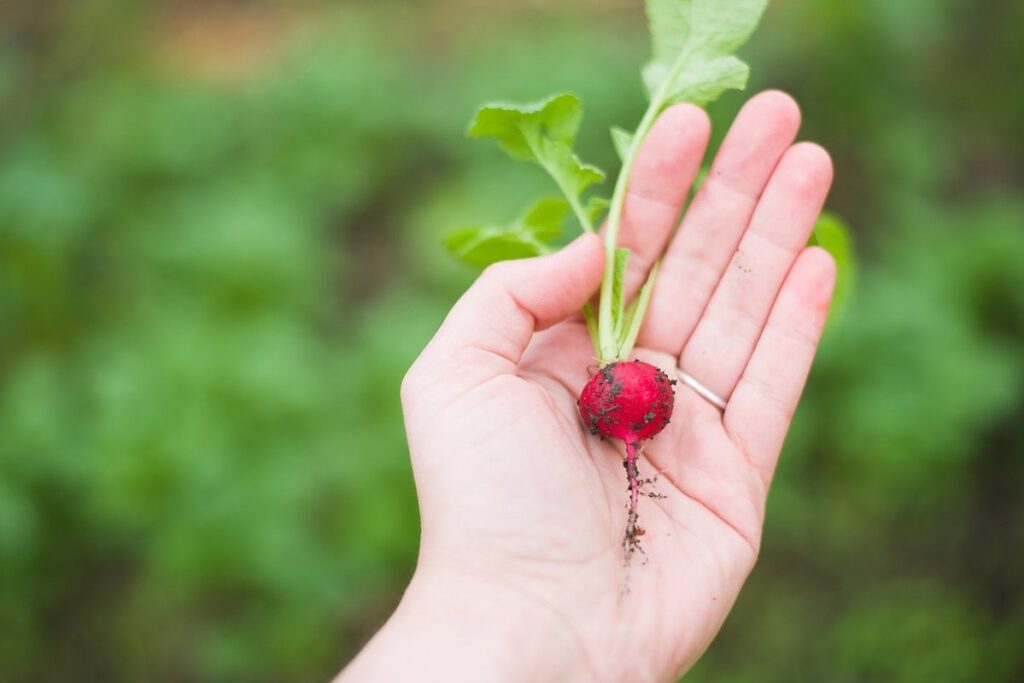
Benefits of Companion Planting with Radishes
Radishes make incredible companion plants, and pairing them with the right crops can bring numerous benefits to your garden. Let’s explore the advantages of growing radish companions alongside your favorite veggies.
Improving Soil Health
When radishes are planted as companion crops, they have a profound impact on soil health. Their extensive root system breaks down compacted soil, allowing water and air to penetrate deeper into the earth. This process is especially beneficial for plants that struggle with poor drainage or are prone to root rot.
As radishes grow, their roots can stretch up to 2 feet deep, making them a natural soil aerator. By loosening the soil, radishes create an environment where other crops can thrive. For instance, carrots and beets often struggle in dense soil, but when paired with radishes, they experience improved growth rates and yields.
To maximize the benefits of radish companion planting on soil health, consider incorporating them into your crop rotation plan. Plant a row of radishes between two larger crops to create a “soil conditioning” effect. Allow the radishes to mature and then incorporate them into the soil as compost or mulch. This will further enrich the soil with their nutrient-rich foliage and root system.
Repelling Pests and Diseases
When planted alongside other vegetables, radishes can be an effective natural pest deterrent. One of their most notable benefits is repelling cucumber beetles, which can cause significant damage to crops like cucumbers and squash. Radish plants release a chemical compound that deters these pests from feeding on nearby plants.
Radishes also have the ability to combat nematodes, microscopic worms that can harm plant roots. By planting radishes around your garden beds, you can help prevent nematode infestations and promote healthy root growth in other plants. This makes them an excellent companion for crops like tomatoes, peppers, and eggplants.
In addition to repelling pests, radishes have been known to inhibit the development of powdery mildew, a common fungal disease that affects many vegetables. Planting radish intercropping around affected areas can help prevent the spread of this disease and promote healthier growth in your crops.
Choosing Companion Plants for Radishes
When selecting companion plants for radishes, consider pairings that enhance growth, deter pests, and improve flavor. Some surprising friends can even repel common radish enemies.
Cool-Season Crops
When it comes to growing cool-season crops alongside radishes, you’ll find that these combinations not only enhance each other’s flavors but also provide a natural pest control system. Lettuce and spinach are excellent choices for companion planting with radishes. These leafy greens repel pests like aphids and slugs that can damage your radish crop, allowing them to thrive.
In addition to lettuce and spinach, peas are another cool-season crop that grows well alongside radishes. The climbing habit of pea plants allows you to create a layered effect in your garden bed, while their nitrogen-fixing abilities benefit the radishes by enriching the soil with essential nutrients.
To make the most of these combinations, be sure to plant radishes around the base of lettuce and spinach plants. This will allow them to grow together without competing for space or resources. With peas, you can train them to climb a trellis or other support, keeping them separate from the radishes while still benefiting from their symbiotic relationship. By incorporating these cool-season crops into your garden, you’ll enjoy a more diverse and resilient harvest.
Warm-Season Crops
While radishes are often thought of as a cool-season crop, they can thrive alongside warm-season crops like tomatoes, peppers, and eggplants. In fact, these combinations can be mutually beneficial for both plants.
Pairing radishes with tomatoes is a classic example. Radish roots repel cucumber beetles, which also target tomato plants. This can lead to reduced damage from pests and fewer fungicides needed to control diseases. Moreover, the rapid growth of radishes allows them to quickly fill gaps between tomato seedlings, reducing soil erosion and retaining moisture.
When planting with peppers or eggplants, consider using radish varieties that mature within 20-25 days. These quicker-growing radishes won’t compete with the warm-season crops for resources like light, water, and nutrients. By planting a mix of fast-maturing and slower-maturing radish varieties, you can create a diverse and resilient crop ecosystem.
Incorporating radishes into your garden beds can add an extra layer of protection and support for your prized tomatoes, peppers, and eggplants.
Companion Planting Tips for Specific Radish Varieties
When it comes to growing specific radish varieties, knowing which plants to pair them with can make all the difference in their flavor, texture, and overall health. Let’s dive into some expert pairing tips for popular radishes!
Cherry Belle Radishes
When it comes to companion planting with Cherry Belle radishes, which are perfect for growing in containers, you’ll want to choose plants that complement their growth and flavor. One great option is basil – a classic pairing that will not only add fresh flavor to your salads but also help deter pests that target radishes like aphids and mites.
Another excellent choice is cilantro, which repels spider mites and other pests that can damage Cherry Belle’s delicate leaves. Plant them alongside each other in a container, and you’ll enjoy the benefits of both flavors together! For a more dramatic effect, plant marigolds nearby – their bright blooms will attract beneficial insects like ladybugs, while repelling nematodes that might harm your radish roots.
Cherry Belle radishes also benefit from being grown with comfrey. The comfrey’s deep taproots bring up nutrients from the subsoil, making them available to the radish plants above. Plus, the comfrey’s tall growth habit provides a natural shade for the cherry belle, reducing soil temperature fluctuations and minimizing moisture loss.
By planting these companion flowers around your Cherry Belle radishes, you’ll be creating a healthy ecosystem that encourages biodiversity and reduces pest pressure – all in one easy-to-grow container!
White Icicle Radishes
White Icicle radishes are another excellent choice for companion planting. Their mild flavor and crunchy texture make them a great addition to salads and other dishes. When growing White Icicle radishes with other plants, it’s essential to choose companions that won’t compete for water or nutrients.
Some good companion plants for White Icicle radishes include lettuce, spinach, and herbs like basil and cilantro. These plants have similar growing requirements and will help shade the soil, reducing moisture loss and preventing weed growth. Additionally, planting carrots alongside White Icile radishes can help deter carrot flies and other pests that target these vegetables.
To get the most out of your White Icicle radish crop, plant them in early spring or late summer for a fall harvest. Sow seeds 1-2 inches apart and 1/4 inch deep in well-draining soil with full sun to partial shade. Keep the soil consistently moist during the first few weeks after sowing. As they mature, thin the plants to about 2-3 inches apart to allow for proper air circulation and prevent overcrowding.
Companion Planting in Different Growing Conditions
Now that you’ve learned how radish companion plants can improve your crop yields, let’s explore how to apply this knowledge in different growing conditions.
Container Gardening
When growing radishes in containers, it’s essential to choose companion plants that will complement their needs. Since container gardens have limited soil volume, it’s crucial to select plants with similar requirements.
For a thriving radish crop, consider pairing them with basil, dill, or parsley. These herbs require minimal space and can tolerate the same growing conditions as radishes. Basil repels aphids, which can be detrimental to radish growth, while dill improves soil health by attracting beneficial insects. Parsley also benefits from being grown alongside radishes, as it repels carrot flies that might target nearby crops.
To maintain a healthy container garden, ensure your pot has good drainage and sufficient sunlight (at least 4-6 hours of direct sunlight). Use a high-quality potting mix specifically designed for containers, as it will retain moisture while preventing waterlogged soil. Keep the soil consistently moist but not waterlogged to prevent root rot.
By following these guidelines and selecting the right companion plants, you can enjoy a bountiful harvest of radishes in your container garden.
Permaculture and Polycultures
When it comes to permaculture and polycultures, radishes are an excellent choice for companion planting. These types of gardens involve growing multiple plants together to create a diverse and resilient ecosystem. By incorporating radishes into your permaculture or polyculture garden, you can reap several benefits.
Radishes repel pests that target other crops, such as cucumber beetles and squash bugs, which makes them an excellent addition to your melon or squash patch. They also improve soil health by breaking up compacted soil and bringing nutrients to the surface. Additionally, radishes act as a trap crop for pests like flea beetles, which prefer the taste of radish leaves over those of other crops.
To incorporate radishes into your permaculture or polyculture garden, simply sow them among your other plants at a density of about 10-12 seeds per square foot. As they grow, their roots will spread out and create pathways for beneficial insects to travel through the garden.
Common Challenges and Solutions
When growing radish companion plants, you may encounter some common obstacles that can impact their success, but don’t worry, we’ve got solutions to help you overcome them.
Overcrowding
When companion planting with radishes, overcrowding is a common pitfall that can hinder growth and reduce yields. To avoid this issue, it’s essential to understand the needs of your radish plants. Radishes are compact and fast-growing, but they still require sufficient space to spread out their roots and leaves.
When growing multiple varieties or companion plants together, plant them at the correct spacing to prevent overcrowding. For example, sow radish seeds 1-2 inches apart, depending on the variety, and about ¼ inch deep in well-draining soil. Leave enough space between each row for easy access and maintenance.
To maximize space without sacrificing growth, consider companion planting with taller or sprawling plants towards the north side of your bed. This will also help prevent shading and competition for resources. Some excellent radish companions that can thrive together include lettuce, herbs like basil or cilantro, and flowering plants like nasturtiums or calendula. By carefully planning your crop layout, you can create a harmonious and productive garden ecosystem where radishes and their companions flourish together.
Pests and Diseases
While radishes are known for their pest- and disease-resistant qualities, they’re not entirely immune to common issues that can affect companion-planted crops. One of the primary concerns when growing radish companion plants is root maggots, which can cause significant damage to the roots and make the radish more susceptible to other problems. To prevent this, make sure to rotate your radish beds every season, as these pests tend to accumulate in areas where radishes have been grown previously.
Another potential issue that may arise when growing companion-planted radishes is fungal diseases such as crown rot or clubroot. These conditions can be caused by poor soil drainage, overwatering, or a lack of proper aeration around the roots. To minimize the risk, ensure your radish beds receive sufficient air circulation and water carefully to avoid standing water.
Some beneficial insects like aphids, whiteflies, and spider mites might also find their way onto your radish plants. Encourage natural predators such as ladybugs or lacewings by incorporating nectar-rich flowers around the edges of your radish bed. This will help keep pest populations under control naturally, reducing the need for chemical interventions. Regularly inspect your radish plants and take swift action if you notice any signs of pests or diseases, ensuring a healthy harvest in the end.
Conclusion
In conclusion, incorporating radish companion plants into your garden can have a significant impact on the overall health and productivity of your crops. By understanding which plants complement radishes and creating harmonious pairings, you can reap numerous benefits such as reduced pest and disease issues, improved soil quality, and enhanced flavor profiles. Remember to also consider the specific growing conditions and space requirements for each companion plant when planning your garden layout. Don’t be afraid to experiment with different combinations to find what works best for your unique gardening needs and preferences. With a little creativity and knowledge, you can create a thriving and diverse garden ecosystem that yields healthier and more delicious crops.
Frequently Asked Questions
How do I choose the right companion plants for my radishes?
Choosing companion plants for radishes involves selecting crops that complement their growth habits, soil needs, and pest-repelling properties. Consider pairing radishes with cool-season crops like lettuce, spinach, or carrots, which benefit from radish’s natural pest control and soil aeration.
Can I grow radish companions in containers?
Yes, you can grow radish companions in containers, but keep in mind that container gardens often have limited root depth and may require more frequent watering. Choose compact radish varieties like ‘Cherry Belle’ or ‘White Icicle,’ which are well-suited for container growing.
How do I prevent overcrowding when planting radish companions?
Overcrowding can lead to reduced growth, increased pest pressure, and decreased yields. Plant radish companions at the correct spacing (about 1-2 inches apart) and consider using a companion planting layout that alternates between high-growing and low-growing plants.
Are there any specific challenges I should be aware of when growing radishes as companion crops?
Yes, some common challenges include root rot in waterlogged soil, bolting due to excessive heat or light, and pests like aphids and slugs. Monitor your plants regularly for these issues and adjust your care routine accordingly.
Can I use radish companions with permaculture and polycultures?
Radishes can be a valuable addition to permaculture and polyculture systems, where multiple crops are grown together in harmony. Pair radishes with other beneficial crops like beans, peas, or comfrey to create a resilient and diverse garden ecosystem.