
Starting pumpkin seeds indoors can be a daunting task for even the most experienced gardeners. However, with a little practice and know-how, you’ll be enjoying fresh homegrown pumpkins in no time. The key to success lies in selecting the right variety of pumpkin seed, preparing it properly, and providing optimal growing conditions.
In this comprehensive guide, we’ll walk you through every step of starting your pumpkin seeds successfully. We’ll cover everything from choosing a suitable variety for your climate and space constraints to setting up the perfect indoor growing environment. You’ll also learn how to transplant your seedlings with confidence, ensuring they thrive when moved outside. By following our expert tips, you’ll be well on your way to growing healthy, delicious pumpkins in your own backyard garden.
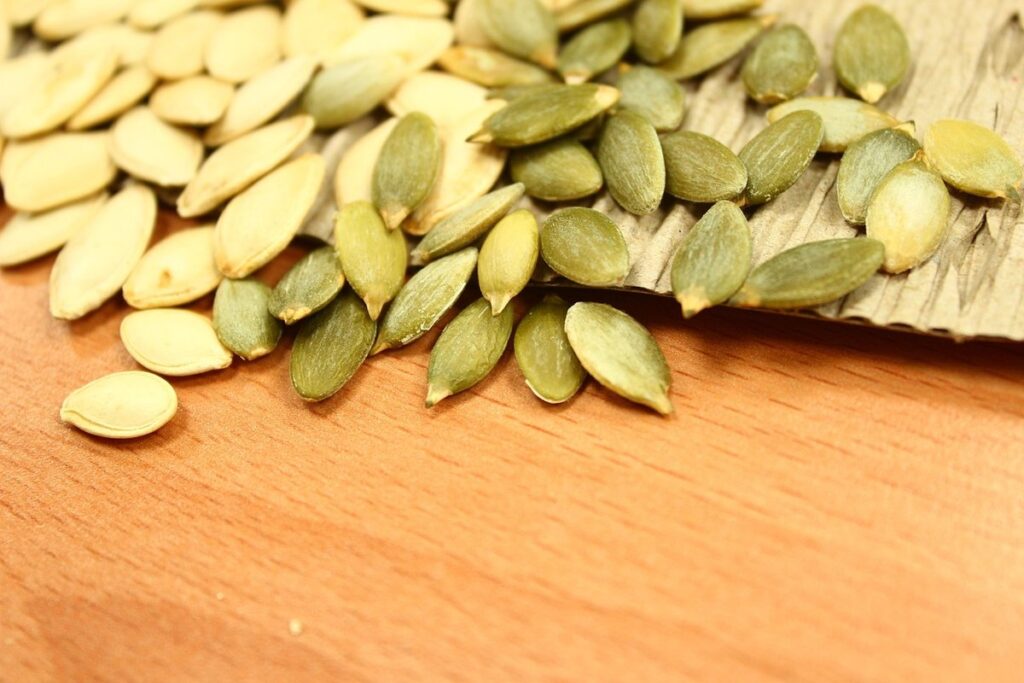
Choosing the Right Pumpkin Variety
When it comes time to start sowing your pumpkin seeds, selecting the right variety is crucial for a successful harvest. With hundreds of options available, we’ll break down the factors to consider when choosing a pumpkin variety that suits your needs.
Understanding Pumpkin Classification Systems
When selecting pumpkin varieties for your garden, it’s essential to consider not only their growing requirements but also their intended use. There are several types of pumpkins, each belonging to a specific species within the Cucurbita genus.
For example, Cucurbita maxima is commonly used for its large, symmetrical fruits that make ideal carving pumpkins. On the other hand, Cucurbita moschata is well-suited for cooking and baking due to its sweet, dense flesh. Other species like Cucurbita pepo are often chosen for their unique shapes and vibrant colors, making them perfect for decoration.
When choosing a pumpkin variety, consider your climate and desired use. If you live in an area with limited space or cooler temperatures, opt for compact varieties that mature quickly. For cooking and baking enthusiasts, look for heirloom or specialty varieties known for their flavor and texture. Regardless of the specific type, selecting a suitable variety will ensure success in growing healthy, delicious pumpkins from your started seeds.
Selecting Pumpkin Seeds from Reputable Sources
When it comes to selecting pumpkin seeds for starting, it’s essential to choose high-quality seeds from reputable sources. Purchasing seeds from trusted vendors such as seed catalogs, online marketplaces, and reputable nurseries ensures that you’re getting seeds that are disease-free, viable, and true-to-type.
Using saved seeds can be tempting due to the convenience factor, but it may lead to inconsistent results and potentially contaminated seeds. Seeds can degrade over time, reducing their viability and increasing the risk of fungal diseases. Moreover, saved seeds may not retain their original characteristics, resulting in variable growth patterns and reduced yields.
To avoid these risks, look for seed suppliers that provide detailed information about their seeds, including germination rates and disease resistance. Consider purchasing heirloom or open-pollinated varieties from reputable sources to ensure genetic diversity and better crop performance. By selecting high-quality seeds, you’ll set yourself up for success in growing healthy and productive pumpkin plants.
Preparing for Seed Starting
Before you dive into starting those pumpkin seeds, let’s get your growing space and materials ready to ensure a successful germination process. This is where preparation meets possibility!
Creating a Suitable Growing Environment
To create an ideal growing environment for starting pumpkin seeds indoors, you’ll want to focus on replicating the conditions they’d experience outdoors. Temperature is crucial – pumpkins prefer warmer temperatures between 70-85°F (21-29°C) during the day and above 55°F (13°C) at night. You can achieve this by placing seedlings near a sunny window or using a grow light.
Humidity also plays a significant role, with optimal levels ranging from 40-60%. To maintain these conditions, you can cover your growing area with a clear plastic bag or a cloche to trap moisture and warmth. Make sure the bag isn’t too tight, allowing for air circulation to prevent fungal diseases.
Lighting is another essential aspect of creating an ideal environment. If you’re using grow lights, position them 6-8 inches above seedlings, adjusting as needed to avoid burning the leaves. Aim for 14-16 hours of supplemental lighting per day, simulating outdoor conditions. By providing these optimal conditions, your pumpkin seeds will germinate and develop strong root systems, setting them up for a successful harvest.
Preparing Seeds for Planting
Preparing seeds for planting is a crucial step in ensuring optimal germination rates. Pumpkin seeds, like those from other cucurbit species, have a hard outer shell that can hinder germination if not properly prepared. Scarification is the process of lightly scratching or nicking the seed coat to help water penetrate and facilitate growth.
To scarify your pumpkin seeds, gently use a nail file or sandpaper to create small scratches on the surface of the seed. Be cautious not to damage the embryo inside, as this can prevent germination altogether. If you don’t have access to a nail file or sandpaper, you can also try soaking the seeds in a cup of water for 24 hours before planting.
Another important consideration is stratification, which involves exposing the seeds to cold temperatures to simulate winter conditions and trigger dormancy-breaking processes. You can achieve this by storing the seeds in the refrigerator for 7-10 days before planting. This step may not be necessary for all pumpkin varieties, but it’s a good practice to ensure consistent results.
By properly preparing your pumpkin seeds through scarification and potentially stratification, you’ll set yourself up for success when starting your seeds indoors or directly in the garden.
Sowing Pumpkin Seeds Indoors
If you’re eager to get a head start on growing pumpkins, sowing seeds indoors is an excellent way to jumpstart your harvest. Here’s how to do it successfully in just a few simple steps.
Seed Starting Mix and Containers
When it comes to sowing pumpkin seeds indoors, the right seed starting mix and containers can make all the difference in giving your seedlings a strong start. A well-draining seed starting mix is essential for healthy root growth and preventing waterlogged soil, which can lead to fungal diseases.
You’ll want to choose a mix that has a high peat moss or coconut coir content, as these ingredients help retain moisture while allowing excess water to drain quickly. Avoid mixes with too much vermiculite, as they can retain too much water and cause root rot. Look for mixes specifically labeled as “seed starting” or “potting” mix.
When selecting containers, opt for ones that are at least 1-2 inches deep to give your seedlings room to grow their taproots. Plastic or biodegradable cell packs are great options, but you can also use small pots or trays with drainage holes. Make sure the containers have drainage holes in the bottom to prevent water from accumulating and causing root rot. To prepare the containers, fill them about 2/3 full of seed starting mix, then gently firm it down to create a smooth surface for sowing your pumpkin seeds.
Sowing Seeds and Watering
When it’s time to sow those pumpkin seeds indoors, it’s essential to get them off to a great start. Begin by filling small containers with a high-quality seed starting mix. Moisten the soil with water, but make sure not to overdo it – we want the mix to be damp, not soggy.
Next, place one or two pumpkin seeds about 1 inch deep in each container, depending on their size and the specific variety you’re growing. You can space them about an inch apart from each other, as they will soon grow into seedlings that require some elbow room. Cover the seeds with a thin layer of soil to provide protection and keep the seeds warm.
Maintaining optimal moisture levels during germination is crucial for healthy seed growth. Check the soil daily, making sure it’s not too dry or waterlogged. If the top inch of soil feels dry to the touch, give your seeds a gentle watering. Keep in mind that pumpkin seeds can be sensitive to overwatering, so monitor them closely.
Keep the containers in a warm spot with temperatures between 70-80°F (21-27°C) for about 7-10 days, or until you see signs of germination.
Caring for Seedlings After Germination
Now that your seedlings have germinated, it’s time to think about their care. In the following steps, we’ll walk you through how to tend to them as they grow into healthy pumpkin plants.
Providing Adequate Light and Temperature
When your pumpkin seedlings emerge after germination, they need proper light and temperature conditions to grow strong and healthy. Adequate light is essential for photosynthesis, which fuels their growth. If natural light isn’t available, consider using grow lights specifically designed for seedlings. These lights provide the necessary spectrum and intensity for optimal growth.
For optimal results, maintain a consistent day/night temperature fluctuation between 65-75°F (18-24°C) during the day and around 55-60°F (13-15°C) at night. Avoid placing your seedling trays near heating vents or radiators as this can cause scorching. Keep in mind that different pumpkin varieties have unique temperature requirements, so research specific needs for your variety.
Monitor your seedlings’ response to light and temperature conditions by checking their color and growth rate. If they appear pale or leggy, increase the lighting duration or intensity. Conversely, if you notice slow growth or droopy leaves, adjust the temperature accordingly. This will ensure your pumpkin seedlings receive the right environment for optimal development, setting them up for a successful harvest.
Watering and Fertilization
Watering and fertilization are crucial aspects of seedling care that can make all the difference between a healthy, thriving pumpkin plant and one that struggles to survive. As you’ve just given those delicate seeds a boost with germination, it’s essential to get these processes right.
When watering your seedlings, remember that consistency is key. Pumpkins need about 1-2 inches of water per week, either from rain or irrigation. However, it’s not as simple as giving them a good soaking every day. Overwatering can be just as detrimental as underwatering. Check the soil daily by inserting your finger into the top inch – if it feels dry, it’s time to water. Make sure the pot has good drainage holes to prevent waterlogged soil.
Fertilizing is another critical step in providing your pumpkin seedlings with the necessary nutrients for growth. Start with a balanced, water-soluble fertilizer (around 20-20-20 NPK) and follow the instructions on the label. Feed your seedlings once a week until they’re about two weeks old, then reduce to every other week as they grow more robust.
Transplanting Seedlings Outdoors
When transplanting seedlings outdoors, timing is crucial: wait until they’ve developed at least two sets of true leaves for the best chance of success. Timing your transplant correctly will make all the difference in your pumpkin’s health and growth.
Preparing Soil for Transplantation
Before transplanting your pumpkin seedlings outdoors, it’s essential to prepare the soil for optimal growth. Compact soil can hinder root development and water penetration, so loosening it is a crucial step. Use a garden fork to gently break up clods and aerate the soil to a depth of about 8-10 inches.
Adding organic matter like compost or well-rotted manure will also enrich the soil and provide essential nutrients for your pumpkin plants. Aim to mix in 2-4 inches of organic matter, working it into the top 6-8 inches of soil. This will help improve drainage, structure, and fertility, creating an ideal environment for your seedlings.
Consider getting a soil test done to determine the pH level and nutrient content of your outdoor soil. Based on the results, you can amend the soil with lime or sulfur to adjust the pH or add fertilizers as needed. By taking these steps, you’ll create a healthy foundation for your pumpkin plants to thrive in their new outdoor home.
Transplanting Techniques
Transplanting seedlings from containers to outdoor gardens can be a delicate process. When done improperly, it can cause stress to the young plants, leading to decreased growth and even death. To minimize root disturbance during transplantation, start by gently grasping the seedling at the base of the stem, taking care not to touch or damage the fragile roots.
Next, prepare the outdoor garden bed by loosening the soil with a fork to create space for the transplanting process. Create a hole that’s about twice as wide and just as deep as the container, then gently place the seedling into the new location. Firm the soil around the roots to secure them in place, making sure not to compact the soil too much.
Avoid exposing the roots to direct sunlight by temporarily placing a clear plastic bag or cloche over the newly transplanted seedling to maintain humidity and regulate temperature. Water thoroughly after transplanting to help settle the soil around the roots and reduce shock to the young plant.
Troubleshooting Common Issues
We’ve all been there – nothing seems right, but your pumpkin seeds just won’t germinate. In this section, we’ll tackle common issues that might be stalling your progress and offer solutions to get you back on track.
Identifying Common Pests and Diseases
As you nurture your pumpkin seedlings, be on the lookout for common pests and diseases that can affect their growth. One of the most recognizable signs of a pest infestation is the presence of aphids, tiny sap-sucking insects that feed on plant fluids. Check the undersides of leaves and stems for these small, soft-bodied creatures, often accompanied by sticky honeydew droplets.
Powdery mildew, a fungal disease caused by excessive moisture, is another issue to watch out for. It manifests as a white, powdery coating on leaves that eventually turn yellow and drop off. To manage powdery mildew, ensure good air circulation around your seedlings and avoid overhead watering. Integrated pest management (IPM) techniques can help prevent these issues. For example, introducing beneficial insects like ladybugs or lacewings to prey on aphids, or applying neem oil to control fungal growth.
Regular inspections will allow you to catch problems early, reducing the need for chemical controls. By being proactive and using a combination of cultural, physical, and biological controls, you can maintain healthy pumpkin plants and enjoy a bountiful harvest.
Addressing Environmental Stressors
Monitoring environmental stressors is crucial when starting pumpkin seeds, as even minor fluctuations can have a significant impact on seedling health. Temperature extremes are a common issue – most pumpkin varieties thrive between 65°F to 75°F (18°C to 24°C), while temperatures above or below this range can slow growth or cause damage.
Check your space regularly for moisture issues, such as overwatering or underwatering. Make sure the soil is consistently moist but not waterlogged, and that you’re providing adequate ventilation in your growing area. For example, if you notice condensation on the windows or a musty smell, it’s likely due to excess moisture.
To prevent temperature fluctuations, consider using a thermostat or heating/cooling mats specifically designed for seed starting. These devices can help maintain a consistent temperature and provide gentle heat if necessary. Keep an eye out for signs of stress, such as yellowing leaves, stunted growth, or a weak stem. Address these issues promptly by adjusting your environment accordingly – this will help prevent damage to your seedlings and ensure they grow strong and healthy.
Frequently Asked Questions
Can I use last year’s pumpkin seeds, or do I need to purchase new ones?
Yes, you can use last year’s pumpkin seeds if they have been stored properly in a cool, dry place. However, it’s essential to check their viability before planting by performing a simple germination test.
How long does it take for pumpkin seedlings to mature and produce fruit?
The time from sowing seeds indoors to harvesting pumpkins can range from 100 to 150 days, depending on the variety, climate, and growing conditions. Make sure to choose a variety that suits your local climate and growing season.
What if I notice mold or fungus on my seed starting mix? How do I prevent this?
To prevent mold and fungus growth in your seed starting mix, ensure good air circulation around the containers, maintain proper temperature (around 70-80°F), and avoid overwatering. If you notice any issues, remove affected areas and replace the mix with fresh, sterilized material.
Can I start pumpkin seeds directly outdoors, or do they need to be started indoors?
Pumpkin seeds can be directly sown into the garden when the soil has warmed up (above 60°F) and there’s no risk of frost. However, starting them indoors 2-3 weeks before the last frost date gives you a head start on the growing season and increases the chances of successful germination.
How many seeds should I sow per container, and what’s the ideal spacing for seedlings after transplanting?
The number of seeds to sow per container depends on the variety and desired spacing. Typically, 2-3 seeds are sown per 6-inch pot, with the strongest seedling being left intact after germination. After transplanting outdoors, maintain a spacing of about 5 feet between pumpkin plants to allow for proper growth and air circulation.