
Are you eager to grow a bountiful harvest of juicy tomatoes? One crucial step in achieving this goal is understanding the optimal conditions for tomato seed germination time. The speed at which your seeds sprout can make or break your chances of a successful harvest. But did you know that there are several factors that can affect how long it takes for your tomato seeds to germinate?
In this article, we’ll delve into the world of tomato seed germination and explore the key conditions and factors that influence the time it takes for your seeds to sprout. We’ll also share expert tips on how to optimize the process and boost your chances of high germination rates. By the end of this post, you’ll be equipped with the knowledge to coax even the most reluctant tomato seeds into growth, setting yourself up for a thriving harvest season.
Section 1: Overview of Tomato Seed Germination
To start growing a healthy tomato plant, it’s essential to understand the basics of seed germination and how it affects your harvest. Let’s dive into the process.
What is Tomato Seed Germination?
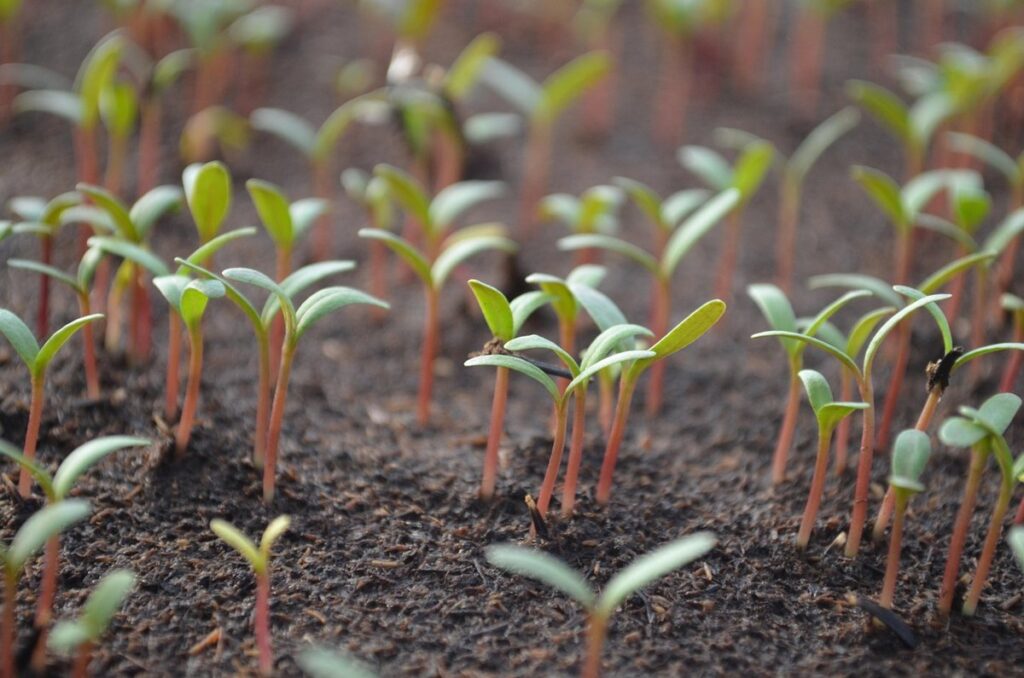
Understanding the process of tomato seed germination is crucial for successful tomato cultivation. Tomato seed germination refers to the initial stage of a seed’s growth, where it begins to sprout and develop its first roots and leaves. This critical phase typically lasts between 7-14 days, depending on factors such as temperature, moisture, and seed quality.
During germination, the embryo within the seed absorbs water, breaking down stored food sources and initiating cell division. As the seed coat softens and cracks, a small root called the radicle emerges, followed by the cotyledon (seed leaf) or hypocotyl. Proper germination sets the foundation for healthy plant growth, influencing factors such as fruit yield, size, and disease resistance.
To ensure optimal germination, tomato growers must provide seeds with the right conditions: warm temperatures between 70-80°F (21-27°C), adequate moisture, and darkness. Seeds sown in poor conditions may experience delayed or reduced germination rates, impacting overall crop success. By understanding the process of tomato seed germination, growers can optimize their cultivation techniques to support maximum yields and quality fruit production.
Factors Influencing Germination Rate
When it comes to tomato seed germination, several factors come into play that can either boost or hinder the process. Let’s take a closer look at some of these key influencers.
Temperature plays a significant role in determining the rate at which tomato seeds sprout. Most varieties require temperatures between 65°F and 85°F (18°C and 30°C) to initiate germination, while optimal growth typically occurs within the range of 70°F to 80°F (21°C to 27°C). If your seeds are exposed to temperatures above or below this range for an extended period, it may lead to delayed or reduced germination.
Light is another essential factor in tomato seed germination. Seeds require light to initiate photosynthesis and break dormancy. Sow your seeds about ¼ inch deep and 1-2 inches apart in a well-draining seed starting mix. Cover the tray with a clear plastic lid or cloche to maintain humidity and provide warmth.
Water is also crucial as tomato seeds absorb water through their embryo, which triggers germination. Ensure the soil remains consistently moist but not waterlogged, which can lead to fungal growth and seed rot. Seed quality matters too; choose high-quality seeds that are specifically bred for your region’s climate conditions.
Section 2: Optimal Temperature for Tomato Seed Germination
To achieve optimal tomato seed germination, it’s essential to understand the ideal temperature range that promotes healthy growth and development. Let’s explore this crucial factor together.
Ideal Temperature Range for Germination
When it comes to tomato seed germination, temperature plays a crucial role. The ideal temperature range for optimal germination is between 70°F and 85°F (21°C to 30°C). Within this range, seeds germinate quickly and efficiently, with most varieties sprouting in 7-14 days. However, temperatures outside of this range can slow down or even prevent germination.
On the lower end, a minimum temperature of around 55°F (13°C) is still suitable for germination, although it may take longer, typically 1-2 weeks. It’s essential to note that some tomato varieties are more sensitive to temperature fluctuations than others. For instance, heirloom and cherry tomatoes tend to prefer warmer temperatures, while hybrid varieties can tolerate cooler conditions.
If you’re growing indoors or in a greenhouse, aim for the higher end of the ideal range (around 80°F/27°C) to ensure optimal germination. If you’re starting seeds outdoors, be mindful of seasonal temperature fluctuations and choose a location that provides some protection from extreme temperatures. By maintaining an optimal temperature range, you’ll set your seedlings up for success and get them off to a strong start.
How Temperature Affects Germination Rate
When it comes to tomato seed germination, temperature plays a crucial role. Different temperatures can significantly impact the germination rate of your seeds, and understanding these effects is essential for achieving optimal results.
In general, most tomato varieties prefer a warm temperature between 70°F (21°C) and 85°F (29°C) for optimal germination. However, if the temperature is too high or too low, it can slow down or even prevent germination altogether. For example, if the temperature drops below 60°F (15°C), the germination rate may be significantly reduced.
On the other hand, temperatures above 90°F (32°C) can cause the seeds to become water-stressed, leading to poor germination rates. In fact, research has shown that for every 1°F increase in temperature above the optimal range, the germination rate decreases by about 10%.
To give you a better idea, here are some general guidelines for tomato seed germination temperatures:
Section 3: Water Requirements for Tomato Seed Germination
Now that we’ve discussed optimal temperature and light conditions, let’s dive into the importance of water requirements for tomato seed germination. Proper watering is crucial to avoid overwatering, which can be detrimental to your seeds’ growth.
Importance of Consistent Moisture
Consistent moisture is crucial for tomato seed germination as it allows the seeds to absorb the necessary water and nutrients to break through their outer covering. Without adequate moisture, the seeds may remain dormant or fail to emerge altogether. On the other hand, over-watering can lead to rot and fungal infections that can be detrimental to the developing seedling.
In ideal conditions, the soil should be kept consistently moist but not waterlogged. You can achieve this by gently watering the soil with a spray bottle every day or two until germination occurs. Aim for a moisture level of about 70-80% during this period. A simple way to check the moisture level is to insert your finger into the soil up to the first knuckle; if the soil feels dry, it’s time to water.
Remember that tomato seeds are particularly sensitive to drying out due to their small size and high water requirement. Be mindful of the temperature and humidity levels in your growing space as well, as these factors can significantly impact moisture retention and seed germination rates.
Monitoring Water Levels During Germination
Monitoring water levels during germination is crucial to ensure optimal seedling growth. As seeds absorb water, they begin to swell and grow roots. However, if the soil becomes too dry, it can cause stress to the developing seedlings. To monitor water levels effectively, check the soil moisture by sticking your finger into the soil up to the first knuckle. If the soil feels dry, it’s time to water.
Some signs of drought stress during germination include yellowing or wilting leaves, slow growth rates, and reduced seedling vigor. Water the seeds as soon as you notice these symptoms, making sure not to overwater, which can lead to root rot. A good rule of thumb is to maintain a consistent moisture level, keeping the soil moist but not waterlogged.
Keep in mind that different tomato varieties have varying watering requirements. Research your specific variety’s needs to ensure you’re providing optimal conditions for germination. By monitoring water levels and catching early signs of drought stress, you can prevent damage and support healthy seedling growth. Regular checks will help you fine-tune your watering schedule and create an environment conducive to successful tomato seed germination.
Section 4: Light Conditions for Tomato Seed Germination
When it comes to germinating tomato seeds, light conditions play a crucial role in triggering growth, and understanding these factors can make all the difference in your success.
The Role of Light in Seed Development
Light plays a crucial role in seed development, particularly for tomato seeds. When it comes to germination, light can either promote growth or hinder it. As seeds absorb water and begin to sprout, they start to develop their first leaves. This initial stage of growth is heavily influenced by the amount and quality of light available.
Direct sunlight can be detrimental during this sensitive period. The intense light and heat can cause seedlings to become weakened and leggy, making them more susceptible to disease and pests. On the other hand, indirect sunlight or even partial shade provides a gentle, sustained stimulus for growth. This allows seeds to develop at an optimal rate without being overwhelmed by excessive light.
A good rule of thumb is to provide tomato seeds with bright, indirect light – preferably from a south-facing window or under grow lights. Avoid placing them directly in full sun, especially if you’re starting seeds indoors. By striking this balance, you’ll be giving your seedlings the best chance to develop strong roots and healthy growth before transplanting outside.
How Different Lighting Conditions Impact Germination Rate
When it comes to tomato seed germination, lighting conditions play a crucial role in determining the success of the process. Different types of light can significantly impact the rate at which seeds sprout and grow. Let’s explore how various lighting conditions affect tomato seed germination rates.
LED grow lights are popular among gardeners due to their energy efficiency and customizable spectrum options. Research suggests that LEDs with a spectrum similar to natural sunlight (around 400-700 nanometers) can promote healthy growth and increase germination rates by up to 20%. However, using LED grow lights with an inadequate spectrum or intensity can lead to reduced germination rates.
Natural light is also essential for tomato seed germination. Seeds exposed to direct sunlight tend to germinate faster than those under indirect lighting conditions. Aim to provide your seeds with at least 12-14 hours of direct sunlight per day, but be cautious not to expose them to extreme temperatures or intense sunlight that can cause scorching.
Incandescent and fluorescent lights are less effective for tomato seed germination due to their limited spectrum range. They may promote weak and spindly growth rather than healthy development. If you’re using these types of lighting, consider supplementing with LED grow lights or increasing the duration of exposure.
Section 5: Seed Quality and Viability for Tomato Seed Germination
Let’s take a closer look at how seed quality and viability impact tomato seed germination, as these factors can make or break successful growth. A fresh supply of high-quality seeds is essential for optimal germination rates.
Importance of Fresh Seeds
Using fresh seeds is crucial for optimal tomato seed germination rates. Over time, seeds can lose their viability and germination potential due to factors like moisture, temperature fluctuations, and genetic degradation. When seeds are old, they may not have the energy reserves to support healthy growth, leading to lower germination rates.
In fact, a study by the USDA found that tomato seed viability declines significantly after two years of storage. Even when stored properly, seeds can still lose up to 50% of their germinability within this timeframe. This means that using fresh seeds is essential for maximizing your chances of successful germination.
To ensure you’re getting the best results, look for seeds that are labeled as “fresh” or “high-quality.” These seeds have been harvested recently and are more likely to have good germination rates. You can also store seeds properly by keeping them in a cool, dry place away from direct sunlight. By using fresh seeds and following proper storage techniques, you’ll be well on your way to achieving optimal tomato seed germination rates.
Testing Seed Viability Before Planting
Testing seed viability before planting is crucial to ensure high-quality seeds for optimal germination. You can start by performing a simple germination test, which involves placing 10-20 seeds on a damp paper towel and keeping it in a warm location. Check for germination after 7-10 days, and record the percentage of seeds that sprouted.
Another method is to use the “float test,” where you mix the seeds with water and observe if they sink or float. Healthy seeds will typically sink to the bottom, while low-quality or dead seeds will float. You can also perform a “water check” by soaking the seeds in water for 24 hours; if they absorb water evenly, it’s a good sign.
It’s also essential to inspect the seeds visually before testing their viability. Look for signs of mold, fungus, or visible damage on the seed coat. If you’re using old seeds, consider starting with a smaller batch to gauge their germination rate. By conducting these simple tests, you can determine the quality of your tomato seeds and increase the chances of successful germination.
Section 6: Troubleshooting Common Issues with Tomato Seed Germination
We’ve covered the basics of tomato seed germination time, but what happens when things don’t go as planned? Let’s troubleshoot some common issues and get your seeds growing.
Identifying and Resolving Germination Delays
Identifying and resolving germination delays is crucial for successful tomato seed cultivation. One common issue that may cause delays is incorrect temperature conditions. Tomato seeds typically require a warm environment to germinate, with an optimal temperature range between 65°F to 75°F (18°C to 24°C). If the temperature is too low or too high, it can slow down or even prevent germination.
Another possible reason for delayed germination is inadequate moisture levels. Seeds need consistent moisture to break dormancy and sprout. Overwatering or underwatering can both lead to germination delays. To address this issue, ensure that the soil remains consistently moist but not waterlogged.
Poor seed quality can also contribute to germination problems. Old or low-quality seeds may have reduced viability, making them less likely to germinate. Sourcing high-quality seeds from reputable suppliers can help minimize this risk. If you’re experiencing persistent germination issues, it’s worth exploring alternative seed options.
Lastly, consider the light exposure and soil quality. Some tomato varieties are more sensitive to light or require specific soil conditions for optimal growth.
Strategies for Improving Germination Rates
Improving tomato seed germination rates can be a game-changer for growers. One of the most critical factors to consider is reducing stress on the seeds. High temperatures, inadequate moisture, and excessive light can all contribute to poor germination.
To minimize these effects, it’s essential to use a stratification technique. This involves placing the seeds in a controlled environment with optimal temperature conditions (around 70-80°F) for 7-10 days before planting. You can also try using peat pellets or seed starting mix specifically designed to provide moisture and stability.
Another key strategy is to maintain consistent moisture levels during germination. Check on your seeds daily, making sure the soil isn’t too dry or waterlogged. Avoid overwatering, which can lead to fungal growth and reduced germination rates. You can also try using a heating mat to create a warmer environment for germinating seeds.
Reducing stress factors through optimal temperature, consistent moisture, and careful handling can significantly improve your tomato seed germination rates.
Section 7: Conclusion and Next Steps
Now that you’ve learned about the factors influencing tomato seed germination time, let’s summarize what we’ve covered so far and explore next steps.
Recap of Key Takeaways
As you’ve now come to the end of our comprehensive guide on tomato seed germination time, it’s essential to recap the key takeaways from this journey. We’ve discussed the average time frame for tomato seeds to germinate, which ranges from 7-14 days under optimal conditions.
One crucial aspect is understanding that different factors can influence germination speed and success rate. These include temperature, soil quality, moisture levels, and seed viability. To maximize your chances of successful germination, ensure you’re using high-quality seeds and starting them in a warm environment with the right balance of water and nutrients.
It’s also vital to recognize that some tomato varieties tend to have slower or faster germination rates than others. Factors such as climate and regional specificities can further impact results. To adjust for these variables, research your specific region’s average soil temperature and adjust your sowing schedule accordingly.
By incorporating this knowledge into your gardening routine, you’ll be well on your way to growing a thriving tomato crop.
Final Tips for Successful Tomato Seed Germination
As you conclude this comprehensive journey of understanding tomato seed germination time, it’s essential to remember that success often lies in the details. To ensure your seeds get off to a healthy start, here are some final tips for successful tomato seed germination.
Start by preparing your seeds and growing medium correctly. This means making sure your seeds are fresh and not damaged during storage. Sterilize your potting mix before use to prevent any potential diseases or pests from infecting your seeds.
Maintain optimal temperature conditions – between 70-80°F (21-27°C) – for germination, and keep the soil consistently moist but not waterlogged. Use a clear plastic bag to create a mini-greenhouse effect, if necessary, to promote warm temperatures and high humidity.
Monitor your seeds closely for signs of germination, usually within 7-14 days, depending on factors like seed quality and temperature. Be patient, as some tomato varieties may take longer than others to sprout.
By following these guidelines and best practices, you’ll be well-equipped to handle the unique needs of your tomato seeds and set them up for success from day one.
Frequently Asked Questions
What if my tomato seeds take longer than expected to germinate?
If your tomato seeds are taking longer than the average 7-14 days, it’s essential to check for factors like inconsistent temperature or inadequate moisture levels. Ensure that you’re providing optimal growing conditions and consider checking seed quality by performing a viability test.
Can I use indoor lighting to aid in tomato seed germination?
Yes, supplemental lighting can help promote healthy growth during germination. LED grow lights with a warm color temperature (around 2700K-3000K) can mimic natural light conditions, encouraging seed development and increasing the chances of successful germination.
How do I maintain consistent moisture levels for optimal tomato seed germination?
Maintaining consistent moisture is crucial during germination. Water your seeds gently but thoroughly when the topsoil feels dry to the touch. Avoid overwatering, which can lead to fungal growth or other issues that might delay or prevent germination altogether.
What if I notice fungal growth on my tomato seeds or soil?
If you observe any signs of fungal growth, remove affected seeds or areas and treat the remaining soil with a fungicide specifically designed for seedlings. This will help prevent further damage and create a healthy environment for new growth to begin.
Can I use old tomato seeds for germination, or do I need fresh ones?
No, it’s generally recommended to use fresh tomato seeds for optimal germination rates. Old seeds may have reduced viability due to storage conditions or natural degradation over time. Consider testing seed viability before planting to ensure the best chances of success.