
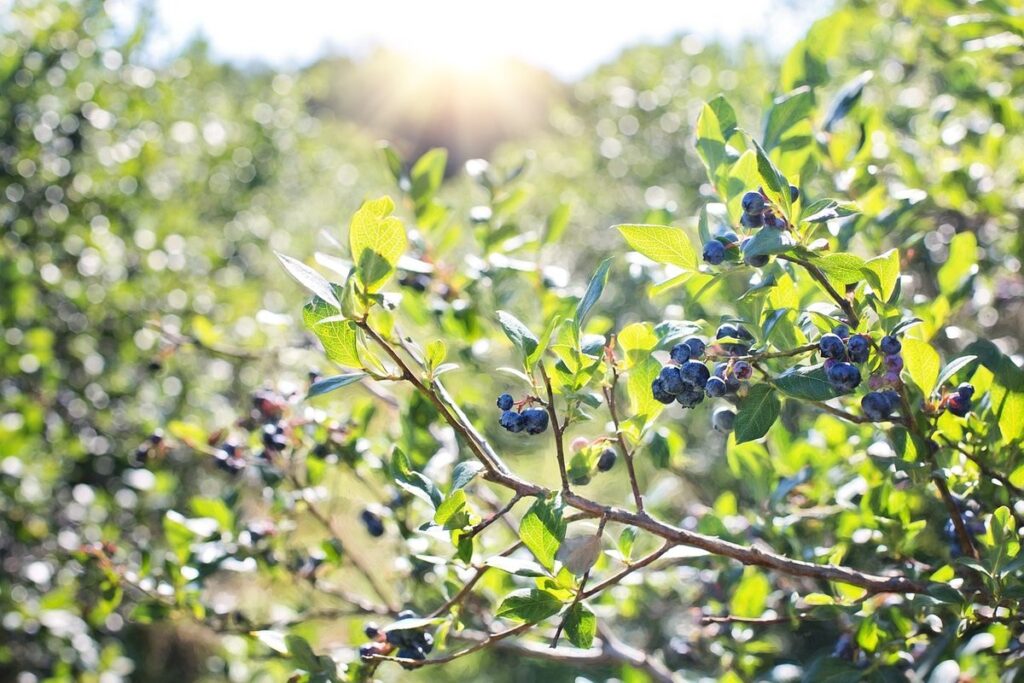
Blueberry lovers rejoice! Planting blueberries in containers is not only possible, but also incredibly rewarding. Not everyone has access to a spacious backyard or acidic soil, which is perfect for these delicious shrubs. But with the right container and care, you can enjoy a bountiful harvest of juicy blueberries on your very own patio or balcony. In this step-by-step guide, we’ll walk you through the process of selecting the perfect container, preparing the ideal soil, and overcoming common challenges that may arise along the way. We’ll cover everything from choosing the right variety for containers to providing the necessary care for a thriving harvest. Whether you’re a seasoned gardener or just starting out, this guide will show you how to successfully plant and care for blueberry bushes in containers, so get ready to indulge in those sweet, tangy berries!
Choosing the Right Container and Location
When it comes to planting blueberries in containers, choosing the right container and location is crucial for their success. Let’s dive into selecting a suitable container and spot that will give your blueberry bush the best chance to thrive.
Selecting a Suitable Container Size
When it comes to choosing the right container for your blueberry plants, selecting a suitable size is crucial. Blueberries can grow quite large, reaching up to 6-8 feet tall and 4-6 feet wide at maturity. To ensure they have enough room to grow, you’ll want to choose a container that’s at least 12-18 inches deep and 24-36 inches wide.
For example, a large tub or wooden planter can make an excellent choice for blueberries in containers. These types of planters are often specifically designed for growing larger plants and have good drainage, which is essential for blueberries.
Consider using a container that’s at least 2/3 to 1 gallon in size per year after planting. This will give your blueberry roots room to spread out and absorb the necessary nutrients and water. Be sure to also choose a planter with good drainage holes to prevent root rot. With the right size container, you’ll be well on your way to growing healthy and productive blueberries in containers.
Considering Soil and Drainage Requirements
When selecting containers for your blueberry plants, it’s essential to consider the soil and drainage requirements. Blueberries are acid-loving plants that thrive in well-draining acidic soils, which can be challenging to replicate in container gardens.
To ensure proper drainage, use a potting mix specifically designed for acid-loving plants like blueberries. These mixes typically have a higher acidity level (around pH 4.0-5.5) and better water-holding capacity than regular potting soil. Some popular brands include Espoma Organic Soil Conditioner or Miracle-Gro Acidic Potting Mix.
When potting your blueberry plant, fill the container with this acidic mix, leaving about an inch at the top for watering. Avoid using regular garden soil, as it can compact and prevent proper drainage. Compact soils can lead to root rot, which is a common issue in container gardens.
By choosing the right potting mix, you’ll be well on your way to creating a healthy environment for your blueberry plants to thrive in their containers.
Preparing the Container
Before you can start planting, it’s essential to prepare a suitable container for your blueberries. This involves selecting a pot that is at least 6-8 inches deep and has good drainage holes.
Cleaning and Sterilizing the Container
When it comes to planting blueberries in containers, cleanliness is crucial to prevent the spread of diseases. Before filling your container with potting mix and planting your blueberry bush, make sure to clean and sterilize it thoroughly.
Start by washing the container with mild soap and warm water. This will remove any debris or contaminants that may be on the surface. Scrub all areas of the container, including the drainage holes, to ensure everything is clean. If you’re using a container that’s been previously used for other plants, soak it in a bleach solution (1 part bleach to 10 parts water) for at least 30 minutes to kill any lingering bacteria.
After washing and disinfecting the container, rinse it thoroughly with fresh water to remove any soap or bleach residue. This will help prevent any chemicals from affecting your blueberry bush’s growth. Once your container is clean and sterilized, you’re ready to fill it with potting mix and plant your blueberry bush.
Adding a Layer of Mulch or Compost
Adding a layer of mulch or compost to your container is an essential step in creating a thriving blueberry plant environment. Mulch and compost provide numerous benefits that will enhance the overall health and productivity of your blueberries.
When you add a 2-3 inch layer of organic mulch, such as wood chips, bark, or pine straw, on top of the soil, it helps retain moisture and suppresses weeds that compete with your blueberry plant for water and nutrients. Mulch also regulates soil temperature, keeping it cooler in the summer and warmer in the winter, which is crucial for blueberries.
You can also use compost as an alternative to mulch. Compost enriches the soil by adding beneficial microbes and organic matter that improve soil structure and fertility. Mix 1-2 inches of compost into the top 6-8 inches of soil before planting your blueberry bush, or apply it around the base after planting.
This layer should be replenished every 6-12 months to maintain its effectiveness in providing nutrients and retaining moisture for your blueberry plant.
Selecting Healthy Blueberry Plants
When it comes to growing blueberries in containers, selecting healthy plants is crucial for a bountiful harvest. Look for plants with fresh green leaves and vibrant flowers.
Understanding Blueberry Plant Varieties
When it comes to growing blueberries in containers, you’ll want to choose a variety that’s well-suited for container gardening. There are several types of blueberry plants available, each with its own growth habits and yields.
Dwarf or compact varieties, such as ‘Tophat’ and ‘Bluecrop’, are popular choices for container gardening because they produce smaller bushes (typically 2-3 feet tall) that require less space. They’re also more adaptable to containers and tend to produce consistent yields of high-quality fruit.
Other popular varieties include the Southern Highbush, which is known for its high yield and tolerance to heat stress, and the Rabbiteye, which produces large berries with a sweet-tart flavor. When selecting a blueberry variety, consider factors such as climate, soil quality, and available sunlight. Some varieties, like ‘Patriot’, are more tolerant of cooler temperatures and are well-suited for northern climates.
When choosing a blueberry plant, make sure to select one that’s disease-resistant and suitable for container growing. This will ensure you get the best results from your blueberry plants.
Inspecting and Choosing Healthy Plants
When selecting blueberry plants for container gardening, it’s crucial to inspect them carefully before bringing them home. Look for signs of disease such as yellowing leaves, black spots, or powdery mildew on the leaves and stems. Check for pests like aphids, whiteflies, or spider mites by gently shaking the plant over a white sheet of paper – if any insects fall off, it’s likely infested.
To ensure you’re getting healthy plants, choose those from reputable nurseries or online suppliers that specialize in disease-resistant varieties. Read reviews and check ratings to gauge the supplier’s reputation. When purchasing online, inspect the plant carefully before opening the package, taking note of its overall appearance and any potential issues.
When handling plants, avoid touching their leaves or stems as oils from your skin can transfer diseases. If you notice any problems, don’t be afraid to ask the supplier for a refund or exchange. By being diligent in selecting healthy blueberry plants, you’ll set yourself up for success with your container gardening endeavors.
Planting the Blueberries
Now that you’ve chosen your blueberry variety and container, it’s time to start planting! This section will guide you through the process of getting your blueberry plants settled in their new home.
Digging the Root Ball and Handling Roots
When digging up the blueberry plant from its original container, it’s crucial to be gentle and careful not to damage the root ball. Use a fork or a specialized tool specifically designed for transplanting plants to loosen the soil around the roots without causing excessive disturbance. This will help you avoid tearing or breaking the delicate fibrous roots.
To minimize shock to the plant, make sure to dig up as much of the root system as possible, taking care not to compact the roots further. Once removed from its container, gently run a soft-bristled brush or your fingers through the roots to loosen any tangles and promote healthy growth after transplanting. This process can be quite delicate; take your time, working slowly and carefully around the roots.
Preserving the root system is vital for ensuring the blueberry plant establishes itself quickly in its new container.
Planting the Blueberry Bush in the Container
When planting the blueberry bush in the container, it’s essential to consider the spacing and support needs of the plant. As a general rule, for small containers (less than 14 inches deep), plant a single blueberry bush variety that is compact or dwarf. For larger containers, you can plant multiple varieties spaced about 12-18 inches apart.
Dig a hole in the container’s potting mix that is twice as wide and just as deep as the root ball of the blueberry bush. Gently remove the blueberry bush from its pot and place it in the hole. Make sure the crown (where the roots meet the stem) is level with the soil surface.
Secure the plant with stakes or ties to prevent wind damage and maintain upright growth. You can use soft twine or wire to tie the stems to a stake, making sure not to constrict the plant. Water the plant thoroughly after planting and keep the potting mix consistently moist during its first year of growth.
Caring for Your Container-Grown Blueberries
Now that you’ve successfully planted your blueberry bush, it’s essential to provide regular care and attention to ensure it thrives in its container. Proper watering and fertilization techniques are crucial for healthy growth.
Watering and Fertilizing Regimens
When it comes to caring for container-grown blueberries, proper watering and fertilization schedules are crucial. Blueberry plants require consistent moisture levels, especially when grown in containers where water can quickly evaporate. To ensure your blueberries receive the right amount of water, monitor soil moisture by sticking your finger into the soil up to the first knuckle. If the soil feels dry, it’s time to water. Watering should be done gently but thoroughly, making sure not to overwater, which can lead to root rot and other issues.
Using acid-specific fertilizers is also essential for blueberry plants. These fertilizers will provide the necessary nutrients, such as nitrogen, phosphorus, and potassium, in a pH level that’s suitable for acidic-loving blueberries. Look for fertilizers labeled as “acid-forming” or specifically formulated for azaleas and rhododendrons – they’ll work perfectly for your container-grown blueberries. Apply fertilizer according to the manufacturer’s instructions during the growing season (spring-fall) to promote healthy growth and fruit production.
Pruning and Training the Plant
Pruning and training your container-grown blueberry plant is crucial for promoting healthy growth, fruiting, and structure. As a general rule of thumb, it’s best to prune your blueberry plant when it’s dormant during the winter months or early spring.
Start by removing any dead, diseased, or damaged branches to prevent the spread of disease and encourage new growth. Cut these branches back to about 6-8 inches from the main stem using clean pruning shears or loppers.
Next, consider thinning out some of the older canes to allow for air circulation and promote even fruiting. This will also help you maintain a balanced structure and prevent the plant from becoming too leggy.
To train your blueberry plant, you can use trellis supports or stakes to guide the new growth in a desired direction. This is especially helpful if you’re growing multiple plants together in a large container. As your plant grows, gently tie the stems to the support using twine or clips, taking care not to damage the delicate bark.
By pruning and training your blueberry plant regularly, you’ll be rewarded with a robust, productive, and visually appealing addition to your container garden.
Common Challenges and Solutions
Planting blueberries in containers can come with its own set of unique challenges, from soil acidity to watering requirements. We’ll explore these common obstacles together and provide practical solutions.
Identifying and Addressing Pests and Diseases
Container-grown blueberries are susceptible to various pests and diseases that can impact their health and productivity. One common pest affecting container-grown blueberries is aphids, which feed on the plant’s sap, causing curled leaves and stunted growth. To identify aphid infestations, look for small, soft-bodied insects on the stems and leaves. If you notice ants visiting your plants frequently, it could be a sign of an aphid problem.
Another issue container-grown blueberries face is root rot, which occurs when the roots sit in waterlogged conditions. Symptoms include yellowing leaves, wilting, and a sour smell coming from the soil. To prevent root rot, ensure good drainage and avoid overwatering your plants. If you notice these symptoms, lift the plant out of its container to inspect the roots.
When dealing with pests or diseases, opt for organic controls first. For aphids, use neem oil or insecticidal soap to control infestations. For root rot, prune affected roots and repot the plant in fresh, well-draining mix. Chemical controls can be effective but may harm beneficial insects, so use them sparingly. Regular monitoring and maintenance will help you catch issues before they spread, ensuring your container-grown blueberries remain healthy and productive.
Overcoming Nutrient Deficiencies and pH Imbalance
When growing blueberries in containers, it’s not uncommon to encounter nutrient deficiencies or pH imbalances that can impact fruit production and plant health. To diagnose these issues, monitor your plants’ performance closely for signs of trouble such as slow growth, yellowing leaves, or reduced yields. You may also want to consider using a soil test kit to assess the pH level of your potting mix.
Nutrient deficiencies can be addressed by adjusting your fertilization schedule and choosing the right type of fertilizer for your blueberries. For instance, if you notice that your plants are lacking in nitrogen, try adding a balanced fertilizer that contains this essential nutrient. On the other hand, if your blueberries are not producing fruit, it may indicate a lack of boron or copper.
To correct pH imbalances, consider repotting your blueberries with a new potting mix specifically formulated for acid-loving plants like blueberries. You can also try adding peat moss or elemental sulfur to lower the pH level in your existing soil. By taking proactive steps to address nutrient deficiencies and pH imbalances, you can give your container-grown blueberries the best chance at thriving.
Monitoring and Harvesting Your Blueberry Crop
Now that your blueberry plants are thriving, it’s time to focus on monitoring their progress and harvesting those delicious berries when they’re ripe and ready. This section will guide you through both processes.
Tracking Fruit Development and Ripening
Monitoring fruit development and ripening is crucial to ensuring you pick your blueberries at the peak of sweetness and flavor. As a container gardener, you’ll want to keep an eye on several signs that indicate readiness for harvest.
Start by regularly inspecting the color and texture of the berries. Typically, ripe blueberries are a deep purple or blue color, with a slight sheen to them. Avoid squeezing the fruit, as this can damage the delicate skin. Instead, gently touch the berry to check its firmness. Ripe blueberries should yield slightly to pressure but still feel slightly firm.
Another key indicator is the ease of removal from the stem. Gently twist and pull on a few berries to assess how easily they come off. If they’re ready, they should release from the stem without much effort. Monitor your plants regularly, checking for these signs every 7-10 days during peak fruiting season. This will help you pick your blueberries at the optimal time, ensuring maximum flavor and nutritional value.
Tips for Maximizing Yield and Quality
When it comes to harvesting blueberries from containers, optimizing yield and quality is crucial. To maximize these benefits, pay close attention to watering schedules. Blueberry plants prefer consistent moisture levels, especially during fruiting periods. However, overwatering can lead to root rot and reduced yields.
Fertilization also plays a significant role in maintaining optimal yield and quality. Use a balanced fertilizer (10-10-10 NPK) during the growing season (spring-fall). Dilute the recommended concentration by 50% for container-grown blueberries, as they are more susceptible to overfertilization.
Water your plants thoroughly before applying fertilizers, and avoid overfertilizing when plants are under stress. Regular monitoring of pH levels is also essential; maintain a slightly acidic range (4.5-5.5) to promote healthy growth.
By fine-tuning watering schedules and fertilization practices, you’ll be well on your way to harvesting an abundance of nutritious blueberries from your container garden. Be sure to inspect plants regularly for signs of nutrient deficiencies or pH imbalances, making adjustments as necessary to ensure optimal yield and quality.
Frequently Asked Questions
Can I grow multiple blueberry plants in a single large container?
While it’s technically possible to grow multiple blueberry plants in one container, it’s not the most recommended approach. Blueberries are more productive when grown alone, and they’ll compete for resources like water and nutrients if planted close together. For optimal results, consider growing each plant in its own individual container to ensure they receive the necessary care.
How often should I fertilize my container-grown blueberry plants?
Blueberries have specific fertilizer needs, especially when grown in containers. We recommend fertilizing your blueberry plants with an acidic fertilizer (pH 4.5-6.0) every 2-3 months during the growing season. Be sure to follow the instructions on the fertilizer package and take note of any nutrient deficiencies that may arise.
What’s the best way to prune my container-grown blueberry bush?
Pruning is essential for maintaining the health and productivity of your blueberry plant. To prune, remove any dead or diseased branches, then reduce the height of new growth by about one-third. This will encourage a more compact shape and promote fruiting. Make sure to sterilize your pruning tools between cuts to prevent spreading disease.
Can I use regular potting soil for my container-grown blueberries?
Regular potting soil is not suitable for blueberry plants, as it lacks the acidity they require. When planting blueberries in containers, it’s essential to mix in a acidic potting mix specifically designed for acid-loving plants like blueberries. This will provide them with the necessary nutrients and pH balance.
How long does it take for container-grown blueberries to produce fruit?
The time it takes for your blueberry plant to produce fruit can vary depending on factors like climate, soil quality, and variety. Generally, you can expect to see fruit within 1-2 years after planting, but some varieties may take up to 3 years to mature. Be patient, and with proper care, you’ll be enjoying a bountiful harvest of delicious blueberries in no time!