
Propagating rosemary can be a bit tricky, but with the right techniques and care, you’ll be well on your way to growing your own fragrant herb garden. Whether you’re a seasoned gardener or just starting out, knowing how to propagate rosemary is essential for preserving this popular culinary herb. Not only does it add flavor to your cooking, but rosemary also has medicinal properties and can be used in potpourri and crafts.
In this comprehensive guide, we’ll walk you through the step-by-step process of propagating rosemary using stem cuttings, leaf cuttings, and other techniques. We’ll cover how to create a suitable rooting medium, provide adequate water and nutrients, and troubleshoot common issues that may arise. By the end of this article, you’ll be equipped with expert tips on growing your own rosemary plants from scratch, saving you money and ensuring a steady supply of fresh herbs all year round.
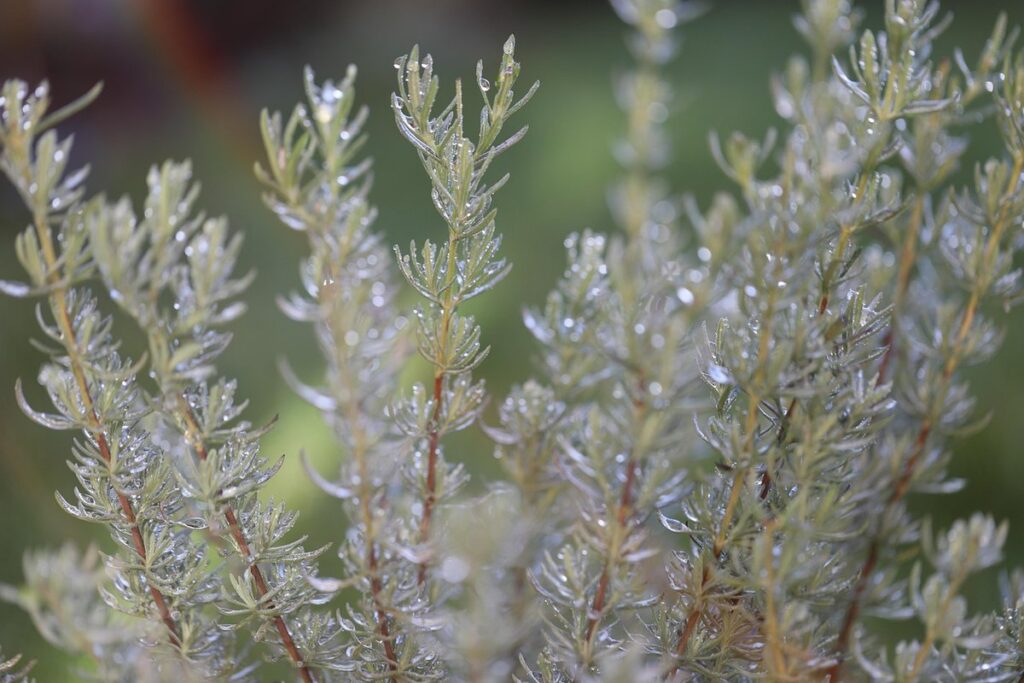
Choosing the Right Method
When it comes to propagating rosemary, you’ll need to decide which method suits your needs best – and we’re here to break down the two most popular techniques for you.
Using Stem Cuttings
When using stem cuttings for rosemary propagation, it’s essential to select healthy stems that are free of diseases and pests. Look for stems with a pair of leaves at the base, as this will help the cutting establish itself more quickly when rooted.
To prepare the cuttings for rooting, trim off any weak or damaged growth from the stem, leaving about 2-3 inches (5-7.5 cm) intact. Cut the stem just above a leaf node using a sharp, clean pair of pruning scissors or garden shears. Make the cut at a 45-degree angle to help prevent water from collecting on the cutting and promoting rot.
Remove lower leaves from the cutting, leaving only two or three sets of leaves at the top. This will reduce transpiration and minimize the risk of the cutting drying out while it’s establishing itself in its new environment. Once prepared, place the cuttings in a glass of water or a propagation tray filled with rooting hormone to initiate root growth.
Using Leaf Cuttings
Propagating rosemary through leaf cuttings is a viable method that’s often overlooked but can be just as effective as stem cuttings. One of the primary advantages of using leaf cuttings is that they’re easier to obtain, especially for compact or dense varieties where stem cutting might be challenging.
To begin, choose healthy rosemary leaves with a good balance of old and new growth. Cut them off at an angle about 2-3 inches from the base, making sure each cutting has at least two sets of leaves. This will give your newly propagated plant a better chance to establish itself.
One significant difference between leaf cuttings and stem cuttings is that they require more moisture during the rooting phase. You’ll want to keep the soil consistently moist but not waterlogged, as this can lead to root rot. A propagation tray with a clear lid or a cloche will help maintain humidity and speed up the process.
It’s essential to monitor your leaf cuttings closely for signs of rooting, such as a slight resistance when gently tugging on the leaves. With proper care and patience, you should see new growth emerging from the base within 2-3 weeks.
Preparing the Environment
Before you begin propagating rosemary, make sure your workspace and tools are clean and sterile to prevent any potential infections that might harm your new plants. This includes a dedicated potting area with necessary supplies.
Creating a Suitable Rooting Medium
When it comes to propagating rosemary, creating a suitable rooting medium is crucial for success. The ideal conditions for rosemary propagation involve providing a warm and humid environment. Maintain temperatures between 65°F to 75°F (18°C to 24°C) during the day, as this promotes healthy root growth.
In terms of humidity, maintain it at around 50-60% to prevent water from evaporating too quickly, which can hinder root development. As for light requirements, rosemary prefers bright, indirect light but not direct sunlight, which can cause scorching.
When it comes to the rooting medium itself, you have a few options. You can use a standard potting mix specifically designed for herbs or a mix of perlite and vermiculite, which provides excellent drainage and prevents waterlogging.
Some gardeners also swear by using a rooting hormone powder or liquid to increase the chances of successful propagation. However, ensure you follow the product instructions carefully, as excessive application can damage your plant.
Providing Adequate Water and Nutrients
Watering and fertilizing rosemary cuttings requires attention to detail to ensure healthy growth. Overwatering is a common mistake that can be detrimental to the development of your rosemary plants. Cuttings need time to establish their roots before being provided with adequate moisture, so it’s essential to strike a balance between watering too little and too much.
Water your rosemary cuttings sparingly in the first week after propagation, allowing the soil to dry slightly between waterings. Once they have developed a robust root system, typically within 2-3 weeks, you can gradually increase the frequency of watering. However, be cautious not to overwater, as this can lead to root rot and stunted growth.
Fertilizing your rosemary cuttings is also crucial for optimal growth. A balanced fertilizer with equal nitrogen, phosphorus, and potassium (NPK) will provide essential nutrients. Dilute the fertilizer according to the manufacturer’s instructions before applying it once a month during the growing season. This will promote healthy foliage and root development in your new rosemary plants.
Propagation Techniques
Now that you’ve learned how to prepare your rosemary for propagation, let’s dive into the techniques for successfully multiplying this fragrant herb. We’ll cover various methods and share our tips to help you achieve success.
Air Layering Method
Air layering is another effective method for propagating rosemary. This technique involves creating a rooting medium around a section of stem, allowing roots to develop before the new plant is separated from the mother plant.
To begin air layering rosemary, you’ll need to select a healthy stem with plenty of leaves and a well-developed node – this will increase the chances of successful root development. Next, make a small incision in the stem about 6-8 inches below a node. Then, fill the area around the cut with a moistened rooting medium such as sphagnum moss or a mix specifically designed for air layering.
Cover the rooting medium with plastic wrap to maintain high humidity and encourage root growth. Roots should begin to develop within 1-2 weeks. After roots have formed, cut the stem below the node, just above the new roots. Gently separate the new plant from the mother plant and pot it up in well-draining soil.
Air layering allows you to propagate rosemary without disrupting the root system of the parent plant, which can be beneficial for preserving its health and vigor.
Inoculation Method
Inoculation is a propagation method that involves introducing a small portion of stem cutting from a mature rosemary plant into a sterile soil environment. This method allows you to replicate the exact genetic characteristics of the parent plant, ensuring the new growth will have the same flavor profile and medicinal properties.
To prepare for inoculation, start by selecting healthy stem cuttings with at least two nodes. Cut the stems about 1-2 inches below a node using a sharp, sterile tool to prevent the introduction of bacteria or other contaminants. Next, prepare a propagation tray or container filled with a well-draining seed starting mix.
To create an inoculum, you will need to take a small portion of stem cutting from a mature rosemary plant and place it into the prepared soil. Make sure the node is buried about 1-2 inches deep, then gently firm the surrounding soil to secure the cutting in place. Water the area thoroughly but avoid overwatering.
It’s essential to use sterile equipment when handling the cuttings to prevent contamination and ensure successful propagation.
Care and Aftercare
Now that you’ve successfully propagated your rosemary, it’s time to focus on giving it the TLC it needs to thrive. This next part is crucial for healthy growth.
Initial Care
Maintaining high humidity and providing bright light is crucial during the initial stages of propagation to promote healthy root development. A humid environment helps to prevent moisture loss from the plant’s leaves, ensuring that the cutting remains hydrated and encourages rooting. To achieve this, you can place the propagation tray or pot in a plastic bag or cover it with a clear lid to create a mini-greenhouse effect.
It’s also essential to provide bright light for the rosemary cutting. Aim for an east- or west-facing window or use grow lights that mimic natural sunlight. Direct sunlight can be too intense, so ensure it’s filtered or diffused. As you monitor your plant’s progress, look out for signs of successful rooting. These may include a slight change in color or texture on the leaves, the development of new growth, and a firm, non-wobbly stem when gently tugged. Keep the soil consistently moist but not waterlogged during this time to support healthy root establishment.
Transplanting
When transplanting newly propagated rosemary plants, it’s essential to provide them with the right conditions for growth. Once the roots have developed and the seedlings have two sets of leaves, they’re ready to be transplanted into individual pots or directly into the garden.
For indoor propagation, use a well-draining potting mix specifically designed for herbs. This will ensure good root development and prevent waterlogged soil. If you’re transplanting directly into the garden, choose a location with full sun and slightly alkaline to neutral soil pH (around 6.5-7.0). Rosemary prefers slightly acidic to alkaline conditions.
When transferring seedlings to individual pots, handle them gently to avoid damaging the roots. Plant them about 1 inch deeper than they were in the propagation tray, and water thoroughly. If transplanting into the garden, space them at least 12 inches apart to allow for good air circulation.
Be cautious not to overwater, as this can lead to root rot. Water your newly transplanted rosemary plants sparingly until they’re established, then increase watering frequency as needed.
Troubleshooting Common Issues
Don’t worry if things don’t go as planned when propagating rosemary – we’ll walk you through common issues that may arise and how to fix them. Let’s get started!
Identifying and Addressing Root Rot
Root rot is a common issue that can occur when propagating rosemary cuttings. Look out for yellowing leaves, droopy stems, and a soft, mushy texture on the lower parts of the plant. These symptoms often indicate that the cutting has been overwatered or has developed a fungal infection.
The most common cause of root rot in rosemary is excess moisture. When propagating cuttings, it’s essential to maintain a balance between water and dryness. Water your cuttings only when the top inch of soil feels dry to the touch. Make sure the potting mix isn’t too dense, as this can also lead to root rot.
To address root rot, remove any affected areas with sterile scissors or pruning shears. Treat the cutting with a fungicide specifically designed for rosemary, following the product’s instructions. Repot the cutting in fresh, well-draining soil and reduce watering frequency. With proper care and attention, your rosemary cutting should recover from root rot and thrive.
Monitor your cuttings regularly to catch any signs of root rot early on. By being vigilant and taking prompt action, you can prevent this issue and increase the chances of successful propagation.
Encouraging Healthy Growth
Newly propagated rosemary plants can be susceptible to various issues that may hinder their growth. One common problem is pests, such as spider mites, mealybugs, and scale insects, which can feed on the plant’s sap and cause damage. To mitigate this issue, inspect your plants regularly for signs of infestation, and use neem oil or insecticidal soap to control the population.
Another potential issue is root rot, often caused by overwatering or poor drainage. Check the soil moisture by sticking your finger into it up to the knuckle; if it’s wet, wait a few days before watering again. Ensure good air circulation around the plants and avoid letting water collect in the pot saucer.
Diseases like powdery mildew can also affect rosemary growth. To prevent this, provide adequate sunlight (at least four hours of direct light) and maintain high humidity by misting the leaves regularly.
Frequently Asked Questions
How often should I water rosemary cuttings after propagation?
Water your rosemary cuttings when the top inch of the rooting medium feels dry to the touch, usually every 2-3 days for the first week or two after propagation. Make sure not to overwater, as this can lead to root rot and reduce the chances of successful growth.
Can I use a mixture of perlite and vermiculite as a suitable rooting medium?
Yes, a combination of perlite and vermiculite is an excellent choice for a rooting medium because it allows for good drainage while retaining moisture. This mix will help prevent waterlogged conditions that can lead to root rot.
How do I ensure successful propagation with leaf cuttings?
To increase the chances of success when using leaf cuttings, make sure the leaves are fresh and free from any signs of disease or pests. Take 2-3 inches long stem sections with at least two pairs of leaves, and trim off lower leaves to prevent them from getting wet during rooting.
What’s the ideal temperature for rosemary propagation?
A consistent temperature between 65°F (18°C) and 75°F (24°C) is suitable for rosemary propagation. Avoid placing your cuttings in areas with direct sunlight or near heating vents, as this can cause extreme fluctuations in temperature that may impact successful growth.
Can I propagate rosemary from indoor plants?
Yes, you can propagate rosemary from indoor plants using stem or leaf cuttings. However, ensure the mother plant is healthy and thriving before taking cuttings to minimize stress on the plant during propagation.