
As a rose enthusiast, you know that proper care is crucial to keep your bushes looking their best throughout the year. One essential task to master is pruning roses for winter. Pruning at the right time can make all the difference in promoting healthy growth and encouraging stunning blooms come next season. However, timing is everything when it comes to pruning, and getting it wrong can be detrimental to your rose’s overall health.
In this comprehensive guide, we’ll walk you through the must-know tools, techniques, and timing for pruning roses during the winter months. We’ll cover how to choose the right pruning shears, when to prune, and various techniques for cutting back different types of roses. By following our expert advice on post-pruning care, you’ll be able to enjoy a vibrant display of blooms come springtime.
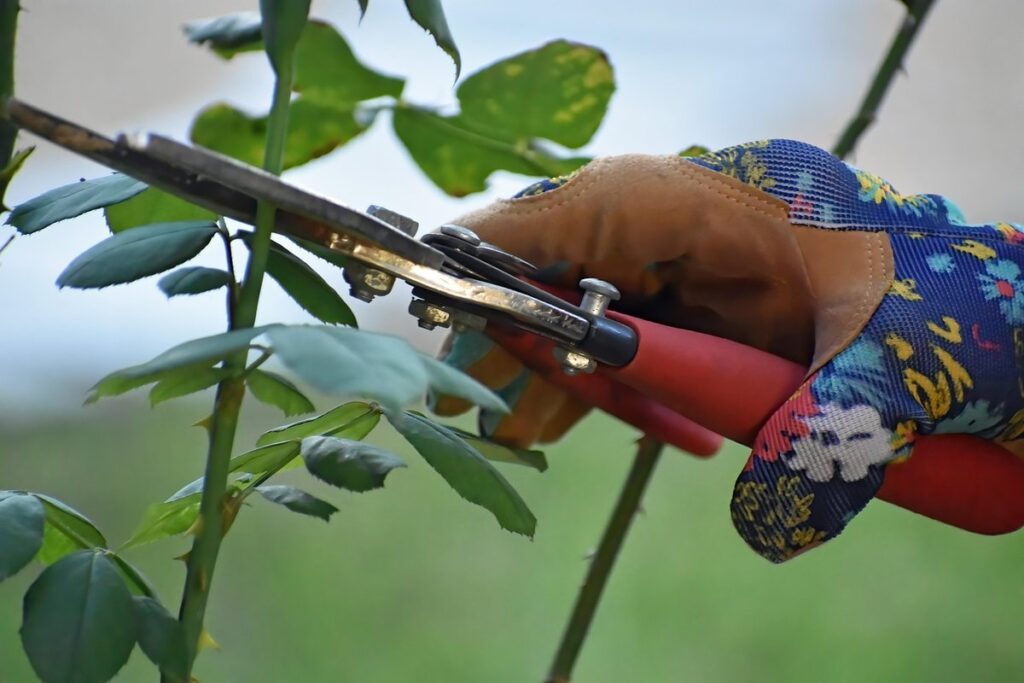
Understanding the Importance of Rose Pruning
Pruning roses isn’t just about cutting back growth, but also about preparing your plant for a healthy and thriving next season. This is where understanding its importance comes in.
Preparing Your Garden for Pruning Season
As we dive into the world of rose pruning, it’s essential to remember that even during winter, this crucial process is not just a nicety, but a necessity. Pruning roses in the winter prepares your garden for the next growing season by promoting healthy growth, encouraging new blooms, and preventing disease.
Pruning helps to remove dead or diseased branches, which can otherwise spread illness to other plants. This simple yet vital step also allows sunlight to reach more areas of the plant, boosting its overall vitality. As you prune, be sure to make clean cuts just above a bud eye (the small swelling from which new growth emerges), and cut at a 45-degree angle to facilitate water runoff.
By pruning your roses during winter, you’ll set them up for success when spring arrives. Don’t be afraid to get creative with your pruning – experiment with different techniques, like reducing the size of your plants or rejuvenating old shrubs. With the right tools and knowledge, pruning becomes a breeze, allowing you to showcase your beautiful blooms come springtime.
Identifying the Right Tools and Equipment
When it comes to pruning roses for winter, having the right tools and equipment is essential. It’s not just about cutting back branches; you need the right gear to do the job efficiently and safely.
You’ll want to start with loppers – long-handled pruning shears that can cut thicker stems up to 2 inches in diameter. Look for a pair with high-quality blades made from durable materials like steel or titanium. A good pair of loppers will make quick work of cutting back larger branches, allowing you to focus on the finer details.
A pruning saw is also essential for any rose pruner’s toolkit. It’s perfect for cutting thicker stems and branches that are too large for loppers to handle. When choosing a pruning saw, consider one with a curved blade, which will make it easier to cut through dense wood.
Don’t forget about hand protection! A good pair of gardening gloves is essential for protecting your hands from thorns and scratches. Look for gloves made from durable materials like leather or synthetic fabrics that can withstand rough handling.
In addition to these essentials, consider investing in a pruning tool set that includes a variety of shapes and sizes to tackle different jobs around the garden.
Choosing the Right Time to Prune Roses
Pruning roses at the right time is crucial, and timing your pruning tasks carefully can make all the difference in your rose garden’s health and appearance. Knowing when to prune is key.
Understanding the Types of Rose Varieties and Their Pruning Needs
When it comes to pruning roses, understanding the unique needs of different varieties is crucial. There are several types of roses, each with its own distinct characteristics and pruning requirements.
Floribundas, for instance, produce clusters of blooms on long canes and benefit from regular pruning to promote new growth. Remove any weak or dead branches, cutting them back by about one-third in the fall. This will encourage healthy, bushy growth come springtime. In contrast, hybrid teas prefer a more dramatic approach: cut back canes to about 12-18 inches from the ground after the first frost.
Ramblers and climbers require even more care. These roses produce long stems that can be trained up trellises or arbors. Prune them back by one-third in the fall, then trim any new growth in late winter or early spring to maintain shape and promote blooming. By tailoring your pruning approach to the specific needs of each rose variety, you’ll ensure they come through the winter months strong and healthy, ready to burst into bloom with renewed vigor when warmer weather returns.
Determining the Optimal Pruning Schedule for Your Location
When it comes to determining the optimal pruning schedule for your rose bushes, climate, temperature, and location play crucial roles. The best time to prune depends on these factors, which can vary significantly from one region to another.
In general, if you live in an area with mild winters, such as USDA zones 9-11, you can prune your roses during the winter months when they are dormant. This allows for a more extensive pruning schedule, promoting healthy growth and blooming in the spring. In contrast, if you reside in areas with harsher winters (USDA zones 3-5), it’s best to delay pruning until late winter or early spring, when temperatures start to rise.
Consider your specific location’s temperature patterns: in warmer climates, roses tend to grow year-round and may require more frequent pruning. In cooler regions, they typically go dormant during winter, requiring less maintenance during this period. Knowing your local climate and adjusting your pruning schedule accordingly will ensure your rose bushes thrive throughout the seasons.
Techniques for Pruning Roses in Winter
When pruning roses in winter, timing is everything, and learning how to do it properly can make a huge difference in your plant’s health and beauty.
Removing Dead and Diseased Wood
When pruning roses in winter, it’s essential to remove dead and diseased wood to prevent damage to the plant and promote healthy growth. This process is crucial for maintaining your rose bush‘s overall health and preventing the spread of diseases.
To identify damaged or diseased branches, look for signs such as black spots, powdery mildew, or soft, mushy areas on the stems. These can be caused by fungal infections like black spot or rust, which thrive in moist conditions. Remove any affected branches completely to prevent the disease from spreading to other parts of the plant.
Cut back damaged wood using sharp, sterile pruning tools and disinfect them between cuts to prevent the spread of diseases. Make clean cuts just above a bud eye (the small swelling where new growth emerges), at an angle of about 45 degrees. This will help the cut heal quickly and reduce the risk of water collecting on the wound.
Remove any dead wood that’s breaking or cracked, as it can provide an entry point for pests and diseases. Prune out crossing branches that rub against each other, causing friction, which can lead to damage and disease.
Reducing Canes and Shaping the Bush
When it comes to reducing canes and shaping the bush, this is one of the most crucial times to pay attention to your rose’s overall structure. This task is essential for promoting healthy growth, encouraging new blooms, and maintaining a balanced shrub.
To reduce cane thickness, look for sections that are larger in diameter than the rest of the stem. Use pruning shears or loppers to cut these thicker sections back to about two-thirds of their original size. Don’t worry too much about cutting off too much growth – it will help your rose recover more quickly from winter’s chill.
Cutting back overgrown branches is also a top priority during this time. Inspect your rose for any dead, diseased, or damaged wood and remove these immediately. Prune back vigorous canes to about one-third of their original height. This will allow air and light to penetrate the center of the plant, preventing disease and encouraging new growth.
By reducing cane thickness and cutting back overgrown branches, you’ll create a balanced shrub structure that’s better equipped to handle the cold winter months ahead.
Tips for Pruning Specific Rose Varieties
When it comes to pruning specific rose varieties, each one has its own unique needs and requirements. From compact floribundas to climbing English roses, we’ll cover the essential tips for each type.
Floribunda and Hybrid Tea Roses
Floribunda and Hybrid Tea roses are among the most popular varieties of roses, known for their large, repeat-flowering blooms. To keep these beauties performing well, it’s essential to prune them correctly.
When deadheading Floribunda and Hybrid Tea roses, remove spent flowers as soon as they fade. This encourages new blooms to form and prevents seed production, which can be a distraction from flowering. Cut stems back by about one-third to encourage bushy growth and promote more blooms. Make clean cuts just above a leaf node, using sharp, sterile pruning tools.
For summer maintenance, remove any weak or diseased branches in late spring or early summer. This helps prevent the spread of disease and encourages healthy growth. After blooming has finished for the season, prune Floribunda and Hybrid Tea roses back by about one-third to half, depending on their size and shape. This will help control their overall height and promote new growth for next year’s blooms.
Regular pruning also helps maintain the overall shape and structure of these rose varieties, ensuring they continue to perform well year after year. By following these simple tips, you’ll be rewarded with a bountiful display of colorful blooms throughout the growing season.
Ramblers and Climbing Roses
When it comes to pruning climbing roses, also known as ramblers, there are some unique considerations to keep in mind. These beautiful flowering shrubs require regular caning and training to maintain their shape and promote healthy growth.
To begin with, it’s essential to prune climbing roses in the dormant season, typically from late winter to early spring. This allows you to see the framework of the plant more clearly and make necessary cuts without disturbing new growth. Start by removing any dead, diseased, or damaged stems, cutting them back to about 12 inches from the ground.
Next, focus on shaping the plant’s structure. Use a pair of long-handled loppers or pruning saws to cut back overgrown canes to around 3-4 feet above the trellis or support system. This will encourage new growth and prevent the plant from becoming too leggy. Finally, trim back any vigorous shoots to about half their length, using this opportunity to train them onto the support system.
By following these simple pruning techniques, you’ll be able to keep your climbing roses healthy, flowering, and looking their best for years to come.
Post-Pruning Care and Maintenance
After pruning, it’s essential to provide your rose bushes with proper care and maintenance to promote healthy growth and ensure they thrive come spring. This includes regular watering, fertilizing, and monitoring for pests.
Mulching and Watering After Pruning
Mulching and watering are crucial steps to take after pruning your roses for winter. By applying a layer of mulch around the base of the plant, you’ll help retain moisture in the soil and suppress weeds that can compete with your rose for water and nutrients.
Use organic materials like wood chips or bark, as they will break down over time and improve the soil structure. Avoid using pine straw or cedar mulch, as their acidity can harm your roses. A 2-3 inch layer of mulch is sufficient to get started. You can add more as needed throughout the winter months.
Watering after pruning is also essential. Make sure to water your rose thoroughly until the soil feels moist about six inches deep. If you’re experiencing a dry spell, consider installing a drip irrigation system or soaker hose to deliver water directly to the roots of the plant, reducing evaporation and runoff.
Fertilizing and Monitoring for Pests or Diseases
After pruning your rose bushes, it’s essential to focus on post-pruning care tasks that promote healthy growth and prevent potential problems. Fertilization is a crucial aspect of this process. Choose a balanced fertilizer (10-10-10 NPK) and follow the manufacturer’s instructions for application rates. You can also consider using a slow-release fertilizer for long-term benefits. For example, rose-specific fertilizers like rose food or rose tonic can provide essential nutrients.
Monitoring for pests or diseases is another critical aspect of post-pruning care. Regularly inspect your plants for signs of aphids, black spot, powdery mildew, or spider mites. Use neem oil or insecticidal soap to control infestations, and apply fungicides if necessary. Keep in mind that prevention is key: water plants carefully to avoid overwatering, which can lead to disease issues.
To maintain a healthy rose bush, inspect for yellowing leaves, blackened stems, or powdery deposits on the foliage. Take action promptly to prevent these problems from spreading.
Conclusion: Enjoy Your Pruned Roses Next Season
Now that you’ve completed pruning your roses for winter, take a moment to admire your handiwork. By following this comprehensive guide, you’ve given your rose bushes the best chance at thriving come springtime. The next season will bring new growth and blooms, all thanks to the careful pruning you’ve done now. To keep your pruned roses healthy over the winter months, make sure to provide them with adequate protection from harsh weather conditions. Mulch around the base of each plant will help retain moisture and regulate soil temperature.
By taking care of your pruned roses this winter, you’ll be rewarded next season with a vibrant display of blooms that are sure to impress. Your hard work has paid off, and it’s time to relax and enjoy the fruits of your labor – literally! Take pride in knowing that your beautiful rose garden is the result of your dedication and effort.
Frequently Asked Questions
What if I missed the ideal pruning time, can I still prune my roses for winter?
You haven’t missed the boat entirely, but timing is crucial for optimal results. Prune as soon as possible after missing the ideal window, focusing on removing dead and diseased branches to prevent further damage.
How do I know when it’s safe to stop pruning, and how often should I maintain my rose bushes during winter?
Stop pruning once you’ve removed all necessary dead or diseased wood, and your bush is looking balanced. During winter, inspect your plants regularly for signs of disease or pests, pruning as needed (about every 2-3 weeks) to promote healthy growth.
Are there any specific precautions I should take when pruning roses in areas with extreme weather conditions?
Yes. When dealing with heavy snowfall or freezing temperatures, consider postponing pruning until the danger has passed. For extremely hot climates, prune during the cooler months (usually November to February) and water sparingly after pruning to avoid shocking the plant.
What’s the best way to handle rose varieties that are particularly sensitive to over-pruning?
For delicate or sensitive roses, like Ramblers and Climbing Roses, take a more gentle approach. Remove only the necessary dead or diseased wood, making sure not to cut too much back at once. This will help prevent shock and promote healthy regrowth.
Can I fertilize my rose bushes immediately after pruning, or should I wait?
No, it’s best to wait until spring (about 2-3 weeks after new growth starts) before fertilizing your rose bushes. Pruning itself encourages new growth; adding fertilizer too soon can cause an overabundance of foliage at the expense of blooms.