
Planting an avocado tree from seed can be a fun and rewarding experience, but it requires some know-how. Many people are curious about how to grow their own avocado trees, either for personal use or to share with friends and family. The good news is that it’s actually quite easy to do, and with the right guidance, you can increase your chances of success.
In this article, we’ll walk you through the steps involved in planting an avocado seed, from preparing the soil to providing optimal growing conditions. We’ll cover everything you need to know to successfully plant and grow a healthy avocado tree from seed. By following our comprehensive guide, you’ll be well on your way to enjoying fresh avocados right in your own backyard. Whether you’re a seasoned gardener or just starting out, this article will provide you with the information you need to succeed.
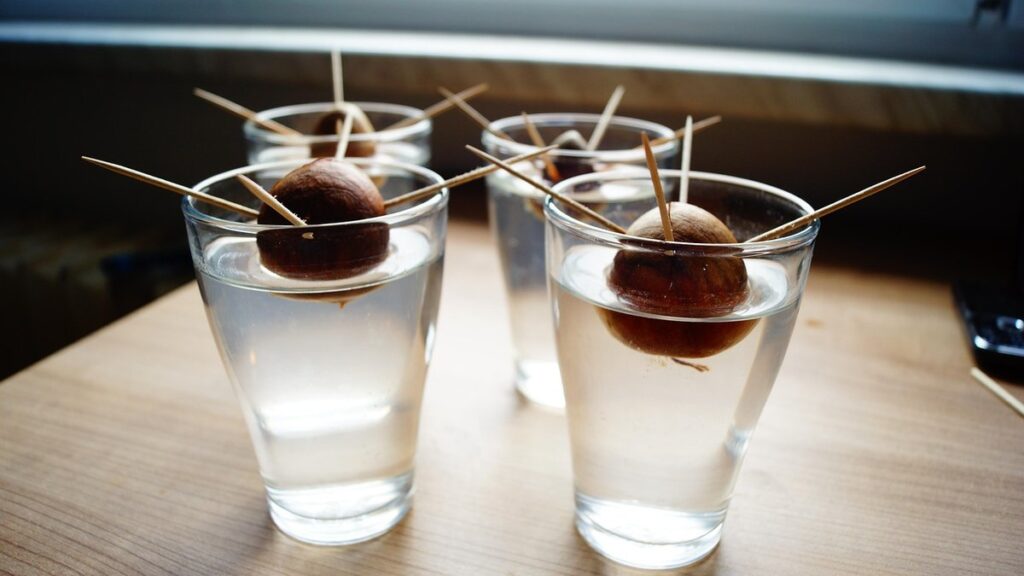
Choosing the Right Avocado Seed
When it comes to growing a healthy avocado tree from seed, selecting the right seed is crucial. This means choosing seeds that are plump and firm.
Selecting a Healthy Seed
When selecting a healthy avocado seed to plant, it’s essential to choose one that is free from signs of rot or mold. A healthy avocado seed should be firm and have a slight give when pressed gently between your fingers. If the seed feels soft or mushy, it may be too far gone to use.
Another critical factor to consider is the appearance of the seed. Look for seeds with a smooth, even surface, and avoid those with visible cracks or crevices where bacteria can enter. A healthy avocado seed should also have two small stem buds at one end – these will eventually grow into the roots and stem of your new tree.
To inspect the seed more closely, cut it in half lengthwise using a sharp knife or pruning tool. If you notice any green or white mold growing inside the seed, it’s best to discard it and choose another. Fresh, healthy seeds are crucial for successful germination and growth, so take the time to select one that will give your avocado tree the best possible start in life.
Removing the Pit from the Fruit
The pit, also known as the stone, is the hardest part of the avocado seed to remove. But don’t worry, with a little patience and care, you’ll be able to extract it safely. To begin, take the ripe avocado and gently twist the two halves in opposite directions until they separate.
Next, locate the pit and carefully insert a spoon or knife around its circumference. You can also use a specialized avocado pit remover tool for this step. Gently pry the pit out of one half of the fruit, taking care not to puncture it with your utensil. This process might take some effort, but be gentle – you don’t want to damage the seed.
Once you’ve successfully removed the pit from the avocado, rinse it under cool running water to remove any remaining pulp or fibers. Pat the seed dry with a clean cloth or paper towel to prevent bacterial growth. Your avocado seed is now ready for planting, and you can move on to the next step of preparing it for germination.
Preparing the Soil and Container
Before you can plant your avocado seed, it’s essential to prepare a healthy environment for it to grow. This means getting the soil and container just right.
Soil Requirements for Avocado Seeds
When it comes to planting avocado seeds, the soil requirements play a crucial role in their growth and development. You’ll want to use a well-draining potting mix that’s specifically designed for seed starting. A general-purpose potting mix can also work, but make sure it’s not too dense or heavy.
The ideal pH range for growing avocado seeds is between 6.0 and 7.0. If your tap water has high alkalinity (pH above 8), consider using filtered or rainwater to prevent root damage. Most commercial potting mixes have a slightly acidic to neutral pH, which should be suitable for avocado seedlings.
Keep in mind that avocado seeds prefer slightly acidic conditions, but the key is to maintain optimal drainage and aeration. Avoid using garden soil from your yard as it can compact and cause waterlogging issues. A potting mix with perlite or vermiculite will help improve drainage and prevent root rot.
Choosing the Right Container Size
When planting an avocado seed, choosing the right container size is crucial for its growth and development. A container that’s too small will limit the root system of the seedling, while one that’s too large can lead to waterlogged soil and other issues.
As a general rule, select a container that’s at least 6-8 inches deep and has drainage holes in the bottom. This size allows for about 2-3 months’ worth of growth before you’ll need to transplant the seedling into a larger container or directly into the ground. If you’re using a smaller container, you can always move the seedling up to a larger one once it outgrows its current space.
Consider a container made from breathable materials like terracotta or unglazed ceramic – these will help regulate moisture and prevent overwatering. Avoid plastic containers with no drainage holes, as they can lead to root rot and other problems.
Remember, the size of the container is directly related to the health and growth of your avocado seedling. By choosing a large enough container from the start, you’ll give your seedling the best chance at success.
Planting the Seed
Let’s get started on planting that avocado seed! This section will guide you through the process of creating a successful rooting system for your seed.
Method 1: Direct Sowing in Soil
Direct sowing is a simple and effective method for planting an avocado seed. To start, choose a container that’s at least 6-8 inches deep to accommodate the root system of the growing tree. Fill the container with a well-draining potting mix, leaving about 2-3 inches at the top for watering.
Place the avocado seed in the soil, making sure the pointed end is facing upwards and the flat end is buried about 1 inch deep. This will help promote rooting. Space the seed about 6-8 inches away from any other plants or objects to allow for proper growth.
As you gently bury the seed, make sure the surrounding soil is firm but not compacted. Water the soil gently but thoroughly, providing enough moisture to settle the soil around the seed. This method allows the seedling to grow its roots in the same position it will eventually occupy as a mature tree, which can be beneficial for its overall health and stability.
Keep the soil consistently moist during the first few weeks after planting, but avoid overwatering, which can lead to root rot.
Method 2: Using a Seed Starting Tray
Planting the seed in a seed starting tray is an excellent way to give it a head start on its journey. To begin, fill the seed starting tray with a well-draining potting mix, leaving about 1/4 inch of space between each cell. Gently place one avocado seed in each cell, making sure not to overcrowd them.
Water the seeds gently but thoroughly, and then provide adequate light – either from direct sunlight or grow lights. The ideal temperature for germination is around 65-70°F (18-21°C). Keep the tray moist but not waterlogged, as this can lead to root rot. Within 3-6 weeks, you should start seeing sprouts emerging.
Once the seedling has developed its first set of true leaves, it’s time to transplant it into a larger container. Choose a pot that is at least 6-8 inches deep, and fill it with a well-draining potting mix. Gently remove the seedling from its cell, taking care not to damage any roots. Plant it in the new pot, burying it up to the soil level of the original cell, and water thoroughly. This will provide your avocado plant with room to grow and develop a robust root system.
Providing Optimal Growing Conditions
Now that you’ve prepared your avocado seed, it’s time to focus on providing the right environment for healthy growth. This means creating optimal growing conditions to support its development into a strong and thriving tree.
Lighting Requirements for Avocado Seeds
Providing adequate light is crucial for avocado seedlings to grow and develop properly. Avocado seeds require bright, indirect light to germinate and establish themselves, but direct sunlight can be too intense and may cause scorching.
When it comes to natural lighting, east- or west-facing windows are ideal, as they provide gentle, indirect light throughout the day. If you don’t have a suitable window location, consider using grow lights. These artificial lighting options come in various forms, including LED, fluorescent, and halogen bulbs.
For optimal growth, place your avocado seedling 12-18 inches away from the light source. This distance allows for sufficient light to promote photosynthesis without causing damage. Some popular LED grow light options include those with a spectrum of 400-700nm, which mimic natural sunlight.
Monitor your seedling’s response to different lighting conditions and adjust accordingly. Be cautious not to over-expose your avocado seedling to direct sunlight or artificial lights, as this can lead to burning or stunted growth.
Watering and Humidity Tips
To maintain optimal watering and humidity levels for healthy seedling growth, make sure to monitor the soil moisture closely. Stick your finger into the soil up to the first knuckle, and if the soil feels dry, it’s time to water. Water thoroughly until you see water coming out of the drainage holes in the pot.
Aim to maintain a humid environment around 50-60% relative humidity, especially during the first few weeks after germination. You can achieve this by placing the seedling on a tray filled with water and pebbles or using a humidifier nearby. Keep in mind that avocado seedlings are sensitive to overwatering, so be cautious not to let the soil get too soggy.
Maintain a consistent temperature between 65-75°F (18-24°C) and provide bright, indirect light. Avoid placing your seedling near direct sunlight or drafty windows, as this can cause stress and hinder growth. Check the soil moisture daily, and adjust watering accordingly. By following these tips, you’ll create an optimal environment for your avocado seedling to thrive and grow into a healthy tree.
Common Issues and Troubleshooting
If you’re running into problems while planting your avocado seed, don’t worry – we’ve got solutions to common issues and troubleshooting tips right here. Let’s dive in and fix those pesky problems together!
Identifying Signs of Stress or Disease
When it comes to planting an avocado seed, one of the most critical factors is identifying signs of stress or disease early on. Avocado seedlings are prone to certain issues that can affect their growth and ultimately lead to their demise if left unchecked.
Some common signs of stress in avocado seedlings include yellowing leaves, wilting, and stunted growth. These symptoms can be caused by a variety of factors such as overwatering, underwatering, or exposure to extreme temperatures. On the other hand, disease symptoms can manifest as black spots on the leaves, white powdery patches, or soft, mushy stems.
To troubleshoot these issues, it’s essential to monitor your seedling regularly and take corrective action promptly. Make sure the soil is consistently moist but not waterlogged, and provide adequate light and temperature control. If you notice any disease symptoms, isolate the affected plant immediately and treat with a fungicide specifically designed for avocado trees.
By staying vigilant and taking swift action when issues arise, you can give your avocado seedling the best chance to thrive.
Preventing Pests and Diseases
When planting an avocado seed, it’s essential to take preventive measures against pests and diseases that can harm your young tree. One of the most common issues is root rot, which can be caused by overwatering or poor drainage. To prevent this, make sure the container has good drainage holes and avoid watering too frequently.
To control pests like aphids, whiteflies, and spider mites, you can use organic methods such as introducing beneficial insects like ladybugs or lacewings to your garden. You can also spray neem oil or insecticidal soap on the leaves and stems of your seedling. For more severe infestations, chemical control methods may be necessary.
Some common diseases that affect avocado trees include root rot, leaf spot, and fruit rot. To prevent these, ensure good air circulation around your seedling and avoid overhead watering. You can also treat fungal infections with fungicides like copper or sulfur-based products. Keep in mind that these chemicals should only be used as a last resort, as they can harm the environment and contaminate soil.
Regular monitoring of your seedling will help you catch any issues early on, allowing for timely intervention to prevent damage.
Transplanting the Seedling to a Larger Container
Now that your seedling is growing strong, it’s time to give it more room to spread its roots. This next step involves transplanting it into a larger container for better growth and stability.
Timing and Technique for Transplanting
Transplanting the seedling to a larger container is an essential step in its growth and development. When you’ve grown the seedling to about 6-8 inches tall, it’s time to transplant it into a bigger pot with more room for its roots.
To do this successfully, prepare a new container that’s at least one to two sizes larger than the current one. Fill it with well-draining soil, and make sure the soil is moist but not waterlogged. Gently remove the seedling from its old pot, taking care not to disturb the delicate roots.
When handling the roots, remember that avocado trees prefer a slightly acidic soil pH. Avoid exposing the roots to direct sunlight or high temperatures during this process. Trim any weak or damaged roots with sterile scissors or pruning shears, and then plant the seedling at the same depth as it was in its old pot.
Water the new soil gently but thoroughly, and keep the soil consistently moist but not waterlogged. This will help your avocado tree establish itself in its new home and thrive over time.
Providing Support for Tall Plants
As you nurture your avocado seedling, it’s essential to provide support for tall or leggy plants. This is especially true for varieties like ‘Bacon’ and ‘Winter Mexican’, which can grow quite vigorously. Staking is a simple yet effective way to keep your plant upright.
When staking, choose a sturdy stake that’s at least 6-8 inches taller than the plant. Gently tie the stem to the stake using soft material like twine or cloth, making sure not to constrict the stem. This will give your plant the support it needs without restricting growth.
Pruning is another crucial technique for promoting healthy growth and preventing legginess. Remove any weak or spindly growth, and trim back the top of the plant by about one-third. This encourages bushy growth and prevents your plant from becoming too top-heavy. By staking and pruning regularly, you’ll be able to enjoy a strong, balanced avocado tree that’s well-equipped to thrive in its new container.
Caring for Your Mature Avocado Tree
Now that you’ve successfully planted your avocado seed, it’s time to think ahead and learn how to care for a mature tree that will continue to thrive in your garden. Proper care will ensure a bountiful harvest of delicious avocados.
Fertilization and Pruning Schedule
Regular fertilization and pruning are essential for maintaining a healthy mature avocado tree. As your tree grows, it will require more nutrients to produce fruit and maintain its structure. A well-fertilized tree will have healthier leaves, better pest resistance, and increased fruit production.
Here’s a general fertilization schedule for your mature avocado tree: apply a balanced fertilizer (10-10-10 NPK) in early spring, following the manufacturer’s instructions for application rates. You can also add organic matter like compost or well-rotted manure to improve soil fertility. For pruning, inspect your tree regularly and remove any dead, diseased, or damaged branches. Prune during dormancy (winter or early spring) to minimize stress on the tree.
Some key pruning tasks include:
* Removing lower branches to allow for air circulation and reduce disease risk
* Thinning out the canopy to increase sunlight penetration
* Removing water sprouts (shoots growing from the trunk or branches)
* Training the tree’s leader to a single stem
By following this schedule, you’ll be able to maintain your mature avocado tree’s health and encourage fruit production.
Pest and Disease Management in Mature Trees
As your avocado tree matures, it will inevitably face challenges from pests and diseases. Regular monitoring is crucial to prevent infestations and infections that can significantly impact fruit production. Common pests affecting mature avocado trees include the avocado thrip, avocado lace bug, and avocado root weevil.
To manage these issues, adopt an integrated pest management (IPM) approach, which involves a combination of techniques such as cultural controls, biological controls, and chemical controls. Cultural controls involve practices like pruning to promote air circulation and reducing water stress. Biological controls may include introducing natural predators or parasites that target pests. Chemical controls should be used as a last resort and according to the product’s instructions.
For diseases like root rot and leaf spot, ensure proper watering and fertilization practices. Regularly inspect your tree for signs of infestation or infection and take swift action if you notice any issues. Consider consulting with local nurseries, gardening experts, or horticultural services for personalized advice on pest and disease management tailored to your region’s climate and conditions.
Frequently Asked Questions
What if I accidentally leave the avocado seed exposed to direct sunlight or extreme temperatures during the germination process?
This can indeed be detrimental, as avocado seeds require a specific temperature range (around 65-75°F) and indirect light to germinate successfully. If you suspect your seed has been exposed to excessive heat or cold, monitor its progress closely for any signs of stress, such as slow growth or discoloration.
How long does it typically take for an avocado seedling to outgrow the container, and what are the best indicators that it’s time for transplanting?
Yes. Avocado seedlings usually need to be transplanted every 6-12 months as they grow, depending on their size and root development. Watch for signs like the roots growing through the drainage holes or the tree becoming pot-bound (where the soil has become too dense).
Can I use a regular store-bought potting mix for my avocado seedling, or do I need to create a custom blend?
While you can use a standard potting mix as a starting point, it’s recommended to add some additional ingredients like perlite or vermiculite to improve drainage and aeration around the roots. This will help your tree grow healthy and strong.
How often should I water my avocado seedling after transplanting, and what are the warning signs of overwatering?
Water your newly transplanted avocado seedling thoroughly, then allow the top 1-2 inches of soil to dry out between waterings. Be cautious not to overwater – common signs include yellowing leaves or a droopy appearance.
Can I grow multiple avocado trees from the same seed, or should I use separate seeds for each tree?
It’s technically possible to grow multiple trees from the same seed, but the resulting offspring might exhibit reduced vigor and genetic diversity. To ensure healthier, more robust trees, it’s best to plant a new seed for each desired tree.