
Growing your own bell peppers can be a truly rewarding experience, especially when you get to enjoy the fruits of your labor (pun intended!) fresh from your own garden. But let’s face it: growing bell peppers can be a bit intimidating if you’re new to gardening. There are so many varieties to choose from, and not all of them will thrive in every climate or soil type. That’s why we’ve put together this comprehensive guide on how to grow bell peppers successfully. In the following article, we’ll walk you through the essential steps, including selecting the right variety for your garden, preparing the perfect soil, sowing seeds at the right time, and of course, caring for your plants until they’re ready to harvest. Whether you’re a seasoned gardener or just starting out, this guide has everything you need to know to grow delicious bell peppers all season long.
Choosing the Right Variety
When growing bell peppers, selecting the right variety is crucial for a bountiful harvest and optimal flavor. Let’s explore the factors to consider in choosing the perfect bell pepper variety for your garden.
Understanding Bell Pepper Types
When selecting bell pepper varieties for your garden, it’s essential to understand the different types available. There are primarily three categories: sweet bell peppers, hot bell peppers, and hybrid varieties.
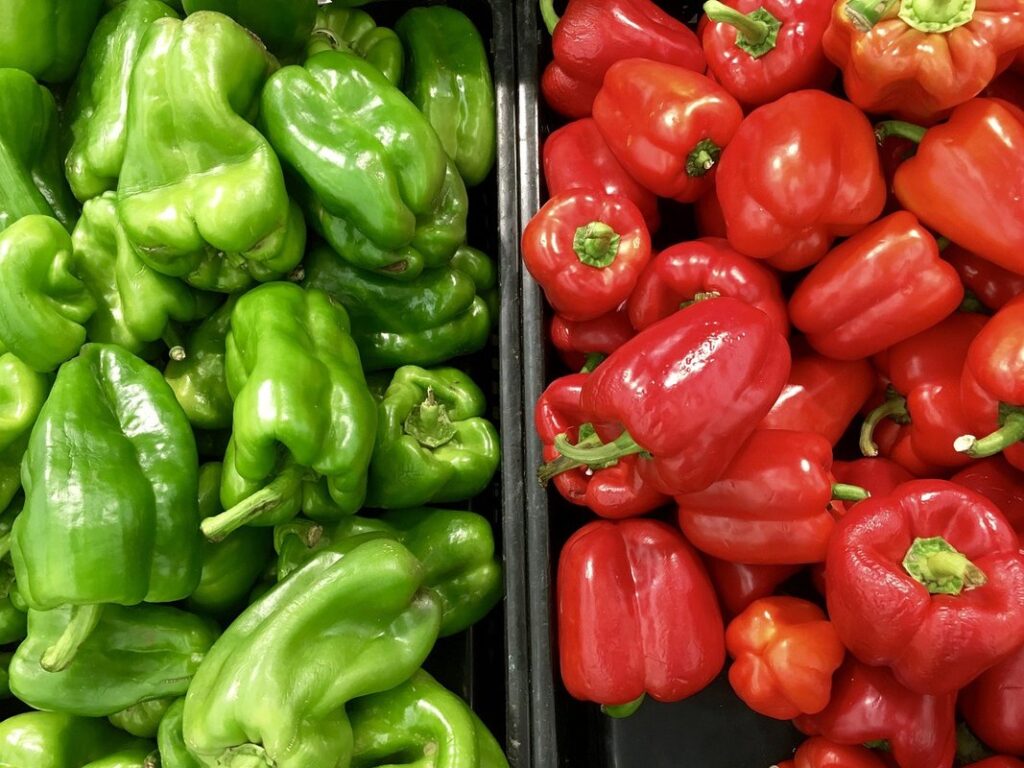
Sweet bell peppers are characterized by their mild flavor and crunchy texture. They come in a range of colors, including green, red, yellow, orange, and purple. These peppers are perfect for snacking, salads, and adding color to dishes. For example, the ‘California Wonder’ variety is a popular choice among gardeners due to its high yields and sweet taste.
Hot bell peppers, on the other hand, have a spicy kick that adds heat to any dish. They come in varying degrees of intensity, from mild to extremely hot. The ‘Jalapeno’ and ‘Cayenne’ are two common varieties used in cooking. When choosing hot peppers, consider your personal tolerance for spice.
Hybrid bell pepper varieties combine the best traits of sweet and hot peppers. They offer higher yields, disease resistance, and improved flavor profiles. Some popular hybrid varieties include ‘Bell Boy’ and ‘Sweet Baby’. These hybrids can be a great choice for gardeners looking to add some excitement to their harvests.
Factors Influencing Variety Selection
When choosing a bell pepper variety, it’s essential to consider the factors that will impact its growth and performance. Climate plays a significant role in determining which variety is best suited for your region. For example, if you live in a hot and dry climate, you’ll want to opt for a heat-tolerant variety like ‘California Wonder’ or ‘Bell Boy’, which can thrive in temperatures above 85°F (30°C). On the other hand, if you live in a cooler climate, look for varieties that mature quickly, such as ‘Early Wonder’ or ‘Baby Bell’.
Soil type is another critical factor to consider. If your soil is heavy clay or sandy, choose a variety that’s more adaptable to those conditions. For instance, ‘Red Knight’ and ‘Purple Beauty’ are great options for growers with challenging soils. Additionally, consider the available space in your garden when selecting a variety. Compact varieties like ‘Thai Hot’ and ‘Sweet Mini Bell’ are perfect for small spaces or containers.
Ultimately, understanding these factors will help you choose a bell pepper variety that’s tailored to your specific growing conditions, ensuring a bountiful harvest.
Preparing the Soil
Before we start planting, it’s essential to prepare the soil for bell peppers by loosening and aerating it, ensuring good drainage and optimal nutrient levels. This simple step sets the foundation for a healthy crop.
Assessing Your Garden’s pH Level
When it comes to growing bell peppers, the soil’s pH level plays a crucial role in determining their health and productivity. Bell peppers prefer a slightly acidic to neutral soil pH, ranging from 6.0 to 7.0. To determine your garden’s pH level, you’ll need to test the soil. You can purchase a DIY soil testing kit or send a sample to a laboratory for analysis.
A simple pH meter is another option, which provides quick and accurate results. Once you have your pH reading, you can adjust it if necessary. If your soil is too acidic (below 6.0), add lime to raise the pH. Conversely, if your soil is too alkaline (above 7.0), incorporate sulfur or peat moss to lower the pH.
It’s essential to make adjustments gradually and monitor the pH level closely. A sudden change can shock the soil microbiome, leading to poor growth or even plant death. For example, adding too much lime at once can cause the soil to become over-saturated with calcium, which can be detrimental to bell pepper growth. By understanding your garden’s pH level and making targeted adjustments, you’ll create an optimal environment for your bell peppers to thrive.
Adding Organic Matter and Fertilizers
When growing bell peppers, it’s essential to create a nutrient-rich soil environment that supports healthy growth and optimal production. To achieve this, incorporating organic matter and fertilizers into your soil preparation routine is crucial. Organic matter such as compost, well-rotted manure, or peat moss helps improve soil structure, increases its water-holding capacity, and provides essential micronutrients.
Start by adding a 2-inch layer of organic matter to the topsoil, mixing it thoroughly to ensure even distribution. For optimal results, use a combination of compost and well-rotted manure as this will provide a balanced blend of nutrients. You can also add fish emulsion or alfalfa meal for an extra nitrogen boost.
Aim to apply 1-2 pounds of fertilizer per 10 square feet of soil, depending on your bell pepper variety’s nutrient requirements. For example, sweet bell peppers require less nitrogen than hot peppers do. Consider using a slow-release fertilizer that releases nutrients over time to avoid over-fertilization and promote sustained growth.
When choosing fertilizers, opt for organic options like bone meal or kelp meal, which release nutrients slowly as they break down. Avoid over-reliance on synthetic fertilizers as these can deplete soil quality in the long run.
Sowing Bell Pepper Seeds
To ensure successful bell pepper growth, it’s essential to sow seeds at the right depth and spacing for optimal germination and healthy development. Follow these steps for sowing bell pepper seeds indoors.
Seed Selection and Handling
When it comes to sowing bell pepper seeds, selecting high-quality seeds is crucial for optimal germination rates. Look for reputable seed suppliers that specialize in vegetable seeds, such as those from the National Seed Exchange or online marketplaces like Burpee. Check the seed package for freshness and quality guarantees. Seeds that are at least two years old should be avoided, as their viability decreases over time.
Proper storage and handling of seeds are also essential to ensure optimal germination rates. Store seeds in an airtight container in the refrigerator to maintain optimal moisture levels. Keep them away from direct sunlight and heat sources. When handling seeds, make sure your hands are clean and dry to prevent contamination. Handle the seeds gently to avoid damaging the delicate embryo inside.
For best results, sow bell pepper seeds indoors 8-10 weeks before the last frost date in your area. Use seed starting mix specifically designed for indoor seedlings and maintain a consistent temperature between 70-80°F (21-27°C). This will give the seeds the best chance to germinate and develop into healthy seedlings.
Planting Techniques for Maximum Yield
When planting bell pepper seeds, it’s essential to follow some best practices to ensure maximum yield. If you’re sowing seeds indoors, start by filling seed trays with a good quality seed starting mix. Plant the seeds ¼ inch deep and 1-2 inches apart from each other. Keep the soil consistently moist but not waterlogged. Once the seedlings have two sets of leaves, transplant them into individual pots or cell packs.
For direct sowing in your garden, wait until the soil has warmed up to at least 60°F (15°C). Plant the seeds 1-2 inches deep and 3-4 inches apart from each other. This will give the seedlings enough space to grow without becoming overcrowded. Water gently but thoroughly after planting, and keep the soil consistently moist during the first few weeks after sowing.
In both cases, it’s crucial to provide adequate support for the seedlings as they grow. You can use tomato cages or trellises to keep the plants upright and promote even growth. By following these simple steps, you’ll be well on your way to growing healthy and productive bell pepper plants.
Caring for Bell Pepper Plants
Now that you’ve got your bell pepper plants growing, it’s time to focus on caring for them properly. This section will cover the essential tips and techniques to keep them thriving.
Watering Strategies for Optimal Growth
Maintaining consistent moisture levels is crucial for bell pepper plants to thrive. Aim to provide about 1-2 inches of water per week, either through rain or irrigation. However, it’s not just about watering frequency – you also need to consider the soil type and container size.
When using containers, make sure they have good drainage holes to prevent waterlogged soil. If your bell pepper plants are pot-bound, it may be necessary to repot them in a larger container with fresh soil. This will help prevent root rot and other issues that arise from excess moisture.
Watering at the right time is also essential. Avoid watering during the hottest part of the day to minimize evaporation and reduce the risk of fungal diseases. Instead, water your bell pepper plants in the early morning or evening when the temperature cools down. This will give the plants enough time to absorb the water before nightfall.
To further reduce water waste, consider using a drip irrigation system or soaker hose. These systems deliver water directly to the roots, reducing runoff and evaporation. Regularly checking the soil moisture by inserting your finger into the soil can also help you determine when it’s time to water again.
Managing Pests and Diseases
As you care for your bell pepper plants, it’s essential to be aware of common pests and diseases that can affect their health. One of the most prevalent issues is aphids, tiny sap-sucking insects that can spread disease and weaken plants. To prevent infestations, inspect your plants regularly and use neem oil or insecticidal soap to control populations.
Powdery mildew is another widespread problem, characterized by a white, powdery coating on leaves and stems. This fungal disease thrives in humid environments, so ensure good air circulation around your plants and avoid overhead watering. Remove infected areas and treat with fungicides if necessary.
To prevent pests and diseases from taking hold, maintain healthy soil through regular fertilization and composting. Crop rotation can also help break the life cycle of pests. For severe infestations or infections, consult local gardening experts or consider using biological controls like ladybugs or beneficial nematodes to restore balance to your garden.
Monitor your plants closely for early signs of distress, such as yellowing leaves or curled stems. Early intervention is key in managing pest and disease issues, so stay vigilant and adapt treatment strategies accordingly.
Supporting Bell Pepper Growth
Now that you’ve got your bell pepper seeds germinating, it’s time to focus on giving them the best support for optimal growth. In this crucial phase, we’ll cover the essential techniques for supporting bell pepper plants.
Pruning Techniques for Increased Yield
When it comes to growing bell peppers, pruning is an essential technique that can significantly impact plant structure and fruiting. Regular pruning helps promote healthy growth, encourages bushy plants, and directs the energy towards producing more flowers and fruits.
To begin with, remove lower leaves as they emerge from the pot or garden bed. This not only improves air circulation but also prevents fungal diseases from developing. Next, identify the main stem and allow it to grow upright, supporting it with a stake if necessary. Remove any weak or spindly growth, and trim back lateral branches to encourage bushy growth.
Prune off weak or damaged flowers to direct energy towards healthier ones. This will result in more fruiting and better yields. For bell pepper plants that are more vigorous, prune the tips of the main stem to control their height and promote branching. By doing so, you can ensure a balanced plant structure, which is crucial for increased fruit production.
By pruning regularly, you can expect a 20-30% increase in yields.
Using Supports for Large Plants
As bell pepper plants mature and grow larger, they can start to become top-heavy and prone to wind damage. This is especially true for compact varieties that produce high yields. To prevent this from happening, it’s essential to provide support using trellises or stakes.
When to use supports depends on the variety of bell pepper you’re growing and its growth habits. If your plant has a single stem with multiple branches, a stake can be an effective solution. Simply drive the stake into the ground beside the plant and tie the main stem to it using twine or a soft material like cloth.
For more sprawling varieties, a trellis is usually the better choice. You can place the trellis near the plant and gently guide its stems through the openings as they grow. This will help keep the foliage upright and encourage the plant to produce more fruit. By providing support for your bell pepper plants, you’ll not only maintain their stability but also promote healthy growth and prevent damage from wind or rain.
Harvesting Bell Peppers
Now that your bell pepper plants are thriving, it’s time to harvest them at their peak sweetness and flavor. Learn when and how to pick those ripe peppers for a successful crop.
Determining Ripeness and Quality
When it comes to harvesting bell peppers, timing is everything. You’ll know your bell peppers are ready when they reach their full color and have a slight give when pressed. This is often the case for sweet bell peppers, which turn from green to vibrant colors like red, orange, or yellow as they ripen.
For some varieties of bell peppers, like purple or brown ones, you may not notice a significant change in color. In these cases, focus on checking for the right firmness instead. Gently press the pepper; it should yield slightly to pressure but still feel firm. If it’s too soft or mushy, it’s past its prime.
Keep an eye on your bell peppers’ size as well – they’ll typically reach their maximum size when they’re ready to pick. Inspect them regularly, and you’ll know exactly when to harvest for the best flavor and texture.
Storage and Handling Techniques
When you’ve finally harvested those beautiful bell peppers from your garden, it’s essential to store them properly to maintain their quality and shelf life. Bell peppers are highly perishable, so how you handle and store them can significantly impact their flavor and texture.
To keep your fresh-picked bell peppers in the best condition, make sure to:
* Store them away from direct sunlight and heat sources
* Keep them dry and cool, ideally between 32°F and 50°F (0°C and 10°C)
* Don’t wash them before storing; instead, gently brush off any dirt or debris with a soft-bristled brush
If you want to preserve your bell peppers for future use, consider freezing or canning them. Freezing helps retain the peppers’ crunchy texture and bright color, while canning allows for long-term storage in airtight jars. To freeze, blanch the peppers for 2-3 minutes, then package them in airtight containers or freezer bags. For canning, follow tested canning guidelines to ensure proper acidity levels and jar preparation.
By following these simple storage and preservation techniques, you’ll be able to enjoy your bell pepper harvest throughout the year.
Frequently Asked Questions
How do I know if my bell pepper plants are receiving enough light?
Yes, to ensure your bell pepper plants receive sufficient light, choose a spot that receives direct sunlight for at least 6 hours a day. If this isn’t possible, consider using grow lights to supplement natural light. This will promote healthy growth and prevent deficiencies.
Can I grow bell peppers in containers if my garden space is limited?
Yes, you can definitely grow bell peppers in containers! Just ensure the container is at least 5-7 gallons in size and has good drainage holes. Use a well-draining potting mix and follow the same care instructions as for in-ground plants.
What’s the best way to support my large bell pepper plants as they grow?
You can use tomato cages, trellises, or stakes to provide support for your larger bell pepper plants. This will help keep them upright and promote even growth. Make sure to install the supports early on when the plants are still small.
How often should I fertilize my bell pepper plants for optimal growth?
Fertilize your bell pepper plants regularly, but avoid over-fertilizing. A balanced fertilizer (10-10-10) will suffice. Feed them once a month during the growing season to promote healthy growth and fruit production.
Can I grow bell peppers in areas with extreme weather conditions?
While bell peppers can tolerate some extreme temperatures, they do best in areas with mild winters and cool summers. If you live in an area prone to frost or intense heatwaves, consider using row covers or other protective measures to safeguard your plants.
How do I know if my bell pepper plants have pest or disease issues?
Regularly inspect your plants for signs of pests or diseases such as yellowing leaves, black spots, or white powdery coatings. Research common issues and take action promptly to prevent the problem from spreading.