
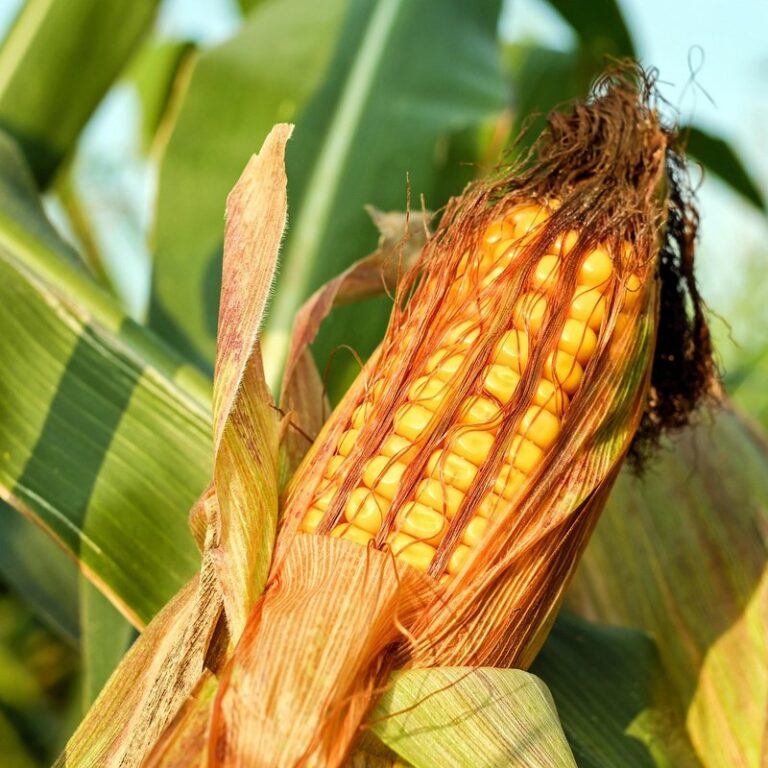
Corn is one of the most versatile and widely grown crops in the world, with over 100 different varieties to choose from. From the sweet, juicy kernels we enjoy as corn on the cob to the fluffy, crunchy goodness that makes up our favorite snack – popcorn – there’s a type of corn to suit every need and taste. But did you know that some types of corn are specifically bred for their drought-tolerant characteristics, making them perfect for water-conscious farmers? Others are designed for ornamental purposes, adding a pop of color and texture to gardens and landscapes. In this comprehensive guide, we’ll take a closer look at the fascinating world of corn, exploring its many varieties, uses, and benefits, and highlighting what sets each type apart.
Introduction to Corn Varieties
Corn comes in a stunning array of varieties, each with its own unique characteristics and uses. Let’s explore some of the most popular types of corn found around the world.
Brief History of Corn Domestication
Corn has a rich history that spans over 9,000 years, with its domestication believed to have occurred in Mesoamerica, specifically in modern-day Mexico and Central America. The wild ancestor of corn is thought to be teosinte, a grass-like plant with hard, fibrous seeds. Through selective breeding by ancient farmers, these early crops gradually evolved into the diverse range of corn varieties we see today.
These early cultivators were attracted to teosinte’s ability to produce large quantities of edible starch, which was easier to process and store than other wild grains. Over time, they began to select and breed plants with desirable traits such as larger kernels, sweeter taste, and improved yield. This selective breeding led to the development of maize, a distinct species from teosinte that could be cooked and consumed in various ways.
The earliest evidence of corn domestication dates back to around 7,000 years ago, during the Archaic period in North America. From there, it spread throughout the Americas, becoming an integral part of many ancient cultures. As civilizations developed and trade routes expanded, corn cultivation was introduced to new regions, where it continued to evolve and adapt to local environments. Today, corn is one of the most widely grown crops globally, with its versatility and nutritional value making it a staple in many cuisines around the world.
Importance of Understanding Corn Types
Understanding different types of corn is crucial for agriculture, food production, and consumer choice. As corn is one of the most widely cultivated crops globally, it’s essential to grasp the various characteristics that distinguish each type.
Each corn type has its unique growth habits, nutritional profiles, and uses in food processing. For instance, dent corn is primarily used as animal feed or for ethanol production, while sweet corn is bred for its sugary kernels and consumed fresh or canned. Waxy corn, on the other hand, contains a higher percentage of amylopectin, making it ideal for Asian-style dishes where texture plays a key role.
Farmers, food manufacturers, and consumers alike can benefit from understanding these differences. By selecting the right type of corn, farmers can optimize yields and reduce production costs. Food producers can create products tailored to specific markets, while consumers can make informed choices about the types of corn used in their food. This knowledge also allows for more efficient supply chain management and better decision-making during crop selection and harvest planning.
Sweet Corn Varieties
Let’s take a closer look at some of the most popular and delicious sweet corn varieties, each with its unique characteristics and growing conditions. From Silver Queen to Golden Bantam, we’ll explore them all!
Characteristics of Sweet Corn
Sweet corn is one of the most popular and widely consumed types of corn globally. Its distinct characteristics set it apart from other varieties, making it a staple in many cuisines. One of the defining features of sweet corn is its high moisture content, typically ranging between 65% to 75%. This high water content contributes to its tender and soft texture, which is often described as “juicy” or “plump.”
The natural sweetness of sweet corn is another notable characteristic. It contains a higher concentration of sugars than other types of corn, particularly in the kernel’s starch-rich endosperm. This unique composition makes sweet corn perfect for consuming at its peak ripeness, when it’s still slightly tender and bursting with flavor.
When selecting sweet corn, look for ears with tightly packed, green husks and moist kernels. Avoid those with dry or wilted leaves, as they may be past their prime. By choosing the right sweet corn variety and handling it properly, you can bring out its natural sweetness and enjoy it in a wide range of dishes – from classic summer grills to creative salads and soups.
Examples of Popular Sweet Corn Varieties
Sweet corn varieties come in a range of flavors and textures that can enhance the experience of eating fresh corn. Some well-known sweet corn varieties are worth trying for their unique characteristics. ‘Silver Queen’, a heritage variety from the US, is prized for its large kernels and tender texture. This heirloom variety is often sought after by gardeners who appreciate its rich flavor.
Another popular choice is ‘Golden Bantam’, an English heirloom that’s known for its golden color and sweeter taste than many other varieties. It has a unique shape with large, creamy ears that are perfect for grilling or boiling. Those looking for a sweeter corn variety might prefer ‘Honey & Cream’, which boasts rich, buttery flavor and large kernels.
When selecting a sweet corn variety to plant in your garden, consider the climate and growing conditions you have available. Some varieties perform better in cooler temperatures while others thrive in warmer climates. With so many options to choose from, there’s no shortage of delicious possibilities when it comes to growing your own sweet corn at home.
Popcorn Varieties
When it comes to popcorn varieties, you’ll be delighted by the diversity of flavors and textures available, each perfect for a specific occasion or craving. From classic butter and salt to gourmet options like truffle parmesan.
Unique Characteristics of Popcorn
Popcorn’s unique characteristics make it the perfect candidate for popping. One of its key features is its hard outer shell, which protects the soft inner starch from moisture and heat damage. This combination allows popcorn to withstand high temperatures without turning into a mushy mess. When heated, the water inside the kernel turns into steam, building up pressure until the shell cracks open, releasing the fluffy interior.
This process is made possible by the kernel’s hard outer layer, which contains a small amount of moisture and a larger amount of starch. The starch is essentially a complex carbohydrate that converts to sugar when heated, contributing to popcorn’s signature sweetness. In contrast, other types of corn lack this perfect balance of hardness and softness, making them less suitable for popping.
To take advantage of popcorn’s unique characteristics, it’s essential to use the right type of corn for popping. Look for kernels with a high moisture content (around 14%) and a hard outer shell. Avoid using corn that’s been over-dried or has an uneven texture, as these will not produce optimal results. By selecting the right corn and following proper popping techniques, you can unlock the full potential of this beloved snack.
Popular Popcorn Varieties
Popcorn varieties have been delighting people for centuries with their unique flavors and textures. Let’s explore some popular popcorn varieties that are widely enjoyed.
‘Mushroom’ popcorn is a classic variety known for its large, fluffy kernels that burst into big pieces when popped. Its name comes from the characteristic mushroom-like shape of the ears of corn from which it’s harvested. This variety has been a staple in many movie theaters and at-home snacking sessions due to its ease of popping and mild flavor.
Another popular popcorn variety is ‘Butterfly’, also known as ‘Butterfly Wing’. Its unique feature lies in the butterfly-shaped kernels that have a delicate wing-like appearance before they pop. This variety has a sweeter, nuttier taste than some other popcorn varieties and pairs well with seasonings like butter, salt, or herbs.
Last but not least, we have ‘Japanese Hulless’, which stands out for its lack of hulls – the outer covering of the kernel that normally gets inedible when popped. This variety is prized for its delicate flavor and crunchy texture, making it a favorite among chefs and home cooks alike.
Drought-Tolerant Corn Varieties
As you explore different types of corn, it’s essential to know that some varieties are better suited for water-scarce regions than others. We’ll take a closer look at drought-tolerant corn varieties and their characteristics.
Development of Drought-Tolerant Corn
Developing drought-tolerant corn varieties has become increasingly important due to rising concerns about water scarcity and its impact on global food security. Researchers have been working tirelessly to develop new breeds that can thrive under conditions of limited water supply.
One of the key breakthroughs in this area is the discovery of genes responsible for drought tolerance, such as those found in certain wild corn species. These genes have been introduced into commercial corn varieties through a process called genetic modification. This has enabled farmers to cultivate crops that require less water while maintaining high yields.
Field trials have shown promising results with some drought-tolerant corn varieties yielding up to 30% more than traditional breeds under similar conditions. For instance, a study conducted in Africa demonstrated that drought-tolerant corn outperformed conventional varieties by an average of 23%. As the global population continues to grow, developing these types of crops is crucial for meeting food demands sustainably.
Examples of Drought-Tolerant Corn Varieties
Some corn varieties are more resilient to drought conditions than others. If you’re looking for high-yielding options that can perform well even when water is scarce, consider the following drought-tolerant corn varieties.
DroughtGard 2.0 is one example of a hybrid variety bred specifically to resist moisture stress. Developed by Monsanto (now part of Bayer), this corn has shown improved yields in trials across several regions, including the Great Plains and Midwest. It also offers better ear formation and fewer stalk lodging issues.
Another option is WaterMax, which boasts increased drought tolerance due to its deep root system. This trait allows it to access more water from deeper soil layers when surface moisture is low. Research has demonstrated that WaterMax yields up to 25% more than similar varieties in dry conditions.
When choosing a drought-tolerant corn variety for your region, consider factors such as climate, soil type, and historical rainfall patterns. Consult with local experts or extension services to determine the best fit for your specific needs.
Ornamental Corn Varieties
Ornamental corn varieties are not only beautiful but also surprisingly versatile, adding a pop of color to your garden and home decor. From vibrant hues to intricate patterns, we’ll explore these stunning options together.
Unique Uses for Ornamental Corn
Ornamental corn is often overlooked as a versatile and beneficial addition to gardens and landscaping. Not only does it add a pop of color and texture, but its uses extend far beyond mere aesthetics. One of the unique benefits of ornamental corn is its ability to attract pollinators such as bees and butterflies, making it an excellent choice for those looking to create a wildlife-friendly garden.
Its decorative value lies in its vibrant colors and intricate patterns, which can add visual interest to borders, containers, and even indoor spaces. To incorporate ornamental corn into your landscape design, consider planting it in clusters or groupings for maximum impact. You can also use it as a filler plant, tucking it among larger plants or flowers for a beautiful blend of textures.
Some varieties of ornamental corn are specifically bred to thrive in containers, making them perfect for patios and small spaces. When growing ornamental corn, be sure to provide full sun and well-draining soil to promote healthy growth.
Examples of Popular Ornamental Corn Varieties
Ornamental corn varieties are prized for their vibrant colors and unique shapes. One popular variety is ‘Gourds’, known for its bi-colored kernels that resemble a miniature pumpkin. This type of ornamental corn is perfect for adding a whimsical touch to fall arrangements or decorating the home during the holiday season.
Another well-known variety is ‘Frosted Coral’, which boasts delicate, coral-pink kernels with a subtle sheen. These ornamental ears are ideal for creating stunning centerpieces or adding a pop of color to autumnal wreaths.
For a more classic look, consider ‘Stowell’s Evergreen’, a sweet corn heirloom that produces rich green kernels with a hint of yellow. This variety is perfect for using in dried flower arrangements or as a decorative accent in fall-themed decor.
When selecting ornamental corn varieties, keep in mind the unique characteristics and uses of each type to ensure you choose the one that best fits your design needs.
Specialty Corn Varieties
You’re probably curious about the unique characteristics of specialty corn varieties, and we’ve got you covered! From sweet popcorn to ornamental corn, let’s dive into these fascinating types.
Heirloom and Heritage Corn
Heirloom and heritage corn varieties are prized for their unique characteristics, rich history, and often, exceptional taste. These traditional corn types have been cultivated for generations, with some dating back to the 18th century. One notable example is the ‘Country Gentleman’ heirloom variety, known for its high yields and robust stalks.
To preserve these special corn varieties, many farmers and gardeners are turning to seed saving and exchange programs. These initiatives allow breeders to collect and document seeds from mature plants, helping to safeguard their genetic integrity. By doing so, they ensure that the unique traits of these heirloom and heritage corn varieties will continue to thrive.
Some key preservation efforts include:
* The Seed Savers Exchange, a non-profit organization dedicated to preserving crop diversity
* The Heirloom Gardener’s Guide to Saving Seeds, which offers practical advice on seed saving techniques
* Local farmers’ markets and online forums where gardeners can share knowledge and resources
When growing heirloom and heritage corn varieties, it’s essential to follow traditional cultivation methods to preserve their unique characteristics. This includes selecting seeds from mature plants, using organic farming practices, and maintaining careful records of crop performance.
Other Specialty Corn Varieties
Beyond the popular ‘Sweet’ and ‘Popcorn’ corn varieties, there are several other specialty corn types that have gained significant attention for their unique characteristics and uses. ‘Waxy’ corns, for instance, boast a high starch content, making them ideal for canning and freezing due to their firm texture. These corns hold their shape well when cooked, retaining much of their moisture.
Meanwhile, ‘Flint’ corn varieties have gained popularity among artisanal cooks for their unique flavor profiles. With a higher protein content than other types of corn, Flint corn is often used in traditional dishes such as polenta and hominy. Some popular examples include ‘Black Mexican’, ‘Blue Hopi’, and ‘Yellow Mexican’ – each boasting distinct textures and flavors.
When experimenting with these specialty corn varieties, keep in mind that they may require slightly different cooking times or techniques due to their unique characteristics. Research the specific needs of your chosen variety and adjust accordingly. By exploring the world of specialty corns, you can unlock a wealth of flavor and versatility in the kitchen.
Frequently Asked Questions
What are the benefits of growing drought-tolerant corn varieties?
Growing drought-tolerant corn varieties can help farmers conserve water, reduce their environmental impact, and increase crop yields even in areas with limited rainfall. These varieties have been bred to be more resilient and efficient in their water use, making them an attractive option for sustainable farming practices.
Can I grow ornamental corn in containers?
Yes. Ornamental corn is a great choice for container gardens, adding a pop of color and texture to small spaces. Just make sure the container has good drainage holes and provide adequate sunlight for the plants to thrive.
How do I store popcorn kernels to maintain their flavor and texture?
To keep popcorn kernels fresh, store them in an airtight container in a cool, dry place. Avoid exposing them to direct sunlight or moisture, which can cause them to become stale or develop off-flavors.
What are some creative ways to use ornamental corn in garden design?
Ornamental corn is not just for fall decorations! You can use it as a border plant, add it to flower arrangements, or even create a stunning focal point in your garden. Consider pairing it with other fall-blooming plants like sunflowers and zinnias.
Can I grow specialty corn varieties such as heirloom and heritage corn?
Yes. Specialty corn varieties like heirloom and heritage corn are often sought after by enthusiasts for their unique flavors, textures, and cultural significance. To grow these varieties, look for seed companies that specialize in heirloom and heritage seeds, and follow the specific growing instructions for each variety.