
Are you tired of throwing away food scraps and yard waste, only to have them end up in your trash? Composting is an amazing way to reduce your environmental footprint, but it can be a bit overwhelming to get started. That’s where compost tumblers come in – these convenient kitchen appliances make it easy to turn your organic waste into nutrient-rich fertilizer for your garden.
In this article, we’ll dive into the world of home composting with tumblers, covering everything from the benefits and setup process to maintenance tips and troubleshooting common issues. We’ll explore why compost tumblers are a great choice for small-space gardens or apartments, and how they can help you save time and money on gardening supplies. By the end of this post, you’ll be well on your way to becoming a pro at using your compost tumbler to create healthy soil for your plants.
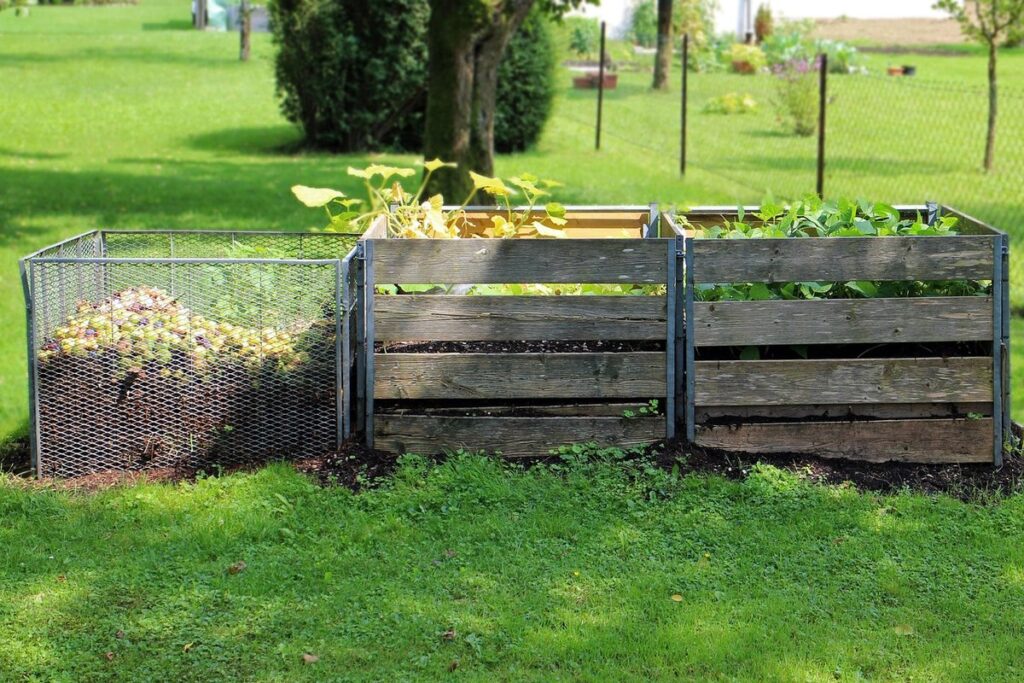
Understanding Compost Tumblers
Now that you know what a compost tumbler is, let’s dive into understanding how these tumblers work and the benefits they offer for home composting.
What Are Compost Tumblers?
A compost tumbler is an innovative and efficient way to turn kitchen scraps and yard waste into nutrient-rich compost for your garden. Essentially, it’s a rotating bin that makes the composting process easier, faster, and more accessible to home gardeners. Unlike traditional compost piles or bins, which can be cumbersome and require frequent turning, compost tumblers use a tumbling action to mix and aerate the materials as they break down.
This unique design allows for easy maintenance, as you simply turn the tumbler every few days to keep the materials in motion. This process helps speed up decomposition, reducing odors and pests that can come with traditional composting methods. Compost tumblers also allow for aeration, which is essential for healthy microbial activity – the key to producing high-quality compost.
When choosing a compost tumbler, consider factors such as size, material, and ease of use. Some models are designed for small spaces or specific waste types (e.g., food waste).
Benefits of Using Compost Tumblers
Using a compost tumbler for home composting offers numerous benefits that make it an attractive option for anyone looking to reduce waste and create nutrient-rich soil. One of the most significant advantages is its space-saving design, which allows you to turn food scraps and yard trimmings into compost without taking up valuable real estate in your backyard.
Compost tumblers are also incredibly easy to use, requiring minimal maintenance and effort to keep them running smoothly. Simply add your organic materials, mix in some brown “carbon” materials like shredded newspaper or coconut coir, and let the tumbler do its magic. The aeration and mixing process speeds up decomposition rates significantly compared to traditional composting methods.
This faster decomposition rate also means you’ll have a usable batch of compost sooner, which is perfect for gardeners who need a continuous supply of nutrient-rich soil to feed their plants. With a compost tumbler, you can have a fresh batch of compost every few weeks, depending on the size and speed of your machine.
Choosing the Right Compost Tumbler
When it comes time to choose a compost tumbler, there are several factors to consider, including size, material, and features that fit your specific needs. Let’s take a closer look at what matters most.
Factors to Consider When Selecting a Compost Tumbler
When selecting a compost tumbler for your home, there are several key factors to consider. First and foremost, think about the size of the tumbler. How much space do you have available for it, and how often do you plan on adding materials? A smaller tumbler (around 1-2 cu. ft.) is perfect for small kitchens or apartments, while larger ones (4-7 cu. ft.) are better suited for bigger families or households with a lot of waste.
Next, consider the material of the compost tumbler. Plastic and metal tumblers are popular options due to their durability and ease of cleaning, but they can also be more expensive upfront. Wooden or bamboo tumblers, on the other hand, offer an eco-friendly alternative, but may require more maintenance over time.
Lastly, set a budget for your compost tumbler purchase. Prices vary widely depending on size, material, and features, so it’s essential to know how much you’re willing to spend. A basic plastic tumbler can cost as little as $50, while high-end models with advanced features like temperature control or carbon filter systems can reach upwards of $300.
Ultimately, the right compost tumbler for your needs will depend on a combination of these factors, so take your time and do some research before making a decision.
Popular Types of Compost Tumblers
When it comes to choosing a compost tumbler for your home, there are several types to consider. One popular option is the rotating drum tumbler. These tumblers have a cylindrical body that rotates as you turn the handle, making it easy to mix and aerate your compost. They’re often made of durable plastic or metal and come in various sizes, from compact units perfect for small spaces to larger models that can handle bigger batches.
Another type is the batch tumbler, which works on a different principle. Instead of continuous rotation, these tumblers have separate compartments where you add new material and turn it as needed. This design allows for more control over decomposition rates and prevents pests from getting into your compost. Worm composters are also gaining popularity, using red wiggler worms to break down food waste quickly and efficiently.
Consider the space you have available, the type of materials you want to compost, and how much maintenance you’re willing to do when choosing a tumbler type. Each has its pros and cons, but with a little research, you can find the perfect fit for your home composting needs.
Setting Up Your Compost Tumbler
Now that you’ve chosen your perfect compost tumbler, let’s get started on setting it up for optimal performance and ease of use in your home. This is where preparation meets success!
Preparing the Tumbler for Use
To get started with using your compost tumbler, you’ll need to follow these simple steps to prepare it for action. Begin by carefully reading through the manufacturer’s instructions to understand any specific assembly requirements for your particular model. Typically, this will involve attaching the lid, turning handle, and any other removable parts.
Once assembled, position your compost tumbler in a well-ventilated area of your garden or yard. Make sure it’s placed on a level surface and won’t be shaded from sunlight, as microorganisms need light to break down organic matter efficiently. Ideally, locate the tumbler near a water source for easy maintenance.
Now that you have your tumbler in place, it’s time to fill it with your first batch of materials. Start by adding a 4-6 inch layer of brown composting materials such as dried leaves or shredded newspaper at the bottom. This will provide carbon-rich nutrients and help absorb excess moisture. Next, add a mix of green materials like kitchen scraps, grass clippings, or fresh leaves on top of the brown layer, following the recommended 2/3 “green” to 1/3 “brown” ratio.
Adding Materials to the Tumbler
When adding materials to your compost tumbler, it’s essential to have a mix of “green” and “brown” organic waste. Green materials are high in nitrogen and moisture content, such as food scraps, grass clippings, and manure from herbivores. These add a lot of heat to the composting process and help break down other materials quickly.
Brown materials, on the other hand, are high in carbon and low in nutrients. Examples include dried leaves, shredded newspaper, and twigs. They provide structure and help balance out the moisture levels in the tumbler.
Some specific types of food scraps that can be added to your compost tumbler include fruit and vegetable peels, tea bags, coffee grounds, and eggshells. However, avoid adding meat, dairy products, oils, and pet waste as they attract pests and create odors. Yard trimmings like grass clippings and leaves are also great additions, but be sure to shred them first to increase their surface area.
Remember, a general rule of thumb is to aim for a mix of 2/3 brown materials and 1/3 green materials in your compost tumbler. This balance will help create an ideal environment for decomposition.
Maintaining Your Compost Tumbler
To keep your compost tumbler running smoothly, it’s essential to regularly maintain and clean it to prevent pests, odors, and nutrient loss. Let’s dive into the simple tasks involved in maintaining your composting unit.
Turning and Aeration Techniques
Regular turning and aeration are crucial steps in maintaining a healthy composting process within your tumbler. When organic matter decomposes, it releases heat, carbon dioxide, and moisture. If these conditions become too intense, they can lead to anaerobic decomposition, resulting in unpleasant odors, pests, and a reduced quality of finished compost.
To prevent this, turn your compost regularly to introduce oxygen, which encourages aerobic decomposition. Aim for at least once a week, but ideally every 3-4 days during hot summer months when the material is breaking down quickly. Use a stick or shovel to gently mix the contents, working from one side of the tumbler to the other.
Aeration also helps maintain optimal moisture levels and ensures that microorganisms have enough oxygen to thrive. You can further enhance aeration by adding small amounts of bulking agents like straw or shredded newspaper, which provide pathways for air to penetrate deeper into the pile. By incorporating regular turning and aeration techniques, you’ll be able to produce high-quality compost in no time.
Monitoring Moisture Levels and pH
Monitoring moisture levels and pH balance is crucial for maintaining a healthy composting environment within your tumbler. To check moisture levels, simply insert your hand into the pile about 2-3 inches deep; if it feels dry or crumbly, add water gradually until you achieve a consistent dampness. Conversely, if the pile is too wet and you notice mold or unpleasant odors, stop adding water for a while.
The ideal pH range for composting is between 6.0 and 7.5. You can purchase a pH testing kit specifically designed for compost monitoring at most gardening stores. If your tumbler’s pH level falls below this range, it may affect microbial activity, leading to reduced compost quality. To balance the pH, you can add materials like wood ash (high in calcium carbonate) or peat moss (acidic).
A general rule of thumb is to maintain a 2/3 carbon-rich material (e.g., leaves, straw) and 1/3 nitrogen-rich material (e.g., kitchen scraps, grass clippings) ratio. Monitoring moisture levels and pH ensures that microorganisms have the optimal environment to break down organic matter efficiently. Regular checks will help you identify potential issues before they affect your compost’s quality.
Harvesting Your Compost
Now that your compost is ready, it’s time to harvest and use it to enrich your soil – we’ll walk you through the process step by step.
Signs of Completion
When your compost is nearing completion, you’ll start to notice some significant changes that indicate it’s ready for use. One of the most obvious signs is a change in texture. A finished compost will be dark and crumbly, with an earthy consistency similar to potting soil. If you’re using a compost tumbler, give the mixture a gentle stir and observe its texture; if it breaks apart easily when compressed, it’s likely done.
Another indication of completion is a reduction in odor. When your compost is actively decomposing, it can emit a strong, earthy smell. As decomposition slows down, this scent will fade away, replaced by a more pleasant aroma. If you notice a significant decrease in odor or if the smell has transformed from pungent to slightly sweet, it’s a sign that your compost is nearing completion.
Finally, pay attention to color changes – as decomposition occurs, organic matter breaks down into a rich, dark brown material. A finished compost will often have visible threads of earthworm casts or fungal growth, indicating healthy microbial activity.
Using Your Finished Compost
Now that you’ve successfully harvested your compost using your trusty compost tumbler, it’s time to put it to good use! Finished compost is a treasure trove of nutrients and benefits for your garden. One of the most obvious uses is as a soil amendment. Mix 2-4 inches of finished compost into your garden beds to give your plants a boost of nutrients, improve soil structure, and increase its water-holding capacity.
Compost can also be used as an ingredient in potting mixes. This is especially beneficial for seedlings or young plants that require extra nourishment. Simply mix 10-20% compost with other ingredients like peat moss or perlite to create a well-balanced potting mix.
Another creative use for finished compost is as mulch. Spread it around your garden beds to retain moisture, suppress weeds, and regulate soil temperature. You can also use it as a natural weed barrier by applying a thick layer of compost over the affected area.
Remember to apply your finished compost in moderation, as too much can be detrimental to plant growth. A general rule of thumb is to add 1-2 inches of compost at a time, allowing your plants to adjust before adding more.
Troubleshooting Common Issues
When using a compost tumbler, you may encounter some unexpected issues – but don’t worry, we’ve got solutions for common problems to get your tumbling back on track.
Identifying Problems with Odor and Pests
When using a compost tumbler at home, it’s not uncommon to encounter problems that can impact the quality and safety of your compost. Two common issues to watch out for are unpleasant odors and pest infestations.
Unpleasant odors often arise from inadequate carbon-to-nitrogen ratios or insufficient moisture within the compost pile. To prevent this issue, make sure to balance “green” materials (nitrogen-rich foods scraps, grass clippings) with “brown” materials (dry leaves, shredded paper). Regularly check the moisture levels by inserting your hand into the pile; it should feel damp but not soggy.
Pest infestations can be a problem if your compost tumbler is not properly secured or if you’re adding contaminated materials. Check the unit regularly for signs of pests like rodents, ants, or fruit flies. If you do encounter an issue, simply remove and replace any affected material, ensuring to maintain good hygiene practices.
For both issues, it’s essential to monitor your compost tumbler regularly and address any problems promptly to prevent them from escalating. By taking proactive steps, you can ensure a healthy and thriving compost ecosystem that produces nutrient-rich soil for your garden.
Overcoming Moisture and Aeration Challenges
One of the most common challenges compost tumblers face is moisture management. If the pile becomes too wet, it can lead to unpleasant odors and slow down the decomposition process. To prevent this, make sure to add a mix of “green” (nitrogen-rich) materials like kitchen scraps and grass clippings with “brown” (carbon-rich) materials such as dried leaves or shredded newspaper.
A general rule of thumb is to maintain a 2:1 ratio of brown to green materials. If you notice your pile becoming too wet, simply add more brown materials to balance it out. On the other hand, if the pile is too dry and not decomposing quickly enough, sprinkle some water over it or add more green materials.
Regular turning and monitoring of the compost tumbler will also help maintain adequate aeration and prevent moisture-related issues. Every 7-10 days, open your tumbler and gently turn the contents to ensure oxygen can flow through the pile. By following these simple steps, you’ll be able to overcome moisture and aeration challenges and produce rich, nutrient-dense compost for your garden.
Frequently Asked Questions
Can I Use Compost Tumblers Indoors?
Yes, some compost tumblers are designed for indoor use, perfect for small apartments or condos with limited outdoor space. However, ensure you choose a model specifically designed for indoor use and follow the manufacturer’s guidelines for air circulation to prevent moisture buildup.
How Do I Prevent Pests Like Flies and Rodents from Being Attracted to My Compost Tumbler?
To deter pests, keep your compost tumbler clean and regularly add carbon-rich materials like shredded newspaper or coconut coir. Also, ensure the tumbler is well-ventilated and the lid fits securely. You can also consider adding a pest-repellent ingredient like cayenne pepper or diatomaceous earth.
Can I Compost Meat, Bones, and Dairy Products in My Tumbler?
No, it’s not recommended to compost animal products as they attract pests, create unpleasant odors, and take too long to break down. Stick to kitchen scraps like fruit and vegetable peels, tea bags, and coffee grounds, which are rich in nutrients for your plants.
What Happens If My Compost Tumbler Gets Too Wet or Dry?
If your compost tumbler becomes too wet, it may attract pests and create an unpleasant odor. To fix this, add more carbon-rich materials to absorb excess moisture. Conversely, if the mix is too dry, you can sprinkle water on top or use a gentle spray nozzle to revive it.
How Long Does It Take for Compost to Be Ready to Use in My Garden?
The time it takes for compost to be ready depends on factors like temperature, moisture, and carbon-to-nitrogen ratio. Generally, expect 2-6 months for the composting process to complete, but this can vary depending on your specific setup and materials used.