
As a gardener or farmer, you’re constantly on the lookout for effective ways to protect your plants from fungal diseases. Copper fungicides have been a trusted solution for many growers, offering a reliable defense against common pests like powdery mildew and downy mildew. But what exactly is copper fungicide, and how can it help safeguard your crops? In this article, we’ll delve into the benefits of using copper-based fungicides in plant protection, exploring their uses and precautions to ensure you get the most out of this essential tool without harming the environment. We’ll also discuss how to use copper fungicides effectively, so you can maximize their impact on your garden or farm while minimizing potential risks.
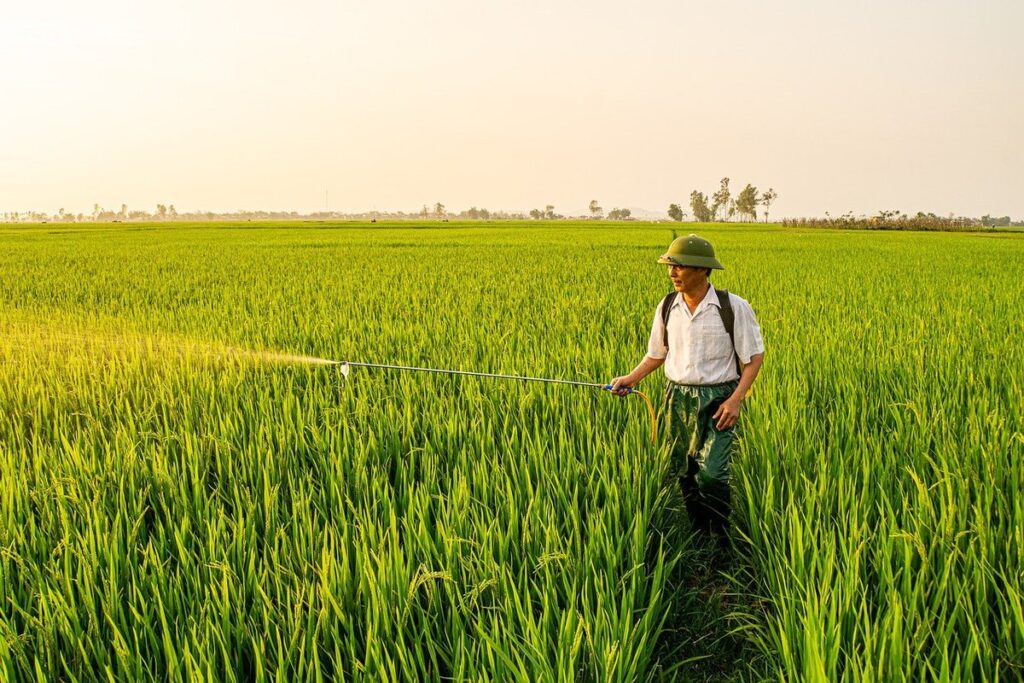
What is Copper Fungicide and How Does it Work
So, you’re curious about how copper fungicide actually works its magic on plant diseases? Let’s dive into the details of what makes this powerful tool effective against fungal infections.
Properties of Copper Fungicides
Copper fungicides are a type of chemical compound used to prevent and control plant diseases caused by fungi. At its core, copper fungicide is composed of copper ions or complexes that are absorbed by plants through their leaves or roots. The most common form of copper used in fungicides is copper octanoate, which is a copper salt with an eight-carbon chain.
When applied to plants, copper fungicides work by inhibiting the growth and reproduction of fungal pathogens. This mode of action occurs when the copper ions bind to enzymes within the fungal cells, disrupting their metabolic processes and ultimately leading to cell death. As a result, the spread of disease is halted, and the plant’s defense mechanisms are triggered.
Copper fungicides are absorbed by plants through both foliar application (spraying leaves) and soil drenching (applying to roots). The rate of absorption varies depending on factors like temperature, humidity, and the specific product used.
Types of Copper Fungicides Available in the Market
When it comes to choosing the right copper fungicide for your plants, you’re likely wondering about the various types available. Fortunately, there are several options to suit different needs and preferences.
One popular type of copper fungicide is ready-to-use formulations. These products come pre-mixed with a specific concentration of copper and water, making it easy to apply directly to affected areas or as a preventative measure. For example, Bordeaux Mixture is a well-known ready-to-use formulation that contains 50% copper oxide. It’s often used for powdery mildew control.
Another option is water-soluble products, which require you to mix the copper with water before application. These tend to be more cost-effective and offer greater flexibility in terms of concentration. Some popular water-soluble copper fungicides include Kocide 3000 and Cuprozin. When using these products, make sure to follow the recommended dilution ratio to avoid over-application.
Granules are also available, often made from micronized copper particles that provide longer-lasting protection. These can be applied directly to soil or foliage, depending on the specific product instructions. For instance, Micorrin is a popular granular copper fungicide used for managing fungal diseases in orchards and vineyards. Always read and follow the label instructions carefully before applying any type of copper fungicide to ensure optimal results and minimize risks to your plants and the environment.
Benefits of Using Copper Fungicide
When it comes to using copper fungicide for your plants, you want to know what’s in it for you. In this section, we’ll explore its numerous benefits and advantages.
Effective Against a Wide Range of Fungal Diseases
One of the most significant benefits of using copper fungicides is their effectiveness against a wide range of fungal diseases that can affect plants. Copper fungicides have been proven to combat various types of fungal infections, including powdery mildew, downy mildew, and root rot.
Powdery mildew, for instance, is a common problem that affects many plant species. It appears as a white or grayish powder on the leaves and can cause significant damage if left unchecked. Copper fungicides work by inhibiting the growth of fungal cells, thereby preventing the spread of the disease. Studies have shown that copper-based products can reduce powdery mildew incidence by up to 90%.
Downy mildew is another serious fungal disease that can decimate plant populations. This type of fungus causes yellowing or bronzing of leaves and can lead to defoliation. Copper fungicides have been found to be effective in controlling downy mildew, with some products providing complete protection against this disease.
Root rot is a more insidious problem, as it often goes unnoticed until significant damage has already occurred. However, copper fungicides can help prevent root rot by inhibiting the growth of fungal pathogens that attack plant roots.
Safe for Plants and the Environment
When it comes to using copper fungicides, one of the top concerns for gardeners is the potential harm they may cause to plants and the environment. The good news is that copper-based products have a relatively low toxicity profile compared to other types of pesticides.
Research has shown that copper fungicides are generally safe for humans and animals when used as directed. In fact, the US Environmental Protection Agency (EPA) classifies copper as a “minimum risk” pesticide, which means it’s considered to be of low concern for human health and the environment.
In terms of plant safety, copper fungicides can actually help promote healthy root growth and development by controlling fungal diseases that can weaken plants. This allows plants to absorb essential nutrients more efficiently, leading to stronger and healthier growth.
One way to minimize any potential risks when using copper fungicides is to follow the recommended application rates and timing specified on the label. It’s also a good idea to choose products that are specifically labeled as “plant-safe” or “environmentally friendly.” By taking these precautions, you can enjoy the benefits of copper fungicide without harming your plants or the environment.
How to Use Copper Fungicide Effectively
To use copper fungicide effectively, you’ll need to follow some crucial guidelines to avoid overapplication and minimize potential harm to your plants. These tips will ensure a safe and successful treatment.
Precautions Before Application
Before applying copper fungicide to your plants, it’s essential to take some crucial precautions to ensure effective treatment and prevent potential harm. Start by removing weeds that are within a 6-inch radius of the affected plant, as they can harbor spores and spread disease. This is especially true for fungal diseases like powdery mildew and downy mildew.
If an area of the plant has become infected, prune it back to healthy tissue to prevent the fungus from spreading. Use clean, sharp pruning tools to avoid transferring the disease to other areas of the plant. Make sure to disinfect your tools with a solution of 1 part bleach to 10 parts water after each use.
To prevent drift, which can occur when copper fungicide is applied in windy conditions, make sure to apply it during calm weather or use a specialized nozzle that creates a fine spray. This will help minimize the risk of overspray and ensure the product reaches the intended target.
Correct Dosage and Timing for Optimal Results
When applying copper fungicides to achieve optimal results, it’s crucial to consider factors such as plant growth stage, disease severity, and environmental conditions. The correct dosage is vital, as excessive copper can cause damage to the plant while insufficient amounts may not be effective against the disease.
A general rule of thumb is to follow the product label instructions for recommended dosages, taking into account the specific type of disease you’re treating and the size of your plants. However, it’s essential to adjust these guidelines based on your specific situation. For example, if you’re dealing with a severe outbreak, you may need to increase the dosage accordingly.
Timing is also critical when applying copper fungicides. It’s recommended to treat plants at the first sign of disease, as this can help prevent further spread and reduce damage. Additionally, consider applying copper fungicides during periods of optimal growth, such as during the vegetative stage or after pruning. This allows the plant to absorb the copper more effectively, promoting healthy growth and minimizing the risk of toxicity.
Common Issues Associated with Copper Fungicide Use
While copper fungicides are effective against various plant diseases, there are potential issues to consider before using them in your garden. Let’s take a closer look at some common problems associated with their use.
Leaf Burn and Other Adverse Effects
One of the most significant concerns when using copper fungicides is their potential to cause adverse effects on plants. Leaf burn, a common issue associated with copper fungicide use, can occur due to excessive application rates or prolonged exposure to high concentrations of copper. This condition can manifest as scorched leaves, yellowing foliage, and even defoliation.
Other notable adverse effects include stunted growth and reduced crop yields. Copper fungicides can interfere with the plant’s ability to absorb essential nutrients, leading to impaired growth patterns. Furthermore, excessive use can accumulate toxic levels of copper in the soil, affecting the long-term health of your plants.
To minimize these risks, it is crucial to follow recommended application rates and ensure proper timing. Be cautious when spraying during peak sun hours or under conditions of high temperature, as this can exacerbate leaf burn. Regular monitoring of plant health and adjustment of fungicide applications will help prevent adverse effects and maintain a balanced ecosystem.
Resistance Development in Pathogens
While copper fungicides have been a valuable tool in plant disease management for decades, there is a growing concern about the potential for pathogen resistance development. Excessive or improper use of these products can lead to the selection and proliferation of resistant pathogens.
When copper fungicides are used too frequently or at high concentrations, susceptible pathogens may be killed off, leaving only those that are naturally more resistant. These resistant strains can then multiply and spread, reducing the effectiveness of the fungicide.
A well-documented example is the development of resistance to copper-based fungicides in the pathogen Alternaria solani, which causes early blight in potatoes. In some areas, this has become a significant problem, with resistance levels reaching up to 80%. To mitigate this risk, it’s essential to use copper fungicides judiciously and only when necessary.
This means rotating fungicides with different modes of action, following recommended application rates, and monitoring for signs of resistance in your specific region. By adopting these best management practices, you can help delay the emergence of resistant pathogens and maintain the effectiveness of copper-based fungicides for years to come.
Alternatives to Copper Fungicide
If you’re looking for a more environmentally friendly option, there are several alternatives to copper fungicide that can provide effective results without harming your plants. Let’s explore some options together.
Organic and Integrated Pest Management (IPM) Approaches
When it comes to managing plant diseases, you may not always need to turn to copper fungicide. There are several organic and Integrated Pest Management (IPM) approaches that can be used as effective alternatives.
Biological control agents are a great place to start. These include beneficial insects, such as ladybugs and lacewings, which feed on pests that spread disease. You can also use parasitic wasps, like Trichogramma, to control aphids and other pests. These natural predators can be introduced into your garden or greenhouse through purchased insectaries.
Cultural practices are another key component of IPM. This involves modifying your growing conditions to prevent the onset of disease in the first place. Make sure your plants have good air circulation, provide adequate space between them, and avoid overwatering. Crop rotation is also crucial – rotating your crops can help break disease cycles and reduce the risk of infection.
Chemical alternatives are available too. These may include sulfur-based fungicides or bicarbonate-based products that control fungal diseases without harming beneficial organisms in the soil ecosystem. For example, baking soda can be used as a natural fungicide to manage powdery mildew and other foliar diseases. By incorporating these organic and IPM approaches into your disease management strategy, you can reduce your reliance on copper fungicide and create a more balanced and sustainable growing environment for your plants.
Sustainable Agriculture Practices
Sustainable agriculture practices are becoming increasingly important as we look for alternatives to chemical fungicides like copper fungicide. By promoting soil health, biodiversity, and ecosystem services, we can reduce our reliance on synthetic chemicals that harm the environment.
One of the key principles of sustainable agriculture is crop rotation. This simple technique involves rotating different crops through a single plot of land to maintain soil fertility, structure, and overall health. For example, planting legumes like beans or peas after a crop of corn can add nitrogen to the soil, reducing the need for synthetic fertilizers.
Companion planting is another effective practice that promotes biodiversity. By growing certain plants alongside others, we can create an environment that discourages pests and diseases from developing in the first place. For instance, basil repels aphids and whiteflies, while marigolds deter nematodes. These simple techniques not only reduce our reliance on copper fungicide but also create a more balanced ecosystem.
Incorporating organic matter like compost or manure into your soil is another vital step towards sustainable agriculture. This increases the soil’s water-holding capacity, reduces erosion, and supports beneficial microorganisms that break down disease-causing pathogens. By adopting these practices, you can maintain healthy plants without resorting to copper fungicide or other chemical fungicides.
Conclusion
Now that you’ve learned how to use copper fungicide effectively, let’s wrap up with a summary of the key takeaways and final thoughts on plant care.
Recap of Key Points
As we conclude our comprehensive guide to copper fungicides for plants, let’s review the key takeaways and important considerations to keep in mind. If you’re new to using copper-based fungicides, don’t worry – we’ve got you covered.
In this article, we discussed the benefits of using copper fungicides, including their effectiveness against a wide range of fungal diseases, such as powdery mildew, downy mildew, and rust. Copper fungicides are particularly useful for controlling disease in sensitive plants like roses, geraniums, and begonias.
We also touched on some limitations to keep in mind when using copper-based products. For instance, copper can accumulate in soil over time, potentially harming beneficial microorganisms. Additionally, copper’s effectiveness may be reduced if used excessively or at the wrong timing, leading to resistance development by pathogens.
If you’re looking for alternatives to traditional copper fungicides, consider trying plant-based options like neem oil, sulfur, and bicarbonate sprays. These natural products have proven effective against various fungal diseases while minimizing environmental impact.
Some key practices to keep in mind when using copper fungicides include:
* Always follow label instructions carefully
* Monitor weather conditions before application to avoid excessive rain or wind
* Rotate copper-based products with other fungicides to maintain their effectiveness
* Consider using integrated pest management (IPM) strategies that combine multiple controls for optimal results
Remember, it’s essential to weigh the benefits of copper fungicides against potential drawbacks and consider incorporating natural alternatives into your gardening routine. By doing so, you’ll be well on your way to creating a healthier, more sustainable garden ecosystem.
Frequently Asked Questions
Can I use copper fungicide on seedlings or young plants?
Yes, but be cautious when using copper fungicides on seedlings or young plants as they may be more sensitive to these chemicals. Start with a lower concentration and gradually increase it as the plants grow. It’s also essential to monitor your plants closely for any signs of leaf burn or other adverse effects.
How often can I apply copper fungicide to my plants?
The frequency of application depends on the type of fungal disease, its severity, and the crop’s stage of growth. As a general rule, you should not exceed 3-4 applications within a short period (usually 7-10 days). Be sure to follow the product label instructions and take necessary precautions to avoid over-application.
Can I mix copper fungicide with other pesticides or fertilizers?
No, it’s generally not recommended to combine copper fungicides with other chemicals, as this may increase the risk of leaf burn or reduce their effectiveness. Always apply these products separately, according to the manufacturer’s instructions and take necessary precautions to avoid over-application.
What should I do if I accidentally over-applied copper fungicide?
If you suspect that you’ve over-applied copper fungicide, immediately wash off any excess product from the plant leaves with plenty of water. Monitor your plants closely for signs of leaf burn or other adverse effects and adjust your application strategy accordingly.
Can I use organic copper-based fungicides instead of synthetic ones?
Yes, many copper-based fungicides are now available in organic forms, which can be a great alternative to synthetic products. When choosing an organic option, ensure that it is registered for use on the specific crop you’re growing and follows good agricultural practices (GAPs).