
Are you tired of using harsh chemicals on your plants to control pests and diseases? Do you want to switch to a natural and sustainable solution that’s gentle yet effective? Neem oil for plant care is an excellent alternative, packed with antifungal and insecticidal properties that can give your plants the TLC they deserve. In this article, we’ll delve into the wonderful world of neem oil and show you how to harness its power for natural pest control and fungal disease prevention. You’ll learn expert tips on safe usage, how to mix it with other essential oils for maximum effectiveness, and get answers to common questions about using neem oil in your garden or indoor space. By the end of this post, you’ll be equipped with the knowledge to give your plants the natural care they need to thrive.
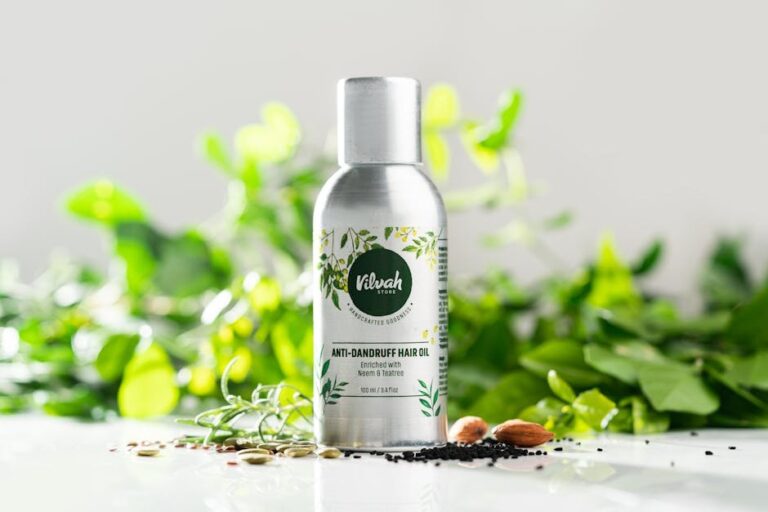
Benefits and Uses of Neem Oil
As you’ve learned how to use neem oil for pest control, let’s explore its numerous benefits and uses that will take your plant care skills to the next level. From preventing fungal diseases to repelling pests naturally.
Natural Pest Control
Neem oil’s natural pest control properties make it an excellent alternative to harsh chemicals. When it comes to repelling and killing pests like aphids, whiteflies, and spider mites, neem oil is a game-changer for gardeners. Its unique composition allows it to interfere with the insects’ life cycle, preventing them from reproducing and eventually leading to their demise.
One of the most significant advantages of using neem oil as a pest control method is its broad-spectrum effectiveness. Unlike synthetic pesticides that often target specific pests, neem oil can tackle a wide range of insect infestations. This makes it an ideal solution for gardeners who struggle with multiple pest issues simultaneously. For instance, you can use neem oil to combat aphids on roses and whiteflies on indoor plants, all without having to switch between different products.
To harness the natural pest control powers of neem oil, mix 2-3% concentration with water and spray it on affected areas. Be sure to test a small area first to ensure compatibility with your plant’s specific needs. Regular applications can help maintain a balanced ecosystem in your garden, reducing the reliance on chemical pesticides that harm beneficial insects and the environment.
Fungal Disease Prevention
Neem oil’s potent antifungal properties make it an effective tool for preventing fungal diseases that can devastate plant populations. These diseases, including powdery mildew, rust, and leaf spot, often thrive in humid environments where moisture accumulates on leaves. By applying neem oil to the affected plants, you can disrupt the disease’s life cycle and prevent its spread.
When using neem oil for fungal disease prevention, it’s essential to apply it correctly. Mix the recommended concentration of neem oil with water and spray the solution directly onto the infected areas. Make sure to cover all surfaces evenly, but avoid applying too much oil, which can harm your plants. For optimal results, repeat applications every 7-10 days as needed.
Some popular fungi that neem oil can combat include powdery mildew, a white or grayish coating on leaves, and rust, characterized by orange or reddish spots on stems and leaves. Leaf spot diseases often manifest as dark patches with yellow halos on the affected plant’s foliage. Neem oil’s broad-spectrum antifungal activity ensures it can target these pathogens effectively.
Soil Health and Root Development
When you think about using neem oil on your plants, you might immediately focus on its pest-repelling and disease-fighting properties. However, the benefits of neem oil don’t stop there. In fact, one of the most significant advantages of using neem oil is its ability to promote soil health and stimulate root development.
This is because neem oil is rich in nutrients that help to condition and enrich the soil structure. By incorporating neem oil into your plant care routine, you’ll notice a marked improvement in soil fertility and overall plant vitality. This leads to healthier roots, which are better equipped to absorb essential nutrients from the soil. As a result, your plants will grow more robustly and be less susceptible to disease and pests.
One practical way to take advantage of neem oil’s benefits is by mixing it with water and using it as a foliar spray or root stimulant. This can help to break down compacted soils and stimulate microbial activity, further enhancing soil health and promoting healthy root development. By incorporating neem oil into your plant care routine, you’ll be creating a strong foundation for optimal plant growth and resilience.
How Neem Oil Works
Neem oil’s effectiveness lies in its unique combination of compounds, which work together to target and eliminate plant pests. Let’s dive into how these active ingredients bring about such remarkable results.
The Active Compounds
Neem oil is a potent natural remedy that has been used for centuries to control pests and diseases in plants. The effectiveness of neem oil lies in its unique composition of active compounds, which work together to combat various threats to plant health.
The primary active compound responsible for the biopesticidal properties of neem oil is azadirachtin. This potent molecule disrupts insect growth and development, preventing pests from reproducing and ultimately killing them off. Azadirachtin also has a high affinity for binding with insect hormone receptors, further impairing their ability to regulate vital physiological processes.
Other significant active compounds present in neem oil include nimbidol, nimbin, and salannin. These molecules exhibit fungicidal properties, inhibiting the growth of fungal pathogens that can cause root rot, leaf spot, and other devastating diseases. The combination of these bioactive compounds creates a synergistic effect, making neem oil an exceptionally effective natural solution for maintaining plant health.
When using neem oil, it’s essential to understand its unique composition and how each active compound contributes to its overall efficacy. This knowledge will help you harness the full potential of this remarkable plant-based remedy, effectively protecting your plants from pests and diseases while promoting a balanced ecosystem.
Mechanisms of Action
When neem oil is applied to plants, it affects pest and disease populations through several key mechanisms of action. One way it works is by disrupting hormonal balances within the pest’s body. This can prevent pests like aphids and whiteflies from reproducing effectively, ultimately leading to their demise.
Another mechanism of action involves cell membrane disruption, where neem oil’s active compounds, such as azadirachtin, bind to the membranes of pest cells. This binding causes the cell walls to weaken and eventually rupture, killing the pest outright.
Neem oil also affects fungal diseases by preventing spore germination and inhibiting the growth of fungal mycelium. For example, studies have shown that neem oil can reduce the incidence of powdery mildew in cucumbers by up to 90%.
Preparing Neem Oil for Use
To use neem oil effectively, you’ll need to prepare it properly by diluting it with water according to its concentration ratio and pH level. This ensures safe application on your plants.
Extracting Neem Oil from Seeds
Extracting neem oil from seeds is a multi-step process that requires some patience and attention to detail. First, you’ll need to dry the neem seed pods thoroughly to prevent mold growth during processing. Then, extract the seeds and crush them using a mortar and pestle or a small grinding machine.
Next, soak the crushed seeds in water for about 24 hours to allow the oil to seep out of the shells. After soaking, strain the mixture through a cheesecloth or fine-mesh sieve into a container, pressing on the solids to extract as much liquid as possible. Collect and filter this neem oil using a coffee filter or paper towel.
Note that extracting neem oil from seeds can be time-consuming and may not produce a high-quality oil. However, it’s a cost-effective way to obtain neem oil for use as a pesticide or fungicide. If you’re planning to extract neem oil on a large scale, consider investing in a cold press extractor or purchasing neem oil from a reputable supplier.
When using extracted neem oil, mix 2-3% of the oil with water according to your needs. It’s essential to use this oil immediately after extraction and avoid storing it for extended periods to maintain its potency.
Mixing with Water and Other Ingredients
When preparing neem oil for use on your plants, it’s essential to mix it with water at the right ratio. A general rule of thumb is to start with a 2-3% neem oil concentration, which translates to 1-2 teaspoons of neem oil per quart (liter) of water. However, this ratio may need to be adjusted depending on the specific pest or disease you’re trying to control.
For example, if you’re dealing with a severe infestation, you may want to increase the concentration to 3-4% (1.5-2 teaspoons of neem oil per quart of water). On the other hand, if you’re using neem oil as a preventative measure, you can start with a lower concentration.
Some gardeners also like to add additional ingredients to their neem oil mixture for extra effectiveness. For instance, mixing neem oil with soap or horticultural oil can help it stick to the plant’s leaves and last longer in the environment. Others prefer to mix neem oil with vinegar, which can help break down any residue that may be left behind.
Safety Precautions and Concerns
When using neem oil on your plants, it’s essential to take necessary precautions to avoid any potential harm. This section will outline key safety considerations to keep in mind when working with neem oil.
Human and Animal Safety
When using neem oil for plants, it’s essential to consider its impact on both humans and animals. While neem oil is generally considered safe for plants, there are potential risks associated with exposure to this potent oil.
Direct contact with neem oil can cause skin irritation, redness, and even allergic reactions in some individuals. This is particularly concerning for gardeners who may accidentally get the oil on their skin while handling it or their pets, which often accompany them into the garden. To minimize this risk, it’s crucial to wear protective gloves and clothing when applying neem oil to your plants.
Ingestion of neem oil can be toxic to both humans and animals, so keep the oil out of reach of children and pets. If you have a pet that accidentally ingests neem oil, seek immediate veterinary attention. To avoid accidents, always read the label carefully and follow the instructions for use.
If you experience any discomfort or irritation after using neem oil, wash the affected area thoroughly with soap and water, and discontinue use if symptoms persist.
Environmental Impact
While neem oil is a natural and effective solution for plant pest control, its use can also have environmental implications. One of the primary concerns is the potential for neem oil to contaminate soil and water sources. If not properly disposed of after application, neem oil can leach into the soil, affecting microorganisms and other beneficial organisms.
To minimize this risk, it’s essential to follow proper application procedures. This includes using the recommended amount, avoiding spraying in areas where water might collect, and allowing adequate drying time before rinsing off any residue with water. Additionally, consider using neem oil as part of an integrated pest management plan that incorporates other eco-friendly practices.
Some studies have shown that neem oil can persist in soil for extended periods, potentially harming beneficial insects like bees and butterflies. To mitigate this risk, choose a neem oil product that has undergone rigorous testing to ensure its environmental safety. Look for products certified by organizations such as OMRI or USDA BioPreferred, which promote sustainable agriculture practices.
When applying neem oil, be mindful of the potential impact on non-target organisms, including beneficial insects and pollinators. By taking these precautions, you can enjoy the benefits of neem oil while minimizing its environmental footprint.
Tips for Using Neem Oil Effectively
To get the most out of neem oil, it’s essential to understand how to use it effectively and safely around your plants. This next part covers some valuable tips to keep in mind.
Timing and Frequency of Application
When applying neem oil to your plants, timing and frequency are crucial factors that can make all the difference between optimal results and disappointment. It’s essential to apply neem oil at the right moment to ensure it effectively controls pests, diseases, and fungal infections.
For most plants, the ideal time for application is early morning or evening when the sun is not intense. This allows the oil to penetrate the plant without causing scorching or burning. However, if you’re dealing with pests like aphids or whiteflies, it’s best to apply neem oil in the hottest part of the day, as these insects are more active during this time.
As for frequency, a general rule of thumb is to spray neem oil every 7-10 days. This allows the oil to break down and eliminate any new pests that may have developed since the previous application. However, if you’re experiencing severe infestations or diseases, you may need to apply it more frequently – ideally every 3-5 days.
Remember to always follow the product’s instructions and take necessary precautions to avoid over-application, which can lead to toxicity in your plants.
Combination with Other Organic Methods
When using neem oil as part of your integrated pest management strategy, it’s essential to combine it with other organic methods for optimal results. One such approach is companion planting, where you pair plants that complement each other in terms of growth habits and pest resistance. For example, planting marigolds alongside tomatoes can help deter nematodes and whiteflies, which are common pests controlled by neem oil. By combining these two methods, you’ll create a more resilient garden ecosystem.
Crop rotation is another powerful technique to integrate with neem oil use. This involves rotating your crops seasonally or annually to break disease cycles and reduce pest buildup. By doing so, you’ll minimize the risk of developing pesticide-resistant pests and maintain soil health. To make it work seamlessly with neem oil application, identify areas where your plants are most susceptible to pest infestations and focus on rotating those specific crops.
By combining these organic methods with neem oil use, you’ll create a holistic approach that promotes overall plant health and minimizes chemical reliance.
Frequently Asked Questions
Can I use neem oil on sensitive plants like roses or lavender?
When using neem oil on delicate flowers, start with a small test patch to ensure there’s no adverse reaction. Mix neem oil with water according to the recommended dilution ratio and apply it during early morning or evening when plants are most receptive to treatment.
How often can I reapply neem oil for maximum effectiveness?
Reapplication of neem oil depends on the severity of pest infestation or disease. For optimal results, reapply every 7-10 days as needed. However, always read the label and follow the recommended application frequency to avoid over-treatment and potential plant stress.
Is it safe to use neem oil indoors with pets around?
Yes, when used properly, neem oil is generally non-toxic to pets if they come into contact with small amounts through skin or ingestion. However, always exercise caution and keep an eye on your pet’s behavior after application. To be extra cautious, consider keeping the treated area off-limits for a few hours.
How do I store neem oil to maintain its potency?
To preserve neem oil’s effectiveness, store it in a cool, dark place away from direct sunlight and heat sources. Keep it tightly sealed when not in use to prevent degradation. It’s also essential to check the expiration date on the label to ensure you’re using fresh, potent oil.
Can I combine neem oil with other natural pest control methods?
Absolutely! Neem oil can be used in conjunction with other organic pest control techniques like introducing beneficial insects, practicing good garden hygiene, and using physical barriers. This multi-faceted approach will create a powerful defense against pests and promote a balanced ecosystem in your garden.