
If you’re a farmer looking to improve your soil health, reduce your environmental footprint, or simply boost your profits, you might be considering chicken manure composting. This process involves turning your chickens’ waste into a valuable resource that can enrich your soil and create a more sustainable farming operation. By composting chicken manure, you can create a nutrient-rich fertilizer that promotes healthy plant growth and reduces the need for synthetic fertilizers. But how do you get started? What are the benefits and challenges of this process, and what best practices should you follow to ensure success? In this article, we’ll explore the ins and outs of chicken manure composting, from its environmental benefits to its potential to boost farmer profits.
Benefits and Importance of Composting
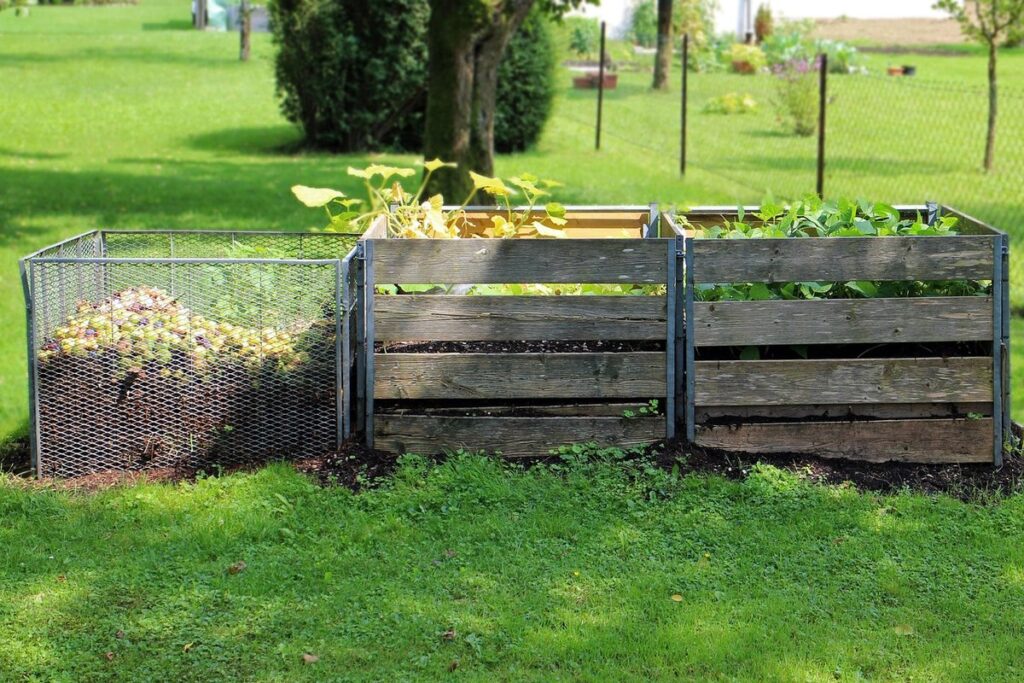
Composting chicken manure not only reduces waste but also offers numerous benefits for your garden, from improved soil health to increased crop yields. Let’s explore these advantages in more detail.
Improving Soil Health
Improving soil health is one of the most significant benefits of composting chicken manure. When you add well-balanced compost to your soil, it increases its fertility and structure, making it an ideal medium for plant growth. This is because compost acts as a sponge, holding water and nutrients that plants need to thrive. As a result, crop yields increase, and farmers can enjoy higher harvests with minimal effort.
One of the primary ways composting chicken manure improves soil health is by replenishing its nutrient content. Chicken manure is rich in nitrogen, phosphorus, and potassium – essential macronutrients for plant growth. When you mix it with other organic matter like carbon-rich materials or green waste, you create a balanced fertilizer that supports healthy microbial activity in the soil.
To improve soil health through composting chicken manure, start by creating a compost pile that’s at least 2/3 carbon-rich materials and 1/3 nitrogen-rich materials. Add your chicken manure to this mix, along with other organic waste like food scraps or yard trimmings. Regularly turn the pile to maintain optimal oxygen flow, ensuring the decomposition process occurs efficiently.
This well-balanced compost can then be added to your soil, either directly or mixed with existing topsoil. It’s essential to monitor pH levels and adjust as necessary to ensure a healthy growing environment for your plants.
Reducing Environmental Impact
Composting chicken manure not only enriches soil but also plays a crucial role in reducing the environmental impact of poultry farming. One significant benefit is the reduction of water pollution caused by excess nutrients from chicken waste. When these nutrients are left unmanaged, they can seep into nearby water bodies, leading to eutrophication and harming aquatic life.
However, composting ensures that these nutrients are safely locked away within a stable organic matter. This process prevents excessive nutrient runoff and reduces the risk of algal blooms, which can deplete oxygen levels in waterways. Moreover, composting chicken manure helps mitigate climate change by reducing greenhouse gas emissions associated with poultry farming.
For instance, a study showed that when chicken manure is composted, methane production decreases by up to 60%. This reduction has a significant impact on the overall carbon footprint of poultry farms. By adopting effective composting practices, farmers can minimize waste and create nutrient-rich fertilizers while protecting both water quality and the environment.
Economic Benefits for Farmers
Composting chicken manure not only reduces odors and environmental concerns but also provides significant economic benefits for farmers. By converting waste into a valuable resource, farmers can reduce their reliance on synthetic fertilizers, which can be costly and often ineffective.
According to the United States Department of Agriculture (USDA), using composted organic amendments like chicken manure can increase crop yields by up to 20%. This means higher prices for your crops at market, resulting in increased revenue. For example, a study conducted on vegetable farms found that using composted manure as fertilizer increased tomato prices by an average of $0.50 per pound.
By incorporating composting into their operations, farmers can also improve farm efficiency. Composting chicken manure reduces the need for labor-intensive manual handling and disposal methods, freeing up resources for more productive tasks. Furthermore, composted manure acts as a natural soil conditioner, improving water retention, structure, and overall fertility – reducing the need for costly synthetic fertilizers and soil amendments.
By adopting composting practices, farmers can not only reduce their environmental impact but also boost their bottom line through increased crop prices and improved farm efficiency.
Composting Process Overview
The composting process involves several steps that help break down chicken manure into a nutrient-rich fertilizer. Let’s dive into the key stages involved in turning waste to wealth.
Understanding the Composting Cycle
When it comes to chicken manure composting, understanding the composting cycle is crucial for creating high-quality fertilizer. The process can be broken down into four key stages: collection, storage, aeration, and curing.
Collection involves gathering chicken droppings from coops or farm areas. It’s essential to use clean, dry containers to prevent contamination and odors. You should also consider the frequency of collection to maintain optimal moisture levels. A good rule of thumb is to collect manure daily during peak laying seasons.
Storage is the next step, where you’ll transfer collected manure into a designated compost area or bin. Here, it’s vital to ensure proper carbon-to-nitrogen ratios by mixing in other materials like straw or shredded newspaper. This balance promotes aerobic decomposition and prevents anaerobic conditions that can lead to pathogen growth.
Aeration is critical for oxygenating the pile, which facilitates breakdown of complex nutrients into simpler forms. You can use pitchforks or compost turners to aerate, but be cautious not to over-aerate, which can cause excessive heat buildup. Monitor temperature daily, aiming for a balance between decomposition and cooling.
Curing allows the compost to mature, reducing its pH and becoming more stable. This stage is just as important as the others, as it enables you to safely use the finished product on your farm or garden. After 3-6 months of regular maintenance, you can expect a nutrient-rich fertilizer for your crops.
Maintaining Optimal Compost Conditions
Maintaining optimal compost conditions is crucial for efficient and effective chicken manure composting. Temperature plays a significant role in this process. The ideal temperature range for composting is between 130°F to 140°F (54°C to 60°C). You can monitor the temperature by inserting a compost thermometer into the pile. If it’s too high, turn the pile to aerate it and cool it down.
Moisture is also essential, but overwatering can lead to anaerobic conditions, causing unpleasant odors and slowing down the process. Aim for a mix of “as-is” materials (e.g., chicken manure) with bulking agents (e.g., shredded newspaper or straw). A general rule of thumb is to maintain 50-60% moisture levels.
The carbon-to-nitrogen ratio (C:N) must also be considered. Chicken manure has a high nitrogen content, so it’s essential to balance it with carbon-rich materials like dry leaves or wood chips. Aim for a C:N ratio of 25:1 to 30:1. Finally, regular turning is vital to ensure oxygen flow and prevent matting. Turn your compost pile every 2-3 days initially, gradually increasing the interval as decomposition accelerates.
Remember, these conditions are not set in stone – they can vary depending on your specific climate and pile setup. Monitor your pile regularly and adjust as needed to maintain optimal composting conditions.
Types of Chicken Manure Composting Methods
Now that you know the basics, let’s dive into the different methods of composting chicken manure, each with its own unique benefits and challenges. You’ll want to choose one that suits your needs best.
Hot vs. Cold Composting
When it comes to composting chicken manure, you’ll encounter two primary methods: hot and cold composting. While both techniques share the goal of turning waste into a nutrient-rich resource, they differ significantly in their approach, advantages, and suitability for various farm operations.
Hot composting involves actively managing temperature through turning, aeration, and moisture control to accelerate decomposition. This method is ideal for smaller-scale farms with limited space, as it allows for rapid turnaround and efficient use of resources. However, hot composting requires regular monitoring and maintenance to prevent over-heating or anaerobic conditions.
Cold composting, on the other hand, relies on natural processes, without deliberate temperature control or turning. This approach is more forgiving and suitable for larger-scale operations with ample space, as it eliminates the need for frequent labor inputs. Nevertheless, cold composting can take longer to produce finished compost and may require additional steps to ensure pathogen elimination.
When choosing between hot and cold composting, consider your farm’s specific needs and resources. For example, if you have limited time or a small plot size, hot composting might be the better choice. Conversely, if you prioritize low-maintenance and can accommodate longer processing times, cold composting could be the way to go.
Passive vs. Active Composting
When it comes to chicken manure composting, you have two primary options: passive and active systems. While both methods share the same goal of breaking down organic matter, they differ significantly in design features, operation costs, and performance.
Passive composting relies on natural processes to break down materials. It’s a low-cost, low-maintenance approach where chicken manure is simply piled or stored in a designated area, allowing microorganisms to work their magic over time. This method requires minimal labor and no additional equipment beyond the initial setup. However, passive composting can be slower and more susceptible to contamination, as it relies on ambient temperatures and moisture levels.
Active composting, on the other hand, involves more intensive management. It uses specific ratios of carbon-rich materials (like straw or wood chips) and nitrogen-rich materials (like chicken manure), along with regular turning and monitoring of temperature, pH, and moisture levels. This approach accelerates decomposition and produces a higher-quality compost within a shorter timeframe. Active composting requires more labor and equipment investment upfront but can pay off in terms of faster results and reduced odors.
Challenges and Considerations
Now that you’ve got a solid understanding of the benefits and process behind chicken manure composting, let’s talk about some common challenges to be aware of.
Managing Odor and Pests
Managing odor and pests is one of the biggest concerns when composting chicken manure. Ammonia fumes from the nitrogen-rich waste can be overwhelming, while pests like rodents, flies, and even larger animals like raccoons or coyotes may be attracted to the smell. To mitigate these issues, it’s essential to implement proper ventilation techniques.
This includes ensuring good airflow through the compost pile by leaving space between each layer and turning the pile regularly. You can also use aeration tools or incorporate materials with high carbon content, like straw or shredded newspaper, to absorb excess moisture and odors. Regular monitoring of temperature and pH levels will also help prevent pest infestations.
Another effective strategy is using cover materials that repel pests while allowing for airflow. Some examples include compostable pest-control products or even chicken wire mesh around the pile. By combining these methods, you can maintain a balanced and odor-free composting environment that minimizes the risk of pest infestation.
Ensuring Pathogen Reduction and Safety
When it comes to chicken manure composting, ensuring pathogen reduction and safety is of utmost importance. This process involves reducing the presence of pathogens such as E. coli, Salmonella, and Campylobacter to minimize health risks for humans and animals.
To achieve this, composting operations must implement proper temperature control, turning, and monitoring. Temperature is a crucial factor in killing off pathogens; it’s recommended that the compost pile reaches 131°F (55°C) for at least 15 minutes to kill most weed seeds and pathogens.
Regulatory compliance is also essential; check with your local government to understand specific regulations regarding pathogen reduction and safety measures. Regular testing of the compost is necessary to ensure it meets the required standards, typically through microbial analysis or E. coli testing.
Additionally, operators should follow best management practices (BMPs) such as proper storage and handling of manure, regular cleaning of equipment, and hand washing facilities for workers. By taking these steps, you can minimize risks associated with pathogen reduction and ensure a safe composting operation that meets regulatory requirements.
Successful Implementation Strategies
Now that you’ve learned the basics of chicken manure composting, it’s time to dive into the strategies for implementing your new skills successfully. Effective planning and execution will get you on your way to producing high-quality compost quickly.
Scale-Up and Integration
Scaling up a composting operation requires careful planning and integration into existing farm management systems. As your composting program grows, it’s essential to consider the logistics of feeding, mixing, and managing the piles efficiently.
To scale up, you’ll need to increase the volume of materials being processed, which can be achieved through strategic additions such as new feeding points or conveyor belts. Consider investing in mechanized equipment like aerators, turners, or windrow turners to reduce labor costs and improve efficiency.
Integration with existing farm systems is also crucial for seamless operation. This includes linking compost production to nutrient management plans, irrigation scheduling, and fertilizer application protocols. By integrating your composting operation into the broader farm ecosystem, you can optimize resource allocation, reduce waste, and enhance overall productivity.
When implementing a scaled-up operation, be mindful of factors like temperature control, moisture levels, and carbon-to-nitrogen ratios. Regular monitoring and adjustments will ensure optimal conditions for decomposition and minimize potential risks such as pathogen growth or odors.
Monitoring and Maintenance
Monitoring and maintenance are crucial aspects of maintaining efficient composting operations. Regular checks ensure that the process is progressing as expected, and prompt attention to issues helps prevent problems from escalating.
Start by inspecting the compost pile daily, looking for signs of overheating, such as a strong ammonia smell or steam rising from the surface. If this occurs, turn the pile to aerate it and speed up decomposition. Maintain adequate moisture levels by sprinkling water over the pile when necessary, but avoid overwatering which can lead to anaerobic conditions.
Also, check for pests like rodents, flies, or worms that might be attracted to the compost’s nutrient-rich environment. Use natural deterrents such as diatomaceous earth or essential oils to repel them without harming the microorganisms responsible for decomposition.
Additionally, verify that the carbon-to-nitrogen ratio remains within the optimal range of 20:1 to 30:1. If this balance is off, add more brown materials like straw or shredded newspaper to counterbalance excess nitrogen from the chicken manure.
By regularly monitoring and addressing any issues that arise during the composting process, you can ensure a successful outcome and maintain a healthy, thriving ecosystem in your backyard composting operation.
Conclusion
Now that you’ve learned how to create a thriving chicken manure compost, it’s time to summarize the key takeaways from our ultimate guide. Let’s recap the essential steps and tips for success.
Recap of Key Takeaways
In this recap of key takeaways, let’s summarize the main benefits and considerations for farmers and industry professionals who have followed our comprehensive guide to chicken manure composting. As we’ve discussed throughout the article, one of the primary advantages of using chicken manure as a composting material is its high nutrient content, making it an excellent natural fertilizer for crops.
To ensure successful implementation, consider the following key points:
* Choose the right type of chicken manure: Pasture-raised or free-range poultry produce manure with higher nutrient levels compared to conventionally raised birds.
* Balance carbon-to-nitrogen ratio: Mixing chicken manure with other compost materials like straw or wood chips helps maintain a suitable C:N ratio for efficient decomposition.
* Monitor temperature and moisture levels: Regularly check the compost pile’s temperature and adjust moisture levels as needed to prevent odors, pests, or inadequate breakdown.
* Implement proper storage and handling procedures: Store chicken manure in well-ventilated areas, cover it with a tarp, and follow local regulations regarding its transportation and use.
By keeping these takeaways in mind, you’ll be well on your way to creating nutrient-rich compost from chicken manure that will help improve soil health, reduce waste, and promote sustainable agriculture practices.
Future Directions for Composting Innovation
As we conclude our comprehensive guide to chicken manure composting, it’s exciting to consider the future directions for this technology. With the global demand for sustainable agriculture and waste management practices on the rise, innovative solutions are emerging to optimize chicken manure composting.
One potential area of growth is the integration of artificial intelligence (AI) and machine learning (ML) into composting systems. Imagine automated monitoring and control systems that can detect optimal composting conditions, predict nutrient availability, and even adjust for seasonal variations. This could lead to improved efficiency, reduced waste, and enhanced product quality.
Another promising development is the use of insect-based composting methods, where microorganisms are augmented with insects like mealworms or crickets to break down organic matter more quickly and effectively. These systems can handle higher volumes of chicken manure and produce a valuable byproduct – insect protein feed – which can be sold as a revenue stream for farmers.
These innovations will not only reduce waste and environmental impact but also create new economic opportunities for farmers and composting operators. As the industry continues to evolve, it’s crucial to stay informed about emerging technologies and best practices to ensure your operation remains competitive and sustainable.
Frequently Asked Questions
What are the ideal temperatures for hot composting chicken manure?
Composting temperature ranges from 131°F to 140°F (55°C to 60°C) for hot composting. This is typically achieved after 2-3 days of turning and can be monitored using a thermometer. Maintaining optimal temperatures ensures pathogen reduction, weed seed destruction, and efficient nutrient release.
How do I manage odor and pests in my chicken manure compost?
To minimize odors and pest issues, ensure good airflow by regularly turning the pile, maintaining adequate moisture (about 50-60%), and keeping it at the right temperature. You can also add bulking agents like straw or sawdust to absorb excess liquid and reduce unpleasant smells.
Can I use cold composting for large-scale chicken manure management?
Yes, cold composting is a feasible option for larger operations with ample space and time. This method involves slower decomposition over several months to years, allowing for more flexibility in management. However, it may not provide the same level of pathogen reduction as hot composting.
How do I know when my chicken manure compost is ready for use?
Compost is generally considered mature after 6-12 months or when it reaches a temperature above 131°F (55°C). Check its color, texture, and smell: it should be dark, crumbly, and have an earthy aroma. If unsure, perform a laboratory analysis to confirm its safety and nutrient content.
Can I mix chicken manure compost with other organic waste streams?
Yes, you can blend chicken manure compost with other materials like food scraps or yard trimmings to create a more diverse and resilient soil amendment. This practice is known as co-composting. However, ensure proper carbon-to-nitrogen ratios and manage odors and pests effectively.