
Are you tired of using harsh chemical-based fertilizers that harm your plants and the environment? It’s time to make the switch to sustainable gardening practices by discovering the world of organic fertilizers! A well-maintained garden not only provides fresh produce, but also contributes positively to the ecosystem. In this article, we’ll explore the benefits of using organic fertilizers, from improving soil health to promoting biodiversity.
We’ll take you through a comprehensive list of types of organic fertilizers that are perfect for your garden, including natural amendments and DIY recipes to nourish your plants without harming the environment. From compost tea to worm casting, we’ve got you covered with the best options for your gardening needs. Whether you’re a seasoned gardener or just starting out, this guide will provide you with the knowledge to make informed choices about sustainable gardening practices.
What Are Organic Fertilizers?
Let’s dive into what organic fertilizers are and how they differ from traditional chemical-based options, a crucial understanding for any gardener looking to go green.
Definition and Benefits of Organic Fertilizers
Organic fertilizers are made from natural substances such as animal waste, plant matter, and minerals. Unlike synthetic fertilizers, which can harm the environment and contaminate soil, organic fertilizers promote a healthy balance between soil, plants, and microorganisms.
Using organic fertilizers benefits gardening in several ways. They release nutrients slowly, allowing plants to absorb them at a steady rate. This promotes robust growth, stronger root development, and enhanced fruit and flower production. Organic fertilizers also improve soil structure, increasing its water-holding capacity and aeration. As a result, plants require less watering and are more resilient to pests and diseases.
Organic fertilizers can be made from various sources, including composted manure, green sand (glauconite), alfalfa meal, bone meal, and kelp meal. These products can be purchased in stores or made at home using kitchen scraps and yard waste. When choosing organic fertilizers, consider the specific needs of your plants and soil type to ensure optimal results. Some examples include applying fish emulsion to acid-loving plants like azaleas or rhododendrons, while using bone meal for seed starting or bulb growth.
Types of Organic Fertilizers
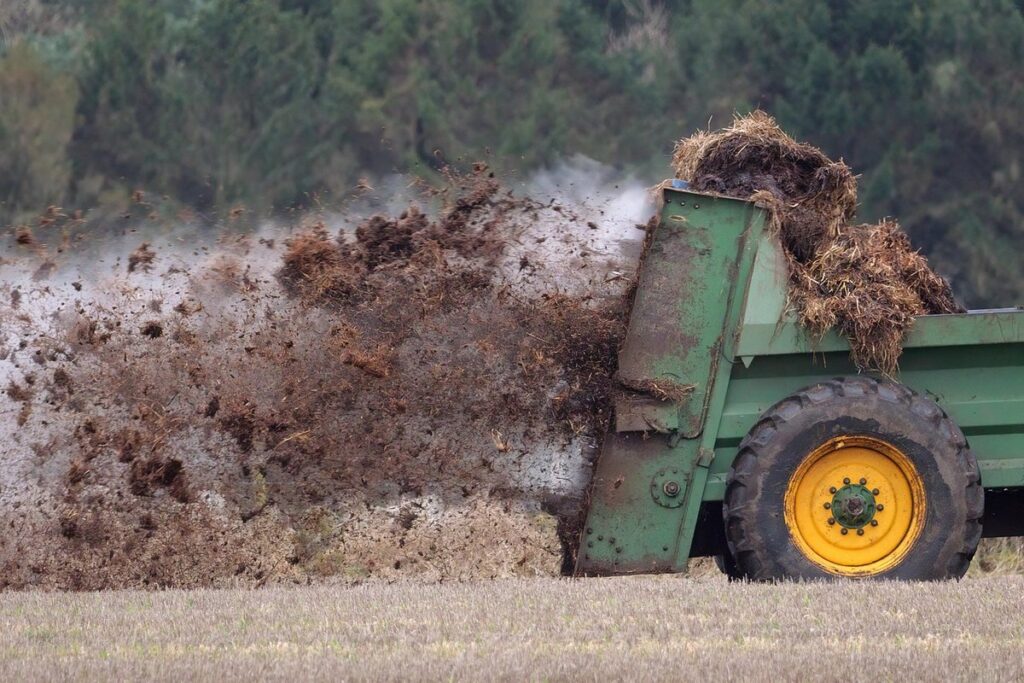
When it comes to organic fertilizers, there are numerous types to explore, each offering unique benefits for your garden. Animal manure is a popular choice, derived from livestock like cows, chickens, and horses. Rich in nutrients like nitrogen, phosphorus, and potassium, this fertilizer promotes healthy plant growth and soil fertility.
Composting is another essential organic fertilizer that converts kitchen scraps and yard waste into a nutrient-dense additive for your soil. This natural process breaks down complex materials into simpler forms, releasing beneficial microbes that support microbial activity in the soil.
Green sand, also known as glauconite, is a rich source of potassium that enhances plant resistance to disease and promotes vibrant foliage. Its slow release ensures a steady supply of nutrients over an extended period. When using green sand, it’s essential to mix it with other organic fertilizers for optimal results.
Lastly, bone meal is another natural option made from ground animal bones, providing phosphorus, nitrogen, and calcium to support plant development and root growth. This fertilizer is particularly beneficial for flowering plants and fruits.
Natural Sources of Organic Fertilizers
As a gardener looking for sustainable alternatives, you’re likely wondering where to find natural sources of organic fertilizers that can nourish your plants without harming the environment. Nature has provided us with plenty of options.
Animal Manure and By-Products
Animal manure and by-products can be an excellent source of organic fertilizers for sustainable gardening. These natural resources are rich in nutrients like nitrogen, phosphorus, and potassium that promote healthy plant growth. Chicken, cow, horse, and pig manures are commonly used as fertilizer due to their high nutrient content.
However, it’s essential to note the potential risks associated with using animal manure. If not composted properly, manure can contain pathogens like E. coli, which can harm humans and plants. Additionally, overuse of manure can lead to an imbalance in soil pH levels. To mitigate these risks, make sure to compost manure before applying it to your garden.
Some beneficial by-products include fish emulsion, bone meal, and alfalfa meal. These products are rich in nutrients and can be added to your compost pile or used directly as a fertilizer. When using animal manure and by-products, ensure you follow the recommended application rates to avoid over-fertilizing your plants.
Composting: Turning Waste into Nutrient-Rich Soil
Composting is one of the most effective ways to turn waste into nutrient-rich soil for your garden. By understanding the composting process and its benefits, you can reduce household waste, create a sustainable gardening practice, and produce healthy plants.
The composting process begins with collecting organic materials such as food scraps, yard trimmings, and paper products. These materials are then mixed together in a designated area, allowing for decomposition to occur. Microorganisms like bacteria and fungi break down the organic matter into a rich, dark soil amendment that’s teeming with nutrients.
Composting offers numerous benefits for gardening. For one, it reduces waste sent to landfills by converting organic materials into a valuable resource. Additionally, compost can improve soil structure, increase its water-holding capacity, and support beneficial microbial activity – all of which contribute to healthier plants.
To start composting, gather a variety of organic materials like fruit and vegetable scraps, leaves, grass clippings, and shredded paper. Aim for a mix of 2/3 “brown” (dried) materials and 1/3 “green” (wet) materials. Avoid adding meat, dairy, or oily foods as they can attract pests and create odors. Regularly turning the compost pile ensures decomposition occurs efficiently, resulting in a finished product that’s perfect for fertilizing your garden beds.
Synthetic Alternatives to Organic Fertilizers
As you explore sustainable gardening options, synthetic alternatives to organic fertilizers offer a convenient and effective way to provide your plants with essential nutrients. Let’s take a closer look at some of these options.
Pros and Cons of Using Synthetic Fertilizers
While organic fertilizers are gaining popularity for their environmentally friendly benefits, synthetic fertilizers remain a common choice among gardeners. However, it’s essential to weigh the pros and cons of using synthetic fertilizers before making a decision.
Synthetic fertilizers offer several advantages, including fast-acting results and high yields. They contain concentrated amounts of nitrogen, phosphorus, and potassium (NPK), which can quickly boost plant growth. For example, a study by the University of California found that synthetic fertilizer applications increased corn yields by 20% in just one season. Additionally, synthetic fertilizers are often cheaper than organic alternatives.
However, there are also several drawbacks to using synthetic fertilizers. They can contaminate soil and waterways, causing environmental harm and potentially harming human health. Furthermore, overuse of synthetic fertilizers can lead to soil degradation and reduced fertility. For instance, a study by the US Environmental Protection Agency found that excessive use of nitrogen-based fertilizers contributed to the formation of dead zones in waterways.
If you still choose to use synthetic fertilizers, follow these guidelines: Use them sparingly, avoid over-application, and rotate crops regularly to maintain soil health.
Green Sand: A Natural Alternative to Synthetic Fertilizers
Green sand has been gaining attention as a natural alternative to synthetic fertilizers, and for good reason. This natural mineral supplement is rich in potash, sulfur, and iron, making it an excellent addition to your soil health routine.
Using green sand can have numerous benefits for your garden’s ecosystem. It helps to improve soil structure, increase nutrient availability, and even reduce the need for synthetic fertilizers. The high concentration of micronutrients in green sand makes it particularly effective at promoting healthy plant growth and supporting beneficial microorganisms in the soil.
One of the advantages of using green sand is its ability to act as a slow release fertilizer. As it breaks down, it provides a steady supply of nutrients to plants over an extended period, reducing the risk of over-fertilization that can harm the environment. To incorporate green sand into your gardening routine, simply mix 1-2 cups per square foot of soil, depending on the specific needs of your garden.
Overall, incorporating green sand into your organic fertilizers list is a great way to promote sustainable gardening practices and create healthier, more resilient soils for years to come.
DIY Organic Fertilizer Recipes
Create your own natural fertilizers at home using common kitchen scraps and garden waste, perfect for a sustainable gardening approach that’s gentle on the environment. We’ll share 3 simple recipes to get you started.
Compost Tea: Brewing Up Nutrient-Rich Liquid Fertilizer
Compost tea is a liquid fertilizer that’s made by steeping compost in water. It’s essentially a concentrated solution of beneficial microbes and nutrients that can be used to fertilize plants without harming the environment. To make compost tea, you’ll need a bucket or container with a lid, some mature compost, and clean water.
Start by filling your bucket about 1/4 full with compost. Then add water, making sure that the liquid level is at least twice as high as the compost layer. Stir well to ensure that all of the compost gets saturated with water. Allow the mixture to steep for 24 hours, then strain it through a cheesecloth or a fine-mesh sieve into another bucket. Discard the solids and reserve the liquid fertilizer.
Compost tea can be applied directly to plant roots as a foliar spray or added to irrigation systems. It’s an excellent way to provide plants with essential nutrients and beneficial microbes while promoting healthy soil biota.
Epsom Salt and Baking Soda Fertilizer Recipe
Making Your Own Epsom Salt and Baking Soda Fertilizer is Easy and Effective
If you’re looking for a simple and budget-friendly way to give your plants an organic boost, consider combining Epsom salt and baking soda. This DIY fertilizer recipe uses two readily available ingredients that are gentle on the soil and environment while providing essential nutrients.
To make this fertilizer, mix 1 tablespoon of Epsom salt with 1 tablespoon of baking soda per gallon of water. Stir until the salts dissolve, then use the solution as you would a regular fertilizer. This mixture is particularly beneficial for plants that require high levels of magnesium and potassium, such as roses, tomatoes, and peppers.
Some key benefits of using this homemade fertilizer include improved soil structure, increased nutrient availability, and reduced soil acidity. Additionally, Epsom salt can help to alleviate common plant issues like yellowing leaves and stunted growth caused by magnesium deficiencies.
Tips for Effective Organic Fertilizer Use
Now that you know what organic fertilizers are and how they work, let’s dive into some essential tips to get the most out of your fertilizer use. Proper application is key to achieving optimal results.
Soil Testing: Understanding Your Soil’s Nutrient Needs
Soil testing is an essential step in determining which organic fertilizers will provide the best results for your garden. By understanding your soil’s nutrient needs, you can choose the right fertilizers to address specific deficiencies and promote healthy plant growth.
Most soils have unique characteristics that affect their ability to retain nutrients. Factors such as pH levels, texture, and composition all impact how well your plants absorb essential micronutrients like nitrogen, phosphorus, and potassium. A soil test will provide a detailed breakdown of these factors, allowing you to identify areas where organic fertilizers can be most effective.
Some common issues that a soil test may reveal include low nutrient levels, high salt content, or an imbalance in the pH level. For example, if your soil test shows low phosphorus levels, you can choose an organic fertilizer rich in phosphorus to promote root development and flowering. By tailoring your fertilization approach to your specific soil needs, you’ll see improved plant health and a more sustainable gardening practice overall.
Consider sending a sample of your soil to a lab for analysis or using DIY testing kits to get a basic understanding of your soil’s condition. This initial investment will pay off with more effective fertilizer use and reduced waste over time.
Application Methods: Getting the Most Out of Your Organic Fertilizers
When applying organic fertilizers, it’s essential to choose the right method for maximum effectiveness. Broadcasting is one of the most common methods, where you evenly spread the fertilizer over the soil surface. This is ideal for large areas and can be done with a spreader or by hand.
Another effective approach is side-dressing, where you apply the fertilizer directly next to plant roots. This method is perfect for smaller gardens or when using liquid fertilizers. Simply dig a shallow trench alongside your plants and mix in the fertilizer.
Drip irrigation systems also offer an efficient way to deliver organic fertilizers directly to plant roots. These systems involve placing tubes with small holes near each plant, allowing the fertilizer to seep into the soil as it waters. This method is ideal for gardens where space is limited or when using water-soluble fertilizers.
When choosing a method, consider factors like soil type, climate, and plant requirements. Experimenting with different approaches can help you find what works best for your garden.
Common Mistakes to Avoid with Organic Fertilizers
When using organic fertilizers, it’s easy to get caught up in excitement and forget some crucial dos and don’ts that can harm your garden. We’re sharing the common mistakes to avoid for a thriving and sustainable garden.
Over-Application: The Pitfalls of Too Much of a Good Thing
Over-applying organic fertilizers may seem counterintuitive, as they’re generally considered a safe and beneficial addition to your garden. However, excessive use can lead to an overabundance of nutrients in the soil, causing more harm than good.
When you apply too much fertilizer, it can cause an imbalance in the soil’s pH levels, leading to nutrient deficiencies or toxic buildup. This can stunt plant growth, reduce yields, and even kill off beneficial microorganisms that help break down organic matter.
To avoid these pitfalls, be mindful of the recommended application rates for each type of fertilizer. A general rule of thumb is to start with a small amount (about half the recommended dose) and gradually increase as needed. It’s also essential to consider the specific needs of your plants and adjust your fertilization schedule accordingly.
For example, if you’re using a compost-based fertilizer, it’s best to apply it in smaller doses throughout the growing season rather than all at once. This will allow the microorganisms to break down the organic matter more efficiently, reducing the risk of over-fertilization.
Choosing the Wrong Type of Organic Fertilizer for Your Plants
When it comes to choosing an organic fertilizer for your plants, it’s not just about selecting any old option. Selecting the wrong type of organic fertilizer can have serious consequences on both plant health and soil well-being.
For instance, using a high-nitrogen fertilizer on seedlings or young plants can lead to weak and leggy growth, as these plants require more phosphorus and potassium for healthy development. Similarly, applying an acidic fertilizer to alkaline-loving plants like succulents can cause nutrient deficiencies and even kill the plant altogether.
To avoid such mistakes, it’s crucial to match your organic fertilizer with the specific needs of your plants. Consider factors like pH level, plant type, age, and growth stage when selecting a fertilizer. A balanced fertilizer that contains an N-P-K ratio (nitrogen-phosphorus-potassium) suitable for your plant’s requirements will be more beneficial than one that is too high or low in certain nutrients.
For example, if you’re growing tomatoes, look for a fertilizer with a higher phosphorus content to promote fruiting and flowering.
Frequently Asked Questions
How do I know which type of organic fertilizer is best for my plants?
Choose a fertilizer based on the specific needs of your plants, such as nitrogen-rich options for fruiting plants or phosphorus-rich options for flowering plants. Consider factors like soil pH, nutrient deficiencies, and plant growth stages to select the most suitable organic fertilizer.
Can I mix different types of organic fertilizers together?
Yes, you can combine different organic fertilizers to create a customized blend that addresses your plants’ specific needs. However, be cautious not to overdo it, as excessive application can lead to imbalanced nutrient levels and potential environmental harm. Start with small batches and monitor your plants’ response.
How do I store and preserve my homemade compost tea?
Store compost tea in an airtight container in the refrigerator at a temperature below 40°F (4°C). Shake the container well before use to redistribute the nutrients. If you can’t use it within a few days, consider freezing or dehydrating the liquid fertilizer for later use.
What are some common mistakes to avoid when using organic fertilizers?
Avoid over-application of organic fertilizers, as this can lead to nutrient imbalances and potential environmental harm. Also, be mindful of incorrect application methods, such as applying too much fertilizer at once, which can cause root burn or other damage to your plants.
Can I use Epsom salt and baking soda together in the same recipe?
Yes, you can combine Epsom salt and baking soda to create a balanced fertilizer. Mix 1 tablespoon of Epsom salt with 1 teaspoon of baking soda per gallon of water for a general-purpose fertilizer. Adjust the ratio based on your plants’ specific needs and soil type.