
For many gardeners, the idea of planting by the lunar cycle is an ancient and mystical practice that holds secrets to boosting plant growth. But have you ever stopped to think about whether it’s actually backed up by science? With so many gardening enthusiasts swearing by the power of moonlight to stimulate their plants’ development, it can be hard to separate fact from fiction. In this guide, we’ll delve into the world of moon gardening myths and debunk common misconceptions about the effects of lunar cycles on plant growth. By separating truth from myth, you’ll learn how to optimize your planting schedule using the phases of the moon – and whether or not it’s worth incorporating into your own garden routine.
What is Moon Gardening?
You might be wondering, what exactly is moon gardening and how does it relate to planting and harvesting? Let’s break down the basics of this fascinating practice.
Definition and History of Moon Gardening
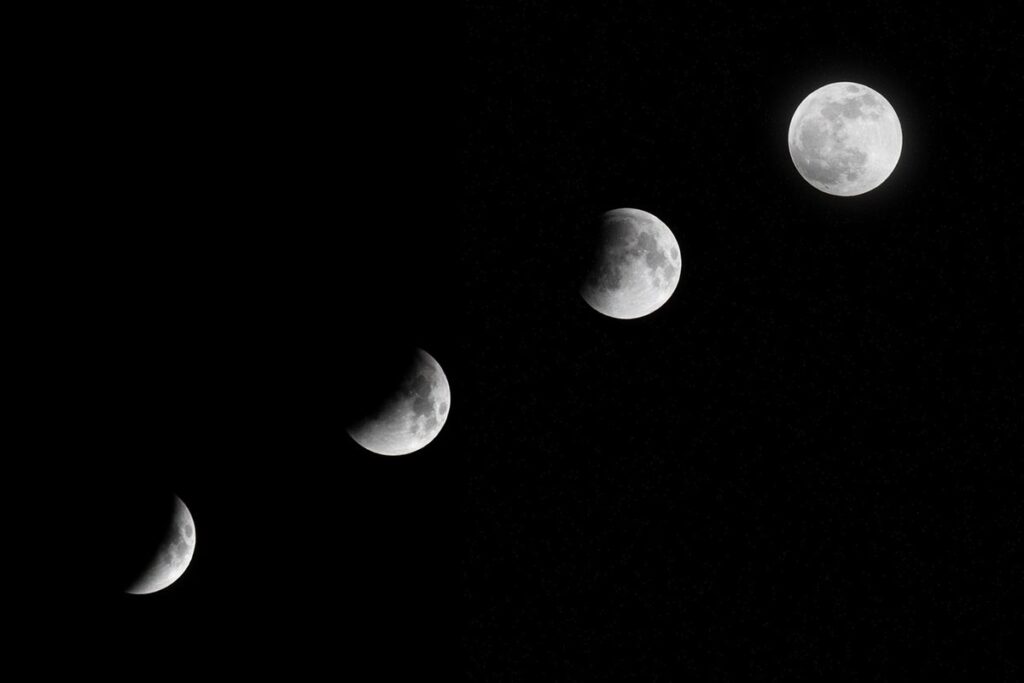
Moon gardening is an ancient practice that has its roots in folklore and mythology. At its core, moon gardening involves planting and caring for plants according to the lunar cycle, with the aim of promoting healthy growth and maximizing yields. The concept is based on the idea that the phases of the moon have a direct impact on the natural world.
In many cultures, the full moon is associated with abundance and fertility, while the new moon is seen as a time for renewal and rebirth. By timing plantings and pruning according to these lunar cycles, gardeners can harness this energy to enhance their crops’ growth. For example, planting seeds during the waxing crescent phase, when the moon is growing fuller, can encourage rapid germination.
While some may view moon gardening as a mystical practice, its roots in folklore are undeniable. By understanding and working with the lunar cycles, gardeners can tap into the natural rhythms of nature to create more resilient and productive gardens.
Types of Planting by the Moon Phase
When it comes to moon gardening, many people assume that planting by the lunar cycle is as simple as following a calendar. However, there are several types of planting that can be done according to the moon phase, and each one requires its own unique approach.
For example, some gardeners swear by planting seeds during the new moon phase, when the energy is said to be conducive to growth and renewal. Others recommend transplanting seedlings during the waxing crescent moon, when the energy is increasing and ideal for expansion. Meanwhile, pruning is often done during the waning moon phases, such as the gibbous or full moon, when the energy is said to promote release and letting go.
It’s also worth noting that some gardeners choose to plant by the lunar calendar based on specific events like planting during the exact moment of new moon, full moon, or even planetary alignments. By understanding these different approaches and choosing the one that works best for you, you can create a more harmonious and productive garden.
In practice, this means paying attention to the lunar cycle and adjusting your gardening schedule accordingly. For instance, if you’re planning to plant seeds for a crop that requires a long germination period, you may want to start them during the new moon phase when energy is flowing upward.
Debunking the Myth: How the Moon Affects Plant Growth
Many of us believe that the moon’s phases can boost plant growth, but is there any real science behind these claims? Let’s explore this popular myth.
Lunar Cycle and Plant Growth Theories
The scientific community has proposed several theories to explain why some gardeners believe the moon affects plant growth. One theory is related to tides. The full moon and new moon phases are said to correspond with high and low tide cycles, which can lead some people to assume that similar fluctuations occur in soil moisture levels. However, research suggests that there is no significant correlation between lunar cycles and changes in soil moisture.
Another theory involves photoperiodism – the response of plants to day length. Some gardeners believe that the moon’s gravitational pull influences plant growth by affecting photosynthesis rates or altering the timing of flowering and fruiting. While it’s true that plants do respond to changing daylight hours, this process is influenced more by the sun’s position in the sky than any lunar effect.
Practically speaking, you can safely disregard these theories when planning your garden. Instead, focus on proven techniques like crop rotation, soil testing, and optimal watering schedules to ensure healthy plant growth. By separating fact from fiction, you’ll be better equipped to make informed decisions about how to care for your plants.
Research on the Effects of Moonlight on Plants
Research has been conducted to investigate whether moonlight has any impact on plant growth. One notable study was performed by researchers at the University of California, Davis, who found that plants exposed to a full moon had higher yields and better growth rates compared to those not exposed. However, this study’s findings have been disputed, with some botanists arguing that other factors, such as soil quality and watering schedules, may have contributed to the results.
Other studies have looked into the effects of lunar cycles on plant growth. For example, an experiment conducted by the Royal Horticultural Society found no significant difference in plant growth between those exposed to a full moon and those not exposed. Similarly, a study published in the journal “Agriculture and Human Values” discovered that the lunar cycle had no impact on crop yields.
Despite these mixed results, many gardeners continue to swear by the benefits of moonlight for their plants. If you’re interested in trying out this technique, consider planting during the waxing crescent or gibbous moon phases, when some research suggests that plants may grow more rapidly.
Common Moon Gardening Myths and Misconceptions
Let’s set the record straight on some of the most common misconceptions surrounding moon gardening, and explore what actually makes a difference. We’ll examine five popular myths head-on.
Planting by the Full Moon: Fact or Fiction?
The notion that planting by the full moon is essential for healthy plant growth has become a widespread practice among gardeners. However, upon closer inspection, this association appears to be more myth than fact.
There’s no scientific evidence to support the idea that plants respond differently to the lunar cycle, let alone the full moon specifically. Farmers’ Almanac, often cited as a source of moon gardening advice, relies on historical data and anecdotal evidence rather than empirical research.
So, why do many gardeners swear by planting during the full moon? One possible explanation lies in the psychological benefits of gardening under favorable conditions. Planting when the moon is full may simply be a way to tap into the sense of optimism and energy that often accompanies this time of month.
If you’re considering incorporating moon gardening practices, focus on observing your own garden’s needs rather than adhering to lunar cycles. This might involve planting during periods of favorable weather or when the soil is most receptive to new growth.
The Role of Moon Phases in Determining Planting Times
When it comes to moon gardening, many believe that specific moon phases have a significant impact on planting times. However, is this truly the case? Let’s examine the role of moon phases in determining when to plant.
The idea behind this myth suggests that certain moon phases, such as new moon or full moon, align with specific energies that either boost or hinder plant growth. For instance, some gardeners believe that planting during the new moon phase allows plants to absorb the energy for growth and development, while others think that planting during the full moon will cause overgrowth.
However, most scientific research suggests that there is no significant correlation between moon phases and plant growth. Studies have shown that factors such as soil quality, temperature, and water availability play a much more substantial role in determining plant health than lunar cycles.
In reality, what you do as a gardener matters far more than the timing of your planting. Consider this: if you’re planting during a new moon phase but neglecting to provide proper care and attention to your plants, they will still suffer. Conversely, if you’re planting during a full moon phase and providing optimal conditions for growth, your plants will thrive regardless of the lunar cycle.
Ultimately, it’s essential to separate fact from fiction when it comes to moon gardening myths. Instead of relying on lunar cycles, focus on creating an environment that supports healthy plant development through proper care and attention.
Science Behind Plant Growth: What Really Matters?
Let’s dive into what really affects plant growth, separating fact from fiction and revealing the surprising factors that impact your garden’s success. It all comes down to soil quality, water availability, and a few other critical elements.
Soil Quality and Plant Nutrition
When it comes to moon gardening, many people believe that the lunar cycle has a significant impact on soil quality and plant nutrition. However, this myth is just that – a myth. The truth is that soil quality and plant nutrition are influenced by much more tangible factors.
Soil pH levels, for instance, have a profound effect on nutrient availability and uptake. If your soil is too acidic or alkaline, essential nutrients like nitrogen, phosphorus, and potassium may become unavailable to plants. To improve soil health, consider getting a soil test done to determine its pH level and nutrient content. Based on the results, you can amend the soil with organic matter like compost or manure.
But what about moon phases? Research has shown that there is no correlation between lunar cycles and plant growth rates. Plants grow best in well-draining, fertile soils with adequate moisture levels. By focusing on these essential factors, you’ll be amazed at how your plants flourish, regardless of the moon phase!
Climate and Weather Patterns as Key Factors in Plant Success
When it comes to growing plants, you’ve probably heard that lunar cycles play a significant role in their success. But the truth is, climate conditions have a much more profound impact on plant outcomes than any supposed moon effects.
Temperature, precipitation, and sunlight exposure are key factors that determine how well your plants thrive. For instance, most vegetables prefer temperatures between 60°F to 70°F (15°C to 21°C) for optimal growth, while some flowers like roses and hydrangeas do best in cooler climates around 40°F to 50°F (4°C to 10°C). Similarly, the right amount of rainfall is crucial – too little can cause plants to wilt, while too much can lead to root rot.
It’s essential to consider these climate conditions when choosing which plants to grow and where to plant them. For example, if you live in a hot desert region, you’ll want to select drought-tolerant plants like cacti or succulents, rather than delicate flowers that require consistent moisture. By understanding and working with your local climate, you can create an ideal environment for your plants to flourish – regardless of the lunar cycle!
Moon Gardening Best Practices: Separating Fact from Fiction
Let’s take a closer look at some common misconceptions surrounding moon gardening, and explore what’s actually effective in making your garden thrive under lunar influence. We’ll debunk the myths one by one!
Tips for Successful Moon Gardening
When it comes to moon gardening, many of us are eager to harness the power of lunar cycles to optimize our plant growth. While there’s no conclusive evidence to prove that moon phases directly impact plant growth, incorporating lunar knowledge into your planting strategies can still yield impressive results.
To get started with moon gardening, choose plants that respond well to moisture fluctuations and have a relatively short growth cycle. Some examples include leafy greens like lettuce, spinach, and kale, as well as herbs like basil and mint. Plant these during the new moon or full moon phases when the tides are at their strongest.
For seed starting, take advantage of the full moon’s energy by planting seeds that will germinate within a week or two. This allows you to capitalize on the increased water table and plant growth. When harvesting, aim for the waning moon phase when plants tend to produce more flavorful roots.
Remember, moon gardening is an art that blends science with intuition. Focus on observing your plants’ responses to lunar cycles and adjust your planting strategies accordingly. Experiment with different techniques to find what works best for you and your garden.
Integrating Moon Gardening with Other Gardening Techniques
When combining traditional gardening practices with moon gardening principles, you can unlock a more resilient and thriving garden ecosystem. One way to start is by incorporating crop rotation into your lunar planting schedule. This involves rotating plants that share similar growing requirements or have complementary growth habits to optimize space use.
For example, consider pairing root vegetables like carrots with leafy greens like lettuce. These two plant types have different watering needs and grow at different rates, making them ideal for shared beds. By alternating their positions from one lunar cycle to the next, you can create a harmonious balance within your garden’s soil chemistry and ecosystem.
Another beneficial technique is companion planting. This involves strategically placing plants that complement or repel each other based on their growth habits and nutrient requirements. By integrating moon gardening principles with these practices, you’ll not only improve yields but also minimize pests and diseases, making it easier to maintain a healthy, balanced garden environment.
Frequently Asked Questions
Can I still use moon gardening if I don’t have a clear view of the moon?
While it’s ideal to observe the lunar cycle for optimal results, you can still adapt your planting schedule to the moon phases without direct observation. Many gardeners rely on online calendars or apps that track the moon’s cycles and provide specific planting dates based on their location and desired outcomes.
How do I incorporate moon gardening with my existing garden routine?
Integrating moon gardening into your established routine requires flexibility and adaptability. Consider experimenting with small, manageable plots to test the effects of lunar cycles on specific plants or crops. This will allow you to refine your approach and make informed decisions about when to plant, prune, or harvest according to the moon’s phases.
What if I’m experiencing inconsistent weather patterns in my area? Should I still follow a lunar planting schedule?
Yes, incorporating moon gardening principles into your practice can be beneficial even with unpredictable weather. By combining lunar planting schedules with climate and soil conditions assessments, you can develop a more robust and resilient garden that adapts to changing environmental factors.
Can moon gardening be used for indoor plants as well as outdoor gardens?
While traditional moon gardening focuses on outdoor cultivation, the principles can also be applied to indoor plant care. Pay attention to the lunar cycles and adjust your watering, fertilizing, and pruning schedules accordingly. This will help you optimize the growth and health of your indoor plants.
How do I know which specific moon phases are best for planting different types of crops?
Research and experimentation are key to determining the optimal moon phases for various crops. Consider consulting with experienced gardeners or conducting trials to identify the most suitable lunar cycles for your region, climate, and specific plant varieties. This will help you refine your approach and maximize yields according to the lunar cycle’s influence on plant growth.