
Soil testing is often overlooked by gardening enthusiasts, but it’s actually a crucial step in maintaining a healthy and thriving garden. Just like how our bodies need regular check-ups to identify potential health issues, your soil needs testing to determine its nutrient levels and pH balance. Without this vital information, you might be unwittingly feeding your plants nutrients they don’t even need, or worse, depriving them of essential elements altogether. In this comprehensive guide, we’ll show you why soil testing is a must for your garden’s health and well-being. We’ll walk you through the process of interpreting results, identifying nutrient deficiencies, and implementing strategies to maintain healthy soils that will reward you with bountiful harvests and vibrant growth.
Understanding the Need for Soil Testing
Before you start planting, it’s essential to understand why soil testing is crucial for your garden’s health and productivity. Let’s explore the reasons behind this simple yet vital process.
Why Test Your Soil?
Soil testing is often overlooked as an essential step in maintaining a healthy and thriving garden. However, it’s crucial to understand that soil testing can help identify nutrient deficiencies, pH imbalances, and contamination issues that may be affecting plant growth.
When you don’t test your soil, you’re essentially gardening blindfolded. You might add fertilizers or other amendments without knowing if they’ll actually do any good. For instance, adding too much nitrogen to a soil with an already high pH can lead to over-fertilization and subsequent root damage. On the other hand, under-fertilizing a nutrient-starved soil can result in weak plant growth.
Soil testing helps you understand what your soil needs to support optimal plant growth. By identifying nutrient deficiencies, you can tailor your fertilizers accordingly. For example, if a soil test reveals low potassium levels, you can apply potassium-rich fertilizers like wood ash or green sand to address the issue. Similarly, testing for pH imbalances allows you to adjust it to an ideal range for your plants.
By regularly testing your soil and making informed decisions based on the results, you’ll be able to grow healthier, more resilient plants with increased yields.
Common Problems Caused by Untested Soils
When soils are not tested, it can lead to a range of problems that can have serious consequences for your garden’s health and productivity. One of the most common issues is stunted growth, where plants struggle to reach their full potential due to nutrient deficiencies or imbalances. This can result in weak, spindly stems and reduced yields, making it difficult to harvest a bountiful crop.
Poor fruiting is another problem that can arise from untested soils. Fruit trees and vegetables require specific pH levels and nutrient profiles to produce high-quality fruit, but if these conditions are not met, the impact can be severe. A lack of essential nutrients like nitrogen, phosphorus, or potassium can lead to reduced fruit size, poor flavor, and lower yields.
In the long term, neglecting soil testing can have serious consequences for your garden’s health and fertility. Soil degradation can occur, leading to erosion, nutrient depletion, and reduced water retention capacity. This can make it difficult to maintain a healthy balance of beneficial microorganisms in the soil, further exacerbating problems like stunted growth and poor fruiting. Regular soil testing can help you identify issues early on, allowing for prompt corrective action and preventing these long-term consequences from arising.
Types of Soil Tests Available
So, you’ve decided to get your soil tested but aren’t sure where to start? Let’s dive into the different types of tests that can help identify your garden’s unique needs.
Laboratory Testing
When it comes to understanding the composition and condition of your garden’s soil, laboratory testing is an essential step. There are several types of laboratory tests available for analyzing soil samples, each providing valuable insights into different aspects of your soil’s health.
pH Testing: This test measures the acidity or alkalinity of your soil, which affects nutrient availability and plant growth. A pH level between 6.0 and 7.0 is generally considered optimal for most plants. If your soil’s pH is too high or low, it can limit the uptake of essential nutrients.
Nutrient Testing: This test determines the levels of macronutrients (nitrogen, phosphorus, potassium) and micronutrients (such as iron and zinc) in your soil. These elements are crucial for plant growth, and knowing their levels will help you tailor your fertilization strategy accordingly.
Contamination Testing: Unfortunately, soils can be contaminated with pollutants like heavy metals, pesticides, or industrial chemicals. This test helps identify the presence of such contaminants, allowing you to take corrective action to ensure a safe growing environment.
To collect a soil sample for laboratory analysis, follow these steps:
* Choose a representative area of your garden
* Dig a small trench about 6-8 inches deep
* Collect a sample from the top 4-6 inches of soil
* Label and store the sample in an airtight container
Once you have collected your sample, submit it to a reputable laboratory for analysis. Be sure to follow their guidelines for packaging and shipping to ensure accurate results.
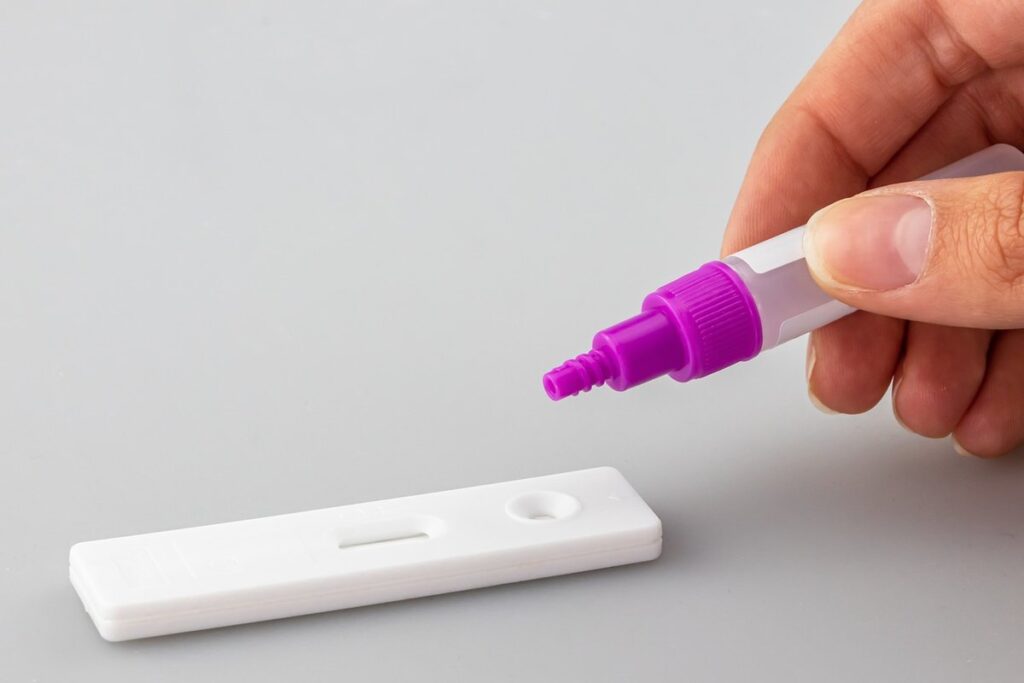
DIY Soil Testing Kits
DIY soil testing kits have become increasingly popular among gardeners due to their convenience and affordability. These kits typically include a series of color-coded test strips or vials that allow you to measure pH levels, nutrient content, and other essential parameters.
One of the main advantages of DIY kits is their speed – results are often available within minutes, making it easier to make adjustments to your soil before planting. However, it’s essential to note that these kits usually only provide a general indication of your soil’s condition, rather than an exact measurement. For example, some kits may categorize pH levels into broad ranges (e.g., acidic, neutral, alkaline), but not provide an exact value.
While DIY kits can be a useful starting point, they are limited in their scope and accuracy compared to laboratory testing. They often don’t account for various environmental factors that can affect soil conditions, such as salinity or heavy metal contamination. If you’re serious about getting accurate results, it’s still recommended to send your samples to a professional lab for analysis.
Interpreting Your Soil Test Results
Now that you’ve got your soil test results, let’s dive into what they mean and how to use them to create a thriving garden. We’ll break down the key components of your report.
Understanding pH Levels
When it comes to interpreting your soil test results, understanding pH levels is crucial for plant growth and overall garden health. pH measures the acidity or alkalinity of your soil, ranging from 0 (acidic) to 14 (alkaline). Most plants prefer a slightly acidic to neutral soil pH between 6.0 and 7.0. For example, tomatoes thrive in a pH range of 6.2 to 6.8, while blueberries require an acidic pH between 4.0 and 5.5.
To determine if your soil’s pH is suitable for your plants, look for the pH value on your test results. If it falls outside the ideal range for your specific plant species, you may need to adjust the pH level. This can be achieved by adding lime to raise the pH or sulfur to lower it. It’s essential to make adjustments gradually, as sudden changes can shock the plants’ roots and cause damage.
Keep in mind that some plants, such as azaleas and rhododendrons, require acidic soils and will not tolerate even slight increases in pH. Be sure to research the specific needs of your plants to ensure you’re providing optimal growing conditions. By understanding and adjusting pH levels, you can create a healthy environment for your garden to flourish.
Identifying Nutrient Deficiencies
When interpreting your soil test results, it’s essential to identify nutrient deficiencies that can impact your garden’s health. Common deficiencies include low levels of nitrogen (N), phosphorus (P), and potassium (K) – often referred to as NPK.
Nitrogen deficiency symptoms include pale or yellowing leaves, stunted growth, and reduced fruiting. Phosphorus deficiency can cause weak stem growth, delayed maturity, and poor root development. Potassium deficiency manifests as leaf scorch, premature aging, and susceptibility to diseases.
To address these deficiencies, you can use organic amendments such as compost, manure, or green sand. For example, adding 2-3 inches of compost to the soil can provide a slow release of nutrients over several months. Alternatively, using a balanced fertilizer with an NPK ratio suitable for your garden’s needs can help replenish these essential elements.
It’s also crucial to note that excessive nutrient levels can be detrimental to your plants. Therefore, it’s recommended to follow the recommended application rates on the fertilizer packaging and consult with local experts or gardening resources if you’re unsure about the best approach.
Soil Testing Methods for Different Garden Types
Different types of gardens require unique soil testing methods, and understanding these variations will help you choose the right approach for your garden. Let’s explore how to test soil in various gardening scenarios.
Vegetable Gardens
Testing and maintaining soil specifically designed for vegetable gardens requires careful attention to pH levels and nutrient requirements. Vegetable gardens thrive in well-draining, fertile soils with a slightly acidic to neutral pH (around 6.0-7.0). Regular testing helps determine the optimal pH range for your garden’s specific needs.
To test your vegetable garden’s soil, collect a sample from 6-8 inches deep and mix it with distilled water to create a consistent ratio. Then, use a digital pH meter or send the sample to a lab for analysis. Based on the results, adjust the pH levels as needed by adding lime to raise or sulfur to lower.
In terms of nutrient requirements, vegetable gardens demand a balanced diet of essential nutrients like nitrogen (N), phosphorus (P), and potassium (K). For example, leafy greens like lettuce and spinach require more N, while tomatoes and peppers benefit from increased K levels. A soil test will reveal the current nutrient status, guiding targeted amendments to ensure your vegetables receive what they need to grow strong and healthy.
Fruit and Nut Trees
When it comes to fruit and nut trees, soil testing is particularly crucial due to their unique requirements. Unlike vegetables and flowers, these trees need a specific pH level to thrive, which can be challenging to achieve. For example, avocado trees prefer a slightly acidic to neutral soil pH between 6.0 and 7.0, while citrus trees require a more alkaline pH range of 6.5 to 8.5.
Another consideration for fruit and nut trees is nutrient deficiencies, particularly nitrogen, phosphorus, and potassium. These essential macronutrients play a critical role in tree growth, fruit production, and overall health. For instance, a deficiency in nitrogen can cause leaves to turn yellow or brown, while a lack of phosphorus can result in poor root development.
Pruning practices also impact the soil testing process for fruit and nut trees. Regular pruning helps maintain tree shape, promotes air circulation, and prevents disease spread. However, pruning can also damage roots, leading to nutrient deficiencies if not addressed through targeted fertilization. Soil testing ensures that your tree’s specific needs are met, resulting in optimal growth, higher yields, and improved resistance to pests and diseases.
Best Practices for Soil Testing and Maintenance
Now that you know why soil testing is crucial, let’s dive into some essential best practices to get your soil analysis right and maintain healthy garden soil. We’ll cover what you need to do next.
Frequency of Testing
Soil testing frequency is crucial to ensure optimal plant growth and soil health. The ideal testing schedule depends on several factors including climate, soil type, and plant selection.
In areas with high rainfall or irrigation, it’s recommended to test your soils every 6-12 months to account for nutrient leaching and potential salt buildup. Conversely, dry climates may require less frequent testing (every 1-2 years), as nutrient depletion is slower in these conditions.
Soil type also plays a significant role in determining the frequency of testing. For example, heavy clay soils tend to retain nutrients more effectively than sandy loams, requiring less frequent testing.
For gardeners with specific plant selections, such as acid-loving azaleas or citrus trees, it’s essential to test your soils at least twice a year (every 6 months) to maintain optimal pH levels and nutrient availability. This ensures that these sensitive plants receive the necessary conditions for healthy growth.
Regular testing will help you identify any imbalances or deficiencies before they affect plant health, allowing for timely adjustments to fertilization and soil maintenance strategies. By tailoring your testing schedule to your specific garden’s needs, you can create a more resilient and thriving ecosystem.
Maintaining Healthy Soils
Maintaining healthy soils is crucial for a thriving garden. It’s not just about testing and analyzing soil samples; it’s also about implementing practices that promote soil health. Composting is an excellent way to maintain healthy soils. By adding organic matter like kitchen scraps, leaves, or grass clippings to your soil, you’re replenishing its nutrients and improving its structure.
Mulching is another vital practice for maintaining healthy soils. It helps retain moisture, suppress weeds, and regulate soil temperature. Organic mulch options include wood chips, bark, or straw. When applying mulch, aim for a 2-3 inch layer around your plants, keeping it a few inches away from the base of stems.
Crop rotation is another essential practice to minimize soil degradation and erosion. By rotating crops seasonally, you’re breaking disease cycles, replenishing nutrients, and preventing soil compaction. For example, if you planted tomatoes in a particular spot last year, consider planting legumes or leafy greens there this season.
By incorporating these practices into your gardening routine, you’ll be taking proactive steps towards maintaining healthy soils. This, in turn, will promote strong plant growth, prevent pests and diseases, and reduce the need for synthetic fertilizers and pesticides.
Common Myths About Soil Testing Debunked
Let’s set the record straight: many myths surround soil testing, causing confusion and misconceptions among gardeners. In the following section, we’ll tackle these common misconceptions head-on.
Myth: I Only Need to Test My Soils Once a Year
Testing your soil only once a year is a common myth that can lead to nutrient deficiencies and poor plant growth. The truth is, soil conditions can change significantly from one season to another, even if you’ve had the same type of plants growing on it for years.
For example, if you have a high rainfall area or experience droughts regularly, your soil’s pH levels may fluctuate wildly, affecting nutrient availability and uptake by plants. Similarly, if you’re using heavy fertilizers or mulches, these can alter the soil’s composition over time, requiring more frequent testing to ensure optimal conditions.
In fact, research has shown that soil testing every 3-6 months is ideal for most gardeners. This frequency allows you to catch any nutrient imbalances before they cause problems and adjust your fertilizer applications accordingly. Moreover, regular testing helps you monitor the impact of climate change on your soil, such as increased salinity or erosion.
To test your soils regularly, start by selecting a sampling method that works best for your garden size and layout. You can use a simple pH paper strip to get an initial reading, but for more accurate results, invest in a digital pH meter or send samples to a lab for analysis. Create a schedule to retest every 3-6 months and make adjustments as needed based on the data.
Remember, soil testing is not a one-time task – it’s an ongoing process that requires attention and adaptation. By testing regularly, you’ll be better equipped to provide your plants with the optimal growing conditions they need to thrive.
Conclusion
Now that you’ve taken the first step towards understanding your soil’s condition, it’s time to put what you’ve learned into practice. Soil testing is an essential tool for any gardener looking to optimize their garden’s potential. By knowing exactly what nutrients and pH levels are present in your soil, you can make informed decisions about fertilizers, amendments, and other gardening practices that will help your plants thrive. Remember, a healthy soil ecosystem is the foundation of a lush, vibrant garden, so don’t be afraid to get hands-on with the testing process. Keep track of your results and adjust your strategies accordingly – this is the key to unlocking the full potential of your garden.
Frequently Asked Questions
Can I Test My Soil Before Planting, or Do I Need to Wait?
You can test your soil before planting, but it’s essential to do so after the growing season, when the soil is more stable and accurate results can be obtained. However, if you’re new to gardening or have recently changed your garden’s conditions, testing before planting might be necessary.
How Often Should I Test My Soil for Optimal Garden Health?
The frequency of soil testing depends on various factors, including climate, garden type, and nutrient levels. As a general rule, test your soil annually, ideally during the spring season when new plant growth begins. However, if you notice significant changes or issues between tests, consider retesting.
What Happens If I Discover Nutrient Deficiencies in My Soil?
Identifying nutrient deficiencies is just the first step; implementing corrective measures is equally crucial. Based on your soil test results, adjust your fertilization schedule and amend your soil with necessary nutrients. Consider incorporating organic matter like compost or manure to improve overall soil fertility.
Can I Use DIY Testing Kits for Large or Commercial Gardens?
While DIY testing kits are convenient for small gardens, they may not be suitable for larger or commercial gardens due to the higher volume of samples required and the potential for inaccurate results. For these types of gardens, consider hiring a professional lab or using more extensive testing equipment.
How Do I Interpret pH Levels in My Soil Test Results?
Soil pH levels are crucial for plant growth, with optimal ranges varying depending on the plant type. Typically, most vegetables prefer slightly acidic to neutral soil (pH 6.0-7.0), while fruit and nut trees often tolerate more alkaline conditions (pH 6.5-8.0). Consider consulting your specific plant’s requirements when adjusting pH levels in your garden.