
Are you tired of relying on pesticides to keep your garden healthy? It’s time to think outside the box (or in this case, the garden bed)! Beneficial insects are a game-changer when it comes to creating a thriving ecosystem. Not only do they pollinate plants and help with seed dispersal, but they also act as a natural form of pest control. By attracting these valuable helpers to your garden, you’ll be able to reduce your reliance on chemicals and create a more balanced environment.
In this article, we’ll show you how to create a welcoming habitat for beneficial insects like bees, butterflies, and ladybugs. We’ll cover the importance of providing food, water, and shelter for these tiny titans, as well as some clever tips for attracting them to your garden. Whether you’re a seasoned gardener or just starting out, you won’t want to miss this essential guide to creating a beneficial insects garden that will take your gardening experience to the next level!
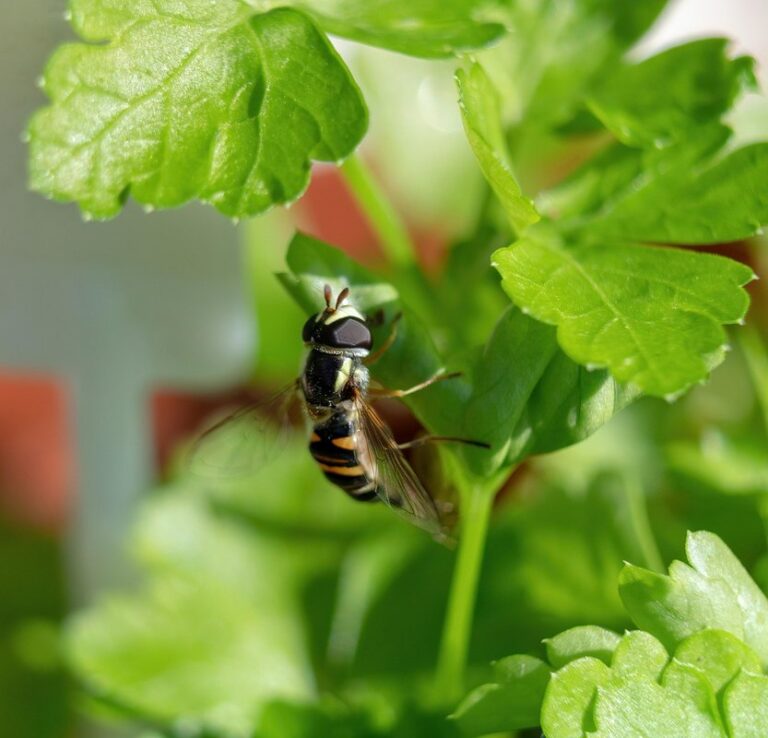
What Are Beneficial Insects?
Beneficial insects are fascinating creatures that play a crucial role in maintaining a healthy garden ecosystem, and it’s essential to understand what they are before we dive deeper into their importance. Let’s take a closer look at some of these amazing insects!
Importance of Beneficial Insects
Beneficial insects play a crucial role in maintaining a balanced ecosystem in your garden. One of their most significant contributions is pollination. Without these tiny creatures, plants would be unable to reproduce, and many crops would suffer drastically reduced yields. In fact, it’s estimated that one-third of the food we eat is directly or indirectly dependent on animal pollinators.
Beneficial insects also serve as a vital pest control mechanism in your garden. They feed on pests like aphids, whiteflies, and caterpillars, helping to keep their populations under control. Ladybugs, lacewings, and parasitic wasps are all excellent examples of beneficial insects that prey on common garden pests.
In addition to pollination and pest control, beneficial insects also play a key role in nutrient cycling. As they feed and move through your garden, they help to distribute nutrients from one plant to another. This process not only promotes healthy plant growth but also reduces the need for synthetic fertilizers.
To encourage beneficial insects in your garden, focus on creating a diverse range of flowers that provide nectar and host plants that offer shelter. By incorporating these simple practices into your gardening routine, you’ll be well on your way to establishing a balanced ecosystem that relies on beneficial insects to thrive.
Common Types of Beneficial Insects
Gardens are home to a diverse array of beneficial insects that play a crucial role in maintaining a healthy ecosystem. Among the most common types found in gardens are bees and butterflies. These pollinators are essential for plant reproduction, and their presence is often an indicator of a garden’s overall health. Bees, such as honeybees and bumblebees, are particularly valuable due to their high pollination efficiency.
Ladybugs and lacewings are also common beneficial insects found in gardens. Ladybugs prey on aphids, mealybugs, and other soft-bodied pests that can damage plants. Lacewings, on the other hand, feed on aphids, scale insects, and whiteflies. These beneficial insects are often introduced to gardens through biological control methods or by attracting them with suitable host plants.
Parasitic wasps, such as Trichogramma and Cotesia, are another type of beneficial insect that can be found in gardens. They prey on the eggs and larvae of pests like aphids, caterpillars, and beetles, helping to regulate their populations.
Creating a Beneficial Insect-Friendly Garden
To create a haven for beneficial insects, consider incorporating plants that provide nectar and shelter into your garden design. This will encourage these helpful visitors to stay and thrive.
Plant Selection for Beneficial Insects
When it comes to creating a beneficial insect-friendly garden, one of the most critical aspects is selecting plants that attract and support these valuable creatures. Beneficial insects are attracted to gardens with a diverse range of flowers, herbs, and vegetables that provide them with nectar, pollen, and host plants.
Some essential nectar-rich plants for beneficial insects include sunflowers, zinnias, cosmos, lavender, and coneflowers. These plants provide the necessary energy source for adult beneficial insects, such as bees and butterflies, to survive and thrive in your garden. For example, a single sunflower can support up to 100 different species of beneficial insects.
In addition to nectar-rich plants, host plants are crucial for certain beneficial insect species. Host plants provide food sources for caterpillars and larvae, allowing them to grow and develop into adult insects that will pollinate your garden and control pests. For example, marigolds are a host plant for the aphid-eating ladybug larva, while dill is a host plant for the beneficial wasp.
When selecting plants for your beneficial insect-friendly garden, remember to choose a mix of annuals and perennials that bloom at different times to provide a constant source of nectar and pollen throughout the growing season. This will ensure that your beneficial insects have access to the resources they need to survive and thrive in your garden.
Habitat Creation and Maintenance
Creating habitats that support beneficial insect populations is essential for attracting and maintaining these valuable garden friends. When it comes to shelter, consider incorporating native plants with hollow stems or flowers with long tubes that provide a safe haven for solitary bees and wasps. For example, bee-friendly plants like coneflower, black-eyed Susan, and lavender offer the perfect nesting sites.
Food sources are also crucial for beneficial insects, and this can be achieved by planting a diverse range of flowers that bloom at different times throughout the growing season. This ensures that nectar-rich blooms are available to pollinators when they’re most needed. Incorporating host plants is also vital, as these provide sustenance for caterpillars and other young stages of beneficial insects.
Providing water sources is another key aspect of creating a beneficial insect-friendly garden. This can be achieved by installing shallow dishes or birdbaths with fresh water and rocks or twigs for perching. Consider incorporating a source of mud, such as a muddy patch or a dish filled with soil, to provide beneficial insects with the materials needed to build their nests.
Attracting Beneficial Insects to Your Garden
To create a haven for beneficial insects, you’ll want to focus on attracting them through specific plant choices and garden design elements that provide food, shelter, and water. This section will cover those essential strategies.
Nectar-Rich Flowers and Herbs
Attracting beneficial insects to your garden requires more than just providing them with a food source. These pollinators and predators also need nectar-rich flowers and herbs to fuel their activities. Without these essential resources, they won’t be able to effectively perform their roles in maintaining the balance of nature.
Some plants are particularly attractive to certain species. For instance, lavender is a favorite among bees, which are drawn to its fragrance and purple color. Similarly, mint and oregano are magnets for butterflies and moths. When choosing nectar-rich flowers and herbs, consider the specific beneficial insects you want to attract. Planting a mix of annuals and perennials that bloom at different times will also ensure a constant supply of nectar throughout the growing season.
Some essential nectar-rich flowers and herbs include marigold, zinnia, sunflower, chamomile, and lemon balm. By incorporating these plants into your garden design, you’ll create an attractive destination for beneficial insects to fuel their activities. This will not only enhance biodiversity but also provide a natural defense against pests.
Host Plants for Specific Beneficial Insects
When it comes to attracting beneficial insects to your garden, providing them with the right host plants is crucial for their survival and success. Host plants serve as a food source, shelter, and breeding ground for these insects, supporting their life cycle from egg to adult. By choosing the right host plants, you can encourage beneficial insects to settle in your garden and thrive.
For example, ladybugs require milkweed (Asclepias spp.) and dill (Anethum graveolens) as host plants for their larvae. Lacewings, on the other hand, prefer fennel (Foeniculum vulgare), angelica (Angelica archangelica), and dill. Hoverflies (also known as flower flies) use plants like calendula (Calendula officinalis), marigold (Tagetes spp.), and zinnia (Zinnia spp.) for their larvae.
To create a beneficial insect-friendly garden, incorporate these host plants into your landscape design. Plant multiple species of the same type in different locations to provide shelter and food throughout your garden.
Managing Pests with Beneficial Insects
Let’s explore how beneficial insects can be used as a natural pest control method, reducing the need for chemicals and pesticides in your garden. We’ll dive into specific strategies for managing common pests.
Biological Control Methods
Biological control methods offer an effective and environmentally friendly way to manage pests using beneficial insects. Among these natural predators are parasitic wasps and ladybugs, which play a crucial role in maintaining ecological balance.
Parasitic wasps, for instance, prey on various garden pests such as aphids, whiteflies, and caterpillars. These wasps inject their eggs into the bodies of these pests, where the larvae feed on them, effectively controlling their populations. Some popular species of parasitic wasps include Trichogramma and Cotesia, which are widely used for biological control.
Ladybugs, on the other hand, primarily consume aphids and scale insects. These beneficial insects secrete a foul-tasting fluid from their leg joints when threatened, deterring potential predators. By introducing these natural predators into your garden ecosystem, you can create a self-sustaining balance between pest populations and beneficial insects.
When incorporating parasitic wasps or ladybugs into your biological control strategy, it’s essential to research the specific species’ needs and ensure compatibility with local climates and available food sources. This includes choosing the right variety of plants for them to thrive on, as well as considering potential risks associated with releasing non-native species.
Encouraging Beneficial Insects in a Pest-Prone Garden
When it comes to managing pests with beneficial insects, one of the most critical steps is encouraging their presence in the garden. In areas with high pest pressure, reintroducing beneficial insects can be a game-changer. To do this effectively, start by identifying the types of beneficial insects you want to attract – ladybugs for aphids, lacewings for whiteflies, or parasitic wasps for caterpillars, for example.
Once you’ve identified your targets, create a welcoming environment by incorporating plants that serve as host species or food sources. For instance, plant marigolds for hoverflies, which are attracted to their bright flowers and aphid-rich stems. You can also add sheltered spots like bamboo stakes or logs, providing beneficial insects with a safe haven from harsh weather conditions.
Another crucial aspect is maintaining a balanced ecosystem by avoiding broad-spectrum pesticides, which can decimate beneficial populations. Instead, opt for targeted controls or integrated pest management techniques that minimize harm to these valuable allies. By doing so, you’ll be well on your way to establishing a thriving and resilient garden ecosystem.
Monitoring and Maintaining Beneficial Insect Populations
To keep your beneficial insect populations thriving, it’s essential to monitor their presence and take steps to maintain a healthy balance in your garden. Regular checks will help you address any potential issues.
Tracking Beneficial Insect Activity
Monitoring beneficial insect activity is crucial to maintaining a healthy and balanced garden ecosystem. These insects play a vital role in pollination, pest control, and nutrient cycling, making it essential to track their population levels and activity.
One way to monitor beneficial insect activity is by observing the presence of specific species. For example, ladybugs are often used as an indicator of aphid populations, while lacewings can signal the presence of whiteflies. You can also use visual cues like webs spun by beneficial spiders or eggs laid by parasitic wasps.
To track population levels, you can establish a monitoring schedule using a garden journal or mobile app. Record observations of insect sightings, noting the date, time, and location of each sighting. This information will help you identify trends and patterns in beneficial insect activity.
It’s also essential to create a favorable environment for these insects by providing food sources like nectar-rich flowers and sheltering plants with dense foliage. By doing so, you’ll not only attract more beneficial insects but also encourage them to stay in your garden longer, effectively multiplying their benefits.
Integrated Pest Management (IPM) Strategies
When it comes to maintaining balanced ecosystems in your garden, Integrated Pest Management (IPM) strategies play a crucial role. IPM is an approach that focuses on long-term prevention and management of pests through a combination of techniques, rather than relying solely on chemical pesticides.
By incorporating beneficial insects into your pest management plans, you can create a more resilient and diverse ecosystem. For instance, introducing natural predators like ladybugs or lacewings to control aphid populations can reduce the need for chemical interventions.
Some effective IPM strategies include:
* Monitoring your garden regularly to identify potential pest issues early on
* Encouraging beneficial insects through habitat creation, such as providing nesting sites for solitary bees
* Using physical barriers or traps to prevent pests from entering your garden in the first place
* Implementing cultural controls like crop rotation and sanitation to reduce pest pressure
By adopting these strategies, you can create a balanced ecosystem that relies on natural predators and prey relationships to control pest populations.
Frequently Asked Questions
How Do I Know If My Garden Has Beneficial Insects Already?
Before creating a welcoming habitat, it’s essential to know if beneficial insects are already present in your garden. Look for signs like pollinated flowers, caterpillars on plants, or ladybugs on aphid-infested areas. Conducting a simple survey can give you an idea of the types and abundance of beneficial insects in your garden.
Can I Use Chemicals and Still Create a Beneficial Insect-Friendly Garden?
While it’s possible to incorporate beneficial insects into a chemical-heavy garden, their presence will be hindered by pesticides and other chemicals. For maximum effectiveness, it’s recommended to transition to organic gardening methods or create a separate area for beneficial insects.
How Often Should I Replace Nectar-Rich Flowers in My Beneficial Insect-Friendly Garden?
Nectar-rich flowers provide essential energy sources for beneficial insects. Rotate these plants regularly (every 6-8 weeks) to ensure a constant supply of nectar and prevent the development of pests that feed on the same resources.
What’s the Ideal Time to Create a Beneficial Insect-Friendly Garden in My Region?
The ideal time to establish a beneficial insect-friendly garden depends on your region. Generally, spring is an excellent season for planting nectar-rich flowers and host plants. However, it’s essential to research specific requirements for your area and consider factors like climate, soil quality, and local pest management practices.
Can I Use the Same Habitat Creation and Maintenance Strategies for All Types of Beneficial Insects?
While some beneficial insects share similar habitat needs, others have unique requirements. For example, solitary bees often prefer undisturbed areas with specific rock or stone structures, whereas butterflies need larger, open spaces with nectar-rich flowers. It’s crucial to research the specific needs of each beneficial insect species in your garden.