
If you’re looking to add some fresh produce to your backyard, consider growing cordon fruit trees. Not only do they provide delicious fruits, but they also offer a unique and space-saving way to grow multiple varieties in a small area. Cordon-trained trees are perfect for compact gardens or for those who want to maximize their harvest without sacrificing valuable space. With the right care and attention, these trees can thrive and produce fruit for years to come. In this article, we’ll take you through the benefits of growing cordon fruit trees, including planning, planting, training, pruning, and pest management. We’ll also cover common issues that may arise and provide expert advice on how to troubleshoot them. Whether you’re a seasoned gardener or just starting out, our comprehensive guide will give you the confidence to grow your own cordon fruit trees.
Benefits and Types of Cordon Fruit Trees
Cordon fruit trees offer numerous benefits, including space-saving and high-yielding potential. Next, we’ll explore the different types to choose from for your garden.
Introduction to Cordon Systems
Cordon systems are an essential aspect of growing cordon fruit trees. These unique pruning systems offer numerous benefits for growers, from increased yield and reduced labor to improved fruit quality and space efficiency.
At its core, a cordon system involves training the tree to grow along a single stem or cord, which is typically supported by a stake or trellis. This method differs significantly from traditional central leader systems, where the tree grows upwards towards the sky. By pruning the tree in this way, growers can control the direction and shape of the branches, allowing for more efficient harvesting and better air circulation.
Cordon systems are particularly useful for small-scale growers who want to maximize their space while still producing high-quality fruit. They’re also ideal for growing a variety of fruits, including apples, pears, and plums. By adopting this pruning technique, you can create a thriving and productive cordon system that will reward you with abundant harvests year after year.
One key advantage of cordon systems is their ability to promote fruiting wood from the beginning of the tree’s life. This means that your tree will start producing fruit sooner than if it were grown using traditional methods, allowing you to enjoy a quicker return on investment.
Choosing the Right Variety for a Cordon System
When selecting a fruit tree variety for a cordon system, it’s essential to choose options that are well-suited for this type of training. Cordon-trained trees require regular pruning and support to maintain their shape and promote healthy growth.
Dwarf and semi-dwarf varieties are excellent choices for cordon systems due to their compact size and natural tendency to produce multiple fruiting branches. These trees typically grow between 10-15 feet tall, making them perfect for small spaces or container growing. Some popular dwarf options include ‘Red Delicious’ apple, ‘Bartlett’ pear, and ‘Satsuma’ mandarin.
When choosing a variety, also consider the tree’s growth rate and fruiting characteristics. Look for varieties that are known to produce plenty of fruit at a young age and have a compact growth habit. For example, the ‘Doyenne du Comice’ plum is a semi-dwarf variety that produces large, flavorful fruits and can thrive in containers.
When planting your chosen variety, make sure to follow proper pruning techniques to encourage cordon growth. This will help you achieve the desired shape and promote healthy fruit production.
Understanding the Different Types of Cordon Systems
When it comes to cordon fruit trees, understanding the different types of systems is crucial for optimal growth and yield. The main types of cordon systems are rooted in traditional European methods of training fruit trees against a wall or fence.
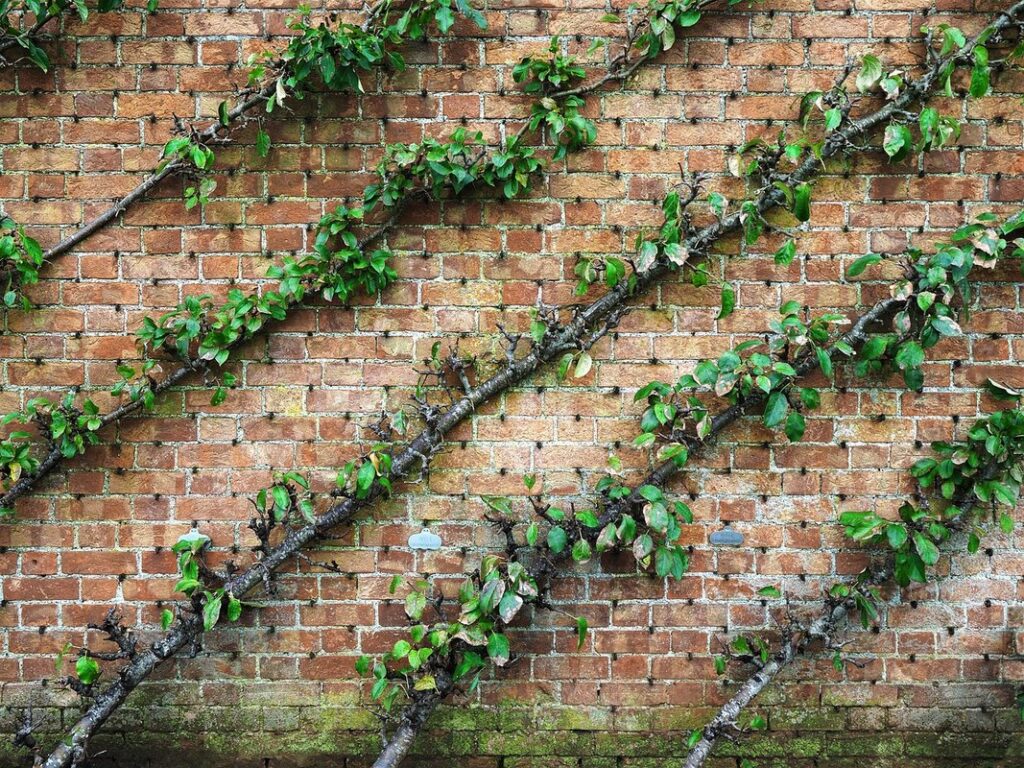
Espalier systems involve training the tree’s branches along a trellis or arbor, creating a flat plane for maximum sunlight exposure. This method requires regular pruning to maintain an open center structure and encourage horizontal growth. Espaliers are ideal for small spaces, as they can thrive in compact areas with limited root depth.
Cordons, on the other hand, involve training a single stem along a trellis or wire support, often with multiple fruiting branches emerging from the sides. This method is great for producing high-yielding crops and requires more frequent pruning to control growth and promote fruiting wood development.
Other variations include oblique cordon systems, where two stems are trained at an angle against a wall, and pyramidal cordon systems, which involve training multiple stems in a tiered pyramid structure. Each of these methods offers benefits for specific growing conditions, so it’s essential to choose the right system for your garden and climate.
Planning and Preparing Your Garden for a Cordon Fruit Tree
To ensure your cordon fruit tree thrives, it’s crucial to plan and prepare its garden spot carefully. This involves choosing the right location and soil conditions.
Assessing Your Climate and Soil Conditions
Understanding your local climate and soil conditions is crucial to growing a healthy cordon fruit tree. This is because different varieties of trees thrive in specific temperature ranges, humidity levels, and soil types. For instance, apple trees prefer cooler temperatures and well-drained soils, while citrus trees require warmer climates and more acidic soils.
To assess your climate, consider factors such as average temperature, rainfall, and sunlight hours. Research the specific requirements for the variety of cordon fruit tree you’ve chosen to grow. In temperate regions, winters can be harsh on young trees, so it’s essential to provide protection from frost damage. In areas with high rainfall, ensure your soil drains well to prevent waterlogged conditions that can lead to root rot.
For soil assessment, test your pH levels and nutrient content. Most fruit trees prefer a slightly acidic to neutral soil pH (around 6-7). Based on the results, you may need to amend your soil with organic matter or fertilizers to create an optimal growing environment. Knowing your local climate and soil conditions will help you choose the right variety for your garden and provide the necessary care to ensure a thriving cordon fruit tree.
Selecting the Perfect Location
When selecting a location for your cordon fruit tree, it’s essential to consider several key factors. Sunlight is a crucial element, as most cordon fruit trees require at least six hours of direct sunlight per day. Avoid planting near tall buildings or structures that may cast shade on your tree during the winter months when days are shorter.
Air circulation is also vital for healthy growth and disease prevention. Choose a location with good air movement to prevent fungal diseases from taking hold. A spot near a south-facing wall can provide the perfect combination of sunlight and warmth while allowing for excellent air circulation.
Protecting your cordon fruit tree from frost and wind is equally important. Frost pockets can form in low-lying areas, which can damage or kill your tree. Avoid planting in these areas and consider using frost cloth or other protective measures to safeguard your tree during harsh winter conditions. A sheltered location with some protection from strong winds will also help prevent damage to the tree’s branches and leaves.
When evaluating a potential location, take note of any nearby water sources that may cause root rot or attract pests. By carefully selecting a location with optimal sunlight, air circulation, and protection from frost and wind, you’ll set your cordon fruit tree up for success and ensure it thrives in its new environment.
Preparing the Soil for Planting
When preparing the soil for planting cordon fruit trees, it’s essential to consider the unique needs of these trees. Cordon fruit trees prefer well-draining, fertile soil with a pH between 6.0 and 7.0. To achieve this, test your soil to determine its pH level and nutrient content.
If your soil is heavy clay or sandy, you may need to amend it by adding organic matter such as compost or well-rotted manure. This will improve drainage and structure while providing essential nutrients for healthy tree growth. Avoid using peat moss or acidic fertilizers, as they can lower the pH of the soil.
Fertilize your cordon fruit trees with a balanced fertilizer (10-10-10 NPK) during planting, following the manufacturer’s instructions. You may also need to add calcium and magnesium supplements depending on the type of tree. For example, apple trees require more calcium than other varieties.
To ensure optimal growth, plant cordon fruit trees in a location that receives full sun and has good air circulation. This will help prevent disease and promote healthy fruiting.
Planting and Establishing Your Cordon Fruit Tree
To get your cordon fruit tree off to a strong start, we’ll guide you through the process of planting and establishing it successfully in this crucial stage. Follow these steps carefully for optimal results.
Selecting Healthy Nursery Stock
When selecting nursery stock for your cordon fruit tree, it’s essential to prioritize healthy plants with strong root systems and well-developed branches. A robust start will set the foundation for a thriving and productive tree.
To ensure you’re getting high-quality nursery stock, inspect the roots of each plant. Look for trees with an open root system, which indicates good air circulation and less risk of disease. Avoid trees with circling or constricted roots, as these can lead to poor water uptake and reduced tree growth.
Check the branches for signs of vigour, such as a strong central leader and well-spaced laterals. A balanced branch structure will promote even fruiting and make it easier to train your tree along the cordon system. Avoid plants with weak or leggy branches, which may require excessive pruning and delay establishment.
Planting Techniques for Success
When planting your cordon fruit tree, it’s essential to get it off to the right start. Begin by preparing the soil, loosening it to a depth of about 12-18 inches. This will give the roots room to grow and help prevent waterlogging. If you have heavy clay or sandy soil, consider adding organic matter like compost or well-rotted manure to improve its structure.
For cordon fruit trees, it’s crucial to plant them at the correct depth. Make sure the graft union (if your tree is grafted) is above the soil level and about 1 inch from the stem. This will prevent water from entering the union and causing rot. Plant the tree in a hole that’s slightly wider than the root ball, taking care not to compact the surrounding soil.
Water your tree thoroughly after planting, and keep it consistently moist during its first year. Avoid overwatering, which can lead to disease and pest issues. Mulch around the base of the tree to retain moisture, suppress weeds, and regulate soil temperature.
Post-Planting Care and Maintenance
In the first year after planting your cordon fruit tree, it’s crucial to provide regular care and maintenance to ensure a strong foundation for future growth. Watering is one of the most critical aspects of post-planting care, as it directly affects the tree’s ability to absorb nutrients and fight off diseases.
Aim to water your cordon fruit tree deeply once or twice a week, depending on weather conditions. For example, if you live in an area with high rainfall, you may need to reduce watering frequency to avoid overwatering. On the other hand, if it’s been dry for several days, make sure to provide extra moisture.
Fertilization is another essential aspect of post-planting care. Feed your cordon fruit tree with a balanced fertilizer during the growing season (spring-fall) to promote healthy growth and fruit production. Pruning also plays a vital role in maintaining the tree’s shape and promoting air circulation, which helps prevent diseases.
Regular pruning should be done at least once a year, removing any dead or diseased branches and shaping the tree to its desired form. By following these simple care practices, you’ll be well on your way to establishing a healthy and productive cordon fruit tree that will provide years of delicious fruit harvests.
Training and Pruning Your Cordon Fruit Tree
To keep your cordon fruit tree healthy and productive, it’s essential to learn proper training and pruning techniques that promote balanced growth. This includes guiding your tree’s branches and removing unwanted growth.
Understanding the Pruning Process
Pruning is an essential part of growing a healthy and productive cordon fruit tree. It’s not just about cutting away branches; it’s about guiding the tree’s growth to promote fruiting, maintain shape, and prevent disease. There are three main pruning techniques used on cordon fruit trees: tipping, thinning, and renewal pruning.
Tipping involves removing the tip of a long shoot to encourage branching. This technique is typically done in early spring or summer when the tree is around 1-2 feet tall. By removing the terminal bud, you’re forcing the tree to produce lateral shoots, which will eventually form the framework of your cordon. For example, apple trees like ‘Gala’ and ‘Granny Smith’ respond well to tipping.
Thinning involves reducing the number of branches on the tree to improve air circulation and sunlight penetration. This is usually done in late winter or early spring when the tree is dormant. Remove any weak or damaged growth to allow more light and air to reach the remaining fruiting branches.
Renewal pruning is a deeper cut, removing up to 30% of the existing framework each year. This technique is typically used on older trees that have become congested or diseased. It’s essential to prune at the right time for your climate and region, as over-pruning can cause stress to the tree.
When pruning, always use clean, sharp tools to prevent spreading disease. Cut just above a bud eye (the small swelling from which a new shoot will grow) to encourage regrowth in the right direction. Prune during the dormant season to minimize sap flow and reduce the risk of infection.
Tips for Pruning Tools and Techniques
When it comes to pruning your cordon fruit tree, having the right tools and techniques is essential for promoting healthy growth and maximizing fruit production. To start with, you’ll need a set of high-quality pruning shears, loppers, and secateurs that are specifically designed for gardening.
In terms of cutting technique, make sure to cut at a 45-degree angle just above a bud eye or an outward-facing leaf node. This allows the tree to heal quickly and reduces the risk of disease entering through the wound. When it comes to removing stems and branches, remember to cut back to a growth spurts on the main stem or a lateral branch. This will encourage new growth and fruiting.
To achieve an open center system for your cordon tree, prune back any crossing or rubbing branches. Cut them off at the point where they meet another branch, making sure not to leave any stubs that could cause further damage. Regular pruning will also help control the tree’s height and maintain its shape, which is particularly important in smaller spaces.
By following these tips, you can ensure your cordon fruit tree receives the right care for optimal growth and productivity.
Regular Maintenance for Optimal Growth
Regular maintenance is crucial for optimal growth and productivity of your cordon fruit tree. This includes fertilization to provide essential nutrients, pest management to control damaging insects and diseases, and regular pruning to promote healthy development.
Fertilize your cordon fruit tree annually with a balanced fertilizer that contains nitrogen, phosphorus, and potassium. Follow the manufacturer’s instructions for application rates and timing. For example, in spring, apply a high-phosphorus fertilizer to encourage fruiting, while a high-potassium fertilizer can be applied in summer to promote overall health.
Pest management is also vital, as common pests like aphids, codling moths, and spider mites can significantly impact your tree’s productivity. Use organic or integrated pest management methods whenever possible, such as introducing beneficial insects or applying targeted pesticides. Regularly inspect your tree for signs of infestation and address any issues promptly.
In addition to fertilization and pest management, regular pruning is essential for maintaining a healthy cordon fruit tree. Prune your tree annually in late winter or early spring to remove dead, diseased, or damaged branches, promoting air circulation and sunlight penetration. This will also encourage new growth and support a balanced canopy.
Pest Management and Disease Prevention
To ensure a healthy and thriving cordon fruit tree, it’s essential to implement effective pest management and disease prevention strategies to safeguard against common threats. This includes identifying potential issues early on.
Common Pests Affecting Cordon Fruit Trees
Cordon fruit trees are susceptible to various pests that can cause significant damage if left unchecked. One of the most common pests affecting these trees is aphids. These tiny insects feed on sap, causing curled or distorted leaves and stunted growth. To identify aphids, look for sticky honeydew droplets on the leaves or stems, which they secrete as a waste product.
Another pest that can wreak havoc on cordon fruit trees is the codling moth. These caterpillars feed on the tree’s bark and leaves, causing damage to the fruit and making it unmarketable. The adult moths are also attracted to light sources at night, so you may notice them fluttering around outdoor lighting.
Spider mites are another common pest affecting cordon fruit trees. These tiny arachnids feed on sap, causing yellowing or bronzing of leaves. To control these pests, use a strong jet of water to dislodge them from the tree, followed by an insecticidal soap or neem oil treatment.
Regular monitoring and inspection are key to catching pest infestations early. Check your trees regularly for signs of damage, such as holes in fruit or chewed leaves, and take action promptly if you notice any issues.
Organic Methods for Managing Pests
When it comes to growing cordon fruit trees, it’s essential to manage pests and diseases effectively. While chemical pesticides can provide quick results, they can also harm beneficial insects and contaminate soil and water. A more sustainable approach is to use organic methods for pest management.
One effective way to manage pests is by introducing beneficial insects into your garden. Ladybugs, lacewings, and parasitic wasps are all natural predators that feed on common fruit tree pests like aphids and whiteflies. Encourage these beneficial insects by planting flowers that attract them, such as marigolds or nasturtiums.
Another approach is integrated pest management (IPM). This involves monitoring your trees regularly to detect any signs of pests or diseases. If you notice any issues, take action promptly using a combination of physical barriers, biological controls, and cultural practices. For example, use fine mesh to cover young trees from frost damage or apply neem oil to control fungal diseases.
By adopting these organic methods for pest management, you can create a balanced ecosystem that minimizes the need for chemical pesticides. This approach not only promotes healthier fruit trees but also contributes to a more environmentally friendly garden.
Preventing Diseases with Good Hygiene Practices
When growing cordon fruit trees, maintaining good hygiene practices is essential to prevent the spread of diseases. Regular pruning and cleaning are crucial steps in this process.
Pruning involves removing dead, diseased, or damaged branches from the tree. This not only promotes healthy growth but also reduces the risk of disease transmission. When pruning your cordon fruit tree, be sure to disinfect your tools between cuts to prevent spreading any potential pathogens.
In addition to pruning, regular cleaning is necessary to remove any debris or fungal spores that may accumulate on the tree’s surface. This can be achieved by gently spraying the leaves and branches with a fungicide solution during the dormant season.
To further minimize disease risks, avoid working in the same area multiple times without washing your hands or changing gloves. It’s also essential to clean your garden equipment regularly, such as pruning shears and loppers, using soap and water.
By incorporating these good hygiene practices into your routine, you’ll significantly reduce the likelihood of diseases affecting your cordon fruit tree.
Troubleshooting Common Issues
Don’t worry, growing cordon fruit trees can be a process, and we’ll walk you through common problems that might arise and how to fix them. Let’s tackle those pesky issues together!
Identifying and Addressing Common Problems
When growing cordon fruit trees, you may encounter common issues that can hinder their growth and productivity. One of the most prevalent problems is poor growth, which can be caused by inadequate sunlight, insufficient water, or a lack of nutrients. To address this issue, ensure your cordon tree receives at least six hours of direct sunlight and maintain consistent moisture levels in the soil.
Another common problem is a lack of fruiting, often due to inadequate pollination or root competition from nearby plants. To promote fruiting, plant multiple varieties of cordon trees that bloom at different times to provide a constant source of pollinators. Also, keep your cordon tree away from other plants to prevent root competition.
If you’re experiencing issues with pests or diseases, inspect your tree regularly and treat any infestations promptly using organic methods whenever possible. Additionally, prune your cordon tree annually to maintain its shape and promote healthy growth. By identifying these common problems early on and taking corrective action, you can help your cordon fruit trees thrive and produce an abundance of delicious fruit.
Adjusting Training Techniques for Improved Growth
When training cordon fruit trees, it’s not uncommon to encounter common issues that hinder growth. However, by adjusting your techniques, you can address these problems and promote healthy development.
One of the most effective ways to adjust training techniques is through pruning. Pruning helps control branch growth, encourages fruiting, and removes diseased or damaged branches. To prune effectively, focus on removing 20-30% of the tree’s canopy in late winter or early spring. This will help maintain a balanced structure while directing energy towards new growth.
Another critical aspect to consider is fertilization. Fruit trees require essential nutrients for optimal growth. A balanced fertilizer containing nitrogen (N), phosphorus (P), and potassium (K) should be applied annually, following the manufacturer’s instructions. Avoid over-fertilizing, as this can lead to weak wood and reduced yields.
Monitor your tree’s response to these adjustments, making further changes as needed to ensure optimal growth and fruiting.
Seeking Professional Advice When Necessary
As you embark on growing cordon fruit trees, there will be times when you may encounter issues that are beyond your expertise. This is where seeking professional advice from a gardening expert or arborist comes into play. Don’t be afraid to ask for help – it’s a sign of a responsible and dedicated gardener!
When should you seek professional advice? If you notice any of the following, consider consulting an expert:
* Your tree is not responding to pruning or training methods
* You’re experiencing persistent pest or disease issues that can’t be resolved with DIY solutions
* Your cordon tree is showing signs of stress or decline despite optimal care
* You’re unsure about the best variety for your climate or region
Reach out to a local nursery, gardening club, or certified arborist for guidance. They can assess your situation and provide tailored advice on pruning, training, pest management, and fertilization. Remember, prevention is key – addressing issues early on can save you time, money, and the health of your tree in the long run. By seeking professional advice when necessary, you’ll be well-equipped to tackle any challenges that come your way and enjoy a thriving cordon fruit tree.
Frequently Asked Questions
Can I plant multiple cordon fruit trees together, or should I space them out?
Yes, one of the main benefits of cordon systems is their ability to thrive in close proximity to each other. In fact, planting multiple varieties together can create a stunning and productive hedge or screen. However, make sure to provide enough space for proper air circulation and pruning access. A general rule of thumb is to plant trees 3-4 feet apart, depending on the mature size of the variety.
How often should I water my cordon fruit tree, especially during hot summer months?
Cordon fruit trees require consistent moisture, but overwatering can be detrimental to their health. As a general guideline, aim to provide about 1 inch of water per week through a combination of rainfall and irrigation. During extreme heatwaves, increase watering frequency to every 2-3 days. Keep in mind that the tree’s root system will be more extensive than traditional trees, so adjust your watering schedule accordingly.
Can I use any pruning tool for cordon fruit trees, or are there specific recommendations?
While it may seem intuitive to reach for a sharp pair of scissors, this can actually damage the delicate wood and reduce future yields. Opt instead for high-quality, long-handled loppers (around 24-36 inches) with rust-resistant blades. These will make pruning easier and more efficient while minimizing the risk of injury.
How do I know if my cordon fruit tree is receiving enough sunlight?
While most fruit trees prefer full sun, some varieties can tolerate partial shade. If you’re unsure whether your tree is getting sufficient light, observe its overall health and productivity. Healthy growth, consistent blooming, and regular fruiting are all indicators of adequate sunlight. If necessary, adjust the location or prune nearby plants to optimize sunlight exposure.
What’s the best way to control pests on my cordon fruit trees, especially since they’re more compact than traditional trees?
Organic methods can be just as effective for pest management in cordon systems. Try introducing beneficial insects like ladybugs and lacewings, which prey on common pests like aphids and whiteflies. Additionally, maintain a clean environment by regularly removing weeds, debris, and infested plant parts to prevent the spread of disease and pests.