
Are you looking to create a beautiful and sustainable hedge for your garden? With so many options available, selecting the right hedging plants can be overwhelming. But don’t worry, we’ve got you covered. In this ultimate guide, we’ll walk you through everything you need to know about hedging plants, from choosing the perfect variety for your climate and soil type to planting and maintaining them with ease.
We’ll cover common issues that may arise and provide troubleshooting tips to help you overcome any challenges. Whether you’re a seasoned gardener or just starting out, this article will equip you with the knowledge to create a stunning hedge that suits your needs and complements your outdoor space. So, let’s get started on creating the perfect hedging solution for your garden!
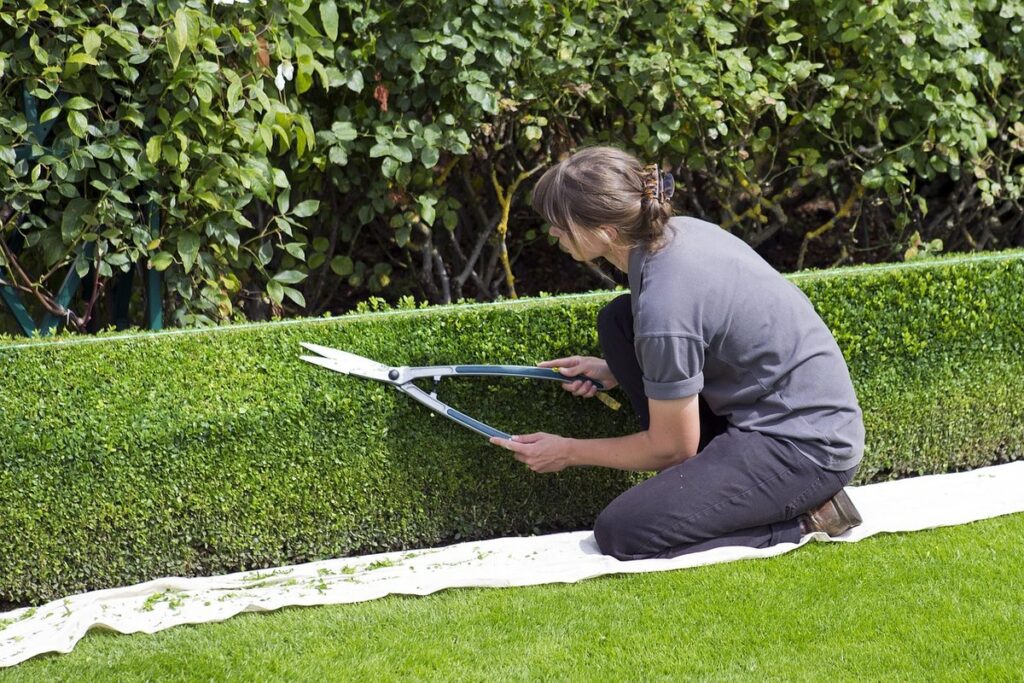
What are Hedging Plants?
If you’re new to gardening, you might wonder what hedging plants actually are – essentially, they’re shrubs grown in a row for decorative and functional purposes. Let’s start at the beginning!
Definition and Purpose of Hedging
Hedging plants serve as a multi-functional barrier between properties, gardens, and other outdoor spaces. They provide visual separation without blocking views, absorb noise pollution, and create a sense of seclusion while still allowing for natural light to pass through.
In addition to their practical uses, hedging plants add aesthetic value by introducing color, texture, and depth to the landscape. This is achieved through a wide range of plant species and cultivars that cater to various climates, soil types, and maintenance preferences.
When choosing a hedging plant, consider the desired height, growth rate, and foliage density. For instance, slow-growing plants like boxwood or yew are ideal for compact spaces where frequent pruning is not feasible. Meanwhile, fast-growing varieties such as privet or laurel can quickly fill gaps in larger areas.
Understanding the purpose of hedging plants helps you select a species that aligns with your specific needs and circumstances. This ultimately leads to a well-planned and effectively functioning hedge that enhances both form and function in your outdoor space.
Types of Hedging Plants
When it comes to choosing the perfect hedging plant, you’re spoiled for choice. There are many types of hedging plants available, each with its own unique characteristics and benefits. Let’s take a look at some of the most popular options.
Evergreen hedging plants are a great choice if you want year-round foliage and structure. These plants keep their leaves throughout the winter months, providing a beautiful backdrop for your garden even when other plants are dormant. Some popular evergreen varieties include Boxwood (Buxus sempervirens), Holly (Ilex aquifolium), and Yew (Taxus baccata). They’re ideal for formal gardens or topiary work.
Deciduous hedging plants, on the other hand, offer a seasonal display of color as their leaves change with the seasons. They provide dappled shade in the summer months and allow sunlight to filter through in the winter. Popular deciduous varieties include Beech (Fagus sylvatica), Oak (Quercus robur), and Silver Birch (Betula pendula). These plants are great for creating a naturalistic look or for providing a screen.
Flowering hedging plants add an extra dimension to your garden, providing color and interest throughout the growing season. Some popular flowering varieties include Lavender (Lavandula angustifolia), Rosemary (Rosmarinus officinalis), and Viburnum (Viburnum tinus). These plants are perfect for creating a fragrant hedge or adding a pop of color to your garden borders.
Advantages of Using Hedging Plants
Using hedging plants in your landscaping can bring numerous benefits to your outdoor space. One of the most significant advantages is the ability to provide a sense of seclusion and privacy. By strategically planting hedges, you can create a natural barrier that blocks out unwanted views and noise pollution, making your yard feel more secluded and peaceful.
In addition to providing a sense of seclusion, hedging plants also offer excellent windbreak capabilities. This is particularly beneficial for homes located in areas prone to strong winds or harsh weather conditions. By planting a row of tall, dense hedges, you can significantly reduce wind speed and protect your property from damage.
Furthermore, hedging plants can be used to define boundaries and add structure to your garden design. They come in a wide range of shapes, sizes, and growth rates, making it easy to choose the perfect plant for your specific needs. Whether you’re looking to create a formal or informal landscape, hedging plants can help achieve your desired aesthetic while also providing a host of practical benefits.
Choosing the Right Hedging Plant for Your Needs
With so many varieties of hedging plants available, selecting the right one can be overwhelming. Let’s break it down and explore key factors to consider in your decision.
Considerations for Selection
When selecting a hedging plant, it’s essential to consider several factors that will impact its growth and health. Climate is a crucial consideration, as some plants thrive in hot temperatures while others prefer cooler conditions. For instance, if you live in an area with extreme heatwaves or frost, choose plants like lavender or rosemary that are drought-tolerant or can withstand cold snaps.
Soil type is another vital factor to consider. Different plants have varying soil preferences, ranging from acidic soils for rhododendrons to alkaline soils for boxwoods. If your garden has poor soil quality or specific pH levels, choose plants adapted to those conditions. Space constraints are also important, as some plants can grow much larger than others. Consider the mature size of each plant and whether it will fit within the designated space.
To ensure a successful hedge, take into account these factors before making your final selection. By choosing a hedging plant that suits your specific climate, soil type, and available space, you’ll be well on your way to growing a healthy and thriving hedge.
Popular Hedging Plant Options
When it comes to choosing the perfect hedging plant, there are numerous options available. Some of the most popular hedging plant options include boxwood (Buxus sempervirens), which is ideal for topiary and formal gardens due to its compact growth habit and ability to be pruned into intricate shapes. Another popular choice is laurel (Prunus laurocerasus), known for its glossy leaves and ability to tolerate a range of soil conditions.
Evergreen options like yew (Taxus baccata) and holly (Ilex aquifolium) are also popular, offering year-round greenery and providing excellent security due to their prickly foliage. If you’re looking for something more low-maintenance, consider using a native species like lavender or rosemary, which require minimal watering and pruning.
When selecting a hedging plant, it’s essential to consider factors such as climate, soil type, and desired maintenance level. This will help ensure that your chosen hedge thrives in its environment and meets your needs.
Specialized Hedging Plants for Specific Needs
When it comes to choosing the right hedging plant, certain needs can make all the difference. If you’re looking for a low-maintenance option, consider plants like Boxwood (Buxus sempervirens) or Holly (Ilex aquifolium), which require minimal pruning and care.
For those who crave fragrance, Lavender (Lavandula spp.) and Rosemary (Rosmarinus officinalis) are excellent choices. Not only do they emit a pleasant aroma, but they’re also relatively easy to grow and can thrive in dry conditions.
If you need a hedge that provides year-round interest, plant shrubs with seasonal characteristics like Winter Jasmine (Jasminum nudiflorum), which blooms in late winter and early spring. Similarly, Burning Bush (Euonymus alatus) offers vibrant fall colors.
Consider your specific needs and choose hedging plants accordingly. This will not only ensure a beautiful and thriving hedge but also save you time and effort in the long run.
Planting and Establishment Techniques
Now that you’ve chosen the perfect hedging plant, let’s dive into how to successfully plant and establish it for a healthy start. Proper planting techniques will make all the difference in your hedge’s long-term success.
Pre-Planting Preparation
Before planting your new hedge, it’s essential to prepare the soil and planting area properly. This step may seem insignificant, but trust us, it makes a huge difference in the long run. The right preparation ensures that your plants get off to a healthy start, reducing the risk of disease, pests, and nutrient deficiencies.
First, test the pH level of your soil to determine if it’s suitable for your chosen hedging plant species. Most hedging plants prefer well-draining acidic to neutral soils (pH 6.0-7.0). Based on our research, for instance, Boxwood (Buxus sempervirens) thrives in slightly acidic soils with a pH between 6.1 and 7.3.
Remove any debris, weeds, or existing vegetation from the planting area to give your new hedge a clean slate. Loosen the soil to a depth of about 12-18 inches, incorporating organic matter like compost or well-rotted manure to improve its structure and fertility. Finally, rake the soil smooth to create a flat surface for planting.
By following these simple steps, you’ll be creating an ideal environment for your new hedge to flourish.
Planting Techniques
When planting a new hedge, it’s essential to follow a step-by-step approach to ensure a healthy and thriving result. The first consideration is spacing, which will vary depending on the type of hedging plant you’ve chosen. For example, if you’re using compact varieties like box or yew, you can plant them as close as 6-8 inches apart. However, larger-growing species like conifers may need to be planted 12-18 inches apart.
When digging holes for your hedge plants, aim to create a depth that’s the same as the root ball of the plant. This will help prevent waterlogging and ensure the roots grow outwards rather than upwards. If you’re planting in areas with poor soil quality or drainage issues, consider raised beds or mounds to improve growing conditions.
To further enhance the health of your hedge, use a mixture of compost and topsoil when backfilling around the plants. This will provide essential nutrients as well as improved water retention properties.
Post-Planting Care
During the first growing season after planting, your newly established hedge will require careful attention to ensure it establishes itself well and thrives. The key to successful post-planting care lies in providing optimal conditions for growth and protecting against potential threats.
Water your hedge regularly, especially during its initial stages of establishment. Aim to provide about 1 inch of water per week, either through rainfall or irrigation. Mulching around the base of your plants will help retain moisture and suppress weeds that might compete with your hedging plants for nutrients.
Additionally, ensure your newly planted hedge receives sufficient sunlight and nutrient-rich soil. Regularly inspect your plants for signs of pests or diseases, such as aphids, slugs, or fungal infections. Address any issues promptly to prevent them from spreading and causing damage.
In areas prone to extreme weather conditions, like frost or strong winds, take extra precautions by providing protection for your hedge.
Maintenance and Pruning Considerations
To keep your hedge looking its best, regular maintenance is crucial. This includes pruning, which not only shapes but also promotes healthy growth and prevents damage to nearby structures.
Regular Pruning Needs
Regular pruning is essential to maintain the shape, size, and health of your hedging plants. The frequency and type of pruning required vary depending on the plant species, growth rate, and desired appearance. For example, fast-growing hedges like Leylandii and Thuja require regular pruning every 2-3 months to control their height and width. On the other hand, slow-growing hedges like Boxwood and Holly can be pruned less frequently, ideally 1-2 times a year.
When it comes to deciduous hedging plants like Beech and Hornbeam, it’s best to prune in late winter or early spring before new growth begins. This helps maintain their shape while allowing them to retain their natural foliage display in summer. Coniferous hedges like Spruce and Fir are typically pruned during the growing season (spring-fall) as needed.
To get started with regular pruning, consider the following tips:
* Prune at the right time for your plant type
* Remove no more than 1/3 of the hedge’s growth in a single session to avoid stress
* Cut branches at a 45-degree angle, just above a node (where a leaf meets the stem)
* Clean up fallen debris and dispose of it properly
Tools and Techniques for Effective Pruning
When it comes to pruning your hedge effectively, having the right tools and techniques is essential. Start by gathering a set of sharp, clean pruning shears specifically designed for hedging plants. These should be reserved only for cutting branches thicker than 1 inch in diameter, as they tend to damage smaller stems.
For thinner branches, use a pair of loppers or long-handled pruning shears to make precise cuts. These tools allow you to reach and prune branches without having to climb the plant. Make clean cuts at a 45-degree angle, just above a growth node, to promote healthy regrowth.
Another crucial technique is understanding how to prune different types of hedging plants. Some, like boxwood and topiary, require regular shearing to maintain their shape. Others, such as conifers and ornamental grasses, benefit from selective pruning that allows them to maintain their natural form.
Seasonal Tasks for Healthy Hedging Plants
To keep your hedging plants healthy and thriving throughout the year, it’s essential to perform seasonal tasks that cater to their specific needs. In spring, after the last frost, inspect your hedge for dead, diseased, or damaged branches, and prune them immediately. This will help promote new growth and prevent the spread of diseases.
Summer months require regular watering, especially during hot spells. Aim to provide about 1-2 inches of water per week, either through rainfall or irrigation. Be cautious not to overwater, as this can lead to root rot and other issues. Additionally, consider using a mulch layer around the base of your hedge to retain moisture and suppress weeds.
In autumn, focus on preparing your hedge for winter by trimming back any leggy growth and applying a protective layer of mulch or compost. This will help shield your plants from harsh weather conditions and promote healthy regrowth come spring.
During winter, be mindful of extreme temperatures and potential frost damage. If you live in an area prone to heavy snowfall, consider installing snow guards or using a decorative snow fence to prevent branches from breaking under the weight of snow.
Common Problems and Solutions for Hedging Plants
When it comes to growing a lush, thriving hedge, few things can be as frustrating as encountering problems along the way. In this section, we’ll tackle some common issues and share practical solutions for you to try.
Pests and Diseases
Hedging plants can be susceptible to various pests and diseases that can damage their appearance and health. Some common issues include aphids, scale insects, and spider mites, which can cause curled or distorted leaves and stunted growth. Slugs and snails can also wreak havoc on hedging plants, especially during the night when they’re most active.
To prevent pest infestations, it’s essential to inspect your plants regularly for signs of damage or pests. Use neem oil or insecticidal soap to control aphid populations, while systemic insecticides can help manage scale insects and spider mites. Keep your garden clean, removing weeds and debris that can harbor pests.
Diseases like powdery mildew and leaf spot can also affect hedging plants, often caused by excessive moisture and poor air circulation. Improve soil drainage and prune plants to maintain airflow, reducing the risk of disease outbreaks. Regularly inspect your plants for signs of disease, such as yellowing leaves or white patches on the foliage.
Some common diseases include powdery mildew, leaf spot, and root rot, which can be treated with fungicides. However, prevention is often the best course of action – ensure good air circulation around your hedge and avoid overwatering to prevent these issues from arising in the first place.
Environmental Stressors
Hedging plants can be incredibly resilient, but they’re not immune to environmental stressors that can affect their health and appearance. Extreme temperatures, droughts, and other climate-related factors can put a hedge under pressure, making it more susceptible to disease, pests, and even death.
When it comes to temperature extremes, hedging plants may suffer from heat stress during prolonged periods of high temperatures or cold damage during frosty conditions. For example, young hedges may be more vulnerable to windburn and desiccation in hot dry weather. Similarly, some species may be more resistant to extreme temperatures than others.
Droughts are another significant environmental stressor that can impact hedging plants. While some species are more drought-tolerant than others, even the hardiest plants will eventually suffer if the soil is consistently waterlogged or extremely dry. To mitigate this risk, it’s essential to choose species suitable for your local climate and to provide regular watering during periods of drought.
Some practical tips to help protect your hedging plant from environmental stressors include:
* Mulching around the base to retain moisture and regulate soil temperature
* Using a drip irrigation system to deliver water directly to the roots, reducing evaporation
* Planting species that are adapted to your local climate and soil type
* Implementing strategies like windbreaks or frost protection for sensitive plants
Troubleshooting Common Issues
When you encounter issues with your hedging plants, it’s essential to identify and address them promptly. Here are some common problems that may arise and their solutions.
One of the most frequent issues is pest infestation, which can lead to damage or even death of the plant. To combat this, inspect your hedge regularly for signs of pests like aphids, whiteflies, or spider mites. Use organic or chemical pesticides according to the product’s instructions and only when necessary.
Another common issue is waterlogged soil, which can cause root rot and kill your plants. Check if the soil feels soggy or waterlogged after rainfall or irrigation. If so, improve drainage by adding organic matter like compost or well-rotted manure to the soil.
Leaf scorch, a condition characterized by yellowing leaves, may be caused by overexposure to direct sunlight or drought. To prevent this, plant your hedge in a spot with partial shade, especially during peak sun hours. Regular watering will also help maintain leaf health.
By recognizing these common problems early on and taking corrective action, you can save your hedging plants from potential disaster.
Hedging Plants for Specific Landscaping Goals
When it comes to creating a beautiful and functional hedge, choosing the right plant is crucial. In this section, we’ll explore the best hedging plants for specific landscaping goals.
Screening and Noise Reduction
When it comes to using hedging plants for screening and noise reduction purposes, there are several options to consider. For example, evergreen shrubs like Leyland cypress, Arborvitae, and Japanese cedar are popular choices due to their density and ability to block out noise and sightlines.
These types of plants are perfect for creating a physical barrier between neighboring properties or defining boundaries within your own yard. By planting multiple rows of densely-growing hedging plants, you can create an effective screen that not only reduces noise but also adds aesthetic value to your outdoor space.
In addition to evergreen options, deciduous shrubs like Hornbeam and Privet can also be used for screening purposes. While they may lose their leaves seasonally, they offer a more cost-effective alternative and still provide excellent noise reduction capabilities.
To maximize the effectiveness of your hedging plants as a screen or noise reducer, consider the following tips: choose densely-growing varieties, plant multiple rows for added density, and prune regularly to maintain a neat and tidy appearance.
Wildlife-Friendly Options
If you’re looking to create a wildlife-friendly haven with your hedging plant choice, there are several excellent options to consider. These plants not only provide food and shelter for local wildlife but also add beauty and biodiversity to your garden.
For example, consider planting shrubs like Pyracantha or Berberis, which produce attractive flowers in the spring that are a magnet for pollinators like bees and butterflies. These flowers turn into berries later in the year, providing a vital food source for birds and small mammals during the winter months.
Another option is to choose native hedging plants, such as Hazel or Hawthorn, which have evolved over time to provide essential shelter and habitat for local wildlife. Planting native species also supports the local ecosystem by reducing the need for pesticides and other chemicals that can harm wildlife.
When selecting wildlife-friendly hedging plants, remember to consider their mature size and spread to ensure they won’t outcompete other plants in your garden or become a nuisance in nearby areas. By incorporating these considerations into your planting plan, you can create a thriving ecosystem that benefits both local wildlife and your own enjoyment of the outdoors.
Fragrance and Attracting Pollinators
When it comes to hedging plants that attract pollinators, fragrance and functionality come hand-in-hand. Certain plants are not only visually stunning but also emit a sweet aroma that draws in bees, butterflies, and other beneficial insects. For example, Lavender (Lavandula spp.) is a popular choice for its calming scent and ability to attract pollinators. Its narrow leaves and delicate purple flowers make it an excellent option for formal hedges.
Other fragrant options include Rosemary (Rosmarinus officinalis), which produces blue flowers that bees adore, and Gardenia (Gardenia jasminoides), with its intoxicating white blooms. When selecting a fragrant hedging plant, consider the level of fragrance you desire – some plants are stronger than others. Also, think about the growing conditions in your area, as certain plants may require more maintenance or specific care.
To maximize pollinator attraction, plant multiple species together to create a diverse and welcoming environment. This will encourage a range of insects to visit, which is beneficial for overall ecosystem health.
Conclusion: Creating a Beautiful and Sustainable Hedge
In conclusion, creating a beautiful and sustainable hedge is achievable with careful planning and execution. You’ve made it through this comprehensive guide, and now you’re equipped with the knowledge to choose the perfect hedging plants for your specific needs. Whether you’re looking to create a lush backdrop for your garden or provide a natural barrier, remember that maintenance is key. Regular pruning will not only keep your hedge in shape but also promote healthy growth and encourage new blooms.
By incorporating sustainable practices into your hedge care routine, such as using rainwater collection systems and reducing chemical use, you’ll be contributing to a healthier environment. With time and patience, your carefully chosen hedging plants will thrive, providing beauty and serenity to your outdoor space for years to come.
Frequently Asked Questions
Can I plant hedging plants at any time of the year?
Yes, hedging plants can be planted throughout the year, but the best time is during their dormant season (usually winter or early spring). This allows them to establish roots before growing, reducing stress and increasing chances of survival. However, if you’re looking for immediate results, planting in the fall or early spring may provide better growth.
How often should I water my newly planted hedging plants?
Newly planted hedging plants require regular watering, especially during their first year of establishment. Water them deeply once or twice a week, depending on weather conditions. Aim to keep the soil consistently moist but not waterlogged. This will help establish a strong root system and encourage healthy growth.
Can I use a single type of hedging plant throughout my entire garden?
While it’s possible to use a single type of hedging plant, it can lead to a visually monotonous landscape. Mixing different species with varying textures, colors, and growth habits will create a more dynamic and interesting appearance. Consider selecting 2-3 complementary varieties to add depth and visual interest.
How do I control pests and diseases in my hedging plants?
Regular inspections for signs of pests or diseases are crucial in maintaining healthy hedging plants. Look out for common issues like aphids, spider mites, and powdery mildew. Use organic pest control methods whenever possible, such as introducing beneficial insects or applying neem oil. Prune affected areas and disinfect pruning tools to prevent the spread of disease.
Can I use hedging plants in small spaces, like balconies or patios?
Yes, hedging plants can thrive in small spaces if chosen carefully. Compact varieties with a smaller growth habit are ideal for limited areas. Consider container-grown hedging plants, which provide more flexibility and can be easily moved around to suit your needs. Just ensure the containers have sufficient drainage holes to prevent waterlogged soil.