
If you’re looking to add some extra seclusion to your outdoor space, you’re probably wondering about the best options for privacy shrubs. Whether you’re trying to block out nosy neighbors or create a peaceful retreat in your own backyard, finding the right plants can make all the difference. But with so many varieties to choose from, it’s hard to know where to start.
That’s why we’ve put together this guide on the best privacy shrubs for yards, tailored to your specific climate and soil conditions. In this article, we’ll cover everything you need to know about selecting the perfect plants, including their growth habits, maintenance needs, and benefits for your outdoor space. By the end of it, you’ll have a clear understanding of how to create a beautiful and private oasis in your own yard.
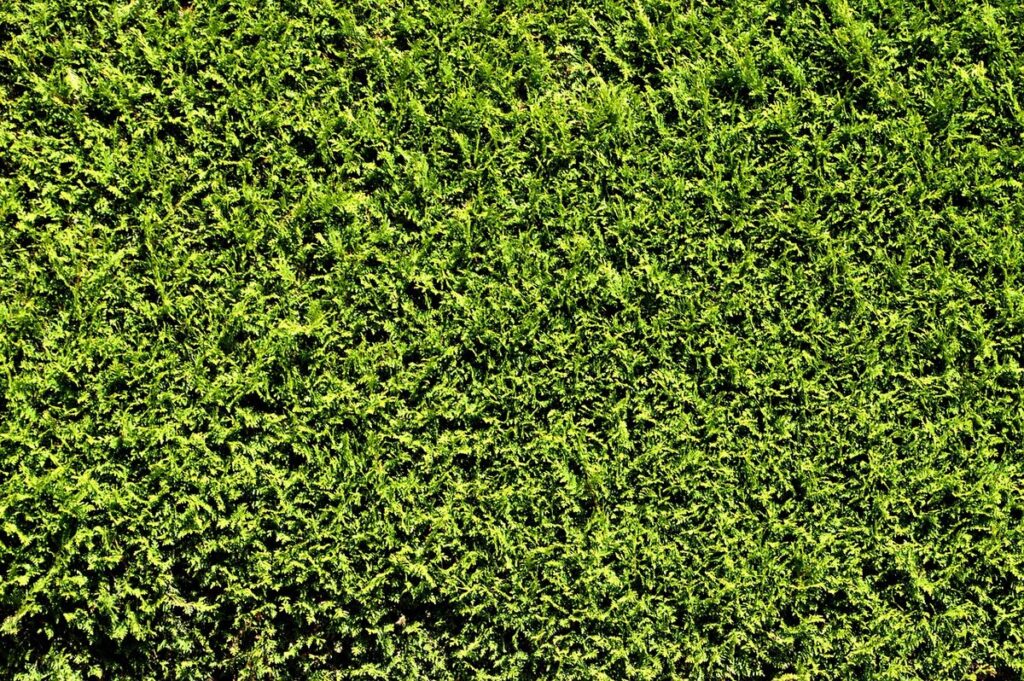
Benefits of Using Privacy Shrubs in Your Yard
When it comes to reaping the rewards of your privacy shrub investment, understanding their benefits is key. Let’s explore how these plants can enhance your yard.
Improving Property Value
When you invest time and effort into landscaping your yard with beautiful plants, it’s not just about enhancing its visual appeal – it’s also a smart investment for the future. Privacy shrubs can significantly increase your property value by creating a sense of seclusion and serenity that potential buyers crave.
A well-manicured yard with lush greenery is often a major selling point for homebuyers, and strategically placed privacy shrubs can make all the difference. According to a National Association of Realtors survey, 77% of homeowners believe that outdoor living spaces increase their property value. By incorporating privacy shrubs into your landscaping design, you’re not only enhancing the aesthetic appeal but also providing a functional benefit.
To maximize the impact, consider planting a mix of evergreen and flowering shrubs to create year-round interest and fragrance. For example, pair the fragrant beauty of lavender with the evergreen density of boxwood or holly. Not only will this blend provide an inviting atmosphere, but it’ll also increase your property’s curb appeal – a major factor in determining its value.
Enhancing Outdoor Living Experience
One of the most significant benefits of using privacy shrubs in your yard is that they can create a private outdoor space perfect for relaxation, entertainment, or recreation. Imagine sitting on your patio surrounded by lush greenery, listening to birds chirping and feeling completely secluded from the rest of the world.
To enhance your outdoor living experience, consider creating an outdoor room with your privacy shrubs. You can achieve this by grouping plants together, adding pathways, and incorporating seating areas. For example, you could plant a row of dense shrubs along one side of your patio and leave space in between for a pathway made from gravel or brick.
In addition to creating a cozy atmosphere, privacy shrubs can also provide a natural screen from neighbors’ views or nearby streets. This is especially beneficial if you live in a densely populated area where you’d like some extra seclusion.
When selecting plants for your outdoor room, choose species that thrive in your local climate and require minimal maintenance. Consider the mature size of each plant to ensure they fit within your designated space. By carefully choosing and arranging your privacy shrubs, you can create an inviting oasis in your yard where you can relax, entertain, or simply enjoy nature’s beauty.
Reducing Noise Pollution
Living close to neighbors can be wonderful, but it also comes with its fair share of drawbacks. One issue many homeowners face is noise pollution from neighboring properties. Whether it’s the sound of barking dogs, loud music, or simply the constant chatter, excessive noise can be stressful and disrupt your peace and quiet.
Privacy shrubs play a crucial role in blocking noise from neighboring properties and improving overall living comfort. By strategically placing these plants around your yard, you can significantly reduce the amount of noise that enters your home. For example, consider planting tall shrubs like boxwood or arborvitae along your fence line to act as a natural barrier against external noise.
To maximize their effectiveness, choose shrubs with thick foliage and dense growth habits. Some excellent options include hydrangea, rhododendron, and holly. When selecting the right plants for your yard, remember to consider factors like sunlight, soil type, and maintenance requirements.
By incorporating privacy shrubs into your garden design, you can enjoy a more peaceful living environment without the constant distraction of external noise.
Types of Privacy Shrubs: Evergreen vs. Deciduous
When choosing privacy shrubs for your yard, you’ll want to consider two main categories: evergreen and deciduous varieties, each offering unique benefits.
Evergreen shrubs provide year-round foliage, while deciduous shrubs offer seasonal interest with their changing leaves.
Evergreen Options for Year-Round Coverage
When it comes to creating a lush and private outdoor space, evergreen shrubs are an excellent choice. These plants provide continuous coverage throughout the year, making them perfect for homeowners who want to maintain their yard’s aesthetic appeal 12 months a year.
Popular evergreen options include Holly, Boxwood, and Arborvitae. Holly shrubs, such as American Holly (Ilex opaca) or Chinese Holly (Ilex cornuta), offer glossy leaves and bright red berries that add color to your garden during the winter months. Boxwood shrubs, like English Boxwood (Buxus sempervirens) or Japanese Boxwood (Buxus microphylla), are versatile and can be pruned into topiaries or hedges for a formal look.
Arborvitae shrubs, including Eastern White Cedar (Thuja occidentalis) and Emerald Green Arborvitae (Thuja occidentalis ‘Smaragd’), have dense foliage that blocks out unwanted views while also providing a natural screen. When selecting an evergreen shrub for your yard, consider factors like mature size, growth rate, and maintenance requirements to ensure you choose the best fit for your specific needs.
Deciduous Options for Seasonal Interest
Deciduous shrubs offer a unique advantage when it comes to adding seasonal interest to your yard. Unlike evergreen options that provide year-round foliage, deciduous shrubs like Hydrangea, Weigela, and Viburnum undergo changes with the seasons, creating a visually appealing dynamic.
In spring, these shrubs burst into bloom, attracting pollinators and adding vibrant colors to your landscape. For example, Hydrangeas produce showy white or pink flowers that can reach up to 12 inches in diameter. Weigela shrubs, on the other hand, boast trumpet-shaped blooms in shades of pink, red, or white. As summer progresses, these shrubs continue to thrive, providing a lush backdrop for outdoor living.
In fall, deciduous shrubs often display striking foliage colors, ranging from deep oranges and reds to golden yellows. Viburnum, for instance, transforms into a kaleidoscope of autumn hues before shedding its leaves. By incorporating these seasonal changes into your landscape design, you can create a dynamic and engaging yard that invites exploration and relaxation throughout the year.
Selecting Privacy Shrubs Based on Climate and Soil Conditions
When choosing privacy shrubs, it’s essential to consider your climate and soil conditions to ensure they thrive in their new home. This affects everything from growth rate to foliage health.
Choosing Shrubs for Different Climate Zones
When selecting privacy shrubs for your yard, it’s essential to consider the climate zone you live in. Shrubs that thrive in one region may struggle or even die in another due to extreme temperatures, dryness, or wet conditions. Let’s break down some of the most common climate zones and recommend suitable shrubs for each:
Hot climates (USDA Hardiness Zones 9-11): In regions with high temperatures and low humidity, choose heat-tolerant shrubs like Texas Sage (Leucophyllum frutescens), which can withstand temperatures up to 100°F. Another option is the Confederate Jasmine (Trachelospermum confusum), a low-maintenance shrub that provides excellent cover and thrives in full sun.
Cold climates (USDA Hardiness Zones 3-5): For areas with harsh winters, opt for shrubs like the Russian Cypress (Thuja occidentalis) or the Hydrangea (Hydrangea arborescens), which can tolerate temperatures as low as -20°F. These shrubs also provide excellent winter interest with their evergreen foliage.
Dry climates (USDA Hardiness Zones 6-8): In areas with low rainfall, choose drought-tolerant shrubs like the Crape Myrtle (Lagerstroemia indica) or the Rosemary (Rosmarinus officinalis). These shrubs are adapted to conserve water and can thrive in well-draining soil.
Wet climates: If you live in an area with high rainfall, consider shrubs that prefer moist soil, such as the Hydrangea (Hydrangea macrophylla) or the Rhododendron (Rhododendron spp.). These shrubs will not only provide excellent privacy but also thrive in wet conditions.
When selecting shrubs for your yard, research their specific climate needs and adjust accordingly. Keep in mind that even heat-tolerant shrubs may need some protection during extreme temperature fluctuations. By choosing the right shrub for your climate zone, you’ll be able to enjoy a lush and thriving privacy screen all year round.
Considerations for Poor Soils and Wet Areas
If you live in areas prone to poor soil quality or excessive waterlogging, such as coastal regions, selecting the right privacy shrubs can be a challenge. However, with some careful consideration and research, you can find plants that not only thrive in these conditions but also provide the seclusion you’re looking for.
When dealing with poor soils, it’s essential to choose shrubs that are tolerant of nutrient-deficient or alkaline soils. Some excellent options include the Sea Pinks (Armeria maritima), which is a low-growing shrub with clusters of pink flowers and can tolerate salty soil conditions. Another option is the Beach Sunrose (Helianthus debilis), which has fragrant yellow flowers and prefers well-drained but poor soils.
For areas with excessive waterlogging, shrubs that are resistant to root rot and can thrive in wet conditions are ideal. The Blue Muffin Honeylocust (Gleditsia triacanthos ‘Sunburst’) is a great example, as it can tolerate saturated soil conditions and still provide excellent seclusion with its dense foliage.
When selecting privacy shrubs for areas with poor soils or excessive waterlogging, make sure to also consider their mature size, growth rate, and any necessary pruning requirements. This will help you ensure that your chosen shrub not only tolerates the challenging conditions but also provides the desired level of seclusion and beauty to your garden.
Maintenance and Care of Privacy Shrubs
To keep your newly planted privacy shrubs thriving, it’s essential to develop a regular maintenance routine that includes tasks like pruning and watering. Proper care will also help prevent pests and diseases from taking hold.
Watering and Fertilization Requirements
When it comes to maintaining your privacy shrubs, proper watering and fertilization techniques are crucial for their health and longevity. Watering requirements vary depending on the type of shrub, climate, and soil conditions. As a general rule, newly planted shrubs need regular watering, especially during their first growing season. However, overwatering can be detrimental to your plants.
To determine if your privacy shrubs need water, check the soil moisture by inserting your finger into the soil up to about 2-3 inches deep. If the soil feels dry, it’s time to water. Water them deeply but infrequently to encourage deep root growth and make them more drought-resistant.
Fertilization is also essential for maintaining the health of your privacy shrubs. Feed them with a balanced fertilizer during their growing season (spring-fall), following the manufacturer’s instructions for application rates. You can also consider using organic fertilizers like compost or manure tea, which release nutrients slowly and promote soil biota.
Remember to avoid overfertilizing, as this can damage your plants and pollute waterways. Stick to a regular watering and fertilization schedule, and observe the changes in your shrubs’ growth and foliage to adjust your care routine accordingly.
Pruning and Shaping Strategies
Pruning and shaping your privacy shrubs is essential to maintain their health, promote new growth, and control pests and diseases. Regular pruning helps to remove dead, diseased, or damaged branches, which can spread disease and attract pests. This not only keeps your shrubs looking their best but also prevents the spread of any potential issues.
When it comes to shaping your shrubs, consider the mature size of the plant and its growth habits. Prune back overgrown branches to maintain a balanced shape and encourage new growth from the center of the plant. For example, if you have a dense shrub that’s growing too large for its space, prune the outer third of the branches to allow more light to reach the inner foliage.
To control pests and diseases, monitor your plants regularly and remove any affected areas. Prune out infested or infected branches to prevent the spread of problems. This will help maintain a healthy shrub collection and keep your garden looking its best. By incorporating regular pruning into your maintenance routine, you’ll be able to enjoy beautiful, thriving privacy shrubs for years to come.
Some popular pruning techniques include:
• Tip-pruning: Pinching off new growth at the tips of branches to encourage bushy growth.
• Thin-cutting: Removing individual branches or sections of stems to improve air circulation and reduce shading.
• Reduction pruning: Reducing the size of the plant by cutting back overgrown branches.
By mastering these techniques, you’ll be able to keep your privacy shrubs looking their best while maintaining their health and resilience.
DIY vs. Professional Installation: Weighing Your Options
When it comes to installing your new privacy shrubs, you’ll need to decide whether to tackle the project yourself or hire a professional – both options have their advantages and disadvantages.
Benefits of a Do-It-Yourself Approach
When it comes to installing privacy shrubs, you have two main options: hiring a professional or doing it yourself. While professionals offer expertise and convenience, there are several benefits to taking on the project solo. For one, a DIY approach can save you money – labor costs alone can add up quickly, but by handling the installation yourself, you can keep those expenses in check.
Another advantage of a do-it-yourself approach is that it gives you complete control over the process. You can choose the plants, layout, and timing to suit your needs and preferences. This level of flexibility is particularly useful for larger projects or when working with limited resources.
By doing it yourself, you’ll also have the opportunity to learn about plant care and maintenance, which will benefit your shrubs in the long run. With a little planning and research, you can successfully install a beautiful and effective privacy screen that enhances both the aesthetics and functionality of your yard.
Hiring a Professional for Complex or Large Projects
When tackling large-scale projects or complex site requirements for your privacy shrub installation, it’s essential to consider hiring a professional. For instance, if you’re looking to create a natural barrier for an entire property line or have unique site conditions like slopes or uneven terrain, the task can become overwhelming.
In such cases, professionals with expertise in horticulture and landscaping can provide customized solutions that take into account your specific needs. They’ll assess the site, identify potential challenges, and recommend shrubs that are suitable for the climate, soil type, and sunlight levels.
Moreover, a professional will ensure proper installation techniques to prevent damage to existing plants or structures. For example, if you have nearby water features or sensitive garden beds, they’ll take necessary precautions to avoid any disruptions or damage during the installation process.
Additionally, hiring a pro can save time and reduce the risk of costly mistakes that might arise from improper planting or maintenance. By entrusting your project to a seasoned installer, you can enjoy peace of mind knowing that your new privacy shrubs will thrive for years to come.
Frequently Asked Questions
Can I Mix and Match Different Types of Privacy Shrubs for a Unique Look?
Yes, mixing evergreen and deciduous shrubs can create a visually appealing and dynamic landscape. Consider combining plants with different growth habits, textures, and foliage colors to achieve a unique look that suits your yard’s style.
How Often Should I Water My Privacy Shrubs in Hot and Dry Climates?
Watering needs vary depending on climate and soil conditions. In hot and dry climates, it’s essential to water your privacy shrubs regularly, especially during periods of drought or extreme heat. Check the soil moisture by inserting a finger into the soil up to the knuckle; if it feels dry, it’s time to water.
Can I Plant Privacy Shrubs in Poor Soil or Areas with Standing Water?
While some shrub varieties can tolerate poor soil conditions, others may require more specific soil requirements. Research shrubs that are tolerant of your local climate and soil type before planting. If you have areas with standing water, consider installing a French drain or raised bed to improve drainage.
How Do I Know Which Shrubs Are Best for Noise Reduction in My Urban Backyard?
For maximum noise reduction, choose shrubs with dense foliage and large leaves that can absorb sound waves. Consider plants like holly, boxwood, or arborvitae, which are effective at blocking out background noises. Plant them strategically around your property to create a buffer zone.
Can I Prune My Privacy Shrubs Year-Round, or Are There Specific Times for Maintenance?
While some pruning can be done year-round, it’s best to prune shrubs during their dormant season (winter or early spring) to minimize stress and promote healthy growth. Avoid heavy pruning in the middle of growing seasons, as this can cause shock to the plant and lead to disease or pest issues.