
Growing your own bouquet flowers from scratch can be a truly rewarding experience. Not only do you get to enjoy the beauty of nature right in your own backyard, but you also have complete control over the quality and freshness of the blooms. However, for many gardeners, harvesting their own bouquet flowers can seem like a daunting task. Choosing the right varieties, preparing the soil, and preserving the blooms all require some expertise and planning.
In this article, we’ll share expert tips on how to grow, harvest, and arrange beautiful bouquet flowers from your very own garden. We’ll cover everything from selecting the perfect flower varieties for cutting gardens to preparing your soil for optimal growth. Whether you’re a seasoned gardener or just starting out, our guide will walk you through the process of creating stunning bouquets that bring joy and elegance to any room in your home.
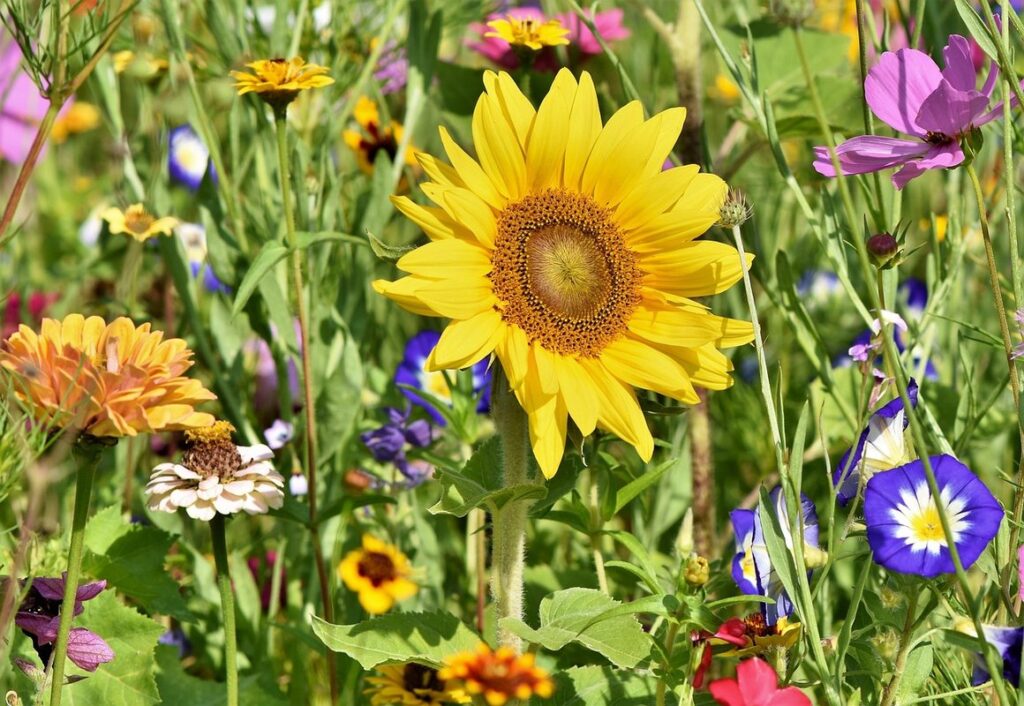
Understanding the Basics of Bouquet Flowers
When creating a beautiful bouquet, it’s essential to start by understanding the basics of choosing and combining flowers from your garden. Let’s dive into the fundamentals of selecting the perfect blooms for your arrangements.
What Are Bouquet Flowers?
Bouquet flowers are a gardener’s delight, adding an extra layer of beauty and charm to your garden. But what exactly are bouquet flowers? Simply put, they’re a selection of cut flowers arranged together in a single container, often used for decoration or as a centerpiece.
The importance of bouquet flowers lies in their ability to enhance the overall aesthetic appeal of your garden. They’re an excellent way to showcase your favorite blooms and add a pop of color to outdoor spaces. Whether you’re looking to create a romantic ambiance or simply want to brighten up a room, bouquet flowers can do wonders.
When choosing bouquet flowers, consider the variety of colors, textures, and shapes that will complement each other. For instance, pairing soft pastel shades with bold statement pieces creates visual interest and adds depth to your arrangement. Think about incorporating flowers in different heights and sizes to create a dynamic display that draws the eye.
Incorporating bouquet flowers into your garden design not only adds beauty but also encourages you to experiment with new arrangements and combinations.
Types of Bouquet Flowers
When it comes to creating beautiful bouquets from your garden, the type of flowers you choose can make all the difference. There are several types of bouquet flowers to consider, each with its unique characteristics and benefits.
Annuals are a popular choice for bouquets because they bloom quickly and abundantly, often producing multiple stems in a single season. Examples include marigolds, zinnias, and sunflowers. These flowers are perfect for adding a pop of color to your arrangements and can be used to create vibrant, summery bouquets.
Perennials, on the other hand, come back year after year and provide a longer blooming period. Roses, peonies, and hydrangeas are all popular perennials that add a romantic touch to any bouquet. Herbs like lavender, rosemary, and eucalyptus can also be used in bouquets for their fragrance and unique texture.
When selecting flowers for your bouquets, consider the seasonality of each type. For example, spring-blooming bulbs like tulips and daffodils are perfect for early-season arrangements, while summer blooms like dahlias and cosmos thrive in warmer weather. By choosing a mix of annuals and perennials, you can create beautiful bouquets that change with the seasons.
Choosing the Right Flowers for Your Garden
When selecting bouquet flowers for your garden, it’s essential to consider several factors that can impact their growth and appearance. Climate is a crucial factor to take into account, as some flowers thrive in cooler temperatures while others prefer warmer conditions. For instance, roses require a long growing season with moderate winters, whereas sunflowers can tolerate extreme heat.
Soil type is another critical consideration, as different flowers have varying requirements for drainage, acidity, and nutrient levels. Delicate blooms like orchids and begonias prefer well-draining soil to prevent root rot, while hardy perennials like coneflowers and black-eyed Susans can thrive in a range of soil conditions.
Sunlight requirements are also vital, as most flowers need adequate sunlight to bloom profusely. Choose flowers that suit your garden’s exposure to direct or indirect sunlight, such as sun-loving zinnias and marigolds for full-sun gardens or shade-tolerant impatiens and coleus for partially shaded areas.
To ensure your bouquet flowers receive the right conditions, research their specific needs and adjust your gardening practices accordingly. By selecting flowers that match your garden’s climate, soil type, and sunlight levels, you’ll be rewarded with vibrant blooms that add beauty and character to your outdoor space.
Planting and Growing Bouquet Flowers
When it comes to bouquet flowers from your garden, planting and growing them requires some special care. Learn how to choose the right conditions for these delicate blooms to thrive in your garden.
Preparing Your Garden Bed
Preparing your garden bed is an essential step in growing beautiful bouquet flowers. Before you start planting, it’s crucial to create an optimal environment for growth. Start by testing the pH level of your soil and adjusting it if necessary. Most bouquet flowers prefer a slightly acidic to neutral soil pH between 6.0 and 7.0.
Next, add organic matter such as compost or well-rotted manure to improve soil structure and fertility. Mix in a 2-inch layer of compost, working it into the top 6 inches of soil. This will help retain moisture, suppress weeds, and provide essential nutrients for your flowers.
Fertilize your garden bed with a balanced fertilizer, following the manufacturer’s instructions. You can also make your own fertilizer by mixing equal parts of fish emulsion, bone meal, and alfalfa meal. Mulch around plants to retain moisture, regulate soil temperature, and prevent weeds from growing. A 2-3 inch layer of organic mulch such as bark chips or straw is ideal.
Remember to water your garden bed regularly, especially during the first few weeks after planting. Keep the soil consistently moist but not waterlogged to encourage healthy root growth. By following these simple steps, you’ll be well on your way to growing stunning bouquet flowers in your own garden.
Tips for Planting and Transplanting
When it comes to planting bouquet flowers in your garden, getting it right from the start is crucial for optimal growth and bloom production. To plant correctly, make sure to space your flowers according to their mature size. For example, delphiniums can grow quite tall, so give them plenty of room (around 12-18 inches apart) to prevent overcrowding.
Plant your bouquet flowers at the correct depth, usually just below the soil surface or slightly deeper for roots that prefer a bit more moisture, like peonies. Water thoroughly after planting and keep the soil consistently moist during the first few weeks while the plants establish themselves. For optimal growth, aim to provide around 1-2 inches of water per week.
Transplanting established plants is also an essential skill when it comes to bouquet flowers. To do this successfully, choose a location with similar growing conditions (soil type and sunlight) as the original site. Dig carefully around the roots, making sure not to damage them in the process. Water thoroughly after transplanting to help your plant settle into its new home.
Dealing with Common Issues
Growing bouquet flowers can be a rewarding experience, but it’s not without its challenges. One of the most common issues gardeners face is pest infestations. Pests like aphids, whiteflies, and slugs can quickly ruin a beautiful bouquet. To combat these pests, inspect your plants regularly for signs of damage or eggs. Use natural remedies like neem oil or insecticidal soap to control infestations. For example, you can spray neem oil on the undersides of leaves where aphids tend to hide.
Diseases are another common problem when growing bouquet flowers. Fungal diseases like powdery mildew and leaf spot can be caused by excessive moisture, poor air circulation, or overwatering. To prevent fungal diseases, ensure good air circulation around your plants and avoid watering during the hottest part of the day. If you do notice signs of disease, treat with fungicides specifically designed for flower gardens.
Nutrient deficiencies can also impact bouquet flowers. Symptoms include yellowing leaves, stunted growth, or reduced blooms. To address nutrient deficiencies, test your soil to determine what nutrients are lacking. Add organic fertilizers like compost or well-rotted manure to provide essential nutrients. By addressing these common issues promptly, you can keep your bouquet flowers healthy and thriving.
Harvesting and Arranging Bouquet Flowers
Now that you’ve picked your favorite flowers, it’s time to bring them together in a beautiful bouquet. In this next step, we’ll guide you through harvesting and arranging your blooms for maximum visual impact.
When to Harvest Your Bouquet Flowers
When it comes to harvesting bouquet flowers, timing is everything. You want to pick them at their peak freshness and beauty, so they can shine in your arrangements. Let’s talk about the best times to harvest different types of flowers based on color, scent, and texture.
For colorful blooms like roses, carnations, and gerbera daisies, check for ripeness by gently tugging on the stem. If it comes off easily, it’s ready to be picked. For pastel-colored flowers like peonies and hydrangeas, wait until they’ve reached their full color, as they won’t continue to deepen in hue after picking.
When it comes to scent, fragrant blooms like freesia, gardenias, and lavender are best picked when the fragrance is strongest. This is usually just before opening, so you can enjoy their intoxicating aroma in your arrangements. Texture-wise, delicate blooms like baby’s breath and queen anne’s lace should be harvested early in the morning, while they’re still dewy and fresh.
Remember to check the specific needs of each flower variety, as some may require harvesting at different times or stages of bloom.
Tips for Creating Beautiful Arrangements
When it comes to creating beautiful arrangements with bouquet flowers from your garden, the key is to strike a balance between visual elements. Start by selecting a mix of blooms that complement each other in terms of color and texture. For instance, pairing delicate pastel hues with statement pieces like bold sunflowers can create a visually appealing contrast.
To achieve harmony, consider the 60-30-10 rule: allocate 60% of your arrangement to a dominant bloom, 30% to secondary flowers, and 10% to accent blooms. This balance will prevent any single element from overpowering the rest.
Adding textural variety is also essential for creating visually appealing arrangements. Combine smooth petals with intricate or ruffled textures to add depth and interest. For example, pairing velvety roses with wispy baby’s breath can create a lush, romantic look. Remember, the goal is to create a harmonious balance that showcases your garden’s bounty in all its beauty.
Displaying Your Bouquet: Ideas and Inspiration
Displaying your bouquet flowers is just as important as creating them. It’s what brings out their full beauty and charm, after all! You want to showcase your lovely arrangement in a way that complements its colors, textures, and fragrances. Here are some ideas for displaying your bouquets around the house or outdoors:
Consider showcasing your bouquet on a decorative console table or dresser in an entryway or living room. This not only adds a pop of color but also creates a welcoming atmosphere for guests. Alternatively, place it on a side table next to a favorite armchair or in front of a window with natural light pouring in.
To add some extra flair, use vases and containers that complement the colors and textures of your flowers. For example, if you have a bouquet with delicate pastel shades, pair it with a soft glass vase or mercury glass container for added elegance. You can also experiment with different presentation styles like loose, organic arrangements or more structured, symmetrical designs.
Incorporate greenery into your display to add depth and visual interest. A sprig of rosemary or eucalyptus tucked behind the bouquet creates a beautiful contrast between foliage and blooms. When displaying outdoors, consider using planters or urns with built-in irrigation systems to keep your arrangement fresh for longer.
DIY Bouquet Flower Crafts
Let’s get creative and make our own beautiful bouquets from home, using simple techniques to arrange garden flowers into stunning DIY masterpieces. We’ll show you how!
Making a Simple Hand-Tied Bouquet
Creating a simple hand-tied bouquet is a great way to enjoy the beauty of your garden’s flowers without requiring extensive floral arrangement skills. To start, choose a mix of fresh-cut flowers with varying textures and colors from your garden. For a classic look, select 3-5 stems with different shapes and sizes.
Next, prepare your stems by trimming their ends at an angle using a sharp knife or pruning shears. This helps them absorb water better and prevents them from sitting too deeply in the bouquet’s base. Fill a clean vase or container with fresh water, adding floral preservative to extend the life of your flowers.
Begin assembling your bouquet by placing three stems together, gently twisting their bases to secure them. Continue adding stems around the center, working your way outward in a natural, organic shape. As you add more stems, gently twist and tuck them into place, maintaining a loose, relaxed appearance. Finish by trimming any excess stem ends and adjusting the bouquet’s shape for a balanced, effortless look.
Creating a More Complex Bouquet Arrangement
When it comes to creating more complex bouquet arrangements, the possibilities are endless. You can take your designs from simple and sweet to show-stopping and sophisticated by incorporating various elements beyond just flowers.
Start by considering foliage as an integral part of your arrangement. Choose leaves with interesting textures or shapes that complement your blooms, such as succulent leaves or fern fronds. Experiment with different placement techniques, like tucking them between stems or using them as a base for the arrangement.
Add branches and other decorative elements to create depth and visual interest. Consider using wooden dowels, wire, or twine to add a rustic touch or create unique shapes. You can also incorporate items like pinecones, berries, or even vintage buttons to add an extra layer of personality to your bouquet.
To take it up a notch, try combining different styles and techniques. For example, pair loose, wildflowers with structured blooms for a charming contrast. Or, mix soft pastels with bold brights for a colorful explosion. Don’t be afraid to experiment and see what works best for you – after all, the beauty of bouquet-making lies in its creative freedom!
Preserving Your Fresh-Cut Bouquets
To truly appreciate the beauty of your fresh-cut bouquet flowers, you’ll want to find ways to preserve them for longer periods. This isn’t just about extending their shelf life; it’s also about capturing their delicate shapes and colors for a lasting keepsake.
One popular method is air drying, which involves tying stems together in small bunches and hanging them upside down in a warm, dry area with good airflow. This technique works well for flowers like baby’s breath and queen anne’s lace, but may not be suitable for more delicate blooms like roses or peonies. Be patient, as this process can take anywhere from a few days to several weeks.
Glycerin preservation is another effective method that involves submerging the stems in a glycerin solution. This helps to prevent moisture loss and maintain the flowers’ natural color and texture. To try this at home, you’ll need glycerin, water, and floral preservative – simply mix according to the instructions and soak your cut blooms for several days.
For a more low-tech approach, pressing is a simple yet effective way to preserve your bouquet flowers. Place them between sheets of paper towels or blotting paper and weigh down with a heavy object. This will help flatten the flowers over time, allowing you to enjoy their beauty in a new form – perfect for decorating cards, gift tags, or other craft projects.
Tips and Tricks for Success
Now that you’ve learned how to grow, care for, and combine flowers from your garden into stunning bouquets, let’s share our top tips for creating a truly show-stopping arrangement!
Seasonal Considerations
When growing bouquet flowers in your garden, it’s essential to consider the changing seasons and their impact on your blooms. Temperature tolerance is a crucial factor to keep in mind as some flowers thrive in cool weather while others prefer the warmth.
In spring, many popular bouquet flowers like tulips, daffodils, and hyacinths are at their peak. However, they require protection from frost and freezing temperatures. Make sure to plant them in well-draining soil and provide adequate sunlight (at least 6 hours a day) to promote healthy growth.
Summer months can be challenging for bouquet flowers due to heat stress and pest management issues. Keep an eye out for aphids, whiteflies, and spider mites that thrive in warm temperatures. Regularly inspect your plants, and use organic pest control methods whenever possible.
Autumn brings cooler temperatures, which is ideal for planting bulbs like dahlias, glads, and sunflowers. These flowers will bloom beautifully well into the fall season. In winter, focus on preparing your garden beds for the upcoming growing season by adding compost, pruning dead foliage, and protecting sensitive plants from harsh weather conditions.
By understanding the seasonal requirements of your bouquet flowers, you’ll be able to create stunning arrangements throughout the year and enjoy a bountiful harvest in your own garden.
Common Mistakes to Avoid
When growing bouquet flowers from your garden, it’s easy to fall into common pitfalls that can hinder their success. Overwatering is a major mistake many gardeners make, leading to root rot and poor growth. To avoid this, ensure the soil drains well and only water when the top inch of soil feels dry to the touch.
Inadequate soil preparation is another mistake that can result in weak or stunted blooms. Make sure to test your soil pH levels and amend accordingly. Adding a balanced fertilizer at planting time will also give your flowers a boost. Conversely, overfertilizing can burn roots and leave your flowers stressed.
Another pitfall to watch out for is inadequate support for tall or sprawling varieties. Staking or trellising these plants can help prevent damage from wind or rain, promoting healthy growth and development.
Lastly, be mindful of pests and diseases that can quickly spread through a garden, attacking your bouquet flowers. Keep an eye out for signs of trouble and take action promptly to prevent infestations from getting out of hand.
Conclusion: Blooming Beauty in Your Garden
As you’ve made it through this comprehensive guide to bouquet flowers from your garden, we hope you’re feeling inspired and equipped with the knowledge to create stunning arrangements that bring joy and beauty to your space. Throughout this article, we’ve explored the benefits of using fresh garden flowers in bouquets, from their unique fragrance and texture to their ability to add a personal touch to any room.
From selecting the perfect blooms to arranging them in a way that showcases their natural beauty, you now have the tools to create breathtaking bouquets that are as functional as they are beautiful. By choosing to use bouquet flowers from your garden, you’re not only reducing waste and supporting sustainable gardening practices but also creating a meaningful connection with nature.
As you continue on your gardening journey, remember that the beauty of bouquet flowers is in their imperfections – it’s what makes each arrangement uniquely yours. Don’t be afraid to experiment and try new combinations; after all, it’s the imperfect, hand-crafted arrangements that often hold the most sentimental value.
Frequently Asked Questions
Can I use bouquets for special occasions, or are they just for everyday decoration?
Yes, you can definitely use your homegrown bouquet flowers to add a personal touch to special occasions like weddings, birthdays, and anniversaries. Simply harvest the freshest blooms on the day of the event, and create a stunning arrangement that will be remembered for years to come.
How do I ensure my cut bouquets last long enough to enjoy them throughout the season?
To keep your fresh-cut bouquets looking their best, make sure to trim the stems daily, change the water frequently, and store them in a cool, dry place away from direct sunlight. You can also use flower food or a floral preservative to extend their vase life.
Can I mix and match flowers from different seasons to create year-round bouquets?
Yes, you can definitely experiment with mixing seasonal blooms to create beautiful arrangements that last throughout the year. Consider combining spring tulips with summer roses, or pairing autumn sunflowers with winter evergreen branches for a unique and elegant look.
What’s the best way to preserve my fresh-cut bouquet flowers for longer use?
To preserve your bouquets, try air-drying, pressing, or using glycerin as a natural preservative. You can also consider freezing them in silica gel or airtight containers to keep their color and texture intact.
Can I create bouquets with succulents and other low-maintenance plants?
Yes, you can definitely use succulents and other low-maintenance plants to create stunning bouquets that require minimal upkeep. Simply choose the right varieties, follow proper harvesting techniques, and arrange them in a visually appealing way for a beautiful and long-lasting arrangement.