
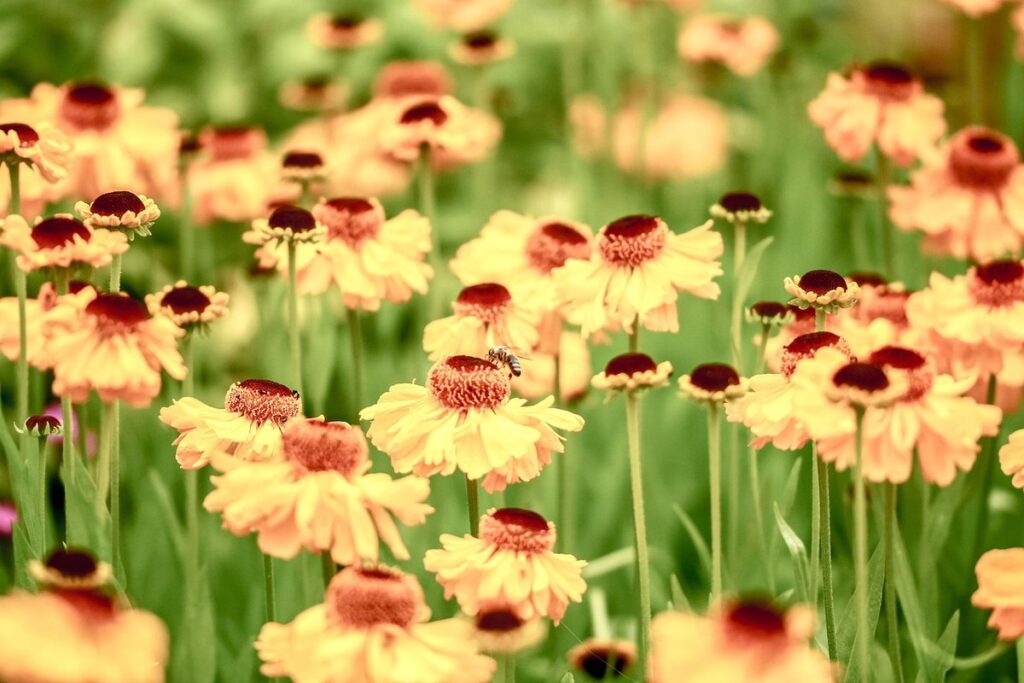
Planning a stunning flower garden can be both thrilling and intimidating. With so many factors to consider, from climate and soil conditions to flower selection and design principles, it’s no wonder that even seasoned gardeners feel overwhelmed. But with our expert guide, you’ll learn how to create a breathtaking flower garden that reflects your unique style and meets the needs of your outdoor space. In this comprehensive article, we’ll cover everything you need to know, from understanding your local climate and soil conditions to selecting the perfect flowers and designing a visually appealing layout. We’ll also explore planting strategies and seasonal care tips to ensure your garden stays vibrant all year round. By following our expert advice, you’ll be well on your way to creating a truly unforgettable flower garden that brings joy and beauty to your home.
Understanding Your Garden’s Climate and Soil Conditions
Before you start planting, it’s essential to understand your garden’s unique climate and soil conditions, which will greatly impact your flower selection and overall garden health. This includes considering temperature fluctuations and soil pH levels.
Assessing Your Climate Zone
To plan a thriving flower garden, it’s essential to understand your local climate zone. This will help you choose flowers that are suitable for your area and ensure they receive the right conditions to bloom beautifully. The United States Department of Agriculture (USDA) has divided the country into 11 climate zones, each with distinct temperature ranges.
Start by finding your climate zone using an online tool or consult a local nursery or gardening expert. Then, consider three key factors: temperature, sunlight, and precipitation. In warmer climates (zones 8-10), flowers like sunflowers and marigolds thrive in full sun, but may need protection from intense heatwaves. Conversely, cooler zones (4-6) require more shade-loving plants like impatiens or begonias.
Precipitation is another crucial factor. Areas with heavy rainfall (zone 9, for example) demand drought-tolerant flowers like succulents and lilies, while arid regions (zone 3) need regular watering. By understanding your climate zone’s specific conditions, you can select the perfect flowers that will bloom their best in your garden.
Analyzing Your Soil Type and pH Level
Understanding your soil’s composition and pH level is crucial for creating a thriving flower garden. The right mix of nutrients, moisture, and acidity will determine the health and vibrancy of your plants. If your soil lacks essential minerals or has an imbalanced pH, it can lead to nutrient deficiencies, reduced growth, and even plant death.
To analyze your soil type and pH level, you’ll need a DIY testing kit or consult with a local nursery for professional advice. A simple pH test will indicate whether your soil is acidic (pH 0-6), neutral (pH 7), or alkaline (pH 8+). Based on the results, you can take corrective measures to adjust the pH level.
For example, if your soil is too acidic, add lime to raise the pH. If it’s too alkaline, incorporate peat moss or sulfur to lower it. To maintain optimal soil conditions, mix in compost or well-rotted manure, which will help retain moisture and provide essential nutrients for healthy plant growth.
Remember, it’s not just about the type of flowers you choose but also understanding your garden’s underlying foundation – the soil. By taking control of your soil composition and pH level, you’ll be well on your way to creating a stunning flower garden that blooms with vibrancy and color.
Choosing the Right Flowers for Your Garden
When it comes to creating a beautiful and thriving flower garden, selecting the right flowers is one of the most important decisions you’ll make. In this next step, we’ll guide you through the process of choosing blooms that suit your climate and style.
Selecting Flower Varieties Based on Climate and Soil Conditions
When selecting flower varieties for your garden, it’s essential to consider the specific climate and soil conditions you’re working with. This will ensure that your flowers thrive and provide maximum beauty and enjoyment.
Start by assessing your local climate. If you live in an area prone to extreme heat, look for flower varieties that have high heat tolerance, such as zinnias or marigolds. These plants can withstand temperatures above 90°F (32°C) without wilting or requiring additional care.
Next, evaluate the moisture levels in your garden. Some flowers require consistent moisture, while others can tolerate drought conditions. Choose varieties that fit within your soil’s moisture range. For example, if you have a dry spell during the summer months, opt for succulent-based flowers like agave or aloe vera.
In addition to climate and soil considerations, also think about disease resistance when selecting flower varieties. Some plants are more susceptible to diseases than others, especially in areas with high humidity or waterlogged soil. Consider planting disease-resistant flowers like roses or hydrangeas to minimize maintenance and ensure healthy blooms throughout the growing season.
Considering Color Schemes and Themes
When it comes to designing your flower garden, choosing a color scheme and theme can be just as important as selecting the types of flowers you want to grow. A well-planned color scheme can add visual appeal and create a sense of harmony in your garden.
Consider starting with a monochromatic scheme, where different shades of the same color are used throughout the garden. This can create a soothing and calming atmosphere, perfect for a relaxing outdoor space. Alternatively, you could opt for a complementary color scheme, which pairs colors that are opposite each other on the color wheel. For example, pairing blue delphiniums with yellow roses creates a beautiful contrast.
Analogous color schemes, on the other hand, use colors that are next to each other on the color wheel, such as pink, purple, and blue. This can create a soft, cohesive look. When choosing a theme for your garden, consider popular options like a cottage garden, with its romantic, whimsical feel, or a tropical oasis, complete with bright flowers and lush greenery.
Some popular theme ideas include:
* A butterfly garden, featuring nectar-rich flowers that attract these beautiful creatures
* A sensory garden, designed to engage the senses through fragrance, texture, and color
* A wildlife garden, which incorporates plants that provide food and shelter for local wildlife
Garden Design Principles and Layout
When designing your flower garden, it’s essential to consider a few key principles that will make your space both beautiful and functional. Let’s dive into the basics of garden design layout.
Maximizing Space with Efficient Layouts
When designing your flower garden, it’s essential to consider the layout and make the most of the available space. A well-planned layout can not only enhance the aesthetic appeal but also ensure that plants receive sufficient sunlight, air circulation, and maintenance access.
To maximize space, think about grouping plants by their growing requirements, such as sun-loving plants together and shade-tolerant ones elsewhere in the garden. This strategy reduces congestion and minimizes competition for resources like water and nutrients. Consider a tiered or layered layout to create visual interest and add depth to your garden.
For example, you can plant tall flowers like sunflowers or delphiniums towards the north or west side of the garden, where they receive direct sunlight during winter months. Meanwhile, shorter plants like impatiens or begonias can be placed in shadier areas. Use meandering paths and curved borders to guide visitors through the garden, creating a sense of flow and exploration.
Remember to leave enough space between plantings for easy maintenance and pruning. A good rule of thumb is to allocate about 12-18 inches (30-45 cm) between each plant to prevent overcrowding and promote healthy growth.
Incorporating Hardscaping and Decorative Elements
When it comes to creating a visually stunning and functional flower garden, incorporating hardscaping and decorative elements can elevate your design from ordinary to extraordinary. Hardscaping refers to the non-plant elements of your garden, such as paths, patios, and walkways, which serve both aesthetic and practical purposes. For instance, a meandering stone path can lead visitors through the garden, creating a sense of discovery and exploration.
Decorative elements, on the other hand, add visual interest and personality to your flower garden. Water features like fountains or ponds not only create soothing sounds but also attract wildlife, such as birds and butterflies. Statues, sundials, and other ornaments can also be used to break up the symmetry of plant arrangements and add a touch of whimsy.
To incorporate hardscaping and decorative elements effectively, consider the following tips: choose materials that complement your garden’s style and color palette; balance bold decorative pieces with more subtle features; and ensure that pathways and walkways are well-lit for safe navigation. By thoughtfully integrating these elements, you can create a beautiful, inviting space that showcases your flower garden’s beauty while providing functional uses like seating areas or outdoor kitchens.
Planting and Maintenance Strategies
To create a thriving flower garden, you’ll want to carefully consider strategies for planting and maintenance that cater to your specific climate and soil type. This involves selecting suitable plants and a plan of regular upkeep.
Preparing Your Soil for Planting
Preparing your soil is an essential step before planting flowers. It’s not just about digging a hole and popping in some seeds – healthy soil is crucial for your blooms to thrive. To loosen compacted soil, try using a garden fork or spade to gently turn over the earth. Avoid using a shovel, which can damage the roots of existing plants.
Next, remove any debris from your garden beds. This includes weeds, twigs, and other unwanted materials that can compete with your flowers for water and nutrients. You can use a weeding tool or even just rake them out by hand. If you have a lot of debris to clear, consider enlisting the help of some willing friends – it’s always more fun with company!
Finally, apply organic amendments to give your soil an extra boost. These can be in the form of compost, well-rotted manure, or even just a layer of leaf mold. Organic matter helps retain moisture, suppresses pests and diseases, and adds vital nutrients for healthy growth. Consider getting some bags of composted soil from your local nursery – it’s like giving your garden a spa day!
Watering and Fertilization Best Practices
When it comes to maintaining a beautiful and thriving flower garden, proper watering and fertilization are crucial. Overwatering is one of the most common mistakes gardeners make, which can lead to root rot and other issues. To avoid this, it’s essential to understand the specific water needs of your plants. A good rule of thumb is to check the soil moisture by inserting your finger into the soil up to the first knuckle. If the soil feels dry, it’s time to water.
In terms of irrigation systems, consider installing a drip irrigation system or soaker hose, which deliver water directly to the roots of the plants, reducing evaporation and runoff. For natural fertilizer options, try using compost tea, which is made by steeping compost in water and then straining out the solids. You can also use worm castings or manure from herbivores like rabbits or horses.
Pests, Diseases, and Other Challenges
Every flower garden faces potential threats, from pesky pests to debilitating diseases, which is why it’s essential to know how to prevent and address these issues effectively. Let’s explore some common challenges together.
Identifying Common Pests and Diseases
Identifying common pests and diseases is crucial to maintaining a healthy and thriving flower garden. Some of the most common pests that can affect your flowers include aphids, whiteflies, and slugs. These tiny creatures feed on plant sap, leaving behind sticky honeydew droplets and curled or distorted leaves.
Deer, rabbits, and other wildlife can also cause significant damage to your flowers by feeding on them at night. Look for signs of animal activity such as torn leaves, nibbled stems, and scattered seeds.
Diseases like powdery mildew, leaf spot, and root rot can be caused by fungal infections that thrive in moist environments. Watch out for white or grayish patches on leaves, black spots, and soft, mushy stems.
To identify pests and diseases early on, inspect your plants regularly for signs of infestation or infection. Use a magnifying glass to examine leaves and stems closely. If you notice any issues, treat them promptly with organic or chemical controls. For example, neem oil can be used to repel aphids, while fungicides can help control fungal infections.
Keep in mind that prevention is key. Practice good garden hygiene by removing weeds, debris, and infested plants regularly. Water your flowers at the base instead of overhead to reduce moisture buildup on leaves.
Strategies for Preventing and Managing Problems
Preventing and managing pests, diseases, and other challenges is crucial to maintaining a healthy and thriving flower garden. One of the most effective strategies for preventing these issues is through cultural practices such as pruning, sanitation, and crop rotation.
Start by pruning your flowers regularly to promote air circulation and prevent moisture from accumulating on leaves, which can foster fungal growth. Remove any weeds that compete with your flowers for water and nutrients, and dispose of infected plants or debris promptly. Crop rotation also helps break the disease cycle and reduces pest infestations.
For integrated pest management (IPM), consider using physical barriers such as fine mesh screens to keep pests like aphids and whiteflies out. Encourage beneficial insects like ladybugs and lacewings by planting a diverse range of flowers that attract pollinators.
In addition, explore organic control methods like neem oil and pyrethrin sprays, which are safer for humans, pets, and the environment. These eco-friendly alternatives can help manage pest populations without causing long-term harm to your garden ecosystem. By combining these strategies, you’ll be well on your way to creating a balanced and resilient flower garden.
Seasonal Care and Upkeep
As you plan your flower garden, don’t forget to consider seasonal care and upkeep – tasks that will help your blooms thrive all year round. Regular maintenance is key to a beautiful and healthy garden.
Preparing Your Garden for Seasons
Preparing a flower garden for changing seasons is crucial to its long-term health and beauty. As a gardener, you’ll need to adapt your care routine to accommodate the unique needs of your flowers during different times of the year.
In spring, focus on planting new flowers as soon as the soil can be worked. This typically occurs when the soil has warmed up to at least 55°F (13°C) and there is no longer a risk of frost. Planting too early can lead to poor germination and weak seedlings. Consider using cold-hardy annuals like pansies or violas, which thrive in cooler temperatures.
As summer arrives, regular pruning becomes essential. Remove spent blooms to encourage more flowering and maintain the garden’s overall shape. This is also a great time to deadhead, which involves removing wilted flowers to promote healthy growth.
In autumn, prepare your flower garden for winter by clearing away any debris or weeds that may have accumulated during the growing season. Cut back perennials to about 3-4 inches from the ground and mulch around the base of plants to protect them from frost damage.
Extending the Blooming Season with Succession Planting
Succession planting is a clever technique that allows you to enjoy a prolonged blooming season in your flower garden. By introducing new plants at regular intervals, you can create a continuous display of color and vibrancy throughout the growing season.
The concept is simple: as one crop or bloom fades, another takes its place. This staggered approach ensures that there’s always something new and exciting to see, even when individual flowers have finished blooming. For example, if you plant annuals like marigolds or zinnias in early spring, they’ll bloom for several weeks before fading. But by sowing a second batch of these plants about six weeks later, you can enjoy another round of blooms just as the first batch is finishing up.
To implement succession planting in your garden, start by identifying which plants have long blooming periods or produce multiple flushes of flowers. Then, plan to sow new seeds every 2-4 weeks, depending on the specific variety and growing conditions. This simple strategy will help you make the most of your flower garden’s potential and enjoy a longer, more vibrant blooming season.
Frequently Asked Questions
What if I have a small garden space, but I want to grow a variety of flowers?
If you have limited space, consider using a layered planting strategy or choosing compact varieties that won’t spread too much. You can also use trellises or obelisks to make the most of vertical space and maximize blooms.
Can I still create a beautiful flower garden if I don’t know my exact soil pH level?
Yes. If you’re unsure about your soil pH, consider starting with a few easy-to-grow flowers like marigolds or zinnias that can tolerate a wide range of conditions. As you learn more about your soil, you can make adjustments to ensure optimal growth.
How often should I water my flower garden during periods of drought?
Watering schedules will vary depending on climate and soil type. A good rule of thumb is to check the soil moisture by inserting a finger into the soil up to the knuckle. If it feels dry, it’s time to water. Water deeply but infrequently to encourage deep root growth.
What if I notice pests or diseases in my flower garden?
Identify the issue (look for specific signs or symptoms) and research natural solutions or integrated pest management techniques. Consider using companion planting to deter pests or attracting beneficial insects that prey on pests.
Can I extend the blooming season of my flower garden by succession planting?
Yes! Succession planting involves sowing seeds at regular intervals to ensure a continuous bloom period. This works well for annuals like marigolds, zinnias, and sunflowers. Simply sow new seeds as old ones begin to fade, and enjoy a vibrant display of color all season long.