
If you’re a gardener who’s tired of seeing your beautiful flowers and plants devoured by pesky rabbits, you’re not alone. These furry critters can be a real nuisance in gardens, causing damage to perennials that take time and effort to maintain. But what if you could grow a rabbit-resistant garden with ease? With the right perennials and design strategies, it’s possible to create a beautiful and thriving landscape that rabbits won’t want to bother with. In this article, we’ll show you how to choose and plant perennials that are safe from rabbit damage, share expert tips on designing a rabbit-resistant garden, and provide maintenance advice to keep your new oasis looking its best. By the end of it, you’ll be equipped with everything you need to create a gorgeous and rabbit-free garden.
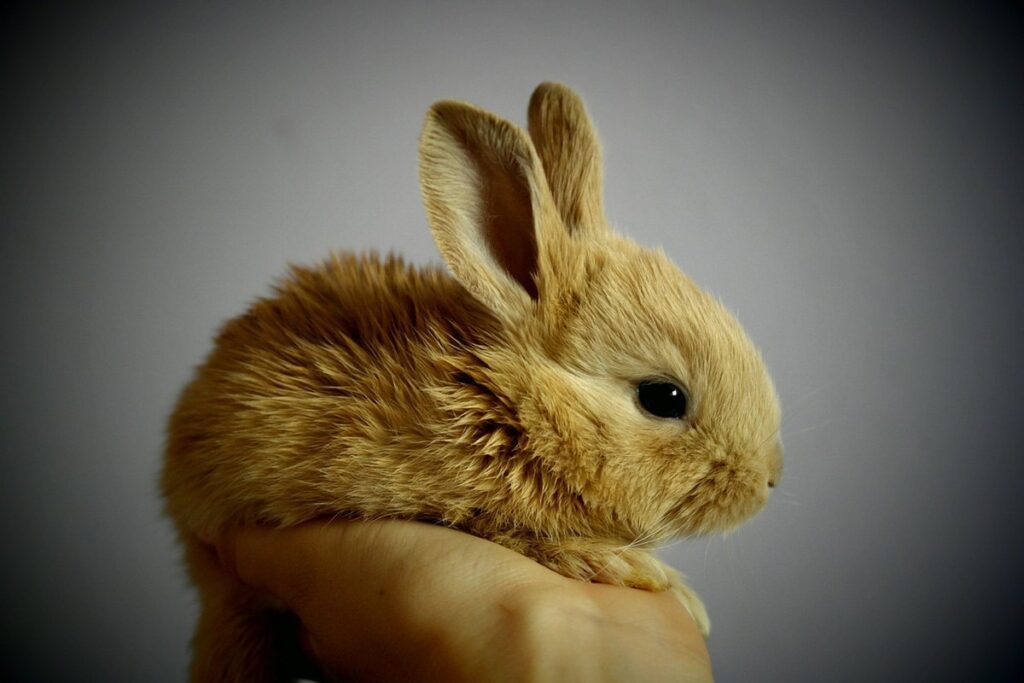
What Are Rabbit Resistant Plants?
When it comes to protecting your garden from those pesky rabbits, you need plants that can withstand their nibbling. In this section, we’ll explore what types of plants are naturally resistant to rabbit damage.
Understanding Rabbit Behavior and Preferences
To protect your garden from rabbit damage, it’s essential to understand their behavior and dietary preferences. Rabbits are herbivores that feed on a wide variety of plants, including flowers, leaves, stems, and roots. They have a keen sense of smell and taste, which helps them detect the sweetest and most tender parts of a plant.
In gardens, rabbits tend to focus on high-protein plants like grasses, clovers, and legumes. They also enjoy tender shoots, leaves, and buds of vegetables and flowers. Rabbits are most active during dawn and dusk when they feel safest, which is often when they do the most damage to your garden.
To rabbit-proof your perennials, consider planting species that are naturally unappealing to rabbits or have physical characteristics that make them less accessible. For example, some rabbits don’t like the taste of plants with strong scents or bitter flavors, such as lavender and daffodils. Others prefer smooth stems over prickly ones.
When selecting rabbit-resistant perennials, keep in mind their growth habits, mature size, and spread to ensure they fit well within your garden design.
Key Factors Influencing Plant Resistance
When it comes to rabbit-resistant plants, several key factors come into play that make them unappealing or inaccessible to these pesky creatures. Let’s dive into the characteristics that contribute to a plant’s resistance.
One of the primary reasons rabbits tend to avoid certain plants is due to their toxicity. Plants containing toxic compounds like alkaloids, glycosides, and saponins can be off-putting for rabbits. For instance, foxglove (Digitalis purpurea) contains cardiac glycosides that are toxic to rabbits if ingested in large quantities. Similarly, some species of daffodil (Narcissus pseudonarcissus) contain alkaloids that deter rabbit grazing.
Another factor is the plant’s texture and foliage density. Rabbits prefer plants with soft, palatable leaves and tender shoots. Plants with coarse or prickly foliage, such as lavender (Lavandula spp.) or rosemary (Rosmarinus officinalis), are often avoided by rabbits due to their unpleasant texture.
Lastly, a plant’s growth habits can also play a significant role in its resistance. Rabbits tend to prefer plants that grow close to the ground and have an open, spread-out habit, making it easier for them to access and feed on the leaves and shoots. Plants like daylily (Hemerocallis spp.) or coneflower (Echinacea spp.), which have upright growth habits and compact foliage, are often less appealing to rabbits.
Types of Rabbit Resistant Perennials for Your Garden
When it comes to choosing rabbit-resistant perennials, you’ll want to focus on plants that are naturally unappealing to these pesky critters. We’ve rounded up some of our top picks for your garden.
Ornamental Plants: Combining Beauty with Durability
When it comes to adding beauty and color to your garden while protecting it from rabbit damage, ornamental plants are an excellent choice. These perennials not only provide stunning visuals but also require minimal maintenance. Take coneflowers, for instance – these drought-tolerant flowers bloom in a range of vibrant colors, attracting pollinators like butterflies and hummingbirds to your garden.
Black-eyed Susans (Rudbeckia hirta) are another popular option, featuring bright yellow petals with dark centers that add a pop of color from late spring to early fall. Lavender is also an excellent choice, not only for its fragrance but also for its low-maintenance requirements and ability to repel rabbits.
To incorporate these ornamental plants into your garden, consider mixing them with other rabbit-resistant perennials like daylilies or hostas. This will create a layered look while minimizing the risk of rabbit damage. By combining beauty with durability, you can enjoy a vibrant and thriving garden without the hassle of constant maintenance or worrying about rabbit infestations.
Edible Perennials: Growing Your Own Food with Rabbits in Mind
When it comes to growing edible perennials that can withstand rabbit damage, there are several options to consider. Rhubarb is a popular choice for its tart flavor and versatility in desserts and savory dishes. However, it’s worth noting that rabbits tend to prefer the young leaves of rhubarb plants, so be sure to provide some protection for these tender shoots.
Artichokes are another edible perennial that can thrive in rabbit-resistant gardens. These thorny plants are less appealing to rabbits due to their spiny texture and strong flavor. Asparagus is also a great option, as it’s naturally repellent to rabbits due to its strong scent and bitter taste.
To incorporate these edible perennials into your garden, consider the following tips: choose varieties that are specifically bred for rabbit resistance or have natural deterrents built-in. Plant them in areas where you can easily monitor for signs of rabbit damage, such as near gates or in visible locations. Additionally, combine these edible perennials with other non-edible plants that rabbits find unappealing, like lavender or rosemary, to create a layered defense system for your garden.
Native Plants: Leveraging Nature’s Resistance to Rabbit Damage
When it comes to protecting your garden from rabbit damage, one effective strategy is to incorporate native plants into your landscape. These plants have co-evolved with local wildlife, including rabbits, and as a result, they often possess natural resistance to rabbit damage.
Native plants are perfectly adapted to the local climate, soil conditions, and pest population, making them an ideal choice for rabbit-resistant gardening. For instance, in California, native shrubs like coyote brush (Baccharis pilularis) and California buckwheat (Eriogonum fasciculatum) are resistant to rabbit grazing due to their chemical defenses.
Incorporating native plants into your garden is a simple yet effective way to reduce rabbit damage. Not only do these plants provide natural resistance, but they also require less maintenance and care compared to non-native species. When selecting native plants for your garden, be sure to choose species that are suitable for your specific region and climate.
To get started, research native plant species in your area and consult with local nurseries or gardening experts. With a little planning and creativity, you can create a rabbit-resistant garden that not only protects your plants but also supports local biodiversity.
Designing a Rabbit-Resistant Garden
When it comes to keeping those pesky rabbits out of your garden, designing a rabbit-resistant landscape is key. We’ll show you how to create a beautiful and secure outdoor space that they won’t want to nibble on.
Space Planning: Maximizing Plant Resistance and Minimizing Attractiveness
When designing a rabbit-resistant garden, it’s essential to strike a balance between minimizing plant attractiveness and still allowing for their presence. You can’t just eliminate all the plants that attract rabbits – after all, we’re looking at using resistant perennials here! However, there are ways to discourage those pesky critters from making themselves at home in your garden.
One strategy is to create physical barriers around sensitive plants or areas. This could be as simple as a 3-foot high fence or a row of chicken wire. You can also use mesh screens to cover individual plants or sections of the garden. For example, if you have a prized rose bush that’s particularly attractive to rabbits, consider covering it with a netting to protect it from their nibbling.
Another approach is to use visual deterrents. Rabbits are naturally wary creatures and tend to avoid areas that seem busy or foreboding. Try adding some reflective tape or shiny objects around the perimeter of your garden to create a sense of unease. Alternatively, you can plant some tall, dense shrubs like lavender or rosemary to block their line of sight. By combining these strategies with rabbit-resistant perennials, you’ll be well on your way to creating a garden that’s both beautiful and secure.
Companion Planting: Choosing Plants That Deter Rabbits Naturally
When it comes to deterring rabbits from your perennials, companion planting is an effective and natural method worth exploring. Companion planting involves pairing plants that repel rabbits with those they like to eat, thereby discouraging them from feeding on your prized perennials. One of the most well-known combinations for rabbit repellent is basil and mint. These pungent herbs release oils into the air that rabbits find overwhelming, making it unappealing for them to graze in the surrounding area.
Another effective pairing is lavender and rosemary. These fragrant plants not only repel rabbits but also attract beneficial insects and pollinators to your garden. For example, lavender’s calming scent can help reduce stress in rabbits, making them less likely to visit your garden. You can plant these combinations around the perimeter of your perennials or interspers them throughout your garden beds.
Remember, companion planting is not a foolproof method for rabbit control, but it can be an effective supplement to other deterrents and protection measures. By combining multiple methods – such as physical barriers, repellents, and companion planting – you can create a robust defense system that will protect your perennials from hungry rabbits.
Tips for Maintaining a Rabbit-Resistant Garden
To keep those pesky rabbits from raiding your garden, let’s cover some essential tips for maintaining a rabbit-resistant landscape that will save you time and stress. Regular maintenance is key to protecting your beautiful blooms.
Regular Maintenance: Monitoring Plant Health and Responding to Damage
Regular maintenance is crucial in protecting your rabbit-resistant garden from potential damage. Monitoring plant health involves regularly inspecting your perennials for signs of wear and tear, such as nibbled leaves or stems. Check for any unusual changes in foliage color or texture, which can be indicative of rabbit activity.
To monitor plant health effectively, schedule regular visits to your garden, ideally every week during peak growing seasons. During these visits, take note of any damage or issues that need attention. If you notice any signs of rabbit activity, respond promptly by repairing damaged areas and reinforcing plant defenses.
Preventative measures can also be implemented to minimize the risk of damage. For example, install physical barriers such as chicken wire or fencing around vulnerable plants. You can also use repellents like hot pepper sprays or motion-activated sprinklers to deter rabbits from your garden. By staying vigilant and taking proactive steps, you can enjoy a thriving rabbit-resistant garden all season long.
Additional Strategies for Deterrents and Repellents
While using rabbit-resistant perennials is a great start, there are other strategies you can employ to further deter rabbits from your garden. One effective method is to install physical barriers around your plants. These can be as simple as individual plant covers or as complex as entire garden enclosures made of hardware cloth or chicken wire with openings no larger than 1 inch.
Another option is to use repellent granules containing predator scents such as coyote, fox, or raccoon urine. While these can be effective, it’s essential to note that they often need to be reapplied after rain and may not work for all rabbits. You can also try making your own homemade deterrents using hot peppers, garlic, or soap. For example, mix 1 tablespoon of hot sauce with 1 quart of water and spray the solution on affected plants.
When choosing a method, weigh the pros and cons: physical barriers are long-lasting but can be expensive; repellent granules require frequent reapplication and may not work for all rabbits; homemade deterrents are inexpensive but often need to be reapplied frequently.
Conclusion: Protecting Your Garden with Rabbit Resistant Perennials
Now that you’ve identified the perfect rabbit-resistant perennials for your garden, it’s time to put them to good use. Remember that while these plants are less appealing to rabbits, they can still be nibbled on if hungry enough. To give your garden the best chance at being safe from rabbit damage, consider combining multiple rabbit-resistant perennials with physical barriers like fencing or netting. This multi-layered approach will significantly reduce the likelihood of rabbit-related problems.
Additionally, be sure to keep an eye on the overall health and appearance of your plants, as a weakened plant is more susceptible to damage from rabbits. By implementing these strategies, you’ll be well on your way to creating a beautiful and rabbit-free garden that brings you joy all season long.
Frequently Asked Questions
What if I have a small garden or balcony with limited space for rabbit-resistant perennials?
If you’re short on space, focus on selecting compact varieties of rabbit-resistant plants that thrive in containers. Consider using vertical gardening techniques to maximize your space and grow multiple plants at once.
How can I protect my existing garden from rabbits while transitioning to rabbit-resistant perennials?
Gradually introduce rabbit-resistant perennials alongside existing plants, allowing them to establish themselves before removing the vulnerable ones. Use physical barriers or repellents to deter rabbits from the remaining sensitive plants until they’re fully replaced.
Will companion planting with rabbit-deterrent plants completely eliminate rabbit damage?
While companion planting can help deter rabbits, it’s unlikely to completely eliminate all damage. Rabbits may still nibble on resistant plants if they’re hungry enough or if other factors contribute to their attraction to your garden.
Can I use a combination of physical barriers and repellents in my garden for added protection?
Yes, combining physical barriers (like fencing) with repellents (such as motion-activated sprinklers or hot pepper sprays) can provide an effective multi-layered defense against rabbits. Consider using these deterrents together to maximize their impact.
How often should I inspect my rabbit-resistant perennials and adjust maintenance accordingly?
Regularly inspect your plants every 7-10 days during peak rabbit season, looking for signs of damage or stress. Adjust watering, pruning, and fertilization schedules as needed based on plant responses and growth patterns.