
Are you tired of buying expensive seeds every year? Do you want to take control of your garden’s future and save money in the process? Seed saving is a simple yet powerful practice that can help you do just that. By learning the basics of seed saving, you’ll be able to preserve your harvest from open-pollinated varieties and store them for next year’s crop. Not only will this method save you money, but it’s also an eco-friendly way to garden. In this article, we’ll cover the fundamentals of seed saving, including how to identify suitable plants, collect seeds at the right time, and properly store them for optimal germination. Whether you’re a seasoned gardener or just starting out, our comprehensive guide will walk you through each step of the seed saving process.
What is Seed Saving and Why Is It Important?
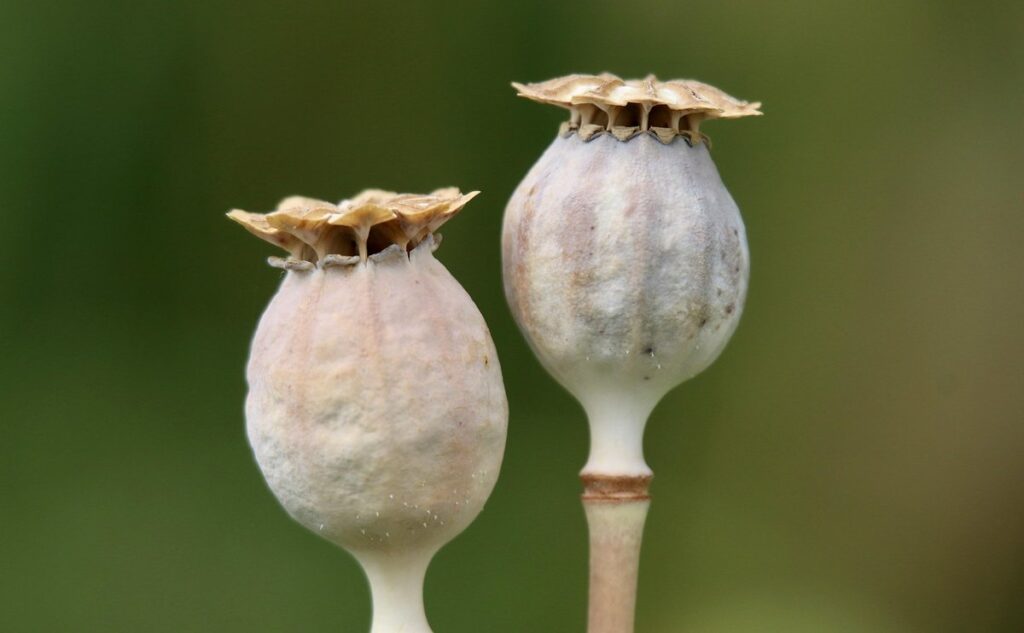
Welcome to the world of seed saving, where you’ll learn how to preserve your harvest for future use and ensure a steady supply of homegrown goodness. Let’s start at the beginning: what is seed saving, exactly?
Understanding the Benefits of Seed Saving
Saving seeds from your harvest is not only a fun and rewarding experience, but it also offers numerous benefits that can positively impact your gardening endeavors. One of the most significant advantages of seed saving is its cost-effectiveness. By reusing seeds from your own crops, you’ll no longer need to purchase seeds every season, which can save you money in the long run.
Another benefit of seed saving is the preservation of crop diversity. When you rely on commercial seeds, you’re often limited to a small selection of varieties that may not be well-suited to your specific climate or region. By saving seeds from your own plants, you can cultivate and share unique varieties that have adapted to local conditions.
Finally, seed saving reduces your reliance on commercial seeds, which can be beneficial for several reasons. For one, it gives you greater control over the seeds used in your garden. You’ll also be less vulnerable to supply chain disruptions or seed shortages. Plus, by preserving seeds from your own harvest, you’re contributing to the conservation of plant genetic resources and helping to ensure a more sustainable food system.
The Importance of Open-Pollinated Varieties
When it comes to seed saving, choosing the right variety is crucial. Open-pollinated (OP) varieties are essential for seed saving because they can be saved and replanted year after year, producing plants with similar characteristics. This is in contrast to hybrid or genetically modified seeds, which often lose their potency after one generation.
Examples of OP crops that can be saved include tomatoes, peppers, beans, squash, and lettuce. These crops are perfect for beginners because they’re easy to save and have a high success rate. By choosing OP varieties, you’ll be able to save your own seeds and enjoy the benefits of homegrown produce without relying on commercial seed suppliers.
Some popular OP tomato varieties that can be saved include ‘Brandywine’, ‘Cherokee Purple’, and ‘Stupice’. These varieties are known for their rich flavor and high yields, making them perfect for home gardeners. By saving your own seeds from these OP varieties, you’ll be able to preserve the unique characteristics of your favorite tomato plants and enjoy a bountiful harvest year after year.
Choosing the Right Plants for Seed Saving
When it comes to seed saving, selecting plants that are suitable for saving seeds is crucial. You want to choose varieties that will produce high-quality seeds and thrive in your climate.
Selecting Crops That Are Easy to Save
When it comes to selecting crops for seed saving, some are more suitable than others. Vegetables like beans, peas, and squash are excellent choices because they produce a high volume of seeds with minimal maintenance. These easy-to-save vegetables also tend to have a long shelf life, making them ideal for storing and replanting.
In contrast, leafy greens like lettuce and kale are not the best options for seed saving due to their short lifespan and delicate nature. Fruits like tomatoes and peppers can be saved as seeds, but they require more care and attention during the process.
Grains like corn and wheat are also great candidates for seed saving. In fact, many grain crops can produce thousands of seeds per plant, making them a valuable resource for gardeners. When selecting flowers for seed saving, consider varieties like zinnias, marigolds, and sunflowers, which are easy to save and can be used as cut flowers or added to bouquets.
When choosing crops for seed saving, prioritize plants that produce large quantities of seeds with minimal effort required for harvesting and processing. This will make the seed saving process much more efficient and enjoyable.
Factors to Consider When Selecting Plants for Seed Saving
When selecting plants for seed saving, it’s essential to consider several factors that can impact success. One crucial aspect is plant size. Some varieties are naturally smaller and more compact, making them ideal for small-scale seed saving. For instance, herbs like basil and mint are perfect candidates because they produce an abundance of seeds in a limited space.
Another critical factor is growth habits. Plants with tall or sprawling growth patterns can be challenging to manage for seed saving. They may require extensive support or staking, which can lead to seed loss due to shattering or damage during harvesting. Conversely, plants like lettuce and spinach have more compact growth habits, making them simpler to harvest for seeds.
Pollination requirements are also vital to consider. Some plants, like tomatoes and squash, rely on insects for pollination, while others, like beans and peas, can self-pollinate. Understanding the specific needs of each plant will help you optimize seed production and ensure a bountiful harvest. By considering these factors, you’ll be well-equipped to select the perfect plants for seed saving success.
Harvesting Seeds at the Right Time
Harvesting seeds at the right time is crucial for their viability and effectiveness in future plantings, which we’ll explore in more detail here. Let’s dive into the key considerations to keep in mind.
Determining Seed Maturity
Determine whether your seeds are mature and ready for harvest by looking out for specific signs. One of the most important indicators is color change. As seeds mature, they often turn from green to brown, beige, or a combination of colors depending on the plant species.
Another key factor is seed size. When seeds reach full maturity, they typically become larger and plumper. If seeds are still small or shriveled, it’s likely that they need more time to develop.
Harvesting too early can result in poor germination rates, while waiting too long may lead to reduced viability due to over-maturity. Generally, it’s best to harvest seeds when the majority of them have reached full maturity.
In terms of timing, consider the specific plant species and its growth cycle. Some plants mature more quickly than others, such as corn or beans, while slower-growing crops like tomatoes and squash may require additional time.
When in doubt, wait a few days before checking on your seeds again. Be patient and monitor their development closely to avoid missing the optimal harvesting window.
Techniques for Collecting Seeds from Different Plants
Collecting seeds from different plants requires some creativity and attention to detail. For example, when collecting seed heads, like those found on sunflowers or coneflowers, simply snip off the dried flower head with scissors, making sure to leave a small portion of stem attached to the plant. You can then tie the seed head in small paper bags or mesh bags to catch any falling seeds.
For plants that produce pods, such as beans, peas, and peanuts, you’ll need to wait for them to dry completely before collecting. Simply pinch or cut off the pod when it’s fully ripe, making sure not to damage the seeds inside. Some plants, like squash and melons, have fruits that can be harvested by cutting them from the vine with a knife or pruning shears.
When collecting seeds from fruits, like tomatoes or peppers, wait for them to fully ripen on the plant. Then, scoop out the seeds with a spoon and rinse them gently in water to remove any pulp or debris. Remember to label each collection clearly, including the date and the type of seed you’re saving, so you can keep track of your harvest later.
Processing and Cleaning Seeds
Now that you’ve harvested your seeds, it’s time to process and clean them for storage. This step is crucial for seed viability and successful germination in future seasons.
Removing Excess Material from Seeds
Removing excess material from seeds is an essential step in seed saving. When harvesting seeds, you’ll often end up with a mix of seeds and debris such as stalks, leaves, and other plant material. This can make it difficult to separate the viable seeds from the trash.
To remove excess material, start by sorting through your harvested seeds and separating them from any visible debris. You can use a simple process like hand-picking or a more efficient method like using a seed separator tool. A seed separator is a device specifically designed to help you quickly and easily separate seeds from debris.
It’s also essential to remove any moldy, diseased, or infested seeds as they can affect the quality of your saved seeds. When cleaning your seeds, make sure to use clean water and dry them thoroughly to prevent moisture buildup. This will help preserve the viability of your seeds for future planting.
Storing Seeds for Long-Term Preservation
Storing seeds for long-term preservation is crucial if you want to keep them viable and ready for planting season after season. To maintain seed viability, it’s essential to control the storage environment by managing temperature and humidity levels.
Store seeds in a cool, dry place with consistent temperatures between 40°F and 70°F (4°C and 21°C). Avoid storing seeds near heating vents, radiators, or areas prone to moisture accumulation. A basement or cupboard is ideal for seed storage. Humidity control is also vital; desiccants like silica gel can absorb excess moisture and maintain a dry environment.
Use airtight containers made of glass or plastic to store seeds. Label each container with the seed type, date stored, and any relevant notes about the harvest. Store seeds away from direct sunlight, which can cause degradation. If you’re storing seeds for an extended period (more than 5 years), consider freezing them in airtight containers or bags at -18°C (0°F). By following these storage techniques, you’ll be able to preserve your seeds and ensure their viability for future plantings.
Saving Seeds for Next Year’s Crop
Saving seeds from your harvest is a crucial step in preserving your crop, and we’ll walk you through the process of selecting, harvesting, and storing them. Proper seed saving ensures a bountiful harvest next year.
Seed Storage Options and Containers
When it comes to storing seeds for next year’s crop, choosing the right container is crucial. You’ll want something that keeps moisture out, prevents light from entering, and protects the seeds from temperature fluctuations.
Glass jars are an excellent option for seed storage. They’re non-porous, which means they won’t absorb moisture or chemicals from the air. Look for wide-mouthed jars with tight-fitting lids to make it easy to add or remove seeds. Make sure to label each jar clearly, including the date and variety of seeds.
Plastic containers can also work well, but be cautious not to choose ones that are prone to cracking or warping. You’ll want a container that’s specifically designed for seed storage and has a secure lid.
For larger collections, consider investing in a seed bank. These compact units usually have multiple compartments and can store hundreds of seeds. They’re also often equipped with built-in ventilation systems to regulate humidity levels. Some even come with digital scales for precise tracking.
Strategies for Labeling and Organizing Saved Seeds
Proper labeling and organization of saved seeds are crucial steps in seed saving. Without accurate identification and easy access, you risk losing track of which seeds come from which parent plants. This can lead to disappointing results when trying to replicate a particular variety next season.
When it comes to labeling your saved seeds, make sure to include the following information:
* The name of the plant variety
* The date you harvested the seed
* A unique identifier for the specific batch or packet
You can use small envelopes, stickers, or even label makers to keep track of this information. Be consistent in your labeling system so that it’s easy to scan a shelf and quickly find what you’re looking for.
For organization, consider categorizing your seeds by plant type, growth habit, or climate suitability. This will help you identify which varieties are best suited for your specific growing conditions.
Common Challenges in Seed Saving and Troubleshooting
You may encounter some common challenges when saving seeds, such as low germination rates or poor seed quality, but don’t worry, we’ll cover how to troubleshoot these issues.
Managing Diseases and Pests in Seed Crops
When it comes to seed saving, managing diseases and pests is crucial for maintaining the health of your crop and ensuring a successful harvest. Some common diseases that can affect seed crops include fungal infections such as powdery mildew and downy mildew, which can be spread through airborne spores or contaminated water.
Pests like aphids, whiteflies, and spider mites can also cause significant damage to seed crops by feeding on plant sap, transmitting diseases, and reducing yields. To manage these issues, it’s essential to maintain good hygiene practices, such as cleaning your tools regularly and disinfecting any surfaces that come into contact with the crop.
Regular monitoring of your plants for signs of disease or pest infestation is also crucial. This can involve inspecting leaves, stems, and roots for damage or discoloration, and checking for pests like eggs, larvae, or actual insects on the plant. By catching problems early, you can take action to prevent them from spreading and causing more significant harm.
Some common management strategies include using neem oil, insecticidal soap, or other organic pesticides to control pest populations, as well as crop rotation and sanitation practices to reduce disease incidence.
Overcoming Technical Difficulties with Seed Saving
When it comes to seed saving, technical difficulties can arise, causing frustration and disappointment. Poor germination rates and inconsistent harvests are two common issues beginners often encounter.
Poor germination rates can be attributed to a variety of factors. Seeds may not have been stored properly, leading to moisture or temperature fluctuations that damage the seeds’ viability. On the other hand, some seeds might simply require scarification or stratification to break dormancy. To improve germination rates, make sure to store seeds in a cool, dry place with minimal light exposure. Research specific requirements for each seed type.
Inconsistent harvests can be due to factors like inconsistent sowing schedules, inadequate pollination, or poor crop selection. Select varieties known for their reliable yields and adaptability. Consider rotating your crops seasonally to avoid depleting the soil’s nutrients. Additionally, maintain a consistent sowing schedule to ensure optimal growing conditions.
If you’re struggling with germination rates or harvest consistency, experiment with different techniques and observe the results. Keep records of what works and what doesn’t to refine your approach over time.
Conclusion: Preserving Your Harvest through Seed Saving
Now that you’ve learned the basics of seed saving, it’s time to put your newfound knowledge into practice and preserve your harvest for future seasons. This final step is crucial for long-term success.
Recap of Key Takeaways
As we conclude our journey through the world of seed saving basics, it’s essential to recap the key takeaways that will help you preserve your harvest for years to come. By now, you should have a solid understanding of why seed saving is crucial for gardeners and farmers alike.
Seed saving allows you to reuse high-quality seeds from your own crops, reducing reliance on commercial seed sources. This practice also helps maintain genetic diversity within plant varieties, which is vital for crop resilience and adaptability in the face of climate change. By saving seeds, you’re not only preserving your harvest but also contributing to the long-term health of our food systems.
One of the primary benefits of seed saving is that it enables you to select for desirable traits, such as disease resistance or early maturation. This selective breeding process can lead to improved crop yields and better adaptation to specific growing conditions. For instance, if you’ve grown a particular variety of tomato that thrives in your local climate, you can save its seeds to replicate those results year after year.
To put these principles into practice, start by identifying the seed varieties from your harvest that have performed exceptionally well. Choose plants with desirable traits and allow them to mature fully before harvesting their seeds. Store these seeds properly to maintain their viability, either by air-drying or drying in a low-temperature environment.
By incorporating seed saving into your gardening routine, you’ll not only ensure the continuation of your favorite varieties but also take a crucial step toward preserving our agricultural heritage.
Frequently Asked Questions
How do I ensure the quality of my saved seeds?
To guarantee optimal germination, inspect your stored seeds regularly for signs of mold, moisture, or pests. Consider rotating your seed storage containers to maintain even conditions and prevent long-term exposure to heat or cold. This will help preserve the viability of your saved seeds.
Can I save seeds from hybrid plants?
No, you should not save seeds from hybrid plants as they are bred specifically for their unique characteristics and do not retain these traits when replanted. Saving seeds from hybrids can result in unpredictable and often disappointing outcomes. Focus on open-pollinated varieties to ensure the quality of your saved seeds.
What is the ideal storage temperature for long-term seed preservation?
Seeds typically thrive at temperatures between 40°F (4°C) and 50°F (10°C). Avoid storing seeds near heat sources, such as radiators or direct sunlight. Instead, opt for a cool, dry location with consistent humidity levels to preserve your saved seeds.
How often should I inspect my stored seeds for viability?
Regular inspections of your stored seeds are crucial to maintaining their quality and ensuring optimal germination rates. Set aside time every few months to check on the condition of your seed storage containers and rotate them if necessary. This will help you identify any potential issues before they become major problems.
Can I save seeds from plants with powdery mildew?
While it’s technically possible, saving seeds from plants affected by powdery mildew may lead to lower-quality seedlings or reduced germination rates. To minimize the risk of disease transmission, consider isolating affected plants during seed collection and handling to prevent cross-contamination.
How do I properly label and organize my saved seeds?
Effective labeling and organization are essential for successful seed saving. Use a consistent system for labeling your containers, including the type of plant, date harvested, and any relevant notes about the growing conditions or treatments applied. This will help you quickly identify specific seed varieties and their associated characteristics when replanting next year.