
As an avid gardener or chef, you’re likely no stranger to the joy of harvesting fresh herbs from your garden or kitchen. But have you ever wondered how to preserve that freshness for months to come? Drying and storing herbs is a simple yet essential process that can make all the difference in maintaining their flavor, aroma, and nutritional value. Whether you’re looking to enjoy your homegrown herbs year-round or simply want to make the most of their limited shelf life, learning the right techniques is crucial. In this article, we’ll delve into the world of herb drying and storage, exploring methods such as air drying, oven drying, and dehydrator drying, as well as various storage options to help you preserve your herbs for optimal results.
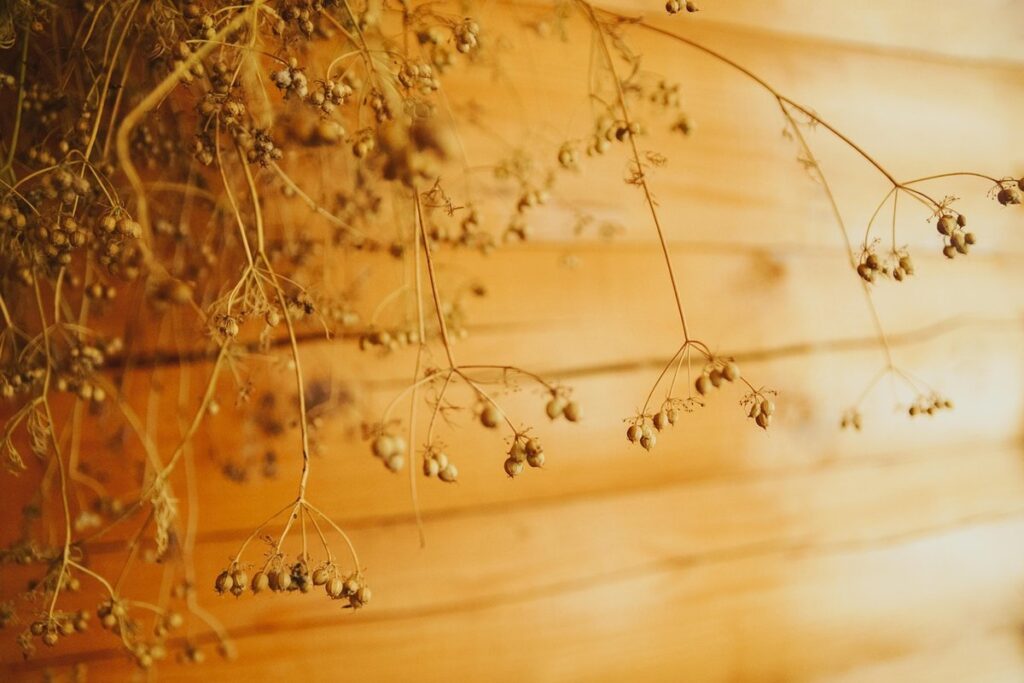
Benefits of Proper Herb Drying and Storage
By taking the time to properly dry and store your herbs, you’ll preserve their flavor, aroma, and nutritional value for a longer period, and enjoy them all year round. Proper storage will also help prevent spoilage and waste.
Importance of Preservation
Proper herb drying and storage are crucial steps to maintain the flavor, aroma, and nutritional value of your herbs. If not stored correctly, herbs can quickly lose their potency, turning into wilted and tasteless leaves. This is especially true for delicate herbs like basil and mint.
One of the main reasons proper preservation matters is that it helps retain the herb’s essential oils. These oils are responsible for the herb’s flavor, aroma, and medicinal properties. When dried or stored improperly, these oils can evaporate quickly, leaving you with a pile of flavorless herbs. To prevent this, make sure to dry your herbs immediately after harvesting, using a food dehydrator or by air-drying them in a warm, dark place.
Another benefit of proper preservation is that it helps preserve the herb’s antioxidants and vitamins. Many herbs are rich in nutrients like vitamin C, vitamin K, and beta-carotene. When stored correctly, these nutrients can remain intact for several months, providing you with healthy and flavorful additions to your meals. To maximize the shelf life of your dried herbs, store them in airtight containers, away from direct sunlight and moisture.
Reducing Spoilage and Prolonging Shelf Life
Improper storage can quickly lead to spoilage, rendering even the freshest herbs useless. When dried herbs are exposed to air, moisture, and heat, they begin to deteriorate, losing their flavor, aroma, and potency. This can be particularly problematic for households that store large quantities of herbs or those with limited shelf life. A common mistake is storing herbs in airtight containers, which may seem like a good idea but actually traps the moisture inside, causing the herbs to become stale.
To extend the shelf life of your dried herbs, it’s essential to maintain optimal storage conditions. Store them in glass containers with tight-fitting lids, allowing for minimal exposure to air. Keep them away from direct sunlight, heat sources, and humid environments. You can also use a desiccant or silica gel packets to absorb any excess moisture.
Some herbs are more delicate than others and require special attention. For example, rosemary and thyme tend to dry out quickly due to their high oil content. To prevent spoilage, store them in smaller quantities and consider freezing them for longer-term storage.
Choosing the Right Method for Drying Herbs
When it comes to drying herbs, not all methods are created equal. In this crucial step, you’ll learn how to select the best method for your specific herbs and needs.
Air Drying
Air drying is one of the most popular methods for preserving herbs, and it’s also one of the simplest. This method involves hanging the herb bunches upside down in a warm, dry, dark place, allowing them to air dry naturally. To begin, make sure you have a clean and dry workspace, free from any moisture or humidity.
To air dry your herbs effectively, follow these steps:
* Tie the herb stems together with twine or a paper clip to create small bunches.
* Hang the bunches upside down in a warm, dark place, such as a pantry or cupboard. Avoid direct sunlight and heat sources like ovens or radiators.
* Monitor the herbs’ progress regularly, checking on them every few days to ensure they’re drying evenly.
* Once dry, store the herbs in airtight containers to preserve their flavor and aroma.
Some herbs are more suitable for air drying than others. Delicate herbs like basil and mint tend to lose their flavor quickly, so it’s best to use them within a week or two of harvesting. Hardier herbs like rosemary and thyme can be stored for longer periods.
Oven Drying
Oven drying is an excellent method for preserving herbs, especially those with high moisture content like basil and mint. This technique involves placing the herbs on a baking sheet lined with parchment paper and setting the oven to its lowest temperature setting, usually around 150-200°F (65-90°C). The gentle heat helps to draw out excess moisture without damaging the delicate herb leaves.
One of the advantages of oven drying is that it’s relatively quick compared to air-drying methods. It typically takes between 1-2 hours for herbs to dry completely, depending on their thickness and moisture level. To achieve optimal results, make sure to check on the herbs periodically to prevent over-drying, which can lead to a loss of flavor and aroma.
However, oven drying also has some potential drawbacks. For instance, it can be more energy-intensive than other methods, and if not done correctly, it may cause herbs to brown or become discolored. To avoid this, ensure that the oven is set to its lowest temperature, and keep an eye on the herbs while they’re drying.
Dehydrator Drying
Dehydrator drying is an excellent option for those who want to dry large quantities of herbs quickly and efficiently. This method uses a machine that circulates hot air around the herbs to remove moisture, preserving their flavor and aroma.
One of the main advantages of dehydrator drying is its speed – it can take as little as 1-2 hours to dry herbs completely, depending on the type and thickness of the herb material. For example, you can dry a batch of basil leaves in just over an hour using a dehydrator at a temperature of 95°F (35°C).
When choosing dehydrators for drying herbs, consider investing in one with multiple trays or shelves to accommodate large quantities. Some popular options include Excalibur and NutriChef, which offer a range of models suitable for small-scale to industrial use.
To get the best results from your dehydrator, make sure to follow these guidelines: harvest fresh herbs just before drying, gently spread them out on the trays, and maintain a consistent temperature. This will help preserve the flavor, aroma, and nutritional value of your dried herbs.
Preparing Herbs for Storage
Before storing your dried herbs, it’s essential to prepare them properly to maintain their flavor and aroma. This includes cleaning, drying further if necessary, and packaging for long-term storage.
Cleaning and Sanitizing
Before storing dried herbs, it’s essential to clean and sanitize them thoroughly. This step may seem minor, but it plays a crucial role in preventing contamination and spoilage. Bacteria, mold, and other microorganisms can thrive on even the slightest amounts of moisture, especially when herbs are stored together in an enclosed space.
When cleaning your dried herbs, start by gently brushing off any loose debris or dust particles using a soft-bristled brush or a clean cloth. Then, mix 1 tablespoon of white vinegar with 2 cups of water and use this solution to rinse the herbs. This will help remove any remaining impurities and prevent bacterial growth.
Sanitizing your herbs is just as important as cleaning them. To sanitize, simply air-dry the cleaned herbs or place them in a low-temperature oven (150°F – 200°F) for 10-15 minutes. Alternatively, you can use a food dehydrator set to its sanitizing mode. By taking these extra steps, you’ll be able to store your dried herbs with confidence and enjoy their flavor for longer periods.
Trimming and Bundling
Trimming herbs is an essential step before bundling them for storage. This process helps maintain the herb’s natural moisture levels and prevents it from becoming too soggy during drying. To trim effectively, cut off any large leaves or stems that are more prone to spoilage. For delicate herbs like basil and mint, use scissors to pinch off individual leaves at their base.
When bundling herbs for storage, consider using twine or rubber bands to keep the stems together. This method is particularly useful for larger quantities of herbs or those with longer stems, such as rosemary and thyme. For smaller bunches, you can tie the stems together in a neat package using a small piece of kitchen string.
To maintain optimal moisture control during trimming and bundling, make sure to dry your herbs immediately after cleaning them. This step prevents any excess moisture from accumulating on the leaves or stems, which can lead to mold or spoilage during storage. Regularly inspecting your stored herbs for signs of moisture is also crucial in preventing contamination.
Storage Options for Dried Herbs
When it comes to storing dried herbs, you’ll want to choose a method that preserves their flavor and aroma. We’ll explore various storage options in this next section.
Airtight Containers
Airtight containers are an excellent way to store dried herbs, providing a controlled environment that maintains their flavor, aroma, and nutritional value. When storing dried herbs in airtight containers, it’s essential to choose the right material for the job. Glass jars or BPA-free plastic containers with tight-fitting lids work well, as they prevent air, moisture, and light from entering the container.
To ensure the containers remain airtight, check them regularly for any signs of wear or damage. If you notice any cracks or gaps, replace the container immediately. You can also add an extra layer of protection by placing a piece of parchment paper or aluminum foil between the herbs and the container’s lid to prevent moisture from seeping in.
When storing dried herbs in airtight containers, it’s crucial to keep them away from heat sources, direct sunlight, and humid environments. This will help preserve the herbs’ potency and flavor for a longer period. For example, you can store your dried herbs on a cool, dark shelf or cupboard, making sure they’re not exposed to direct sunlight or moisture.
Glass Jars with Desiccants
When it comes to storing dried herbs, glass jars are an excellent option. Not only do they protect your herbs from light and air, but they also allow for easy visibility of the contents. However, maintaining optimal humidity levels within these containers is crucial to preserve the flavor and aroma of your dried herbs.
That’s where desiccants come in – small packets that absorb moisture from the air, helping to maintain a dry environment. You can place one or two desiccants inside each glass jar to effectively control humidity levels. This simple step will help prevent mold growth and spoilage, ensuring your dried herbs remain fresh for longer.
For optimal results, choose desiccants specifically designed for food storage, such as silica gel or calcium chloride packets. Place them in the jar along with the dried herbs, making sure they’re completely covered by the desiccant’s absorbing power. This will help maintain a relative humidity level of around 30-40%, which is ideal for most dried herbs.
By storing your dried herbs in glass jars with desiccants, you’ll be able to enjoy them throughout the year while maintaining their flavor and aroma.
Maintaining Herb Quality During Storage
To keep your dried herbs fresh and flavorful, it’s essential to maintain proper storage conditions to prevent moisture, light, and pests from compromising their quality. Proper storage techniques will be discussed in this section.
Temperature Control
Maintaining consistent temperatures during storage is crucial to preserve the quality and freshness of dried herbs. Temperature fluctuations can lead to moisture absorption, causing the herbs to become stale or develop off-flavors. In fact, a temperature change as small as 10°F (5°C) can alter the herb’s flavor profile and aroma.
When storing herbs, it’s essential to maintain a consistent temperature between 50-60°F (10-15°C). This range allows for slow moisture loss and minimizes the risk of mold growth. For example, if you’re storing basil, a consistent temperature will help preserve its bright green color and pungent aroma.
To regulate temperature during storage, consider using a thermometer to monitor the environment. You can also store herbs in an area with stable humidity levels, such as a pantry or cupboard. Avoid storing herbs near direct sunlight, ovens, or heat vents, as these areas are prone to temperature fluctuations.
Remember, maintaining consistent temperatures is just one aspect of preserving herb quality during storage. Proper packaging and handling techniques will further ensure the long shelf life and optimal flavor of your dried herbs.
Light Protection
When it comes to maintaining the quality of dried herbs, light protection is crucial. Light exposure can cause degradation of essential oils, leading to a loss of flavor and aroma. To prevent this, store your dried herbs in dark environments or use UV-blocking materials.
Consider storing your herbs in airtight containers with tight-fitting lids in a cupboard or drawer that receives minimal natural light. If you’re short on cupboard space, look for containers specifically designed for storing spices and herbs that are made from dark-colored materials like glass or ceramic. These will help block out even the smallest amount of light.
Alternatively, use UV-blocking materials like paper bags or aluminum foil to wrap your dried herbs before storing them in a container. This is especially effective for delicate herbs like basil and mint. Simply place a sheet of paper or aluminum foil over the container, ensuring that it covers the entire surface area.
Remember, even a short exposure to direct sunlight can cause significant damage to your dried herbs. So, keep them stored safely away from windows and other light sources. By taking these simple precautions, you’ll be able to preserve the flavor and aroma of your herbs for longer periods.
Tips for Using Dried Herbs
Now that you’ve dried your herbs, let’s talk about how to use them effectively. Proper usage will ensure the flavors and aromas of your dried herbs shine in your favorite recipes.
Reconstituting Methods
Reconstituting dried herbs is an art that requires some experimentation to find the right method for each herb. The good news is that it’s relatively easy and can be done in various ways.
One of the most common methods is steeping, which involves placing a teaspoon or two of dried herbs into a cup of boiling water, letting it sit for 5-10 minutes, then straining out the solids. This method works well for delicate herbs like chamomile, lavender, and mint. You can also use this method to make herbal tea infusions by combining multiple herbs.
Sautéing is another effective way to reconstitute dried herbs. Simply heat a tablespoon of oil in a pan over medium heat, add the desired amount of dried herbs, and cook for 1-2 minutes until fragrant. This method is ideal for robust herbs like thyme, oregano, and rosemary.
Simmering is also an excellent option, especially when cooking with soups or stews. Simply add a teaspoon of dried herbs to the pot during the last 10-15 minutes of cooking, allowing the flavors to meld together.
Ratios and Substitutions
When it comes to using dried herbs in cooking, understanding the right ratios and substitution techniques is crucial for achieving optimal flavor. A good rule of thumb is to use one-third to one-half the amount of dried herbs as you would fresh ones. For example, if a recipe calls for 1 tablespoon of chopped fresh parsley, you can substitute it with 2-3 teaspoons of dried parsley.
When substituting between different types of herbs, consider their intensity of flavor. For instance, basil has a strong, pungent taste, so use less of it when substituting in a recipe. On the other hand, herbs like thyme and oregano have milder flavors, making them suitable for using in larger quantities.
Some general guidelines to keep in mind are: when substituting dried herbs for fresh, reduce the amount used by half; when substituting between different types of dried herbs, start with a smaller amount (1/4 teaspoon) and adjust to taste. Remember, practice makes perfect – experiment with different ratios and substitutions to develop your own culinary intuition and find what works best in your kitchen.
Frequently Asked Questions
How do I know if my dried herbs are properly preserved for long-term storage?
The best way to check is by observing their color, texture, and aroma. Well-preserved herbs will retain their original color and have a pleasant, slightly bitter or earthy scent. Check for any signs of mold, mildew, or pests. If in doubt, use your senses and trust your instincts.
What’s the ideal storage location for dried herbs to maintain their potency?
Store dried herbs in a cool, dark place with low humidity. Avoid direct sunlight, moisture-prone areas like basements or attics, and locations near heat sources or cooking areas. Ideal temperatures range from 60°F to 70°F (15°C to 21°C). You can also consider using a dehumidifier to maintain an optimal environment.
How do I reconstitute dried herbs for immediate use in recipes?
To rehydrate dried herbs, simply add them to your recipe as instructed. If you’re using fresh herbs instead of dried ones, substitute the recommended ratio (usually 1:3). For example, if a recipe calls for 1 tablespoon of fresh basil, use 1 teaspoon of dried basil.
Can I dry and store delicate herbs like mint and basil at home?
Yes! While it’s essential to handle these herbs with care due to their fragility, air drying or using a dehydrator can be an effective method. To prevent damage, dry them in short intervals, monitor temperature, and avoid overdrying.
How do I determine the right ratio for substituting dried herbs for fresh ones?
As a general rule of thumb, use one-third to one-half the amount of dried herbs as you would fresh herbs. For example, if a recipe calls for 1 cup of fresh parsley, use 1/3 to 1/2 cup of dried parsley instead. Experiment with small batches to find your preferred ratio and adjust accordingly.
How do I identify signs of spoilage in stored dried herbs?
Check for mold, mildew, or pests, as well as any changes in color, texture, or aroma. If you notice a musty smell or see visible growth, it’s best to discard the herbs to ensure food safety and quality. Regularly inspect your storage containers and rotate your stock to prevent any potential issues.