
Are you tired of overcrowded raised beds that struggle to thrive? Do you want to maximize your plant growth, reduce disease risk, and boost crop yields without breaking a sweat? Then it’s time to optimize your raised bed spacing. With the right arrangement, you can create a haven for your plants to flourish, promoting healthy development and preventing costly losses due to overcrowding or poor air circulation. In this article, we’ll take you through our expert guide on raised bed spacing, covering the ideal plant-to-plant distances, considerations for specific crops, and tips for achieving maximum yields while minimizing disease risk. Whether you’re a seasoned gardener or just starting out, you’ll learn how to create an optimal environment for your plants to thrive in raised beds.
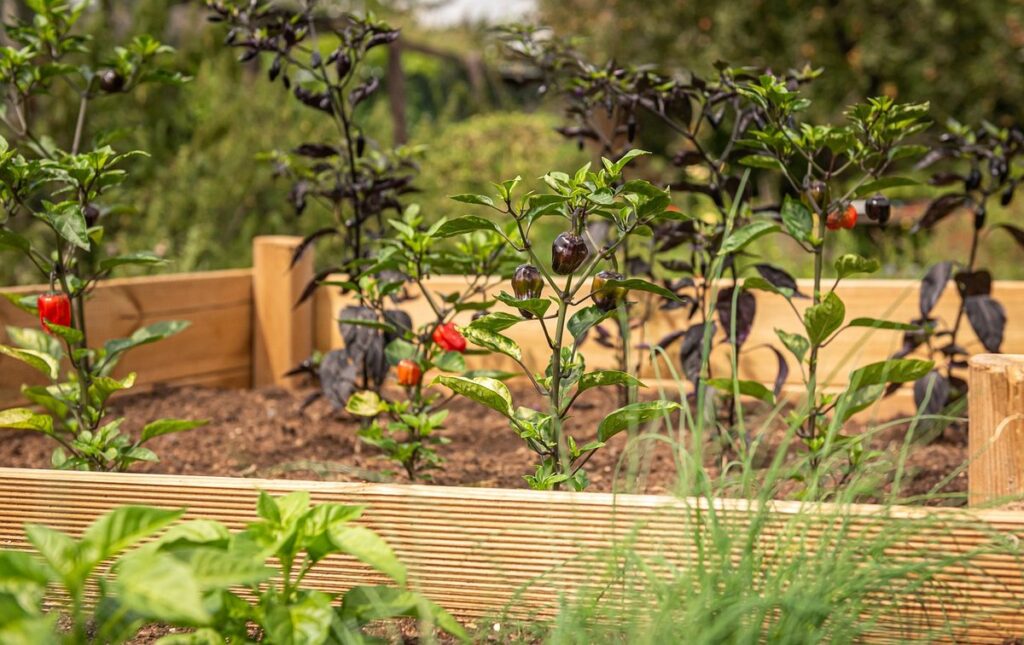
Understanding the Importance of Proper Spacing
Understanding proper spacing is crucial for a thriving raised bed garden, allowing for healthy growth and preventing overcrowding. Let’s dive into why it matters most.
Benefits of Adequate Spacing
When you provide adequate spacing in raised beds, it sets the stage for healthy plant growth, robust yields, and reduced maintenance. Proper air circulation between plants prevents moisture from accumulating on leaves, minimizing the risk of fungal diseases that thrive in humid environments. This is especially crucial for plants like tomatoes and peppers, which are prone to diseases like powdery mildew and septoria leaf spot.
By giving plants enough space to breathe, you’re also reducing the likelihood of pest infestations. For instance, aphids and whiteflies often spread disease by feeding on plant sap, but when plants have adequate room, these pests find it harder to navigate through the bed. As a result, crop yields increase significantly. For example, studies show that corn grown in well-spaced raised beds can produce up to 20% more than those crowded together.
Proper spacing also makes gardening easier and more efficient. When plants are not competing for resources, you’ll spend less time pruning, training, or fighting pests. With enough space between plants, you can easily access each one for watering, fertilizing, or harvesting – saving you time and reducing fatigue.
Common Mistakes to Avoid When Planting Too Close Together
When planting too close together, gardeners often overlook the consequences of overcrowding. Overgrowth is a significant issue, as plants compete for resources like water, nutrients, and sunlight. This can lead to weak and leggy growth, making them more susceptible to pests and diseases.
Reduced air circulation is another problem that arises from overplanting. When stems are packed tightly together, moisture can become trapped, creating an ideal environment for fungal diseases to thrive. For example, tomato plants grown too close together may develop powdery mildew or late blight, which can quickly spread through the bed.
Increased risk of disease is a direct result of poor spacing. As plants grow, their leaves and stems create a humid microclimate that fosters disease development. To avoid these issues, make sure to leave enough space between plants for air to circulate freely. A general rule of thumb is to provide at least 12-18 inches of clearance between larger plants like tomatoes or peppers, and 6-8 inches for smaller varieties like lettuce or herbs.
Choosing the Right Spacing for Your Raised Bed
When it comes to raised bed spacing, deciding on the right distance between plants can be overwhelming. Let’s break down the key factors to consider when choosing your perfect plant-to-plant spacing.
Measuring Your Bed and Plants
Measuring your raised bed and plants is crucial to determine the ideal spacing. To start, take note of your plant’s mature height, spread, and growth habits. For example, a tomato plant can grow up to 6 feet tall and have a spread of around 3-4 feet. On the other hand, leafy greens like lettuce or kale tend to stay relatively small, with a maximum height of about 1-2 feet.
When measuring your raised bed, consider its dimensions and any obstructions, such as paths or irrigation systems. A good rule of thumb is to leave at least 12-18 inches between each plant, depending on their mature size. For example, if you’re planting vegetables that require more space, like peppers or eggplants, give them around 2-3 feet between each other.
To visualize your spacing, use a grid pattern on paper or an app. Draw the shape of your raised bed and block out sections for each plant, taking into account their mature size. This will help you get a clear picture of how they’ll fit together.
Considering Plant Family and Type
When planning your raised bed garden, it’s essential to consider the plant family and type when determining the optimal spacing. Different families have unique spacing requirements due to factors like growth habits, mature sizes, and spread.
For example, members of the Solanaceae family, such as tomatoes, peppers, and eggplants, benefit from wider spacing (18-36 inches) to prevent fungal diseases that thrive in dense conditions. On the other hand, leafy greens like lettuce, kale, and spinach can be planted closer together (6-12 inches), as they grow upright and have a compact habit.
Cucumbers, being vining plants, require more space (3-4 feet) to accommodate their sprawling growth. In contrast, herbs like basil and mint can be planted in close proximity (6-12 inches), but may need regular pruning to prevent overgrowth and maintain air circulation.
Keep in mind that these are general guidelines, and specific spacing requirements may vary depending on the cultivar and growing conditions. When planning your raised bed garden, research the specific needs of each plant variety to ensure optimal growth and minimize competition for resources.
Calculating Spacing for a Raised Bed Garden
To calculate optimal spacing for your raised bed garden, you’ll need to consider factors such as mature plant size and growth habits. Let’s break down these key considerations together!
The 2-Foot Rule: A General Guideline
When it comes to raised bed spacing, one of the most widely used guidelines is the “2-foot rule.” This general principle suggests that you should provide at least 2 feet of space between each plant in a raised bed. However, this guideline can be adjusted based on specific plant requirements.
For example, if you’re growing vegetables like lettuce or herbs, you can get away with spacing them as close as 6-8 inches apart. On the other hand, sprawling plants like squash or pumpkin need more room to spread out and require a minimum of 3-4 feet between each plant. Some plants, like peas and beans, are climbers that use trellises for support, so they can be spaced closer together.
To apply the 2-foot rule effectively, consider the mature size of your plants, including their foliage and any growth habits that might affect nearby plants. Keep in mind that overcrowding can lead to disease and pest issues, while underutilizing space can result in wasted resources. By adjusting this guideline based on specific plant requirements, you’ll create a more harmonious and productive raised bed garden.
Using Plant Labels and Charts for Accurate Spacing
Using plant labels or charts can be a game-changer for accurate spacing in your raised bed garden. These visual aids help you keep track of which plants are where, making it easier to avoid overcrowding and ensure that each plant has enough room to grow.
To create these resources, start by labeling each plant with its name and a corresponding number or symbol on a chart. You can use a piece of cardboard or a whiteboard for this purpose. As you add more plants, update the chart accordingly. This way, you’ll have a clear visual representation of your raised bed layout.
Another option is to create a chart specifically designed for raised beds. These charts often include space-saving guidelines and plant spacing recommendations based on mature plant sizes. You can find free templates online or purchase pre-made charts at gardening stores. Use one of these charts as a reference point when planning your raised bed garden, and don’t hesitate to adjust the layout as needed based on actual growth patterns.
Raised Bed Spacing for Specific Crops
When planting specific crops, understanding their unique spacing requirements is crucial to maximizing yields and preventing overcrowding. This section will help you determine ideal spacings for common raised bed crops.
Spacing for Vegetables
When it comes to growing vegetables in raised beds, proper spacing is crucial for optimal growth and yields. Let’s take a closer look at some popular vegetables and their ideal spacing requirements.
Tomatoes are one of the most commonly grown vegetables in raised beds, and they require about 18-36 inches between plants, depending on the variety. For indeterminate tomatoes, which continue to grow throughout the season, it’s best to space them around 3 feet apart. Determinate tomatoes, on the other hand, can be spaced closer together at about 2-3 feet.
Cucumbers are a great addition to raised beds and prefer full sun and well-drained soil. Space them about 12 inches apart in rows that are 5-6 feet long. This will give you plenty of room for these vining plants to spread out and produce an abundance of fruit.
Carrots require about 1 inch between each plant, but be sure to thin them out to about 2-3 inches as they grow. This will prevent overcrowding and promote healthy root development.
Remember that spacing requirements can vary depending on the specific variety of vegetable you’re growing. Always check the seed packet or consult with a gardening expert for specific guidance.
Spacing for Fruits and Berries
When it comes to fruits and berries, proper spacing is crucial for optimal growth, air circulation, and sunlight penetration. For strawberries, space plants 12-18 inches apart, allowing for good aeration between them. This will prevent fungal diseases from spreading quickly.
Blueberries require even more space, with individual plants spaced 2-3 feet apart. Raspberries, on the other hand, can be planted closer together, around 1-2 feet apart, but make sure to leave at least 3 feet of space between rows for easy harvesting and maintenance.
Other berries like blackberries, currants, and gooseberries can also benefit from proper spacing. Space blackberry plants 18-24 inches apart, while currants and gooseberries require about 2-3 feet of space per plant.
To ensure successful growth, consider the mature size of each fruiting plant when planning your raised bed layout. This will help you avoid overcrowding and promote healthy development for your fruits and berries.
Considerations for Raised Bed Size and Shape
When planning your raised bed layout, it’s essential to consider the optimal size and shape of each bed to ensure efficient use of space and effective growth. Let’s dive into these key considerations.
Small vs. Large Beds: Impact on Spacing
When it comes to raised bed size and spacing, one crucial consideration is whether to opt for small, compact beds or larger, more expansive ones. The truth is, the size of your raised bed can significantly impact the available space between beds.
While smaller beds are perfect for tight spaces or for those who want a low-maintenance gardening experience, they often leave little room for maneuvering between beds. This can lead to overcrowding and competition for resources like water and nutrients. In contrast, larger beds provide ample space for plants to grow without feeling cramped, allowing for more efficient use of resources.
Larger beds also offer several benefits, including improved crop yields, reduced soil erosion, and increased accessibility. With more room between beds, you can easily access each bed without having to navigate through a maze of smaller plots. This is especially important if you plan on using raised beds with different soil mixes or plant varieties that require specific care.
In terms of space management, consider the following: for small gardens (less than 100 square feet), smaller beds are often sufficient; however, larger gardens benefit from more expansive beds to maximize efficiency and productivity.
Rectangular vs. Square Beds: Optimal Configurations
When it comes to choosing the optimal configuration for raised beds, both rectangular and square shapes have their benefits. Rectangular beds are ideal for gardens with a large amount of space, as they allow for efficient use of land while providing ample room for plants to grow. This shape is particularly well-suited for long, narrow plots or areas with unique obstructions.
On the other hand, square raised beds offer better accessibility and easier maintenance compared to their rectangular counterparts. With four equal sides, you can easily walk around each bed without having to navigate tight spaces or make multiple turns. Additionally, square beds provide a more balanced growing environment, as all plants receive similar amounts of sunlight and nutrients.
To maximize space in your garden, consider staggering rectangular beds of varying sizes, allowing for easy access and efficient use of land. If you have limited space, opt for square beds to ensure optimal accessibility and maintenance. Regardless of the shape you choose, be sure to leave enough space between each bed for comfortable walking paths (typically 3-4 feet) and easy access for gardening tools and supplies.
Troubleshooting Raised Bed Spacing Issues
When you encounter issues with your raised bed spacing, don’t panic – we’ll walk you through common problems and solutions to get your garden back on track.
Signs of Overcrowding or Insufficient Spacing
When it comes to raised bed gardening, overcrowding is one of the most common mistakes gardeners make. It’s easy to get carried away with planting as many varieties as possible, but this can lead to a host of problems down the line. One of the first signs that your raised bed is overcrowded is poor air circulation.
If plants are too close together, they won’t be able to breathe properly, making them more susceptible to disease and pests. As a result, you may notice an increase in fungal diseases like powdery mildew or leaf spot. Additionally, reduced yields can also be a sign that your raised bed is overcrowded. Plants need room to spread out their roots and grow to their full potential, so if they’re competing for space, it can lead to lower production.
To combat these issues, make sure to leave enough space between plants, at least 12-18 inches for vegetables and herbs, and 24-36 inches for larger fruits and flowers. By giving your plants the room they need, you’ll be rewarded with healthier, more productive crops that thrive in their environment.
Adjusting Spacing for Better Results
When adjusting spacing to address raised bed spacing issues, it’s essential to understand that one-size-fits-all solutions don’t work. Instead, consider the specific challenges you’re facing and tailor your approach accordingly.
For example, if overcrowding is an issue, try reducing the number of plants per square foot or implementing a trellis system for vining varieties. This will not only improve air circulation but also make harvesting easier. To address issues with inadequate spacing between rows, consider staggering the planting pattern to create paths between beds or adjusting the bed layout to allow for more space between rows.
Another strategy is to adjust your plant selection. Choose varieties that are naturally compact or dwarf-sized, which will require less space and still produce a bountiful harvest. Consider companion planting as well – pairing plants with complementary growth habits can help optimize raised bed spacing.
Experiment with different combinations of these strategies to find what works best for you and your garden’s unique conditions.
Tips for Long-Term Raised Bed Maintenance
To keep your raised beds thriving for years to come, it’s essential to establish a regular maintenance routine that addresses specific needs over time. This includes adjusting watering and fertilizing schedules as plants mature.
Monitoring and Adjusting Spacing Over Time
As you tend to your raised beds over time, it’s essential to monitor their spacing and make adjustments as needed. This might seem like a minor detail, but it can have a significant impact on the overall health and productivity of your garden.
One way to determine if your raised bed spacing needs adjusting is to keep an eye on how plants grow together. If they start to overcrowd or touch each other’s leaves, it may be time to reassess your spacing. This is especially true for plants with deep taproots, like carrots and beets, which can become entangled if planted too close together.
To monitor your raised bed spacing effectively, take note of how quickly plants mature and grow. If you notice that some plants are outpacing others or requiring more room to spread out, consider thinning them out or reconfiguring the bed layout. By doing so, you’ll promote healthy growth, prevent disease, and ensure a bountiful harvest. For instance, if your tomato plants are growing faster than expected, consider giving them some extra space by transplanting them to larger containers or adjusting their placement within the raised bed.
Recording and Tracking Spacing for Future Reference
When planning and maintaining raised beds, it’s essential to record and track spacing for future reference. This simple habit can greatly impact long-term gardening decisions and help you optimize your bed arrangements.
By documenting the spacing of each plant variety, you’ll be able to identify patterns and areas where adjustments could improve yields or reduce competition. For instance, if you’ve found that a particular crop requires more space than initially thought, you can adjust future layouts accordingly. This knowledge will save time and resources in the long run.
To track spacing effectively, use a gardening journal or spreadsheet to record the following:
* The specific plant variety
* Its mature height and spread
* The exact spacing between plants (including rows and columns)
* Any adjustments made to initial plans
Reviewing your records regularly will allow you to refine your planting strategies and make data-driven decisions about future bed arrangements. This proactive approach will help ensure that your raised beds continue to thrive, even as your gardening needs evolve over time.
Frequently Asked Questions
What are the most common mistakes to avoid when calculating raised bed spacing for my first garden?
When starting out, it’s easy to underestimate plant growth or misjudge available space. To prevent overcrowding, make sure to measure your raised bed and plants accurately, considering their mature sizes. Research specific crop requirements and adjust your spacing plan accordingly.
Can I use the 2-foot rule as a one-size-fits-all solution for all my raised beds?
While the 2-foot rule is a good starting point, it’s not suitable for every garden or plant combination. Different crops have unique spacing needs, so consider factors like mature size, growth habits, and air circulation requirements. For example, tomatoes and peppers require more space than leafy greens.
How do I know if my raised bed is too small or too large for optimal spacing?
When assessing your raised bed size, remember that it’s not just about the square footage but also its shape and configuration. Rectangular beds can accommodate more plants than square ones due to their elongated design. Consider using a plant label chart or calculator to determine the ideal number of plants for your specific setup.
What are some signs that my raised bed spacing is insufficient, leading to overcrowding?
Look out for symptoms like stunted growth, reduced yields, and an increased risk of disease. If you notice excessive moisture accumulation between plants or find it challenging to maintain air circulation, adjust your spacing plan to provide more breathing room. Regularly inspect your garden and make adjustments as needed.
Can I change my raised bed spacing after plants are already in place?
While it’s possible to adjust spacing mid-season, this can lead to significant stress on the plants. If necessary, carefully remove and replant or thin out overcrowded areas. To avoid disrupting plant growth, try to achieve optimal spacing from the beginning by using a well-planned layout and measuring each plant’s mature size.